Travelers, Not Tourists: Why the Future of Tourism Depends on Value, Not Volume

For decades, tourism success was measured by one number: arrivals. Governments celebrated record visitor counts, airports expanded capacity, and destinations competed to attract ever-larger volumes of travelers. Yet the global tourism landscape is changing. Increasingly, the most successful destinations are not those attracting the highest number of visitors, but those generating the highest value for communities, businesses, culture, and the environment.
The future of tourism depends on value, not volume. This shift requires a move away from a purely quantitative approach toward a model that prioritizes meaningful engagement, responsible travel, community benefit, cultural preservation, and environmental stewardship. In simple terms, destinations need more travelers and fewer tourists.
A tourist often consumes a destination. A traveler experiences it. A tourist follows an itinerary. A traveler seeks understanding. A tourist may leave photographs behind. A traveler leaves positive impact behind. While these distinctions are not absolute, they highlight an important transformation occurring throughout the global tourism industry.
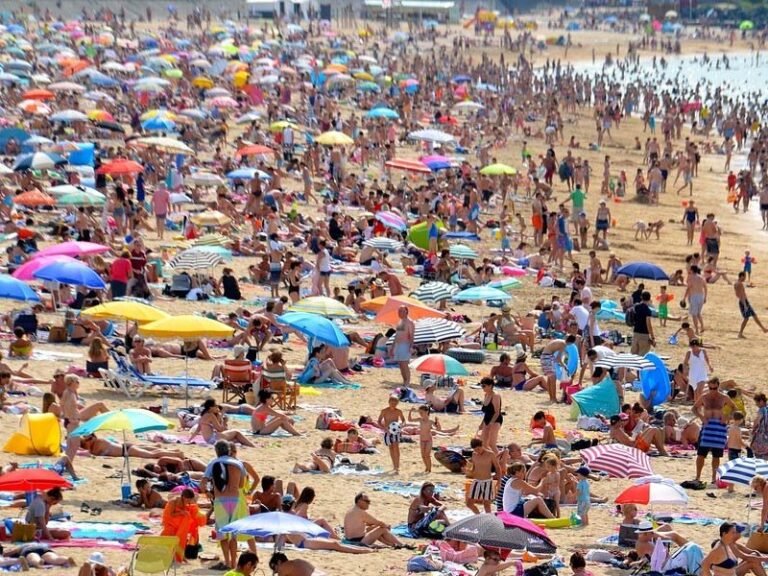
Before the pandemic, international tourism exceeded 1.5 billion arrivals annually and contributed around 10 percent of global GDP. Following recovery, destinations once again face pressure from overcrowding, infrastructure strain, rising waste volumes, environmental degradation, and growing community concerns. Consequently, policymakers and industry leaders are asking a different question: How can tourism create greater value rather than simply greater numbers?
Bhutan offers one of the most discussed examples. Its long-standing “High Value, Low Volume” approach emphasizes quality experiences and destination protection. Rather than maximizing arrivals, Bhutan seeks to maximize value per visitor while safeguarding culture and nature. Although every destination cannot replicate Bhutan’s model, the principle remains relevant worldwide.
New Zealand has similarly promoted responsible visitor behavior through sustainability initiatives that encourage travelers to respect local communities and natural environments. The focus is not merely on attracting visitors but on fostering stewardship and long-term destination resilience.
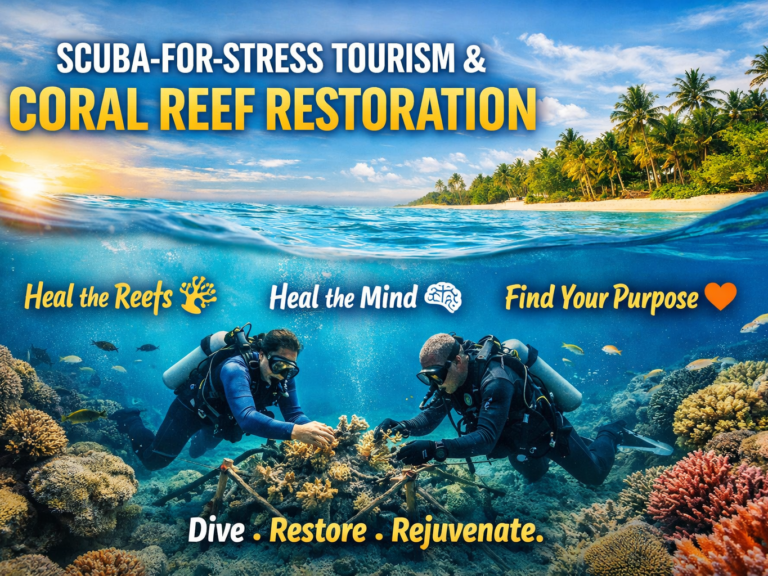
Costa Rica demonstrates how environmental conservation can become a tourism asset. Through extensive protected areas and ecotourism development, the country has positioned itself as a destination where nature preservation and tourism growth work together. Visitors are encouraged to engage with biodiversity rather than simply consume attractions.
Slovenia has built a reputation around sustainable destination management, community engagement, and green tourism standards. Its success illustrates how smaller destinations can compete globally through authenticity and sustainability rather than scale.
Iceland experienced rapid visitor growth that generated economic benefits but also created infrastructure challenges. The country subsequently invested in visitor management, destination planning, and environmental protection to maintain long-term competitiveness.
Singapore provides another perspective. Despite limited land resources, it has focused on high-value tourism experiences, business events, innovation, and premium services. The result is strong tourism yield without relying solely on mass visitation.
Oman has increasingly emphasized heritage, culture, and authentic experiences. Rather than pursuing unrestricted expansion, the country has explored pathways that align tourism growth with cultural preservation and national identity.
These examples reveal a common lesson: tourism success is not determined solely by how many visitors arrive. It is determined by how tourism contributes to local prosperity, destination sustainability, and visitor satisfaction.
The economic argument for value-based tourism is compelling. Higher-spending visitors often generate greater economic returns while placing proportionally less pressure on infrastructure and resources. Longer stays, local purchases, cultural experiences, and community engagement can create stronger economic multipliers than short-duration, high-volume visitation.
However, value-based tourism is not about exclusivity. It is not about restricting travel to wealthy individuals. Rather, it is about encouraging responsible behavior, meaningful experiences, and sustainable destination management. Every visitor, regardless of budget, can contribute positively when tourism systems are designed effectively.
Community participation remains central to this transformation. Tourism cannot be truly sustainable if local communities feel excluded from decision-making or fail to receive meaningful benefits. Residents are not stakeholders on the margins of tourism; they are the foundation of every destination experience. Their culture, hospitality, traditions, and quality of life directly influence destination competitiveness.
Environmental sustainability is equally important. Tourism depends on healthy ecosystems, attractive landscapes, clean beaches, protected wildlife, and resilient communities. When these assets are degraded, destinations ultimately undermine their own future. Therefore, tourism planning must balance economic growth with environmental responsibility.
Technology also plays an increasingly important role. Data analytics, artificial intelligence, smart destination management systems, and visitor flow monitoring can help destinations optimize tourism performance while reducing negative impacts. The future of tourism will not only be sustainable but also intelligent.
Sri Lanka has a unique opportunity to embrace this transition. The country possesses extraordinary cultural heritage, biodiversity, hospitality, cuisine, and natural attractions. Rather than focusing exclusively on increasing arrival numbers, Sri Lanka can position itself as a destination that delivers authentic, high-value experiences while protecting its unique assets.
Community-based tourism, regenerative tourism, wellness tourism, heritage tourism, nature-based tourism, and educational travel represent significant opportunities. These segments often attract visitors seeking deeper engagement and longer stays, generating greater value for local communities.
Educational institutions also have a role to play. Future tourism professionals must be trained not only in marketing and operations but also in sustainability, destination stewardship, community engagement, and responsible tourism leadership.
Ultimately, the tourism industry is entering a new era. Destinations that continue measuring success solely through arrivals risk overlooking the broader impacts of tourism. In contrast, destinations that prioritize value creation are more likely to achieve long-term resilience, competitiveness, and community support.
The conversation is no longer about attracting the most visitors. It is about creating the greatest positive impact.
The future belongs to destinations that inspire travelers rather than simply attract tourists. It belongs to destinations that protect culture while welcoming innovation, that balance economic growth with environmental responsibility, and that place communities at the center of tourism development.
Tourism must move beyond volume. Tourism must create value. And the destinations that understand this shift will lead the industry for decades to come.
Disclaimer:
This article has been authored and published in good faith by Dr. Dharshana Weerakoon, DBA (USA), based on publicly available industry information, professional observations, international case studies, and extensive experience within tourism and hospitality. It is intended solely for educational, professional, and public awareness purposes. The views expressed are personal and analytical and do not constitute legal, financial, investment, or policy advice. The author accepts no responsibility for any interpretation or application of the concepts discussed.
© Dr. Dharshana Weerakoon, DBA (USA). All rights reserved.
Further Reading: https://www.linkedin.com/newsletters/outside-of-education-7046073343568977920/
Further Reading: https://dharshanaweerakoon.com/sri-lanka-export-proceeds-conversion-rule/