Culinary Ancestry De-Extinction: Reviving Lost Pre-Colonial Grains and Superfoods as Sri Lanka’s Premium Gastronomic Identity
Beyond Rice and Curry: Why Sri Lanka’s Future Culinary Brand Lies in Its Forgotten Past
For decades, Sri Lanka has promoted itself internationally through a familiar culinary narrative—rice and curry. While this remains an important part of our identity, I believe the global tourism industry is entering a different era.
Today’s international travellers, Michelin-level chefs, nutrition scientists, food journalists, and culinary explorers are no longer searching simply for delicious meals. They are searching for authenticity, wellness, biodiversity, history, sustainability, and unforgettable stories.
This presents Sri Lanka with an extraordinary opportunity.
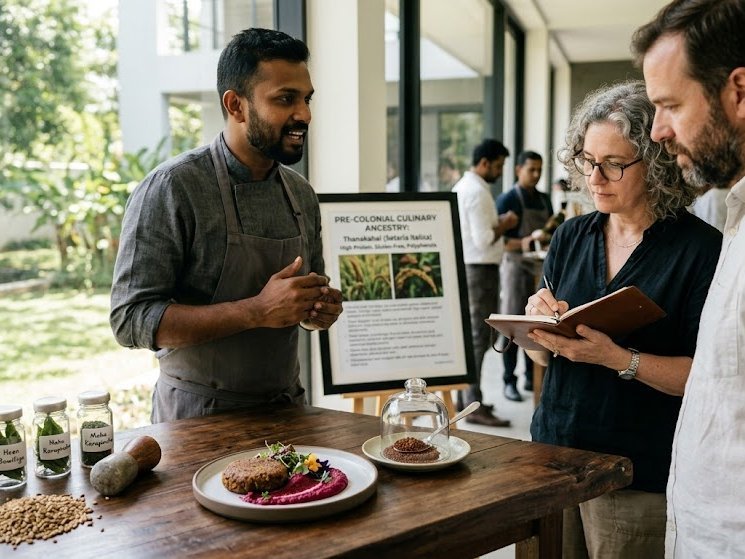
Rather than competing with thousands of destinations offering similar traditional dishes, we can create an entirely new premium positioning by reviving our forgotten pre-colonial grains, indigenous legumes, herbs, and nutrient-rich superfoods.
I call this approach Culinary Ancestry De-Extinction.
It is not about recreating the past.
It is about rediscovering forgotten food wisdom and transforming it into a globally respected premium gastronomic experience.
What is Culinary Ancestry De-Extinction?
Culinary Ancestry De-Extinction refers to the systematic revival, scientific validation, commercial development, and international branding of ancient indigenous food ingredients that gradually disappeared from mainstream consumption.
Unlike genetic de-extinction in biology, this concept focuses on bringing lost food traditions back into modern tourism and hospitality.
These include:
- Kurakkan (Finger Millet)
- Heenati Black Rice
- Suwandel Rice
- Pachchaperumal Rice
- Meneri Rice
- Maha Wee
- Thana Hal
- Kola Kenda herbs
- Gotukola
- Mukunuwenna
- Hathawariya
- Wild yams
- Traditional pulses
- Forest honey
- Indigenous spices
Many of these ingredients existed in Sri Lanka centuries before colonial influence transformed agricultural patterns and consumer preferences.
Today, they represent an untapped premium tourism asset.
Why the Global Market is Changing
The international food industry has evolved dramatically.
Current global consumer behaviour shows:
- More than 70% of consumers actively seek foods that support health and wellness.
- The global functional foods market is expected to exceed USD 275 billion within the next few years.
- Wellness tourism already generates more than USD 900 billion annually worldwide.
- Heritage food tourism continues to grow faster than conventional culinary tourism in many premium destinations.
- Premium restaurants increasingly highlight ingredient origin rather than recipe complexity.
People no longer ask,
“What does this taste like?”
Instead they ask,
“Where did this ingredient come from?”
“What makes it unique?”
“What are its health benefits?”
“What story does it tell?”
Sri Lanka has answers to all four questions.
Ancient Sri Lankan Superfoods Were Functional Foods Long Before the Term Existed
Modern nutrition science is now confirming what our ancestors already understood.
Many forgotten Sri Lankan ingredients naturally contain:
- High dietary fibre
- Slow-release carbohydrates
- Antioxidants
- Polyphenols
- Iron
- Magnesium
- Calcium
- Zinc
- Natural anti-inflammatory compounds
- Plant proteins
For example:
Kurakkan
- Rich in calcium
- High fibre
- Low glycaemic index
Heenati Black Rice
- High antioxidant content
- Anthocyanins
- Traditional medicinal value
Gotukola
- Cognitive health
- Traditional Ayurvedic use
- Increasing international interest
Forest Honey
- Natural enzymes
- Distinct floral diversity
- Premium gourmet positioning
Rather than marketing these solely as traditional foods, Sri Lanka can position them as scientifically supported heritage nutrition.
The Missing Link Between Agriculture and Luxury Tourism
Most countries separate farming from tourism.
Successful destinations integrate both.
Imagine international visitors experiencing:
- Ancient paddy field walks
- Indigenous seed conservation centres
- Traditional stone milling
- Village cooking masterclasses
- Heritage food tasting menus
- Nutrition interpretation sessions
- Wellness culinary retreats
- Michelin-inspired ancient grain degustation menus
This creates experiences that cannot be copied easily.
Authenticity becomes our competitive advantage.
Seven International Case Studies Sri Lanka Should Learn From
1. Peru — Quinoa’s Global Transformation
Once considered a rural subsistence crop, quinoa is now recognised worldwide as a premium superfood.
Strategic branding transformed local agriculture into a multi-billion-dollar export industry while increasing Peru’s culinary reputation.
2. Japan — Heritage Fermentation
Japan elevated traditional fermentation methods into global luxury gastronomy.
Ingredients such as miso, koji, and fermented soy products became symbols of craftsmanship, health, and culinary excellence.
3. Italy — Ancient Wheat Revival
Several Italian regions successfully revived heirloom wheat varieties for artisan breads, premium pasta, and destination dining.
Consumers willingly pay higher prices for authenticity.
4. Mexico — Native Maize Preservation
Mexico protected indigenous maize varieties while integrating them into tourism, cultural festivals, and world-class restaurants.
Ancient agriculture became a tourism product.
5. India — International Year of Millets
India used the United Nations International Year of Millets to reposition traditional grains as climate-resilient, nutritious foods.
This strengthened domestic consumption and expanded export opportunities.
6. Bhutan — High-Value Culinary Heritage
Bhutan combines traditional grains, local agriculture, and wellness tourism into a premium visitor experience rather than competing on volume.
Its culinary identity supports its “High Value, Low Volume” tourism model.
7. New Nordic Cuisine — Denmark
Denmark transformed forgotten local ingredients into internationally celebrated fine dining through research, storytelling, and culinary innovation.
The movement demonstrated that local biodiversity can become global prestige.
Why Sri Lanka Has a Competitive Advantage
Few countries possess all these advantages simultaneously.
Sri Lanka has:
✓ More than 2,000 years of agricultural history
✓ Exceptional biodiversity
✓ Ancient irrigation civilisation
✓ Indigenous rice varieties
✓ Ayurveda
✓ Spice heritage
✓ Tropical climate
✓ UNESCO cultural landscapes
✓ Strong culinary traditions
Yet internationally, we continue promoting almost identical images of rice and curry.
The world deserves to see much more.
A National Culinary Innovation Model
I believe Sri Lanka could develop a coordinated national programme involving:
- Universities
- Tourism authorities
- Agricultural researchers
- Ayurveda experts
- Hotels
- Chefs
- Farmer cooperatives
- Food scientists
- Export agencies
Priority initiatives could include:
- Ancient grain certification
- Heritage ingredient research
- Scientific nutrition validation
- Culinary innovation laboratories
- Farm-to-table tourism routes
- Heritage food festivals
- Premium restaurant partnerships
- International chef collaborations
- Gastronomic storytelling campaigns
This would generate value across tourism, agriculture, exports, education, and rural development.
From Commodity Food to Premium Experience
The objective is not merely selling food.
The objective is selling:
- History
- Science
- Wellness
- Sustainability
- Biodiversity
- Authenticity
- Cultural identity
That transformation significantly increases perceived value.
A bowl of heritage grain can become an experience.
An experience becomes a destination.
A destination becomes a national brand.
Final Reflection
Sri Lanka possesses one of the world’s richest culinary ecosystems.
However, much of its greatest value remains hidden in forgotten fields, indigenous seed banks, village kitchens, traditional knowledge, and agricultural heritage.
The next chapter of Sri Lanka’s tourism story may not begin with building another luxury hotel.
It may begin by rediscovering the extraordinary foods that quietly nourished generations long before modern marketing existed.
Perhaps our greatest competitive advantage is not something new.
Perhaps it is something we almost forgot.
Key Takeaways
- Revive forgotten indigenous grains and superfoods.
- Position Sri Lanka as a global heritage wellness food destination.
- Integrate agriculture, science, gastronomy, and tourism.
- Create premium experiences rather than competing on low-cost dining.
- Strengthen farmer livelihoods while preserving biodiversity.
- Build a globally differentiated culinary identity rooted in authenticity.
Disclaimer
This article has been authored and published in good faith by Dr. Dharshana Weerakoon, DBA (USA), drawing upon publicly available information, established knowledge in tourism, hospitality, agriculture, nutrition, and sustainable destination development, together with the author’s international professional experience. It is intended solely for educational, professional, and public discussion purposes and to encourage dialogue on innovative tourism and gastronomic development in Sri Lanka. Any statistical references are indicative of widely reported industry trends and should not be interpreted as official forecasts or investment advice. The opinions expressed are entirely those of the author and do not necessarily represent the views of any organisation or institution. This article respects applicable Sri Lankan laws, including intellectual property, food safety, consumer protection, and ethical communication standards. No specific organisation, product, or individual is criticised or endorsed. The concept of “Culinary Ancestry De-Extinction” is presented as a strategic tourism and destination-branding framework for academic and industry discussion.
© Dr. Dharshana Weerakoon, DBA (USA). All rights reserved.
Further Reading: https://dharshanaweerakoon.com/airport-accessibility-and-hotel-occupancy-in-sri-lanka/
Further Reading: https://www.linkedin.com/newsletters/outside-of-education-7046073343568977920/