
Reimagining Sri Lanka’s Higher Education Future: From Degree Holders to Nation Builders
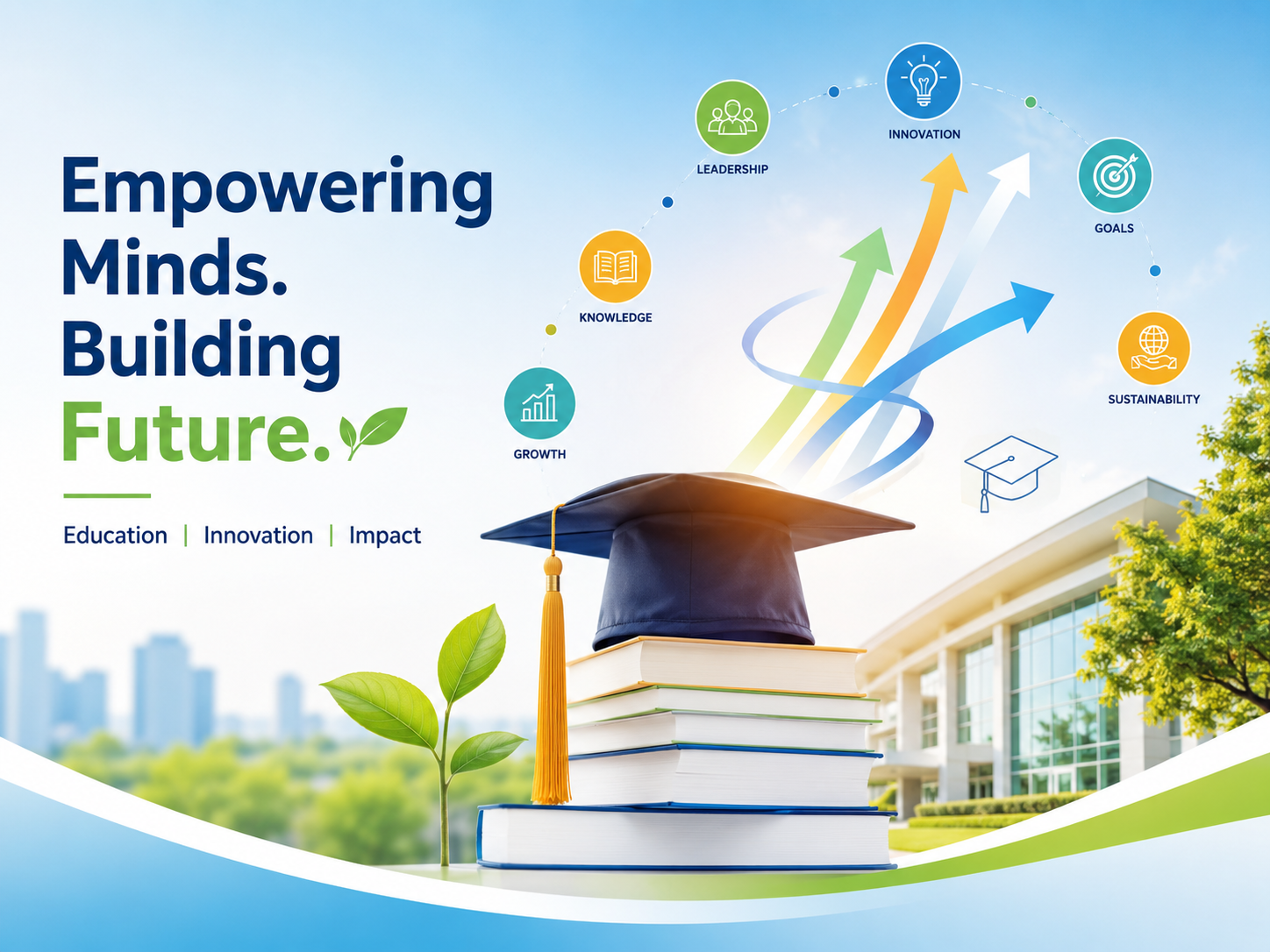
Reflections on the National Higher Education Policy Survey of Sri Lanka
Introduction
The future of Sri Lanka will not be determined solely by economic policies, infrastructure projects, foreign investments, or technological advancements. Ultimately, it will be shaped by the quality of its people and the education system that develops them.
For decades, Sri Lanka has been recognized for its strong educational foundation, relatively high literacy rates, and commitment to knowledge development. Our universities have produced doctors, engineers, accountants, academics, scientists, managers, entrepreneurs, and public servants who have made valuable contributions both locally and internationally.
However, the world is changing faster than ever before.
Artificial Intelligence (AI), automation, digital transformation, climate change, sustainability challenges, entrepreneurship, remote working, global competition, and evolving labour market expectations are redefining the skills and competencies required for success.
In this rapidly changing environment, universities can no longer focus solely on producing graduates with academic qualifications. Instead, they must produce individuals who can innovate, adapt, lead, create opportunities, solve complex problems, and contribute meaningfully to society.
Having participated in the National Higher Education Policy Survey and drawing upon my experiences as a university lecturer, researcher, entrepreneur, and corporate leader, I believe Sri Lanka has a unique opportunity to transform its higher education system into a powerful catalyst for national development.
The critical question is no longer whether our graduates possess degrees. The real question is whether our graduates possess the knowledge, skills, mindset, values, and creativity required to thrive in the future while contributing positively to the nation.
Beyond Technical Knowledge: The Human Qualities That Matter
Academic knowledge and technical competencies remain essential. However, in today’s workplace, they are no longer sufficient on their own.
Throughout my professional career, I have interviewed, recruited, mentored, and worked with graduates from diverse academic backgrounds. While many possess strong theoretical knowledge, the qualities that often determine long-term success extend beyond classroom learning.
Among the qualities I value most are integrity, adaptability, resilience, critical thinking, communication skills, emotional intelligence, leadership potential, and a commitment to continuous learning.
Integrity remains the foundation of professional success. Technical expertise without ethical behaviour can create significant risks for organisations and society.
Adaptability has become equally important. The careers that many students will pursue ten years from now may not even exist today. Graduates must therefore be prepared to learn, relearn, and adapt continuously throughout their careers.
Critical thinking enables individuals to analyse information objectively, challenge assumptions, and make informed decisions. Communication skills allow graduates to convey ideas effectively, collaborate with others, and build meaningful professional relationships.
Resilience helps individuals navigate uncertainty and overcome setbacks, while leadership enables them to inspire positive change regardless of their position within an organisation.
These qualities cannot be developed solely through examinations. They require deliberate cultivation through educational experiences, practical exposure, mentorship, and personal development opportunities.
Are Current Graduates Demonstrating These Qualities?
Many graduates entering the workforce today demonstrate enthusiasm, technological literacy, and academic competence. However, there remains significant room for improvement in several critical areas.
Employers frequently highlight concerns regarding problem-solving abilities, communication skills, workplace readiness, commercial awareness, leadership capabilities, and practical experience.
This is not unique to Sri Lanka. Similar concerns are expressed globally as employers attempt to bridge the gap between academic learning and workplace realities.
One contributing factor is the traditional emphasis on examination-oriented education. Students often become highly skilled at memorising information and reproducing knowledge during assessments. However, real-world challenges rarely present themselves in the form of examination questions with predetermined answers.
Modern workplaces require individuals who can think independently, collaborate effectively, navigate ambiguity, and develop innovative solutions to complex problems.
Therefore, higher education institutions must move beyond traditional teaching approaches and embrace educational models that foster creativity, critical inquiry, and practical problem-solving.
The Importance of Creativity, Innovation, and Independent Thinking
Innovation has become one of the most valuable drivers of economic growth and social progress.
Nations that encourage creativity, research, entrepreneurship, and innovation are better positioned to compete in global markets and address emerging challenges.
Unfortunately, innovation cannot flourish in environments where questioning is discouraged and conformity is rewarded.
Students must be encouraged to challenge conventional thinking, explore alternative perspectives, engage in constructive debate, and develop original ideas.
Creativity is not limited to artistic disciplines. Engineers, scientists, business professionals, healthcare practitioners, tourism specialists, and technology experts all benefit from creative thinking.
Universities should therefore create environments where students feel comfortable questioning assumptions, experimenting with ideas, and learning from failure.
Innovation laboratories, entrepreneurship centres, startup incubators, multidisciplinary projects, case study analysis, and industry-sponsored challenges can all contribute significantly to this objective.
The future belongs to those who can think differently and create value through innovation.
Lessons from International Success Stories
Several countries have successfully transformed their higher education systems to support innovation, employability, and national development.
Singapore provides an excellent example. Despite limited natural resources, Singapore has become one of the world’s most competitive economies through strategic investments in education, research, innovation, and skills development. Its universities maintain strong partnerships with industry and actively support entrepreneurship.
Finland has built a global reputation for educational excellence by prioritising creativity, critical thinking, collaboration, and student-centred learning. Rather than focusing exclusively on examinations, Finnish institutions encourage students to develop independent thinking and problem-solving capabilities.
Germany’s dual education model demonstrates the value of integrating academic learning with practical workplace experience. Strong collaboration between universities and industry ensures graduates enter the workforce with relevant skills and practical knowledge.
South Korea’s remarkable economic transformation has been driven largely by investments in education, technology, research, and innovation. Universities play a central role in supporting entrepreneurship and technological advancement.
Australia has increasingly emphasised employability, work-integrated learning, and industry engagement. Students benefit from internships, consultancy projects, and practical learning experiences that enhance workplace readiness.
The Netherlands has successfully integrated sustainability, interdisciplinary learning, and societal problem-solving into higher education, preparing graduates to address complex global challenges.
These examples illustrate that successful higher education systems share several common characteristics: strong industry engagement, practical learning opportunities, innovation ecosystems, and a commitment to developing well-rounded graduates.
Strengthening University–Industry Collaboration
One of the most effective strategies for improving graduate employability and educational relevance is strengthening collaboration between universities and industry.
As Chairman of a diversified business organisation and a university lecturer, I have witnessed the mutual benefits of such partnerships.
Students gain practical experience, professional exposure, mentorship opportunities, and improved career prospects.
Universities benefit from enhanced curriculum relevance, applied research opportunities, and stronger graduate outcomes.
Industry gains access to emerging talent, innovative ideas, and research capabilities.
Therefore, university–industry collaboration should become a central pillar of Sri Lanka’s National Higher Education Policy.
Structured internship programmes, guest lectures, industry visits, collaborative research projects, mentoring initiatives, and professional networking opportunities should become standard components of university education.
Memoranda of Understanding between universities and private sector organisations can play an important role in facilitating these partnerships.
Entrepreneurship: A National Imperative
Traditionally, university education has focused on preparing students to seek employment.
However, Sri Lanka’s future economic growth will increasingly depend on individuals who can create employment opportunities rather than merely seek them.
Entrepreneurship should therefore become a core component of higher education.
Students should be exposed to entrepreneurship regardless of their academic discipline. Whether studying engineering, tourism, information technology, management, science, healthcare, or the humanities, students can benefit from understanding how innovation creates value.
Entrepreneurship education should cover business planning, financial literacy, innovation management, digital business models, project management, and venture development.
Universities should establish startup incubators, innovation hubs, mentorship programmes, and seed funding initiatives to support aspiring entrepreneurs.
Encouraging entrepreneurship is not merely an economic strategy. It is a strategy for fostering creativity, resilience, leadership, and problem-solving.
Recognising Alternative Career Pathways
The future of work is changing rapidly.
Increasing numbers of graduates are pursuing careers as freelancers, consultants, content creators, entrepreneurs, social innovators, researchers, and independent professionals.
Universities must recognise that success can take many forms.
Graduate success should not be measured solely by conventional employment statistics.
A graduate who launches a successful business, develops innovative technology, establishes a social enterprise, or contributes to community development may create significant economic and social value.
Higher education policies should therefore acknowledge and support diverse career pathways.
Sustainability, Citizenship, and Social Responsibility
Universities have responsibilities that extend beyond producing employable graduates.
They also have a responsibility to develop ethical leaders, responsible citizens, and socially conscious professionals.
Future generations will face significant challenges related to climate change, environmental sustainability, public health, social equity, and technological disruption.
Graduates must therefore understand the broader consequences of their decisions and actions.
Community engagement, volunteerism, environmental stewardship, cultural preservation, and social entrepreneurship should be integrated into university education.
The objective should be to produce graduates who contribute positively to economic development while simultaneously strengthening society and protecting the environment.
Key Recommendations for Sri Lanka’s National Higher Education Policy
Based on my experience in academia, research, entrepreneurship, tourism, logistics, and corporate leadership, I respectfully offer the following recommendations:
• Strengthen university–industry collaboration.
• Expand internship and work-integrated learning opportunities.
• Promote entrepreneurship and startup ecosystems.
• Encourage innovation and research commercialisation.
• Develop critical thinking and problem-solving skills.
• Enhance communication and leadership training.
• Support interdisciplinary learning.
• Recognise alternative career pathways.
• Expand community engagement initiatives.
• Integrate sustainability across all academic disciplines.
• Strengthen international partnerships and collaborations.
• Invest in faculty development and continuous learning.
• Promote digital transformation within universities.
• Adopt outcome-based and flexible educational models.
• Measure university success through broader social, environmental, and economic impact indicators.
Conclusion: Producing Nation Builders Rather Than Degree Holders
Sri Lanka stands at a critical moment in its educational journey.
The National Higher Education Policy provides an opportunity to redefine the purpose of university education and align it more closely with the needs of a rapidly changing world.
Universities must continue to provide academic excellence. However, they must also cultivate creativity, innovation, leadership, entrepreneurship, resilience, ethics, and social responsibility.
As a university lecturer, I see the immense potential of our students.
As an entrepreneur and corporate leader, I understand the evolving expectations of employers and industries.
As a researcher and citizen, I believe education remains one of the most powerful tools available for national transformation.
The future of Sri Lanka depends not only on the number of graduates we produce but on the quality of graduates we develop.
Our objective should not be merely to produce degree holders.
Our objective should be to develop innovators, entrepreneurs, professionals, leaders, and responsible citizens who can contribute meaningfully to Sri Lanka’s social, cultural, environmental, and economic wellbeing.
If we achieve this vision, our universities will become more than educational institutions.
They will become engines of national development and creators of future nation builders.
Disclaimer
This article has been authored and published in good faith by Dr. Dharshana Weerakoon, DBA (USA), based on professional experience in academia, entrepreneurship, corporate leadership, international business, research, and higher education engagement, together with publicly available information and ongoing policy discussions relevant to Sri Lanka and the global higher education sector.
The article is intended solely for educational, professional, policy discussion, and public awareness purposes. The views expressed are personal and analytical and are offered with the objective of contributing constructively to discussions relating to the future of higher education in Sri Lanka.
Nothing contained herein should be interpreted as legal, financial, investment, regulatory, or policy advice. Readers are encouraged to undertake their own independent evaluation of any observations or recommendations presented.
The author accepts no responsibility for any interpretation, adaptation, or application of the contents by third parties. All opinions are expressed with respect for academic freedom, professional ethics, inclusivity, and the broader public interest.
© Dr. Dharshana Weerakoon, DBA (USA). All Rights Reserved.
Further Reading: https://www.linkedin.com/newsletters/outside-of-education-7046073343568977920/
Further Reading: https://dharshanaweerakoon.com/university-industry-collaboration-sri-lanka/