Beyond the Beaches: Is Sri Lanka Promoting Its Full Tourism Potential?
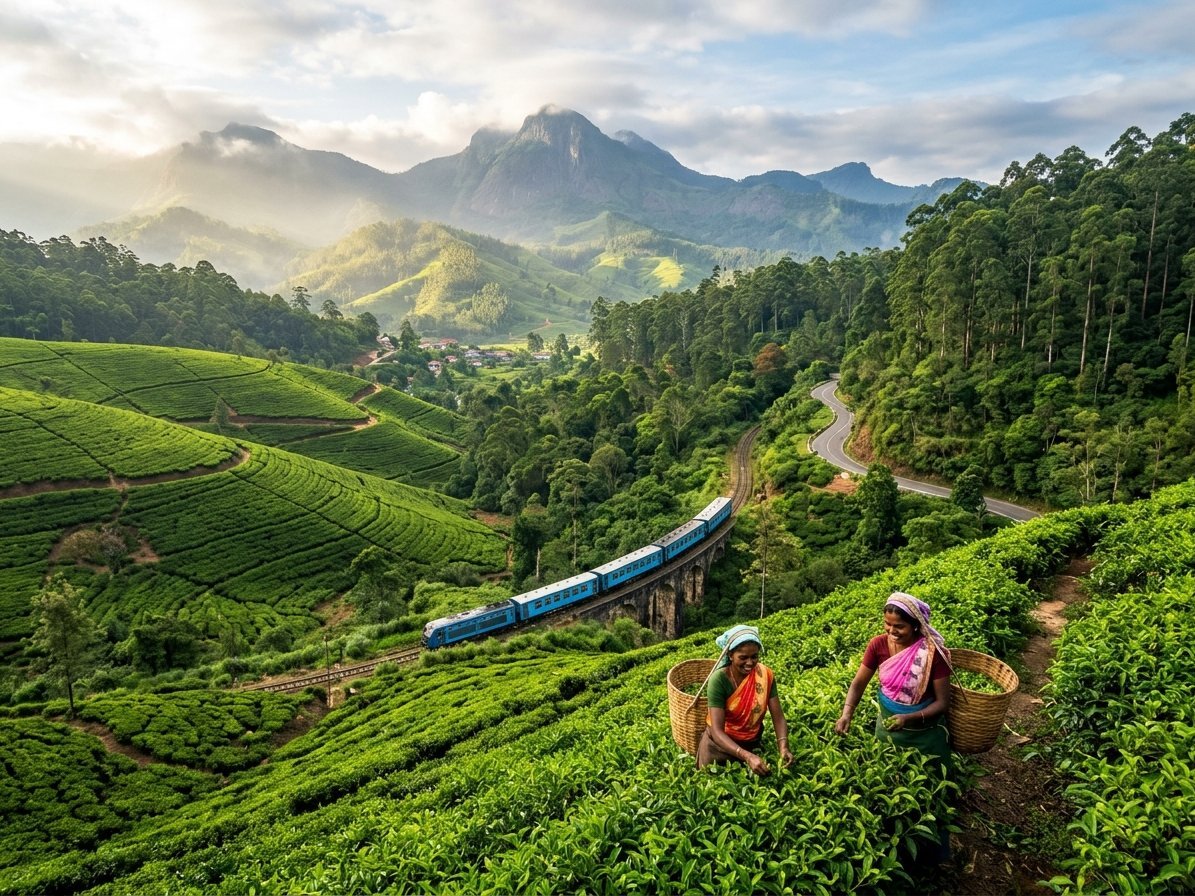
Sri Lanka has extraordinary tourism assets. But are we doing enough to transform them into internationally recognised experiences that attract visitors, create employment and generate sustainable income?
As someone who has worked across tourism and hospitality markets in multiple countries, I believe we need to look beyond traditional sightseeing and develop a more diverse, experience-led tourism industry.
The opportunity is significant. The challenge is to connect our natural resources, cultural heritage and local communities with the right international markets.
The numbers tell an interesting story
Sri Lanka recorded approximately 2.36 million tourist arrivals in 2025, generating around US$3.2 billion in tourism revenue, according to official government reporting.
However, the SLTDA’s 2024–2025 departing-tourist survey reveals an opportunity to diversify what visitors experience:
- 47.21% participated in wildlife safaris.
- 21.32% experienced culinary or food tourism.
- 6.76% participated in Ayurveda.
- 6.23% engaged in birdwatching.
- 3.33% reported whale and dolphin watching.
These figures are not a direct measurement of promotional spending. Nevertheless, they highlight opportunities to develop and market more distinctive experiences.
For Sri Lanka experiential tourism, the next opportunity may lie not in creating entirely new attractions, but in presenting our existing assets more effectively to international travellers.
Seven opportunities Sri Lanka should develop further
1. Whale and dolphin watching: Beyond a boat trip
Mirissa, Trincomalee and Kalpitiya offer opportunities to experience marine wildlife. Yet the product should be much more than a boat excursion.
Responsible operators could combine marine interpretation, coastal accommodation, local seafood experiences and conservation education into attractive packages.
The priority: safety, licensed operators, responsible distances from marine mammals and respect for wildlife. The experience must protect the natural resource on which it depends.
2. Birdwatching and nature photography
Sri Lanka’s wetlands, forests, lagoons and protected areas provide opportunities for specialist birdwatching and photography tours.
These experiences could attract nature enthusiasts, photographers and small international groups seeking knowledgeable guides and quieter destinations.
The opportunity: longer stays, specialist guiding and income for communities outside conventional tourist circuits.
3. Ayurveda and wellness tourism
Sri Lanka has an established heritage of Ayurveda, traditional wellness practices and natural therapies.
Instead of marketing wellness as an occasional hotel treatment, the country could develop professionally managed wellness journeys combining appropriate accommodation, qualified practitioners, balanced cuisine and cultural experiences.
Clear information about treatments, practitioner qualifications and health claims is essential.
4. Village life and authentic culinary experiences
Food tourism accounted for 21.32% of respondents in the SLTDA survey, providing a strong foundation for further product development.
Imagine a carefully organised village experience involving a local cooking demonstration, a spice garden, traditional food and interaction with community hosts.
The commercial model should ensure that local families receive fair payment and that their privacy, traditions and intellectual property are respected.
5. Northern and Eastern Sri Lanka
Jaffna, Trincomalee and the Eastern Province offer opportunities involving distinctive food, living heritage, beaches, marine activities and cultural exploration.
Rather than treating these areas as optional extensions, tour planners could build dedicated itineraries around their individual identities.
Improved product packaging, reliable transport information and partnerships with local suppliers could help these destinations reach more international buyers.
6. Heritage and spiritual journeys
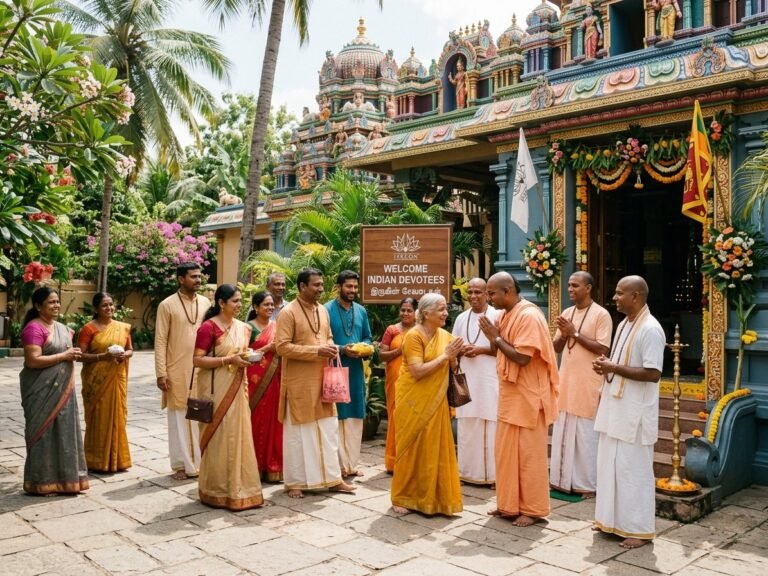
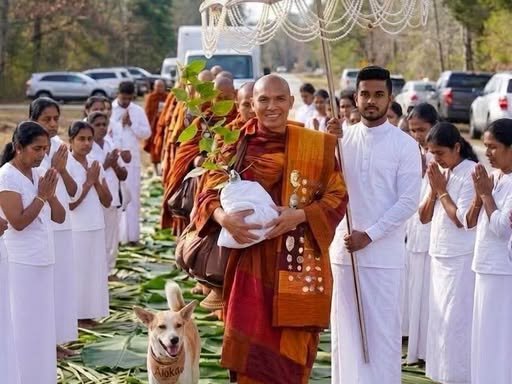
Sri Lanka’s ancient cities, Buddhist heritage, Hindu temples and living religious traditions provide opportunities for culturally sensitive, specialist travel.
Well-researched itineraries could connect historical interpretation, architecture, local communities and appropriate religious experiences.
Ramayana-related travel and visits to recognised spiritual sites may also interest selected international markets, provided historical, religious and cultural claims are presented accurately and respectfully.
7. Community-based wildlife and conservation tourism
National parks are important, but Sri Lanka’s nature-based tourism opportunities extend beyond its most famous safari destinations.
With appropriate ecological assessment and local participation, selected areas could develop guided nature walks, conservation education, photography experiences and community-led excursions.
The objective should not simply be to move tourists into less-visited areas. It should be to ensure that development is environmentally appropriate and economically beneficial to local communities.
What international tourism can teach us: Seven practical lessons
These are established tourism models that Sri Lanka can adapt to its own circumstances.
Case study 1 — Australia: Marine wildlife experiences
Australia demonstrates the appeal of combining marine wildlife encounters with interpretation and visitor education. Sri Lanka can apply similar principles while respecting local regulations and marine conditions.
Case study 2 — Costa Rica: Nature-based tourism
Costa Rica’s international reputation for nature experiences illustrates the value of connecting biodiversity, guided activities and conservation.
Case study 3 — Japan: Culinary tourism
Japan demonstrates how food, regional identity and local traditions can become compelling reasons to visit a destination.
Case study 4 — India: Wellness travel
India’s wellness tourism sector illustrates the potential of structured traditional wellness experiences supported by accommodation and specialist services.
Case study 5 — New Zealand: Responsible nature experiences
New Zealand offers lessons in presenting landscapes and outdoor activities through interpretation, safety and environmental responsibility.
Case study 6 — Italy: Local food and heritage
Italy demonstrates how regional cuisine, historic towns and local craftsmanship can work together as an integrated tourism experience.
Case study 7 — Sri Lanka: Whale watching
Sri Lanka already has an internationally marketable marine wildlife attraction. The opportunity is to strengthen responsible operations, improve storytelling, connect coastal suppliers and package the experience for suitable international markets.
These examples are not identical models, nor do they guarantee commercial success. Each requires adaptation to Sri Lanka’s infrastructure, regulations, seasonality and local communities.
Where International Hospitality Ventures fits in
At International Hospitality Ventures (Private) Limited, our focus is on developing business-to-business tourism partnerships and connecting international travel companies with Sri Lankan tourism experiences.
As a B2B partner, IHV aims to work with overseas tour operators and travel agencies seeking ground-handling support, accommodation arrangements, transport, guided experiences and tailored itineraries.
This approach creates opportunities to bring lesser-promoted experiences into professionally packaged journeys, subject to supplier availability, appropriate operating standards and commercial agreements.
We believe Sri Lanka should be marketed not merely as a destination to visit, but as a country to experience.
My perspective: We need to market experiences, not just places
Sri Lanka does not lack attractions. We need stronger product development, better international distribution, responsible visitor management and more collaboration between tourism businesses.
A whale-watching excursion can become part of a marine discovery journey. A village meal can become a culinary experience. A forest walk can become a specialist nature holiday.
That is the potential of Sri Lanka experiential tourism.
The future belongs to destinations that combine authenticity with professionalism, environmental responsibility and meaningful visitor experiences.
As a Global Tourism & Hospitality Strategist, I believe our ambition should be clear: make Sri Lanka more competitive by helping the world discover more of what our island already has to offer.
Dr. Dharshana Weerakoon, DBA (USA) Global Tourism & Hospitality Strategist | Entrepreneur Chairman – Global Cooperation Private Limited Managing Director – International Hospitality Ventures (Private) Limited
Disclaimer
This article has been authored and published in good faith by Dr. Dharshana Weerakoon, DBA (USA), drawing on publicly available tourism statistics, professional experience and industry analysis. Figures are attributed to official government reporting and the Sri Lanka Tourism Development Authority’s published survey findings. International examples are illustrative and do not imply endorsement or a guarantee of results.
The article is intended for educational, professional and public-awareness purposes. The views expressed are the author’s own and do not constitute legal, financial, medical or investment advice. Proposed tourism initiatives must comply with applicable Sri Lankan laws, licensing requirements, wildlife protection measures, environmental standards, data-protection obligations and ethical practices. No specific commercial outcome is guaranteed.
© Dr. Dharshana Weerakoon, DBA (USA). All rights reserved.
Beyond the Beaches: Is Sri Lanka Promoting Its Full Tourism Potential?
Sri Lanka welcomed approximately 2.36 million tourists in 2025. But are we doing enough to promote the experiences that make our island truly distinctive?
From whale watching and birdwatching to Ayurveda, village cuisine, spiritual journeys and the unexplored potential of the North and East, our tourism industry has opportunities to reach new markets.
The question is not simply how many tourists we attract. It is how effectively we develop experiences that benefit visitors, local communities and the wider economy.
In my latest article, I explore seven opportunities to strengthen Sri Lanka’s international tourism appeal and explain how B2B partnerships can help connect local experiences with global travel markets.
As a Global Tourism & Hospitality Strategist, I believe Sri Lanka’s next opportunity lies in marketing more than destinations. We must market meaningful experiences.
Further Reading: https://www.linkedin.com/newsletters/outside-of-education-7046073343568977920/
Further Reading: https://dharshanaweerakoon.com/colombo-integrated-resorts/