From the Silver Screen to Sacred Journeys: Can India’s Ramayana and Hanuman Film Phenomenon Open a New Chapter for Sri Lanka Tourism?
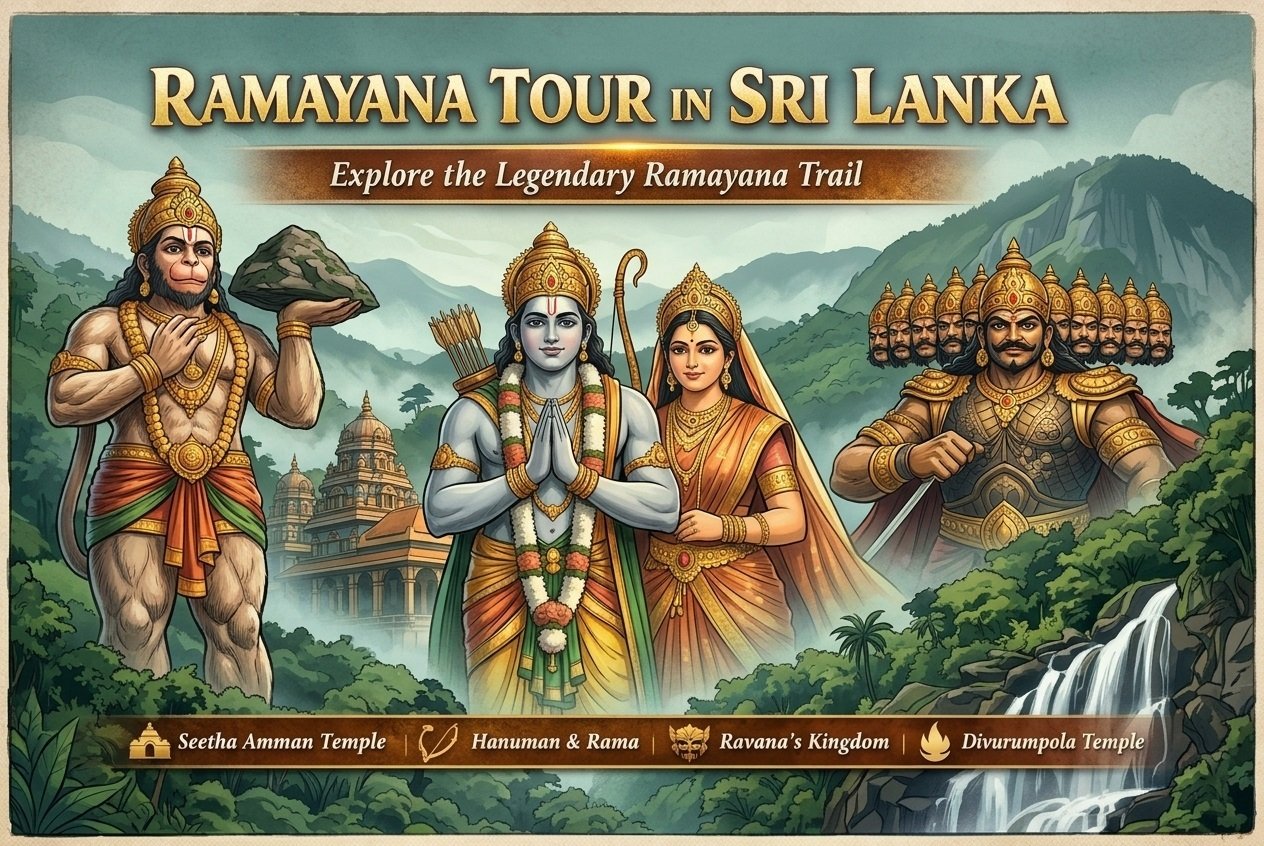
How cinematic storytelling, cultural heritage and India’s growing travel market create an opportunity for Sri Lanka – and how International Hospitality Ventures (IHV) aims to connect the opportunity.
🖊️ By Dr. Dharshana Weerakoon, DBA (USA)
Global Tourism & Hospitality Strategist | Entrepreneur | Chairman – Global Cooperation Private Limited | Managing Director – International Hospitality Ventures (Private) Limited
When cinema creates an opportunity for tourism
Cinema has always had the power to influence how people see the world. However, some stories do considerably more than entertain audiences. They create emotional connections with destinations, cultures, traditions and historical narratives.
India’s renewed cinematic interest in the Ramayana and Hanuman traditions presents an interesting opportunity for Sri Lanka’s tourism industry.
The 2026 release of Ramayana: Part One, featuring Ranbir Kapoor as Lord Rama, Sai Pallavi as Sita, Yash as Ravana and Sunny Deol as Hanuman, has attracted considerable attention across the Indian entertainment market.
Early box-office reporting indicates approximately ₹107.5 crore in Indian net collections during its first five days. These are provisional trade estimates, but they demonstrate the commercial interest surrounding this major cinematic production.
Furthermore, the 2024 Indian film Hanu-Man, featuring Teja Sajja, achieved an estimated worldwide gross of approximately ₹278 crore, according to Box Office India.
These developments highlight something important: mythology-inspired storytelling continues to have a significant place in India’s entertainment market.
For Sri Lanka, the opportunity is not simply about the popularity of a film. It is about connecting cultural curiosity with meaningful travel experiences.
1. Why Sri Lanka should pay attention
India is already Sri Lanka’s most important international tourism source market.
According to 2025 tourism statistics:
- Total international tourist arrivals to Sri Lanka: 2,362,521.
- Indian tourist arrivals: 531,511.
- India’s share of total arrivals: 22.5%.
- Growth in Indian arrivals compared with 2024: approximately 27%.
These figures demonstrate the importance of the Indian market to Sri Lanka’s tourism economy.
However, there is an opportunity to diversify the reasons Indian travellers choose Sri Lanka.
Beyond beaches, shopping, wildlife and conventional holiday packages, cultural and spiritual tourism can provide another compelling reason to visit.
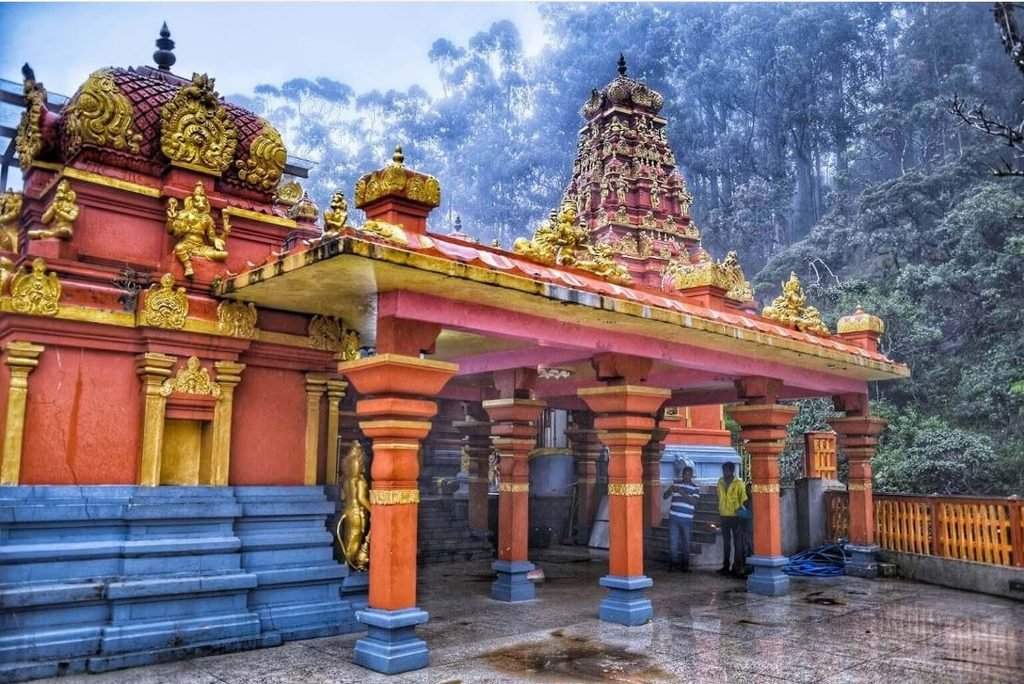
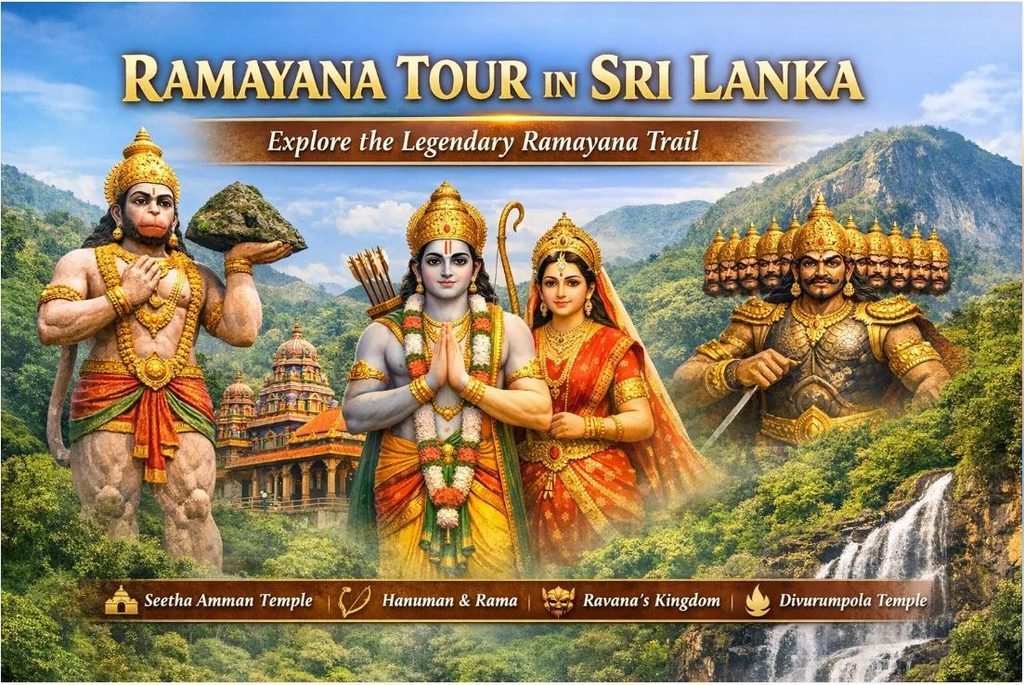
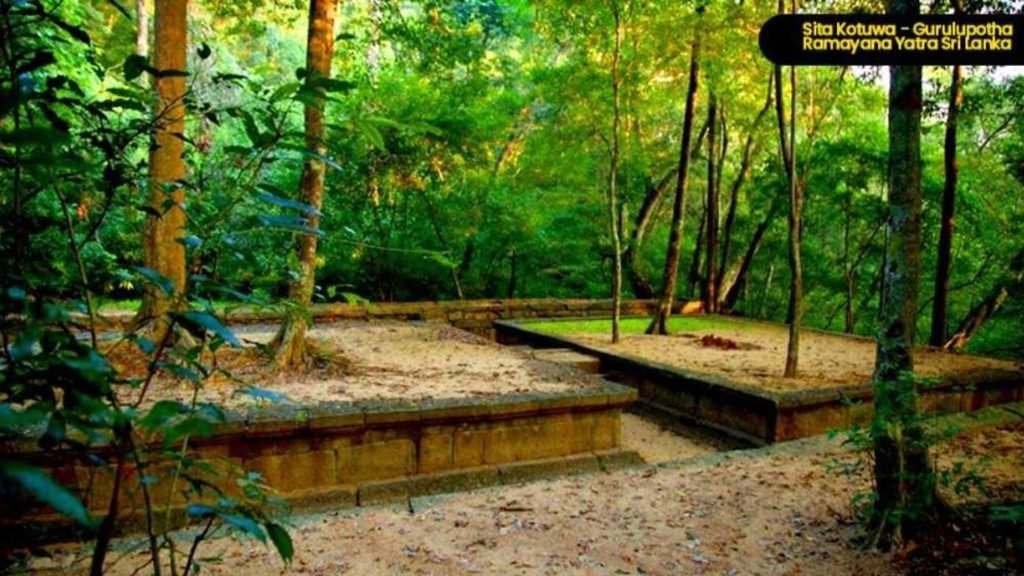
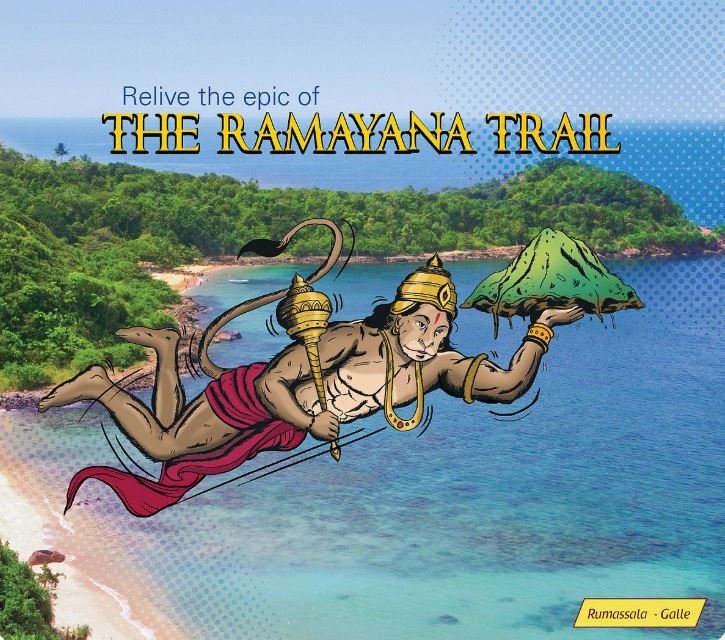
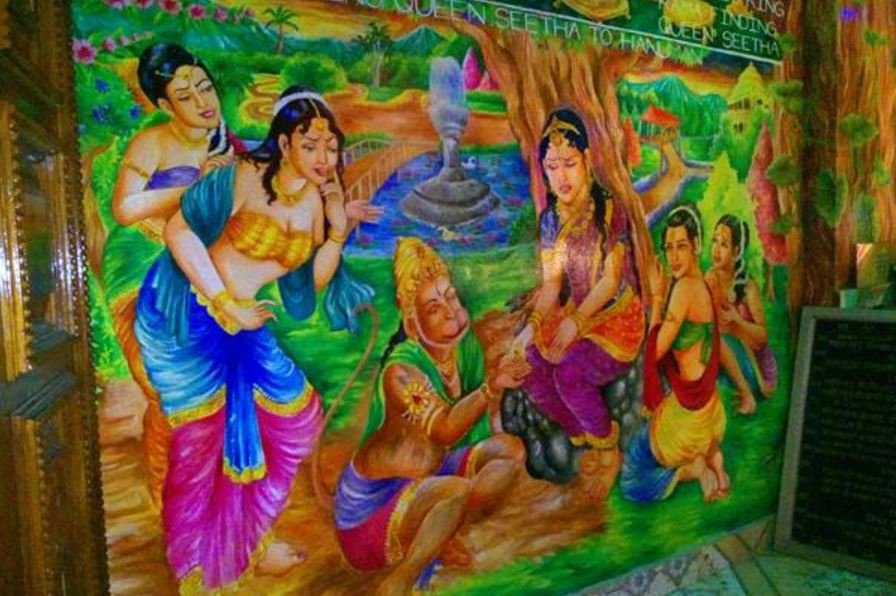
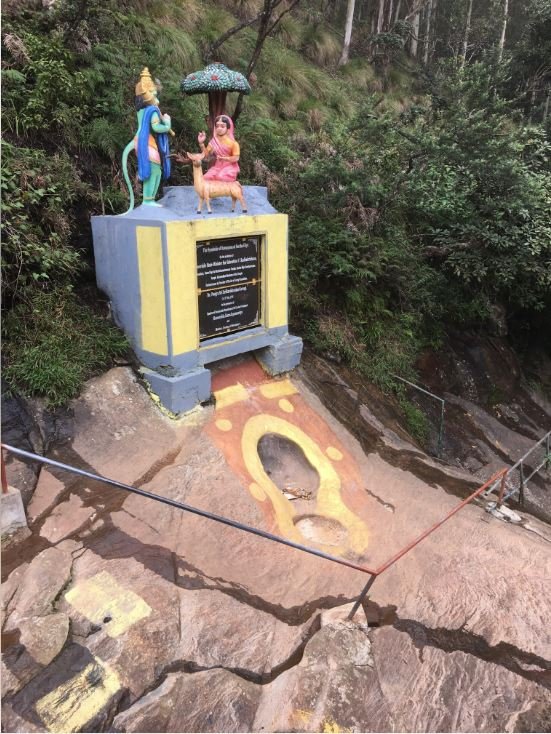
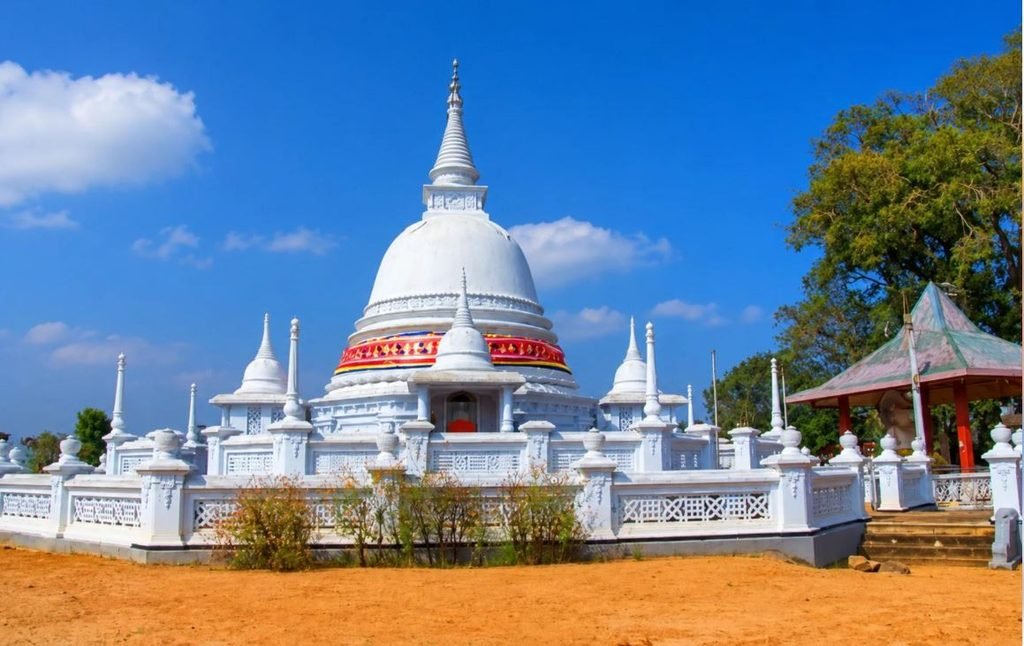
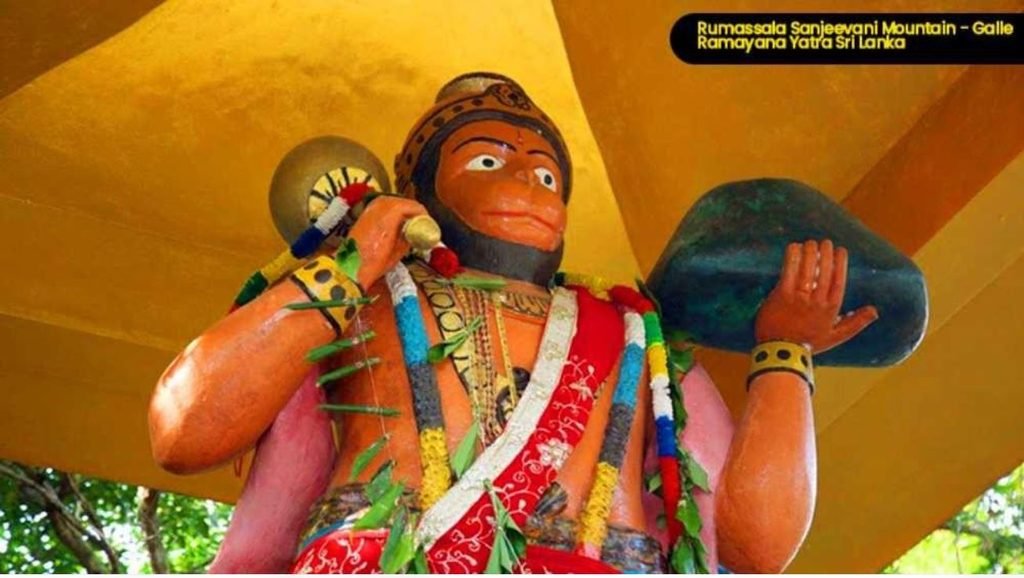
The Ramayana Trail in Sri Lanka offers an opportunity to connect Indian travellers with locations associated with the Ramayana tradition, local heritage, landscapes and cultural experiences.
2. Seven international and regional lessons for tourism strategists
The following examples demonstrate how storytelling, cultural identity, pilgrimage and destination development can influence tourism.
Case Study 1 – Ayodhya, India: The power of cultural and religious heritage
Ayodhya has experienced a substantial increase in visitor numbers following the development of the Ram Mandir and associated tourism infrastructure.
Reported visitor numbers increased from approximately 5.75 crore in 2023 to 16.44 crore in 2024.
This demonstrates the potential of cultural identity, pilgrimage infrastructure and destination development working together.
Lesson for Sri Lanka: Heritage attractions require accessibility, visitor facilities, professional destination management and effective international marketing.
Case Study 2 – Hanu-Man: Mythology meets modern entertainment
The 2024 film Hanu-Man demonstrated that traditional mythological themes can connect with contemporary audiences.
Its reported worldwide box-office performance of approximately ₹278 crore illustrates the commercial reach of this type of storytelling.
Lesson for Sri Lanka: The popularity of Hanuman-related narratives can provide an additional promotional angle for cultural and heritage itineraries.
Case Study 3 – New Zealand: The Lord of the Rings effect
New Zealand has successfully connected its landscapes with international film productions, particularly The Lord of the Rings and The Hobbit.
Government tourism research reported that 12.4% of international visitors in the year ending December 2025 cited the influence of these films when considering a visit to New Zealand.
This illustrates the long-term potential of screen-inspired destination marketing.
Lesson for Sri Lanka: A compelling story can encourage travellers to experience a destination rather than simply watch it.
Case Study 4 – Hobbiton, New Zealand: Turning a film location into a tourism experience
Hobbiton developed into a dedicated visitor attraction following the success of the film productions.
It demonstrates how carefully managed visitor experiences can create employment, support local businesses and extend the commercial value of a film-related destination.
Lesson for Sri Lanka: Cultural tourism locations should offer well-managed experiences, interpretation, hospitality and opportunities for local communities.
Case Study 5 – Sri Lanka: The Ramayana Trail opportunity
Academic research published by the University of Kelaniya in 2017 examined the Ramayana Trail as a cultural tourism product.
The study involved 120 tourists and identified an important marketing challenge: although Indian visitors were comparatively familiar with the Ramayana narrative, awareness of individual Sri Lankan locations associated with the epic was relatively limited.
This distinction remains strategically important.
Sri Lanka does not merely need to promote the name Ramayana Trail. It needs to explain the locations, their cultural associations and the experiences available to visitors.
Lesson for Sri Lanka: Awareness-building and professional travel trade distribution are essential.
Case Study 6 – Sri Lanka’s Indian tourism market: An established commercial foundation
India contributed more than half a million tourist arrivals to Sri Lanka in 2025.
This provides an existing customer market for travel businesses to develop specialised cultural, religious, family and experiential tourism products.
Lesson for Sri Lanka: Developing specialised travel products for an established source market can complement conventional destination marketing.
Case Study 7 – Film-induced tourism: A global destination marketing strategy
International tourism experience demonstrates that successful films and television productions can influence destination awareness.
However, the effect depends on several factors, including audience interest, accessibility, marketing, visitor facilities and the quality of the destination experience.
New Zealand’s screen tourism experience provides an example of how a country can turn international storytelling into a sustained tourism proposition.
Lesson for Sri Lanka: Film popularity can generate attention, but professional tourism development must convert that attention into bookable experiences.
3. Sri Lanka’s opportunity: Beyond the conventional holiday package
The Ramayana Trail in Sri Lanka should be developed as a cultural and experiential tourism product rather than simply another sightseeing excursion.
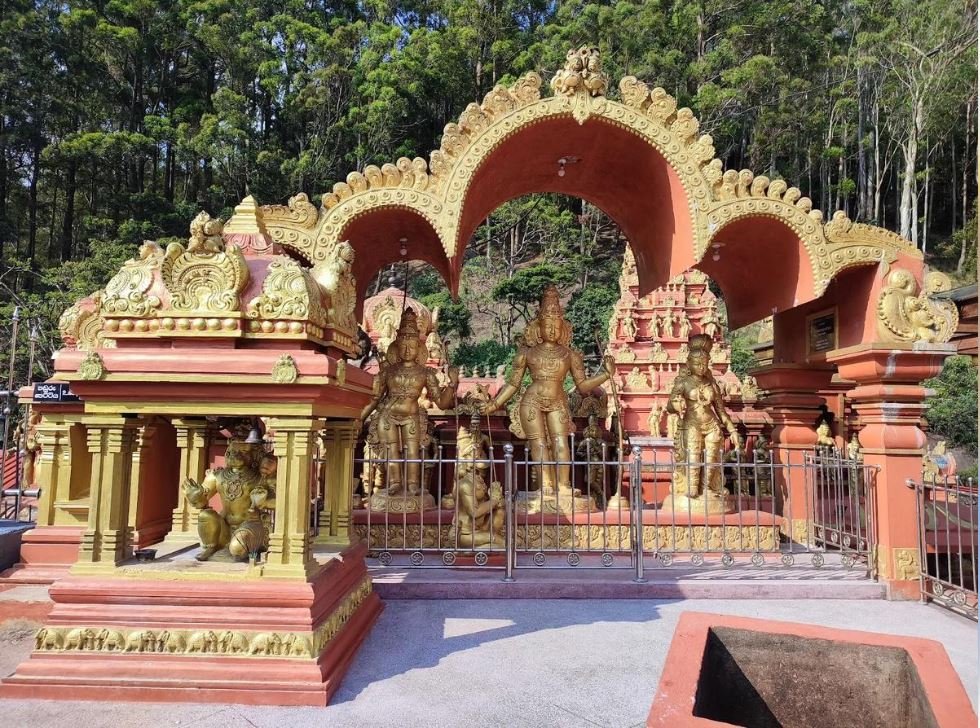
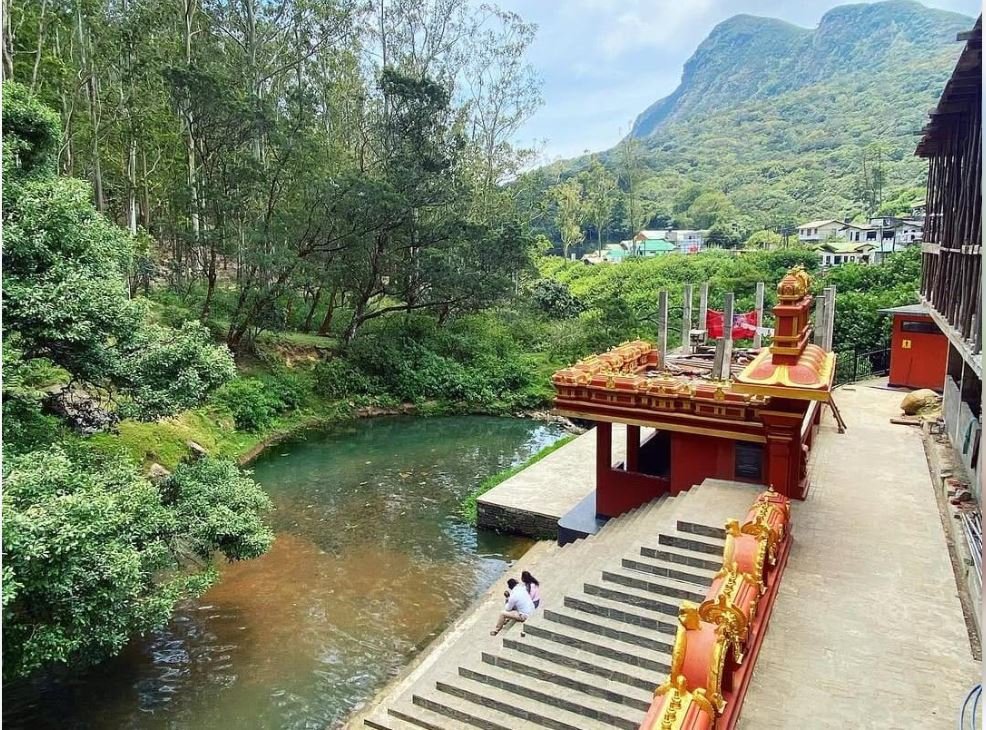
Among the locations commonly associated with Ramayana traditions in Sri Lanka are:
- Seetha Amman Temple.
- Divurumpola.
- Ravana Cave.
- Rumassala.
- Locations associated with the Ravana narrative in the central highlands and other regions.
These locations have different cultural, geographical and traditional associations. Their historical interpretations should be presented respectfully, distinguishing religious tradition and local narratives from independently established historical evidence.
A professionally designed itinerary can combine these experiences with Sri Lanka’s hospitality, scenic landscapes, local cuisine, cultural performances and other attractions.
Consequently, travellers can experience much more than a collection of temples and landmarks.
4. The role of International Hospitality Ventures (IHV)
This is where International Hospitality Ventures (Private) Limited sees an opportunity.
IHV is positioned as a B2B global tourism partnership company, connecting international tour operators, travel agents, destination partners and Sri Lankan tourism suppliers.
Our objective is to facilitate professional tourism partnerships and create opportunities for international travel businesses to introduce distinctive Sri Lankan experiences to their customers.
Through our proposed Ramayana Trail tourism partnerships, IHV aims to support:
- Indian tour operators: Developing Sri Lanka Ramayana Trail packages for their respective customer segments.
- Travel agents and DMCs: Establishing commercial partnerships and destination arrangements.
- Customised itineraries: Creating cultural, spiritual, family and premium travel experiences.
- Hospitality partnerships: Connecting accommodation providers, transport operators, guides and experience providers.
- Group travel: Exploring opportunities for pilgrimage groups, cultural associations and special-interest travellers.
- International distribution: Connecting Sri Lankan tourism suppliers with overseas travel trade networks.
Our approach is partnership-driven and asset-light, with an emphasis on building relationships across the tourism value chain.
5. A bigger opportunity for Sri Lanka
I believe the Ramayana Trail in Sri Lanka should not be viewed exclusively as an Indian tourism product.
It can also be developed as an international cultural tourism experience for the Indian diaspora and travellers from other countries interested in South Asian heritage, mythology and cultural traditions.
Nevertheless, the Indian market should remain an important starting point because of its geographical proximity, established travel connections and cultural familiarity.
Sri Lanka’s tourism stakeholders should consider working together to improve destination information, visitor infrastructure, interpretation, transport connectivity, digital marketing and community participation.
Local communities must also benefit from the economic opportunities created through tourism.
Ultimately, sustainable tourism is not measured only by the number of visitors arriving at a destination. It should also be measured by the economic value retained locally, employment generated, cultural respect demonstrated and environmental responsibility maintained.
6. My perspective as a tourism and hospitality professional
Having worked in the international hospitality industry for more than three decades across multiple countries and having experienced different tourism markets, I have always believed that successful destination development requires more than attractive scenery.
It requires a story, a product, professional distribution and a compelling visitor experience.
Sri Lanka possesses many of these ingredients.
The Ramayana Trail in Sri Lanka provides an opportunity to bring cultural storytelling, destination marketing and international tourism partnerships together.
The current cinematic attention surrounding Ramayana and Hanuman-related productions provides an additional reason for the industry to examine this opportunity.
However, we should not depend on a single film, a temporary social media trend or a short-term promotional campaign.
Instead, we should build a professionally managed tourism product capable of generating interest over many years.
My message to Indian tour operators, travel agents, DMCs and international tourism partners is simple: Sri Lanka offers an opportunity to experience the Ramayana narrative through its cultural traditions, landscapes and hospitality.
At International Hospitality Ventures, we welcome meaningful B2B partnerships to explore and develop this opportunity.
The story has travelled across generations. Perhaps it is time to experience its cultural connections through a journey to Sri Lanka.
Dr. Dharshana Weerakoon, DBA (USA)
Global Tourism & Hospitality Strategist
Entrepreneur
Chairman – Global Cooperation Private Limited
Managing Director – International Hospitality Ventures (Private) Limited
IHV | B2B Global Tourism Partnership Company
© Dr. Dharshana Weerakoon, DBA (USA). All rights reserved.
Disclaimer
This article has been prepared and published in good faith by Dr. Dharshana Weerakoon, DBA (USA), drawing on publicly available tourism statistics, industry reporting, academic research, international destination case studies and the author’s professional experience in tourism and hospitality.
It is intended for educational, professional, journalistic and public-awareness purposes. The box-office figures are indicative industry estimates and may vary between reporting sources. Cultural and religious associations described in this article reflect recognised traditions and destination narratives and should not be interpreted as independent archaeological or historical verification.
References to films, personalities and cultural traditions are for informational and tourism-marketing discussion only. No official endorsement, sponsorship, commercial affiliation or partnership with any film producer, actor, religious institution or rights holder is implied.
The article does not constitute legal, financial or investment advice. Any tourism product development or commercial activity must comply with applicable Sri Lankan laws, tourism licensing requirements, intellectual property protections, consumer protection standards, privacy obligations and relevant ethical and environmental guidelines.
The opinions and strategic observations expressed are the author’s own. All third-party intellectual property remains the property of its respective owners.
Further Reading: https://www.linkedin.com/newsletters/outside-of-education-7046073343568977920/
Further Reading: https://dharshanaweerakoon.com/customer-service-in-sri-lanka/