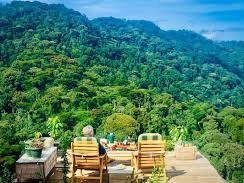
Nature’s Forgotten Plates: The Scientific, Medical, Environmental, and Tourism Power of Banana Leaves, Lotus Leaves, and Arecanut Leaf Plates in Sri Lanka
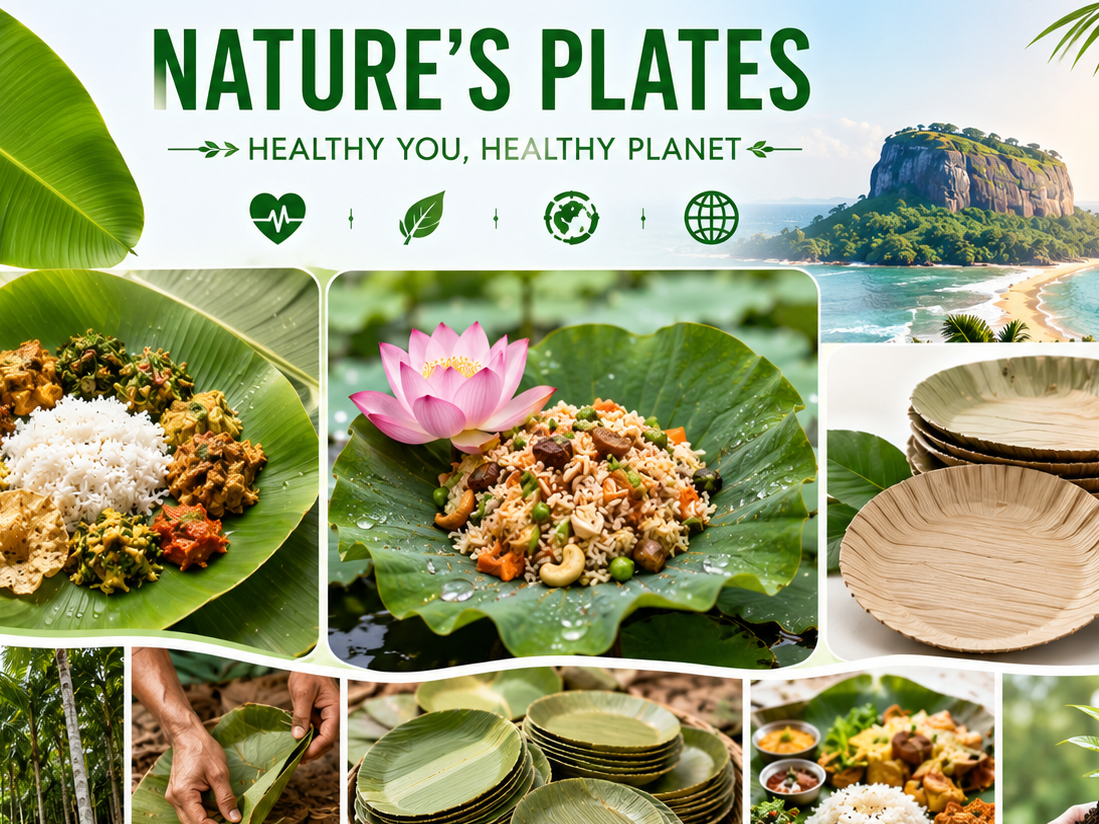
How Traditional Eco-Dining Can Become Sri Lanka’s Next Global Tourism Identity
Sri Lanka Is Sitting on a Global Tourism Goldmine Wrapped in a Leaf
Across Asia, millions of people once ate on natural leaves long before plastics, melamine, styrofoam, or chemically coated packaging invaded human civilization. What was once dismissed as “traditional” is now rapidly becoming a global wellness movement.
Today, the world is desperately searching for sustainability, authenticity, wellness tourism, chemical-free dining, biodegradable hospitality solutions, and cultural experiences with emotional meaning. Ironically, Sri Lanka already possesses all these assets naturally — yet we continue to undervalue them.
Banana leaves, lotus leaves, and arecanut leaf plates (කොළපත) are not merely cultural symbols. They represent a convergence of:
- Medical science
- Environmental sustainability
- Ayurveda
- Eco-tourism
- Circular economy models
- Carbon reduction strategies
- Cultural heritage tourism
- Wellness hospitality
- Rural entrepreneurship
This is no longer a “village tradition.” This is a global tourism and wellness opportunity worth millions of dollars if strategically positioned.
Sri Lanka has spent decades attempting to imitate Western tourism models. However, the next era of global tourism will belong to countries capable of delivering authentic, nature-based, healthy, emotionally memorable experiences.
That is exactly where Sri Lanka has a competitive advantage.
The Science Behind Eating on Leaves
For centuries, Asian civilizations instinctively understood something modern science is only now rediscovering: natural leaves are biologically active dining surfaces.
Unlike plastic or chemically treated disposable plates, natural leaves interact with heat, food compounds, aroma, moisture, and even digestion.
Scientific observations increasingly indicate that certain leaves contain:
- Polyphenols
- Antioxidants
- Antimicrobial compounds
- Natural wax coatings
- Aromatic phytochemicals
- Bioactive plant compounds
When warm food is served on these leaves, some of these compounds may transfer in small quantities into the food, enhancing flavor, digestion, and potentially contributing mild health-supportive properties.
Furthermore, leaves are naturally biodegradable, toxin-free, and free from microplastic contamination — a growing global medical concern.
The global biodegradable tableware market has now crossed billions of dollars annually, driven by rising environmental awareness, anti-plastic regulations, and sustainable hospitality practices.
Sri Lanka can position itself at the center of this movement.
Banana Leaves: More Than a Traditional Serving Method
The Medical and Scientific Benefits
Banana leaves contain natural plant-based polyphenols. These antioxidants are associated with reducing oxidative stress and supporting cellular health.
When hot food is placed on banana leaves:
- Heat activates the leaf’s waxy coating
- Natural aroma compounds are released
- Food absorbs subtle plant-based flavor notes
- The dining experience becomes more sensory and organic
Additionally, banana leaves possess mild antibacterial characteristics that may help reduce surface contamination risks compared to reused synthetic serving surfaces.
From a medical perspective, banana leaf dining also indirectly supports health because it reduces exposure to:
- Microplastics
- Plasticizers
- Styrene compounds
- Chemical coatings found in low-quality disposable containers
Modern studies increasingly warn about the relationship between heated plastics and hormonal disruption, metabolic disorders, and toxin accumulation.
In contrast, banana leaves are:
- Chemical-free
- Naturally disposable
- Biodegradable
- Compostable
- Renewable
Lotus Leaves: The Forgotten Wellness Luxury
Sri Lankan civilization has always revered the lotus flower spiritually and culturally. Yet globally, lotus leaf dining is now emerging as a luxury wellness experience.
Scientific and Functional Benefits
Lotus leaves contain bioactive compounds traditionally associated with:
- Digestive support
- Cooling properties
- Aroma enhancement
- Moisture retention
- Anti-inflammatory potential
In Asian culinary traditions, lotus leaves are often used to wrap rice, herbal dishes, and steamed foods because they preserve aroma and freshness naturally.
The leaf also acts as a semi-natural barrier against excess oil absorption in certain preparations.
The fragrance itself creates a calming sensory experience.
This is critically important because modern wellness tourism is no longer only about accommodation. It is about emotional physiology.
Hotels worldwide now invest heavily in:
- Aromatherapy
- Forest dining
- Organic culinary rituals
- Sensory wellness experiences
- Nature immersion hospitality
Sri Lanka already possesses a naturally embedded version of this through lotus leaf culinary traditions.
Arecanut Leaf Plates (කොළපත): The Billion-Dollar Sustainable Opportunity
Perhaps the most commercially scalable opportunity lies in arecanut leaf plates.
These plates are made from naturally fallen areca palm leaves compressed through heat molding without chemical processing.
This creates:
- Fully biodegradable plates
- Durable natural tableware
- Plastic-free serving solutions
- Export-quality eco products
Scientific and Environmental Advantages
Arecanut leaf plates are:
- Heat resistant
- Chemical-free
- Microwave-safe
- Compostable
- Naturally textured
- Hygienic when processed properly
Unlike paper plates coated with plastic polymers, arecanut plates decompose naturally within weeks.
Globally, eco-conscious consumers increasingly reject:
- Styrofoam
- Plastic cutlery
- Single-use petroleum-based packaging
This shift creates enormous export and tourism branding potential for Sri Lanka.
The Global Anti-Plastic Revolution Creates a Massive Opportunity
More than 170 countries have introduced some form of plastic reduction policies or sustainability frameworks.
Global hospitality brands are aggressively searching for:
- Eco-certified dining materials
- Carbon-neutral hospitality solutions
- Sustainable guest experiences
- Authentic cultural dining concepts
Meanwhile, wellness tourism globally continues to grow rapidly.
Travelers increasingly seek:
- Organic food experiences
- Authentic cultural immersion
- Ayurvedic lifestyles
- Eco-luxury
- Sustainable dining rituals
Sri Lanka already has the raw material ecosystem to dominate this niche.
The tragedy is not lack of opportunity.
The tragedy is lack of strategic vision.
Sri Lanka’s Tourism Industry Is Missing Emotional Authenticity
Many tourism operators still misunderstand what modern travelers truly seek.
Luxury is no longer merely marble floors and imported chandeliers.
Today’s global traveler seeks:
- Meaning
- Storytelling
- Authenticity
- Sustainability
- Human connection
- Nature integration
- Cultural immersion
Serving a traditional Sri Lankan meal on banana or lotus leaves instantly creates:
- Visual uniqueness
- Social media appeal
- Cultural identity
- Emotional memory
- Sustainable branding
In the Instagram and TikTok tourism era, visual dining experiences directly influence destination marketing.
A tourist eating rice and curry on a banana leaf overlooking a Sri Lankan paddy field is no longer just eating lunch.
That becomes content.
That becomes branding.
That becomes free international marketing.
The Numbers Sri Lanka Must Understand
Global wellness tourism spending has surpassed hundreds of billions of dollars annually.
Sustainable tourism continues to grow faster than conventional tourism segments.
Research repeatedly shows that modern travelers are increasingly willing to pay premium prices for:
- Eco-certified experiences
- Organic food
- Sustainable accommodation
- Traditional cultural authenticity
Meanwhile:
- Plastic pollution continues rising globally
- Microplastic contamination has entered human bloodstreams
- Governments are tightening environmental regulations
- Hotels are under pressure to reduce carbon footprints
This creates a perfect strategic alignment for Sri Lanka.
Case Study 1 – South India’s Banana Leaf Dining Economy
In parts of South India, banana leaf meals are not positioned as “poor man’s dining.”
They are marketed as premium cultural authenticity.
Restaurants globally now advertise:
- Traditional banana leaf meals
- Ayurvedic dining
- Heritage feasts
- Organic South Asian cuisine
Tourists actively seek these experiences.
Sri Lanka can easily replicate and localize this model.
Case Study 2 – Thailand’s Eco-Wellness Resorts
Thai eco-resorts successfully combine:
- Herbal cuisine
- Natural presentation
- Forest wellness
- Sustainable serving methods
The result is high-spending wellness travelers willing to pay premium rates.
Sri Lanka possesses even stronger biodiversity and Ayurvedic credibility.
Case Study 3 – Bali’s Nature-Based Dining Experiences
Bali transformed traditional presentation methods into global tourism branding.
Leaf-based food presentation is integrated into:
- Luxury resorts
- Yoga retreats
- Wellness resorts
- Cultural dining packages
The lesson is clear:
Tourism monetizes authenticity.
Case Study 4 – Japan’s Seasonal Presentation Culture
Japan elevated natural food presentation into an art form.
Leaves are used to symbolize:
- Seasons
- Purity
- Freshness
- Emotional atmosphere
This contributes heavily to Japan’s culinary tourism appeal.
Sri Lanka has comparable natural beauty but under-commercializes it.
Case Study 5 – Kerala’s Ayurveda Tourism Model
Kerala successfully linked:
- Traditional food
- Ayurveda
- Wellness tourism
- Eco-dining
Banana leaf dining became part of the wellness narrative itself.
Sri Lanka can integrate:
- Ayurveda
- Herbal cuisine
- village tourism
- leaf-based dining
- eco-retreats
into a unified tourism ecosystem.
Case Study 6 – Vietnam’s Sustainable Street Food Branding
Vietnam modernized traditional food culture while preserving authenticity.
Natural serving methods became part of the tourism attraction.
Tourists remember not only the food but also the cultural presentation.
Sri Lanka has similar potential but lacks coordinated branding.
Case Study 7 – Luxury Eco-Lodges in Costa Rica
Costa Rica successfully built a global tourism identity around:
- biodiversity
- sustainability
- eco-conscious hospitality
Natural dining presentation became part of the environmental narrative.
Sri Lanka possesses equal ecological richness but markets itself far less effectively.
How Sri Lanka Can Commercialize This Strategically
1. Build “Leaf Dining Tourism” as a National Brand
Sri Lanka can globally position itself as:
“The World’s Natural Dining Destination”
This branding alone could differentiate Sri Lanka from competing destinations.
2. Introduce Certified Eco-Dining Hotels
Hotels using:
- banana leaves
- lotus leaves
- arecanut plates
- plastic-free dining systems
could receive sustainability certifications.
This appeals strongly to European and wellness travelers.
3. Create Village Tourism Experiences
Tourists increasingly seek authentic rural experiences.
Village dining packages can include:
- traditional cooking
- leaf preparation
- organic farming visits
- Ayurvedic food education
- cultural storytelling
This directly benefits rural communities.
4. Expand Export Manufacturing
Sri Lanka can massively expand:
- arecanut leaf plate exports
- eco-packaging industries
- sustainable hospitality products
This creates:
- foreign exchange earnings
- rural employment
- women-led entrepreneurship
- SME development
5. Integrate With Ayurveda Tourism
Sri Lanka’s Ayurveda sector can integrate leaf-based dining into wellness programs.
This creates a powerful narrative around:
- detoxification
- natural living
- toxin reduction
- sustainable eating
6. Build International Culinary Festivals
Sri Lanka can host:
- Eco-food festivals
- Natural dining expos
- Sustainable hospitality conferences
- Ayurvedic culinary summits
This creates global media visibility.
The Environmental Impact Could Be Massive
If Sri Lanka systematically reduces plastic dining waste through leaf-based alternatives, the benefits include:
- reduced landfill pressure
- lower marine pollution
- improved biodiversity protection
- reduced tourism waste
- stronger sustainability reputation
Considering Sri Lanka’s dependence on oceans, beaches, and biodiversity, this is not merely cultural preservation.
It is economic protection.
Why This Matters Beyond Tourism
This conversation is not merely about leaves.
It is about civilization choices.
Modern humanity created convenience-based systems that now threaten health, oceans, ecosystems, and future generations.
Traditional Asian practices were often more scientifically aligned with sustainability than modern industrial systems.
Sri Lanka should stop apologizing for its traditions.
Instead, we should intelligently modernize and commercialize them.
That is how nations build distinctive global identities.
The Strategic Warning Sri Lanka Must Understand
If Sri Lanka fails to capitalize on these traditions, other countries will commercialize similar concepts faster.
The world does not reward ownership of tradition.
The world rewards strategic execution.
Sri Lanka possesses:
- biodiversity
- Ayurveda credibility
- hospitality warmth
- agricultural abundance
- cultural depth
- tourism appeal
The question is whether we possess the national intelligence and strategic coordination to convert those assets into sustainable economic value.
Final Thoughts
Banana leaves, lotus leaves, and arecanut leaf plates are not outdated cultural remnants.
They represent:
- science
- sustainability
- wellness
- emotional tourism
- green economics
- rural empowerment
- ecological intelligence
The future global tourism economy will increasingly reward destinations capable of offering meaningful, sustainable, health-conscious experiences.
Sri Lanka already has those foundations naturally.
What we need now is strategic vision, policy support, branding intelligence, and coordinated execution.
If positioned properly, Sri Lanka could become one of the world’s most recognizable eco-dining and wellness tourism destinations within the next decade.
The opportunity is real.
The world is ready.
The question is whether Sri Lanka is ready.
Disclaimer
This article has been authored and published in good faith by Dr. Dharshana Weerakoon, DBA (USA), based on publicly accessible environmental, tourism, wellness, hospitality, agricultural, and sustainability research, together with extensive professional exposure across international tourism, hospitality, strategic business, and global market ecosystems. The article is intended solely for educational, analytical, journalistic, and public awareness purposes to encourage discussion on sustainable tourism innovation, eco-dining systems, traditional knowledge preservation, rural economic empowerment, and environmentally responsible hospitality models in Sri Lanka and beyond.
The views expressed are entirely personal, professional, and analytical in nature and do not constitute medical, scientific, legal, financial, investment, or governmental policy advice. Any references to potential health, wellness, or environmental benefits are based on traditional practices, emerging scientific observations, sustainability literature, and broader industry discourse and should not be interpreted as definitive medical claims or certified therapeutic endorsements.
The author accepts no responsibility for any misinterpretation, commercial misuse, unauthorized adaptation, or policy application of the content. This publication is intended to comply fully with applicable Sri Lankan laws, environmental regulations, intellectual property protections, ethical publishing principles, cultural dignity standards, and responsible public communication frameworks.
✍️ Authored independently through professional expertise, strategic analysis, industry observation, and original thought leadership.
Further Reading: https://www.linkedin.com/newsletters/outside-of-education-7046073343568977920/
Further Reading: https://dharshanaweerakoon.com/are-we-a-nation-of-steps/