The Living Luxury Imperative: Why Sri Lanka’s Vanishing Master Craftsmen Are Worth More Than Any Hotel Certification
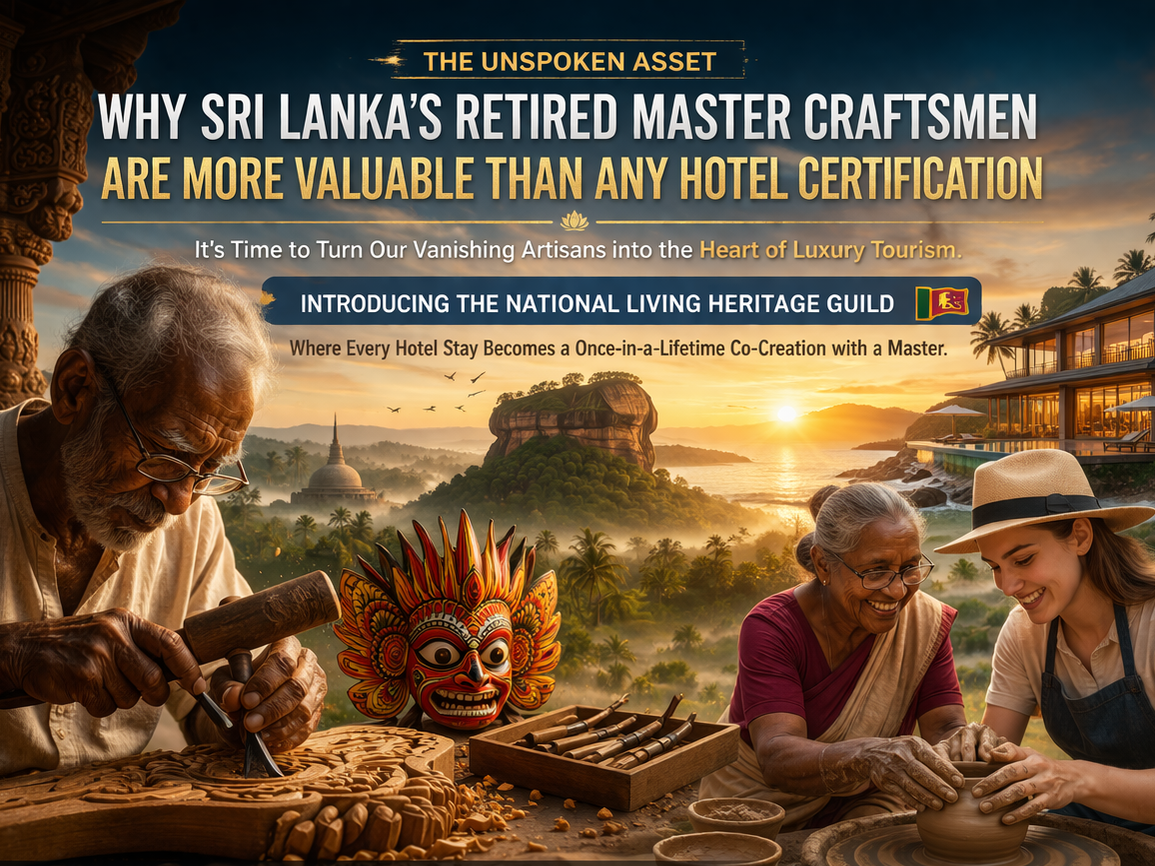
Introduction: The Silent Erosion of a Nation’s True Wealth
Sri Lanka’s tourism industry, despite its resilience, continues to measure success through conventional metrics—room inventory, star classifications, occupancy rates, and international certifications. Yet, beneath this polished exterior, an irreplaceable asset is quietly fading: the nation’s living human heritage.
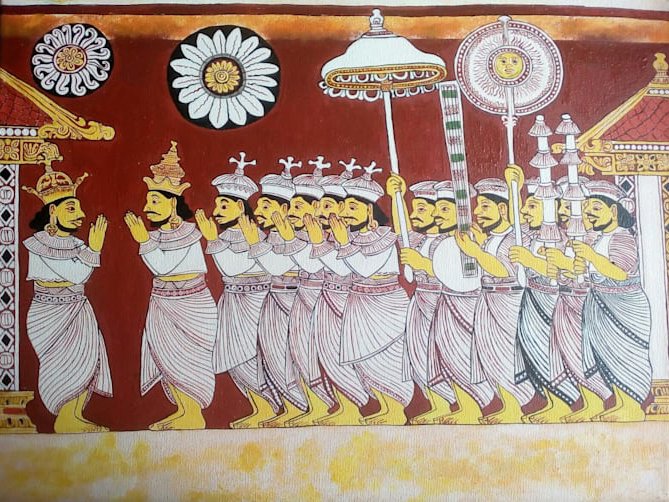
Across the island—from Ambalangoda to Kandy, from the southern coastal belt to the ancient cities—there exists a generation of master craftsmen: woodcarvers, mask makers, stone masons, lacquer artisans, and traditional builders. These individuals are not merely skilled workers. They are living archives, custodians of techniques refined over centuries, passed through oral traditions rather than written manuals.
However, time is not on our side.
The average age of traditional craftsmen in Sri Lanka today is estimated to be above 55 years. Meanwhile, youth participation in these crafts has dropped significantly—by some estimates, over 60% in the past two decades. This is not just a cultural concern; it is an economic and strategic failure.
Therefore, the question must be asked:
What is luxury tourism, if it is detached from authenticity?
Reframing Luxury: From Infrastructure to Intangible Value
Globally, the definition of luxury has shifted. Modern travelers—especially high-value segments—are no longer satisfied with marble lobbies and infinity pools. Instead, they seek meaningful engagement, authenticity, and story-driven experiences.
According to global tourism insights:
- Over 72% of luxury travelers prioritize cultural immersion over material comfort.
- Approximately 65% are willing to pay a premium for authentic, local experiences.
- Experiential tourism is growing at twice the rate of traditional leisure travel.
Sri Lanka, with its deep-rooted cultural fabric, is uniquely positioned to lead this transformation. Yet, ironically, we are underutilizing our most powerful differentiator—our people.
The Concept: A National Living Heritage Guild
To address this systemic gap, I propose the establishment of a National Living Heritage Guild (NLHG)—a structured, state-supported yet privately integrated platform that embeds master craftsmen into the luxury tourism ecosystem.
Core Philosophy
Luxury is no longer defined by what you own, but by what you experience and co-create.
Key Features of the Guild
- Certification of Master Craftsmen as “Living Heritage Masters”
- Integration into Hotels & Resorts as resident artisans
- Interactive Guest Engagements (workshops, storytelling, co-creation)
- Structured Knowledge Transfer Programs for apprentices
- Revenue-Sharing Models ensuring fair compensation
This is not charity. This is strategic repositioning.
Why This Matters: Data-Driven Reality
Let us examine the numbers:
- Sri Lanka welcomed approximately 1.5 million tourists in recent recovery cycles, with an average spending of USD 170–200 per day.
- High-end travelers contribute disproportionately, often accounting for 30–40% of total tourism revenue.
- Meanwhile, traditional craft exports contribute less than 2% to national export revenue, despite their cultural significance.
This imbalance reveals a critical insight:
We have not yet monetized authenticity effectively.
Case Studies: Global Lessons in Cultural Integration
1. Japan – Living National Treasures System
Japan formally recognizes master artisans as Living National Treasures, providing financial support and national prestige. This has preserved centuries-old crafts while integrating them into tourism and education.
2. Italy – Tuscan Artisan Revival
In Tuscany, heritage workshops are embedded within boutique hotels, allowing guests to participate in leather crafting, pottery, and restoration. This model has increased local artisan income by over 40% in certain regions.
3. Morocco – Artisan Riads
Traditional riads employ local craftsmen not only for restoration but also as part of the guest experience. Visitors engage directly with zellige tile makers and woodcarvers.
4. India – Raghurajpur Heritage Village
This village transformed into a living museum, where every household practices an art form. Tourism revenue increased by 300% within a decade, while preserving cultural integrity.
5. Bali – Cultural Immersion Resorts
Luxury resorts in Bali integrate dance, sculpture, and temple architecture into guest experiences, creating a seamless blend of hospitality and heritage.
6. Peru – Andean Textile Communities
Tourism programs connect travelers with indigenous weavers, ensuring both cultural preservation and direct income streams.
7. Bhutan – High-Value, Low-Impact Model
Bhutan’s tourism strategy emphasizes cultural preservation, with artisans playing a central role in the visitor experience.
Sri Lanka’s Competitive Advantage: Untapped Authenticity
Sri Lanka possesses all the ingredients required to replicate—and even surpass—these models:
- Mask-making traditions in Ambalangoda
- Wood carving in Kandy and Galle
- Traditional masonry seen in ancient irrigation systems
- Temple architecture techniques unmatched globally
Yet, these are fragmented, informal, and largely disconnected from mainstream tourism.
Implementation Framework: From Vision to Execution
Phase 1: Identification & Certification
- Conduct a national audit of master craftsmen
- Establish a transparent selection and recognition system
Phase 2: Institutional Integration
- Partner with luxury hotels, boutique villas, and eco-resorts
- Introduce “Craft Residencies” within properties
Phase 3: Experience Design
- Develop structured guest experiences:
- Half-day workshops
- Cultural storytelling sessions
- Collaborative creation projects
Phase 4: Economic Model
- Revenue-sharing agreements
- Direct artisan compensation
- Premium pricing for immersive experiences
Phase 5: Knowledge Transfer
- Apprenticeship programs
- Collaboration with universities and vocational institutes
Economic Impact: A New Revenue Stream
If even 10% of Sri Lanka’s high-end tourists engage in paid craft experiences averaging USD 100 per session:
- Annual revenue potential exceeds USD 15–20 million
- Direct income flows to rural communities
- Reduction in urban migration pressures
Moreover, this creates:
- Employment opportunities
- Export-quality product development
- Strengthened national branding
Ethical and Cultural Considerations
While commercialization is necessary, it must be approached with sensitivity:
- Respect for Artisan Dignity
- Protection of Intellectual Property
- Avoidance of Cultural Exploitation
- Fair Compensation Models
This is not about turning culture into a commodity.
It is about ensuring culture survives through relevance.
The Strategic Shift: From Consumption to Co-Creation
The future of tourism lies in participation.
Guests no longer want to observe—they want to belong, even if briefly. When a traveler carves a piece of wood under the guidance of a master craftsman, the experience becomes deeply personal, emotional, and unforgettable.
This is the essence of co-creation.
Challenges and Risk Mitigation
Challenges
- Resistance from traditional hotel operators
- Lack of structured policy frameworks
- Generational gaps in craftsmanship
Solutions
- Policy incentives for participating hotels
- Public-private partnerships
- Digital documentation and archiving of techniques
Conclusion: Time Is the Real Scarcity
Infrastructure can be built in months.
Certifications can be acquired in weeks.
But a master craftsman takes decades to emerge.
Sri Lanka stands at a crossroads. We can continue to compete in a saturated global market based on price and facilities—or we can lead with authenticity, depth, and cultural intelligence.
The choice is strategic.
The urgency is real.
If we lose our craftsmen, we lose more than skills—we lose identity.
Disclaimer
This article has been authored and published in good faith by Dr. Dharshana Weerakoon, DBA (USA), drawing upon publicly available national and international tourism data, cultural preservation frameworks, and extensive professional experience across global hospitality and tourism sectors.
It is intended solely for educational, analytical, and public discourse purposes, with the objective of advancing sustainable and culturally integrated tourism models in Sri Lanka.
All views expressed are personal, independent, and grounded in professional expertise. They do not constitute legal, financial, or investment advice.
The concepts presented herein are designed to align with Sri Lankan legal and ethical standards, including intellectual property protections relating to traditional knowledge, non-discrimination principles, and responsible cultural representation.
The author assumes no responsibility for any misinterpretation, adaptation, or external application of the ideas discussed.
Further Reading: https://www.linkedin.com/newsletters/outside-of-education-7046073343568977920/
Further Reading: https://dharshanaweerakoon.com/from-farm-to-doorstep/