Sustainability as the New Luxury: How Sri Lanka’s Wellness Tourism Can Lead the World
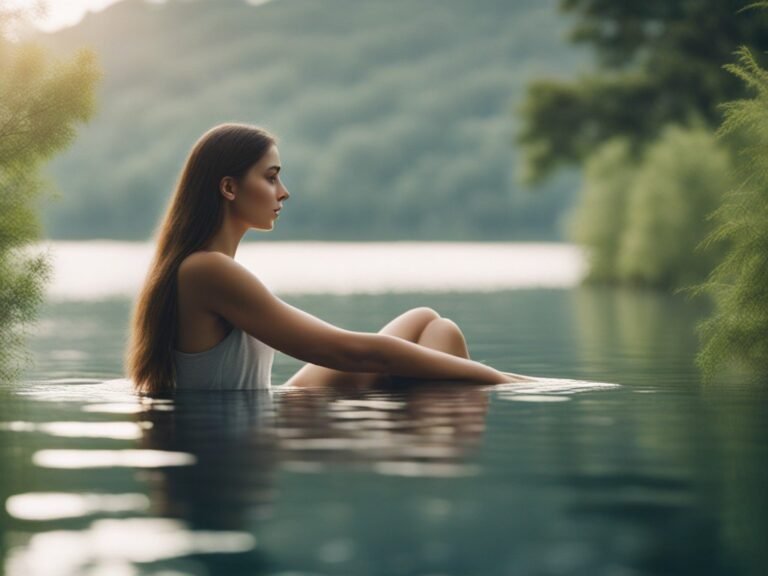
In a world where the discerning luxury traveller no longer equates indulgence solely with material opulence but increasingly with purpose, authenticity, and ecological integrity, the phrase “sustainability as the new luxury” resonates more strongly than ever. Nowhere is this more relevant than for our island home, Sri Lanka. With its rich heritage of Ayurveda, meditation, biodiversity, and culture, Sri Lanka is uniquely positioned to lead the global wellness tourism movement. In this article, I explore how eco-conscious travellers are redefining luxury, how Sri Lanka’s spas, retreats, and resorts can leverage this transformation, and why our nation can attract high-value visitors seeking nature-based, wellness-centric, sustainable experiences that redefine what true luxury means.
1. The Changing Landscape: Luxury, Wellness, and Sustainability
The concept of luxury is undergoing a profound evolution. A decade ago, luxury might have meant marble lobbies, private chauffeurs, and imported amenities. Today’s affluent travellers, especially post-pandemic, increasingly seek meaning, authenticity, health, well-being, regeneration, ecosystem integrity, and a sense of purpose in their journeys.
At the same time, wellness tourism has become one of the fastest-growing segments of the global travel industry. The global wellness tourism market is projected to exceed USD 2.1 trillion by 2030. The wellness tourism segment alone was previously valued at over USD 1 trillion and continues to grow rapidly every year. Within Sri Lanka, the wellness tourism concept remains comparatively young yet filled with potential. Our association with Ayurveda, meditation, mindfulness, and spirituality gives us a strong competitive advantage. The world is searching for healing and renewal, and Sri Lanka already possesses the heritage, environment, and hospitality culture needed to deliver this authentically.
Eco-conscious luxury travellers today look for immersive nature-based experiences, programs for body and mind such as yoga, Ayurveda, and meditation, and meaningful connections with local communities. They value sustainable operational practices such as waste reduction, energy efficiency, and local sourcing. Above all, they expect personalisation, exclusivity, and sincerity. These characteristics now define modern luxury. Sri Lanka, if strategically aligned, can become one of the world’s leading examples of how sustainability and luxury coexist harmoniously.
2. Why Sri Lanka Has the Advantage – And What Must Be Done
2.1 Sri Lanka’s Unique Assets
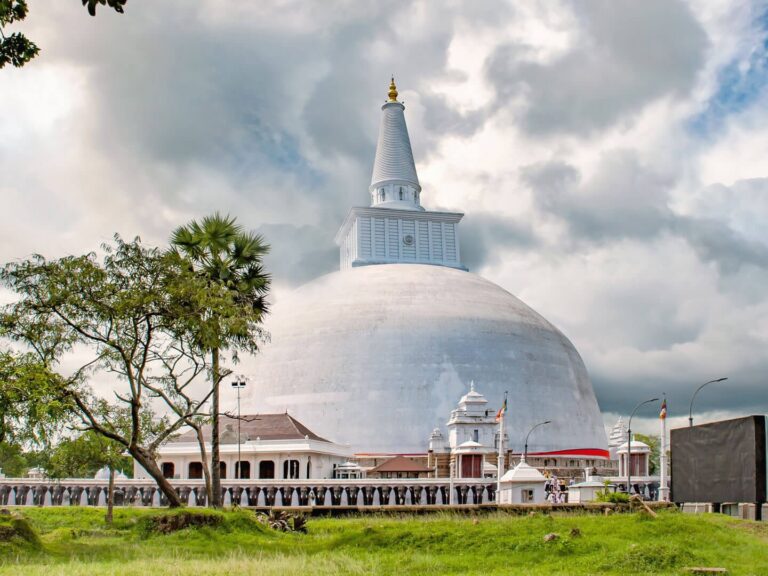
Sri Lanka possesses a unique collection of natural, cultural, and historical resources that make it a natural candidate for global wellness tourism leadership. The island’s centuries-old tradition of Ayurveda and Buddhist meditation provides a foundation of authenticity unmatched in most destinations. Our diverse biodiversity, ranging from rainforests and tea estates to coastal lagoons and mountains, creates ideal environments for wellness retreats deeply connected with nature.
The nation’s tourism recovery is also encouraging. Sri Lanka welcomed more than two million international tourists in 2024, generating over three billion dollars in revenue. The average length of stay was over eight nights, with an average expenditure of around USD 181 per day per visitor. This indicates that travellers are once again exploring Sri Lanka not just for sightseeing but for meaningful, extended experiences that connect body, mind, and nature.
Sri Lanka has significant strengths in promoting meditation, wellness, and healing tourism, as indicated by national tourism assessments and independent research. Yet, to fully leverage this, we must invest in infrastructure, human capital, marketing, and regulatory systems that prioritise sustainability and wellness excellence.
2.2 What Needs to Be Addressed
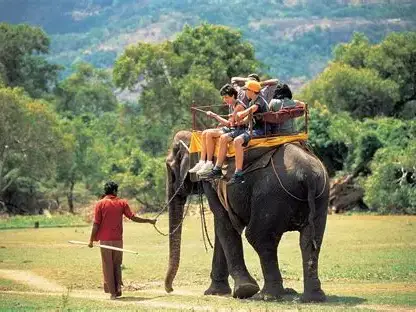
Currently, the proportion of tourists visiting Sri Lanka specifically for wellness remains small compared to potential. Many establishments still lack the eco-luxury credentials or sustainable operational systems expected by high-value wellness travellers. The country’s branding remains largely focused on beaches, heritage, and wildlife, while wellness needs to become a core pillar of the national tourism identity.
There is also a need to strengthen intellectual property protection for indigenous medical knowledge, improve labour practices in the hospitality sector, and enhance community engagement. Investments in personalised lifestyle wellness programs, long-stay retreats, and storytelling that communicates authenticity will be crucial to transform Sri Lanka’s image from a general tourist destination to a world-class sustainable wellness hub.
3. How Sustainability Becomes Luxury — A Framework for Sri Lanka’s Wellness Tourism
To elevate “sustainability as the new luxury,” Sri Lankan spas, resorts, and destination managers can apply the following framework:
- Authentic Nature-Based Immersion
Retreats should be developed in serene natural landscapes such as forests, riversides, tea hills, or wetlands. The focus should be on quiet, contemplative experiences that reconnect travellers with nature. Biodiversity should become part of the therapy — forest bathing, bird sound meditation, or river bathing. - Heritage Wellness & Holistic Programs
Ayurveda, yoga, and meditation should be combined into integrated wellness journeys. Personalised wellness assessments, detox plans, and mindfulness programs will differentiate Sri Lanka’s offering from generic spa tourism. Authenticity is essential, with qualified Ayurvedic practitioners and locally sourced ingredients. - Sustainable Operational Excellence
Operations should embrace renewable energy, waste reduction, water conservation, and circular economy practices. Local community participation in supply chains should be prioritised, ensuring that economic benefits are shared. Transparency and eco-certification enhance credibility among premium travellers. - Luxury Personalisation & Exclusivity
Rather than mass-market packages, Sri Lanka should promote small-scale, exclusive retreats with high staff-to-guest ratios, private villas, and nature lodges. Guests should experience tailored wellness programs and individual care that reflect their physical and emotional needs. - Brand & Market Positioning
Sri Lanka’s global brand must evolve from “beach and heritage” to “sustainable luxury wellness.” This requires storytelling, influencer collaborations, and consistent messaging that highlights sustainability, culture, and authenticity. - Monitoring, Ethics & Governance
Metrics such as local employment, carbon reduction, and community benefit sharing should be monitored transparently. Legal protection for indigenous knowledge, fair labour, and equality must align with the Intellectual Property Act and ICCPR principles.
4. Case Studies – Sri Lanka Leading by Example
Case Study 1: Santani Wellness Resort & Spa – Kandy
Santani Wellness Resort is Sri Lanka’s first purpose-built luxury wellness resort, designed entirely on eco-principles. Set in the lush hills near Kandy, it integrates Ayurvedic therapy, yoga, meditation, and holistic nutrition within minimalist architecture that merges seamlessly into nature. The resort demonstrates how wellness, luxury, and sustainability can coexist to attract elite global travellers seeking peace, healing, and renewal.
Case Study 2: Jetwing Vil Uyana – Sigiriya
Jetwing Vil Uyana, built on a rehabilitated paddy field turned wetland, exemplifies how ecological restoration can become the foundation for luxury. The resort’s architecture and operations are environmentally conscious, featuring natural materials, energy efficiency, and a wetland ecosystem that supports biodiversity. It shows that ecological stewardship can elevate luxury tourism into a meaningful, high-value experience.
Case Study 3: Wild Glamping – Gal Oya
Wild Glamping in Gal Oya showcases low-impact luxury accommodation designed for minimal environmental footprint. Tents and structures blend into the surrounding wilderness, offering guests an immersive nature experience with zero artificial excess. The resort integrates local community support and nature conservation into its daily operation, providing a true model for eco-luxury tourism.
Case Study 4: Community-Based Ayurveda Retreats – Southern Sri Lanka
Across the southern coastal belt and rural hinterlands, locally owned Ayurveda retreats have begun offering authentic wellness experiences rooted in indigenous knowledge. These small-scale establishments employ village practitioners, use homegrown herbs, and promote sustainable economic empowerment. They embody inclusivity, authenticity, and community well-being — the true essence of sustainable luxury.
Case Study 5: Heritance Kandalama – Dambulla
Heritance Kandalama stands as one of Asia’s most iconic eco-hotels. Designed by the late architect Geoffrey Bawa, the property integrates seamlessly with its natural surroundings. Its environmental initiatives, such as using recycled materials, waste management innovations, and forest preservation, illustrate that sustainability enhances rather than diminishes luxury.
Case Study 6: Urban Wellness Hubs – Colombo
Urban boutique wellness centers in Colombo have introduced integrative wellness services for business travellers and residents. They focus on detox programs, meditation, and therapeutic treatments that offer balance amidst city life. These hubs play an important role in bridging urban wellness with nature-based retreats, positioning Sri Lanka as a comprehensive wellness destination.
5. Strategic Recommendations for Sri Lanka’s Wellness Tourism
5.1 For Government and Destination Authorities
Sri Lanka’s tourism authorities should elevate wellness tourism as a national brand pillar. Incentives must be created for eco-certification, renewable energy use, and local sourcing. A national “wellness tourism cluster” should be established to regulate spa standards, Ayurvedic safety protocols, and intellectual property rights. Tourism data should categorise wellness travellers separately to enable evidence-based policy making. Investment in off-season destinations can also help balance tourist flow and reduce environmental stress.
5.2 For Hotels, Resorts, and Retreat Operators
Operators should embrace wellness as a core differentiator by integrating sustainability into the guest experience. Local sourcing, eco-architecture, and community partnerships can strengthen brand authenticity. Personalised services such as wellness assessments and post-retreat follow-ups will enhance reputation. Partnerships with organic farms, yoga institutes, and conservation bodies will create holistic guest experiences.
5.3 For Investors and Entrepreneurs
Entrepreneurs should focus on long-stay wellness retreats, digital detox getaways, and wellness experiences targeting professionals, women, and families. Luxury should be marketed as ethical, regenerative, and purposeful. By maintaining sustainability at the heart of operations, investors will not only ensure higher revenue but also long-term brand value and international recognition.
5.4 For Academia and Training Institutions
Training institutions must develop programs in sustainable hospitality, wellness management, and Ayurvedic business leadership. Research collaborations can close data gaps, explore traveller motivations, and establish performance benchmarks. Interdisciplinary education that blends ecology, hospitality, and wellness will prepare the next generation of professionals to manage Sri Lanka’s sustainable luxury tourism future.
6. Why Now? Timing, Trends, and Global Context
The global wellness tourism market continues to expand at nearly ten percent annually, projected to surpass USD 2 trillion by 2032. Post-pandemic travellers are increasingly motivated by health, emotional well-being, and purposeful travel. Sri Lanka, now regaining its global tourism momentum, must capture this shift before regional competitors dominate.
Thailand, Bali, and India have made wellness tourism a major economic driver. Sri Lanka’s advantage lies in its scale, authenticity, affordability, and heritage depth. High-value wellness travellers typically spend 35 to 40 percent more per day and stay longer. By attracting this segment, Sri Lanka can increase its foreign exchange earnings while maintaining environmental integrity.
7. Challenges and Mitigation
Despite the immense potential, certain challenges must be acknowledged and managed carefully. Seasonality remains a constraint; developing wellness destinations in off-peak regions can ensure year-round income. Skill shortages in wellness and spa operations require training and certification programs. Over-commercialisation risks diluting authenticity; therefore, quality and ethical standards are vital.
Infrastructure issues such as waste management, water supply, and renewable energy must be addressed systematically. The absence of dedicated data on wellness travellers limits strategic planning, necessitating collaboration between the Sri Lanka Tourism Development Authority, private sector, and academia. Protection of indigenous medical knowledge and fair community participation must be legally and ethically safeguarded.
8. Vision for 2030 – Sri Lanka Leading the World
By 2030, Sri Lanka has the potential to emerge as a globally recognised sustainable wellness luxury destination. Imagine high-net-worth travellers arriving for personalised Ayurvedic programs, yoga in the forest, and silent meditation retreats by rivers — all conducted in eco-conscious resorts with local community partnerships.
Capturing even one percent of the global wellness tourism market would generate approximately twenty billion dollars annually — transforming not only Sri Lanka’s tourism economy but also rural livelihoods, skill development, and environmental conservation.
Such a vision will require unified effort: government leadership, private investment, academic innovation, and community participation. It will position Sri Lanka not as a follower, but as a pioneer of sustainable luxury wellness.
9. Key Phrase Emphasis
The phrase Sri Lanka wellness tourism represents the heart of this article’s message. Repeated strategically, it reinforces our destination identity and improves search visibility, helping the article reach global audiences researching sustainable wellness travel in Sri Lanka.
10. Conclusion
“Sustainability as the new luxury” is not merely a trend but a redefinition of how the modern world perceives indulgence and fulfilment. For Sri Lanka, this is not just an opportunity but a responsibility. Our history, ecology, spirituality, and hospitality offer the perfect foundation for a regenerative tourism model that enriches both visitors and local communities.
By aligning sustainability, wellness, and luxury, Sri Lanka can rise as a model for the world — a place where travellers do not simply visit but heal, reflect, and reconnect. The global traveller of tomorrow will seek destinations that offer depth, authenticity, and renewal. Let that destination be Sri Lanka.
When travellers in New York, London, Paris, or Dubai think of their next rejuvenating escape, they should envision Sri Lanka — an island of wellness, sustainability, and true luxury.
Disclaimer:
This article has been authored and published in good faith by Dr. Dharshana Weerakoon, DBA (USA), based on publicly available data from national and international sources such as the Sri Lanka Tourism Development Authority, the Central Bank of Sri Lanka, global tourism and conservation bodies, and decades of professional experience across multiple continents. It is intended solely for educational, journalistic, and public awareness purposes to stimulate discussion on sustainable tourism models. The author accepts no responsibility for any misinterpretation, adaptation, or misuse of the content. The views expressed are entirely personal and analytical and do not constitute legal, financial, or investment advice. This article and the proposed model are designed to comply fully with Sri Lankan law, including the Intellectual Property Act No. 52 of 1979 (regarding artisan rights and design ownership), the ICCPR Act No. 56 of 2007 (ensuring non-discrimination and dignity), and relevant data privacy and ethical standards.
Authored independently and organically through lived professional expertise — not AI-generated.
Further Reading: https://dharshanaweerakoon.com/wellness-village/
Additional Reading: https://www.linkedin.com/newsletters/7046073343568977920/