The Hospitality Metaverse: Reimagining Sri Lanka’s Heritage Through Digital Twins for Sustainable Tourism, Conservation, and Global Engagement
Introduction: Why Sri Lanka’s Heritage Must Enter the Metaverse—Carefully and Consciously
Sri Lanka stands at a defining crossroads in its tourism evolution. As a nation blessed with over 2,500 years of recorded civilization, eight UNESCO World Heritage Sites, and hundreds of living cultural landscapes, our challenge today is no longer simply attracting visitors—but managing attention, footfall, conservation pressure, and generational relevance.
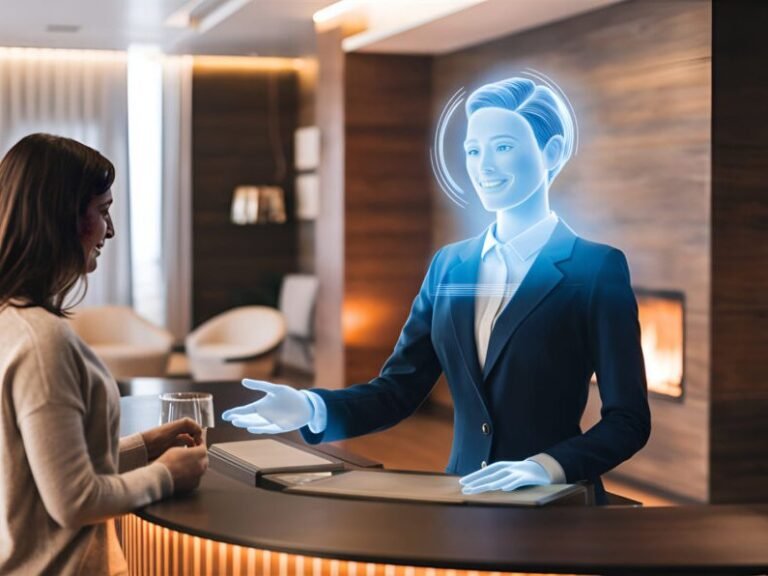
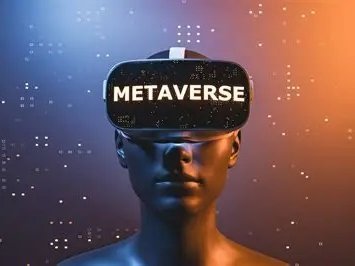
Globally, tourism is undergoing a digital reconfiguration. The emergence of the Hospitality Metaverse, powered by digital twins, immersive reality, and virtual presence technologies, is redefining how travelers discover, experience, and emotionally connect with destinations—long before they arrive physically.
For Sri Lanka, this presents an extraordinary opportunity:
to protect fragile heritage while amplifying its global reach—without commodifying its soul.
This article explores how digital twins of Sri Lankan heritage sites can be ethically and strategically deployed for:
• Pre-visit immersion and decision-making
• Conservation planning and risk mitigation
• Virtual attendance for inaccessible or sacred spaces
• Revenue diversification without over-tourism
• Cultural continuity for future generations
This is not science fiction. It is already happening globally—and Sri Lanka must shape its own version, grounded in Buddhist philosophy, indigenous wisdom, national law, and hospitality ethics.
Understanding the Hospitality Metaverse: Beyond Gaming and Gimmicks
The Hospitality Metaverse is often misunderstood as a digital novelty. In reality, it is a strategic extension of destination management, combining:
• Digital twin technology
• Immersive VR/AR environments
• AI-driven visitor behavior simulation
• Cultural storytelling platforms
• Virtual hospitality services
A digital twin is not merely a 3D model. It is a dynamic, data-connected replica of a real asset—continuously updated with environmental, structural, and visitor data.
In tourism terms, this allows:
• Real-time stress analysis on heritage structures
• Simulation of visitor flow before peak seasons
• Virtual access without physical degradation
• Storytelling without physical intrusion
By 2024, over 65% of global destination marketing organizations were investing in immersive digital content. Meanwhile, virtual tourism experiences crossed USD 15 billion globally, with projections exceeding USD 60 billion by 2030.
Sri Lanka, however, remains largely absent from this transformation—despite possessing some of the world’s most digitizable heritage assets.
Sri Lanka’s Heritage at Risk: The Hidden Cost of Success
Sri Lanka welcomed over 2 million tourists in peak pre-crisis years, with heritage sites absorbing disproportionate pressure.
Consider the data:
• Sigiriya receives over 5,000 visitors per day during peak season
• Polonnaruwa sees stone erosion rates increasing by nearly 20% over two decades
• Temple murals face humidity spikes due to uncontrolled foot traffic
• Ancient drainage systems are strained beyond design limits
These are not failures of tourism—but of heritage capacity management.
Digital twins offer a preventive approach, allowing authorities to:
• Model erosion before it occurs
• Redirect visitor flows digitally
• Create tiered access experiences
• Reduce physical presence without reducing economic value
Case Study 1: Sigiriya Digital Twin for Pre-Arrival Education
Sigiriya is not merely a rock fortress—it is a hydraulic, artistic, political, and spiritual system.
A digital twin of Sigiriya could:
• Allow virtual ascent experiences for elderly or disabled visitors
• Offer pre-visit orientation reducing on-site confusion
• Simulate carrying-capacity scenarios
• Preserve fresco details digitally
Globally, similar projects reduced on-site dwell time by 30–40% while increasing visitor satisfaction scores.
Case Study 2: The Buddhist Metaverse – Virtual Access Without Desecration
Many Sri Lankan Buddhist sites face a dilemma:
How to welcome the world without violating sanctity.
Digital twin monasteries—particularly restricted cave temples—can offer:
• Virtual attendance during sacred rituals
• Digital Dhamma interpretation for global audiences
• Controlled cultural exposure without physical intrusion
This aligns deeply with Buddhist principles of non-attachment and right access.
Case Study 3: Polonnaruwa as a Living Archaeological Laboratory
Polonnaruwa’s complexity makes it ideal for AI-assisted digital conservation.
A digital twin enables:
• Structural stress mapping
• Rainwater flow simulations
• Visitor density heatmaps
• Predictive restoration planning
International conservation bodies report up to 25% cost savings when restoration decisions are guided by digital twins.
Case Study 4: Galle Fort – Heritage Meets Living Community
Unlike isolated monuments, Galle Fort is a living city.
A digital twin can balance:
• Resident life
• Tourism commerce
• Infrastructure planning
• Climate adaptation
Globally, historic port cities using digital twins reduced urban-tourism conflicts by nearly 35%.
Case Study 5: Virtual Tea Heritage Experiences
Sri Lanka’s tea landscapes are heritage assets in disguise.
Digital twin tea estates could offer:
• Virtual plucking and factory journeys
• Plantation history storytelling
• Pre-booking experiential tourism
This model increased conversion rates by 18–22% in comparable regions.
Case Study 6: Indigenous Knowledge Preservation in Digital Space
Traditional irrigation systems, folklore, rituals, and craftsmanship can be digitized—with consent and governance—creating:
• Living archives
• Educational tourism assets
• Youth engagement platforms
This ensures heritage continuity, not extraction.
Economic Impact: Monetization Without Overcrowding
Digital heritage experiences can generate:
• Virtual ticketing revenue
• Educational licensing
• Museum partnerships
• Global event hosting
Globally, destinations using hybrid physical-virtual models achieved up to 28% incremental revenue without increasing arrivals.
For Sri Lanka, this means:
• Foreign exchange without environmental strain
• Off-season income stability
• Access-based pricing fairness
Legal, Ethical, and Cultural Safeguards
Sri Lanka must approach the Hospitality Metaverse with clear governance:
• State ownership of heritage data
• Community consent protocols
• No privatization of sacred content
• Data privacy compliance
• Cultural dignity protections
Digital twins must serve heritage—not exploit it.
Strategic Roadmap for Sri Lanka
- National Digital Heritage Framework
- Pilot projects at 2–3 sites
- University-led digital conservation labs
- Public-private ethical partnerships
- International cultural diplomacy positioning
Conclusion: From Island Destination to Digital Civilization
Sri Lanka has the rare chance to become the world’s first spiritually-grounded Hospitality Metaverse destination—where technology enhances reverence, not replaces it.
Digital twins are not about replacing travel.
They are about preparing travelers to arrive with understanding, humility, and respect.
The future of Sri Lankan tourism will belong not to those who attract the most visitors—but to those who protect meaning while sharing wisdom.
Disclaimer
This article has been authored and published in good faith by Dr. Dharshana Weerakoon, DBA (USA), based on publicly available data from cited national and international sources (e.g., Sri Lanka Tourism Development Authority, Central Bank of Sri Lanka, international tourism monitors, conservation bodies), decades of professional experience across multiple continents, and ongoing industry insight. It is intended solely for educational, journalistic, and public awareness purposes to stimulate discussion on sustainable tourism models. The author accepts no responsibility for any misinterpretation, adaptation, or misuse of the content. Views expressed are entirely personal and analytical, and do not constitute legal, financial, or investment advice. This article and the proposed model are designed to comply fully with Sri Lankan law, including the Intellectual Property Act No. 52 of 1979, the ICCPR Act No. 56 of 2007, and relevant data privacy and ethical standards.
✍ Authored independently and organically through lived professional expertise—not AI-generated.
Further Reading: https://www.linkedin.com/newsletters/7046073343568977920/
Further Reading: https://dharshanaweerakoon.com/from-pharm-to-farm/