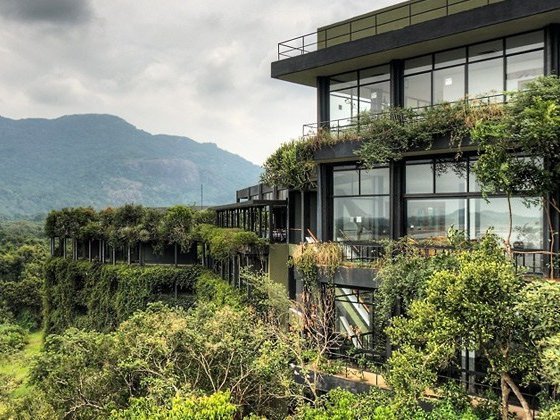
Beyond Profit: How Sustainable Tourism Investment Can Future-Proof Sri Lanka’s Hospitality Renaissance
Embedding ESG Standards and Circular Economy Principles to Create Regenerative Value in Our Island Paradise
Sri Lanka’s tourism sector stands at a critical juncture. After weathering unprecedented challenges, our island nation welcomed approximately 2.05 million international visitors in 2024, generating USD 3.2 billion in tourism revenue—a remarkable recovery trajectory from the pandemic years, yet still 43% below the pre-pandemic peak of 2018. As investors and hotel developers eye Sri Lanka’s resurgence with renewed interest, a fundamental question emerges: Will we rebuild our tourism infrastructure using yesterday’s blueprint, or will we seize this moment to reimagine hospitality through the lens of sustainability, creating long-term value that extends beyond quarterly earnings?
The answer lies in embracing Environmental, Social, and Governance (ESG) standards, circular economy principles, and regenerative tourism models. This is not merely ethical positioning—it represents a strategic imperative for competitive advantage, risk mitigation, and enhanced investor returns in an increasingly conscious global marketplace.
The Global Wellness and Sustainable Tourism Opportunity
The wellness tourism sector has emerged as one of the fastest-growing segments globally, projected to reach USD 1.92 trillion by 2032, expanding at a compound annual growth rate of 9.1%. More significantly, wellness tourism now accounts for 18.7% of all tourism expenditures despite representing only 7.8% of tourism trips—translating to nearly one in every five travel dollars spent worldwide.
International wellness tourists spend an average of USD 1,764 per trip, which is 41% more than typical international tourists. Domestic wellness travelers demonstrate an even more impressive premium, spending 175% more than average domestic tourists. These travelers are not seeking superficial “greenwashing” but authentic, measurable commitments to environmental stewardship, cultural preservation, and community empowerment.
For Sri Lanka, with its rich Ayurvedic heritage, pristine natural landscapes, and cultural authenticity, this represents an extraordinary opportunity. However, capturing this premium market segment demands credible sustainability credentials backed by internationally recognized standards and transparent reporting frameworks.
Understanding ESG Integration in Hospitality Investment
Environmental, Social, and Governance considerations have evolved from voluntary corporate social responsibility initiatives to fundamental investment criteria. The United Nations World Tourism Organization (UNWTO), in collaboration with the University of Oxford, is currently finalizing the first global ESG Framework for Tourism Businesses, engaging nearly 600 tourism companies worldwide to establish standardized measurement and reporting guidelines.
This framework addresses the fragmented landscape that has allowed “greenwashing” to proliferate, where companies provide insufficient data to give investors and consumers an accurate view of their sustainability performance. For Sri Lankan developers and investors, early adoption of these emerging global standards positions properties for preferential access to sustainable finance, enhanced brand reputation, and regulatory compliance as environmental disclosure requirements tighten worldwide.
The Global Sustainable Tourism Council (GSTC) Standards, recognized internationally and aligned with ISO standards, provide the foundational framework across four pillars: effective sustainability planning, maximizing social and economic benefits for local communities, enhancing cultural heritage, and reducing negative environmental impacts. These standards are designed to be adapted to local conditions while maintaining global comparability—making them ideally suited for Sri Lankan properties seeking international recognition while respecting local context.
The Circular Economy Imperative for Hotels
Traditional linear economy models—take, make, dispose—have reached their environmental and economic limits within the hospitality sector. The hotel industry produces approximately 1.9 billion pounds of waste annually, much of it avoidable through circular economy principles: refuse, reduce, reuse, recycle, and regenerate.
Transitioning to circular models in plastic management alone demonstrates compelling economics. Research indicates that utilizing 50% recycled polyethylene terephthalate (PET) in manufacturing new water bottles can achieve a 20% reduction in overall environmental damage. Progressive hotels are replacing plastic slipper covers with recycled paper, substituting plastic key cards with wooden or digital alternatives, and replacing single-use amenities with refillable dispensers.
Water management represents another critical circular economy application. Tourism facilities consume water primarily through daily laundry operations (30-40% of total consumption), leisure activities, room cleaning, bathing, and food preparation. Circular water economy principles—applying the “Butterfly System Diagram” approach—enable properties to minimize freshwater consumption, increase wastewater reuse through proper treatment, and implement rainwater harvesting systems. Hotels implementing comprehensive water circularity have achieved consumption reductions of 40% compared to baseline years while maintaining luxury service standards.
Food waste circularity offers both environmental and economic benefits. Progressive properties are composting organic kitchen waste to build high-quality soil for on-site gardens, reducing waste disposal costs while producing fresh ingredients. One resort documented producing 12,226 kilograms of compost from food waste in a single year, all donated to local farmers—simultaneously diverting waste from landfills and supporting agricultural communities.
Seven Transformative Case Studies: Global Leaders Showing the Way
Case Study 1: Six Senses Hotels—GSTC Certification Across Entire Portfolio
Six Senses Hotels, Resorts & Spas has established the hospitality industry’s gold standard for systematic sustainability integration. As of December 2024, all 26 Six Senses properties worldwide have achieved GSTC Certification through third-party audits by Control Union—representing the highest level of sustainable tourism certification globally.
The brand’s approach extends beyond compliance to create measurable positive impact. Each property allocates 0.5% of total revenue plus proceeds from resort mascot sales to a dedicated Sustainability Fund invested in locally relevant community, habitat, and wildlife projects. Since inception, these funds have improved educational access for 583 students, created skilled training opportunities for 1,089 students, and generated three local jobs through conservation initiatives.
Environmental achievements include eliminating single-use plastic since the mid-1990s, documented in their “Journey to Plastic Freedom Playbook” featuring 82 practical solutions. Each resort operates on-site water filtration and bottling facilities, eliminating transportation impacts and plastic bottle waste. Properties maintain organic gardens producing herbs, vegetables, and fruits for kitchens and spa treatments, with hens producing fresh eggs and goats managing kitchen scraps—creating closed-loop food systems.
Notable achievements include Six Senses Southern Dunes in Saudi Arabia earning LEED Platinum certification (the first hotel in the region to achieve this distinction), protection of 655,000 square meters of seagrass habitat, and conservation of 2,375 endangered sea turtle hatchlings. The Six Senses Sustainable Operations Guidelines have gained GSTC-Recognized Standard status, meaning they are fully equivalent to GSTC Industry Criteria.
Investment Relevance: Six Senses demonstrates that uncompromising luxury and rigorous sustainability are not mutually exclusive but mutually reinforcing, commanding premium pricing while reducing operational costs through resource efficiency.
Case Study 2: Accor Hotels—Scale Implementation of Wellness Tourism Integration
In January 2024, Accor Hotels significantly expanded its wellness tourism footprint by acquiring a prominent wellness resort chain, signaling major institutional capital flowing toward sustainable wellness hospitality. With operations spanning Europe, the Middle East, and Asia-Pacific, Accor has integrated sustainability metrics across its diverse portfolio, from budget to luxury segments.
Accor’s approach demonstrates scalability—proving that ESG integration is viable across property tiers and market segments. The company has committed to country-wide green certification programs and transparent ESG reporting aligned with emerging global frameworks.
Investment Relevance: Accor’s scale demonstrates that sustainable operations create competitive advantage across market segments, not merely in luxury positioning. This validates the commercial viability of ESG integration for properties serving diverse traveler profiles and price points.
Case Study 3: InterContinental Hotels Group—Corporate Wellness Integration Through Strategic Assets
InterContinental Hotels Group (IHG), which acquired Six Senses in February 2019, has leveraged this acquisition to elevate sustainability standards across its broader portfolio. This strategic move reflects institutional recognition that sustainability leadership drives brand differentiation and captures premium market segments.
IHG has integrated Six Senses’ sustainability expertise throughout its Luxury & Lifestyle portfolio, demonstrating how acquisitions can serve as sustainability capability transfers. The company participates in Cornell University’s Hotel Sustainability Benchmarking program, enabling performance comparison against global datasets.
Investment Relevance: IHG’s integration strategy validates that sustainability credentials justify premium acquisition multiples and create portfolio-wide value enhancement opportunities. Investors can leverage sustainability leaders to elevate performance across entire property collections.
Case Study 4: Ascott Limited (CapitaLand Investment)—Regional Certification Excellence
Ascott Limited has emerged as Southeast Asia’s sustainability certification leader, becoming one of the first hospitality groups to attain GSTC-Committed status. By 2024, 25% of Ascott’s operational portfolio had achieved certification by GSTC-accredited bodies, surpassing initial targets and demonstrating momentum toward the ambitious 2028 goal of GSTC certification across all managed and branded properties worldwide.
Remarkably, Ascott achieved country-wide GSTC certification in Malaysia, the Philippines, and Thailand—setting an important benchmark for regional peers. The company’s 2024 Sustainability Report explicitly aligns each initiative with specific GSTC criteria, demonstrating systematic integration rather than superficial compliance. For instance, the “Walking for Hope” event in Vietnam supporting children affected by Typhoon Yagi is directly aligned with ‘Criterion B1, Community Support.’
From January 2024 to February 2025, over 70 Ascott properties across 13 countries achieved GSTC certification. The company has established the Ascott Centre for Excellence, training certified trainers and expanding GSTC capacity-building throughout its operational footprint.
Investment Relevance: Ascott demonstrates rapid scalability of certification across diverse Southeast Asian markets, proving that rigorous standards can be achieved despite varying regulatory environments and infrastructure conditions—directly relevant for Sri Lankan regional expansion strategies.
Case Study 5: Six Senses Courchevel—Circular Economy in Alpine Tourism
Six Senses Courchevel in France exemplifies circular economy principles adapted to alpine sports tourism. The property partners with One Tree at a Time (OTAAT), a nonprofit organization dedicated to repairing and reusing outdoor gear. OTAAT operates workshops, community repair spaces, and upcycling initiatives while creating alternative livelihoods through repair workshops.
This partnership addresses the challenge of discarded sports equipment waste—common in seasonal tourism destinations—by extending product lifecycles and reducing consumption. OTAAT has repurposed used outdoor gear into durable, weatherproof sleeping bags for individuals experiencing homelessness in France and collaborated with the London Marathon to rebrand and reuse event apparel instead of producing single-use sportswear.
Investment Relevance: This model demonstrates how circular economy principles create social value beyond environmental benefits, generating positive community relations and brand differentiation that justify premium positioning. The approach is replicable across thousands of mountain tourism locations globally, including Sri Lanka’s emerging adventure tourism sector.
Case Study 6: Six Senses Zighy Bay—Achieving Near-Zero Waste Operations
Six Senses Zighy Bay in Oman has implemented an advanced on-site sewage treatment system that achieves near-zero waste disposal. Grey water irrigates the resort’s 5,200 trees, while organic sludge is naturally composted in reed beds and donated to local farmers. In 2023, the property produced 12,226 kilograms of compost from food waste, all donated to farmers.
Additional sustainability measures include on-site recycling of glass, soap, candles, paper, and cardboard, while used cooking oil is sent off-site for biodiesel production. These initiatives diverted 33% of total waste from landfills in 2023. Water conservation achievements include a 40% reduction in total consumption compared to 2019, driven by leak prevention systems and an energy conservation committee.
The property is investing in an industrial wood chip machine targeting 100% recycling of landscaping waste—demonstrating continuous improvement rather than static compliance.
Investment Relevance: Six Senses Zighy Bay proves that even remote luxury properties can achieve sophisticated waste-to-resource systems, dramatically reducing operational costs while enhancing environmental credentials. The 40% water consumption reduction translates directly to reduced utility expenses and enhanced operational resilience against water scarcity—increasingly critical risk factors in many tourism destinations.
Case Study 7: Hilton’s Sleep Retreats—Science-Driven Wellness Tourism Innovation
In March 2024, Hilton introduced Sleep Retreats at Grand Wailea, A Waldorf Astoria Resort on Maui, partnering with sleep expert Dr. Rebecca Robbins. The retreats combine sleep science, spa therapies, and personalized sleep schedule planning to improve guest sleep quality—responding to research indicating that 58% of people feel unsatisfied with their sleep.
This initiative exemplifies how major hotel groups are integrating evidence-based wellness programming to capture the rapidly growing wellness tourism market. The scientific validation and measurable outcomes (improved sleep quality) provide authentic value rather than superficial “wellness washing.”
Investment Relevance: Hilton’s approach demonstrates how established hotel brands are repositioning assets to capture premium wellness market segments through program innovation rather than complete property redevelopment—offering accessible entry strategies for existing Sri Lankan properties seeking to enhance sustainability and wellness positioning.
Implementing Sustainability Metrics: From Aspiration to Accountability
Moving beyond aspirational commitments to measurable outcomes requires systematic implementation frameworks. Leading properties are adopting several key practices:
1. Science-Based Targets: Establishing carbon reduction goals aligned with Paris Agreement pathways, typically targeting net-zero emissions by 2050 with interim milestones. Properties are conducting comprehensive carbon footprinting across Scope 1 (direct emissions), Scope 2 (purchased energy), and Scope 3 (supply chain and guest travel) emissions.
2. Water Stewardship Metrics: Tracking water consumption per occupied room night, wastewater treatment quality, percentage of water recycled/reused, and engagement with watershed management initiatives. Leading properties have reduced consumption by 30-40% through systematic monitoring and technology deployment.
3. Circular Economy KPIs: Measuring waste diversion rates (percentage of waste diverted from landfills), materials circularity (percentage of materials reused, recycled, or composted), and sustainable procurement (percentage of supplies meeting defined environmental and social criteria).
4. Social Impact Measurement: Quantifying local employment rates, wages relative to living wage benchmarks, spending with local suppliers, community investment through dedicated sustainability funds, and cultural preservation initiatives. Six Senses’ model of allocating 0.5% of revenue to sustainability funds provides a replicable benchmark.
5. Biodiversity and Ecosystem Metrics: For properties in ecologically sensitive areas, measuring habitat protection, species conservation outcomes, ecosystem restoration (reforestation, coral reef regeneration, wetland protection), and educational engagement with guests and communities on conservation.
6. Third-Party Verification: Pursuing recognized certifications (GSTC, LEED, Green Key, EarthCheck) that provide independent verification and enhance credibility with investors, guests, and regulators.
The Financial Case: ESG as Value Creation, Not Cost Burden
Skeptics often position sustainability investments as trade-offs against profitability. However, comprehensive research and operational data demonstrate that well-implemented ESG strategies enhance financial performance through multiple channels:
Premium Pricing Power: Properties with credible sustainability credentials command 10-25% rate premiums over comparable non-certified competitors. According to Booking.com, 76% of global travelers want to make more environmentally conscious choices, with 42% actively seeking accommodations with eco-certifications. This is not niche positioning—it represents nearly half the global travel market.
Operational Cost Reduction: Energy efficiency measures typically deliver 15-30% reductions in utility costs with payback periods of 2-5 years. Water conservation systems achieve 20-40% consumption reductions. Waste diversion programs reduce disposal costs by 20-40% while potentially generating revenue from recycled materials and compost.
Risk Mitigation: Climate-related risks (water scarcity, extreme weather, sea-level rise) pose existential threats to tourism infrastructure. Properties with resource efficiency and ecosystem resilience measures are better positioned to withstand climate impacts. Sustainability practices also reduce regulatory compliance risks as environmental disclosure requirements tighten globally.
Access to Capital: Sustainable finance markets are expanding rapidly. Green bonds, sustainability-linked loans, and ESG-focused investment funds actively seek properties meeting defined environmental and social criteria, often offering preferential interest rates. Total sustainable debt issuances globally reached USD 55.9 billion in 2024, with green instruments comprising 83% of that total.
Enhanced Asset Values: Properties with recognized sustainability certifications typically command 5-15% valuation premiums and experience faster sales velocity. Investment funds increasingly screen acquisitions against ESG criteria, making certification essential for attracting institutional capital.
Talent Attraction and Retention: Millennials and Gen Z workers—now the majority of the workforce—prioritize employers with strong sustainability commitments. Properties demonstrating authentic environmental and social values experience 25-30% lower staff turnover rates, reducing recruitment and training costs.
Roadmap for Sri Lankan Investors and Developers
Sri Lanka’s tourism recovery presents a unique opportunity to leapfrog outdated development models and establish ourselves as South Asia’s sustainability tourism leader. A systematic approach encompasses several strategic initiatives:
Phase 1: Foundation Building (Months 1-6)
Conduct comprehensive sustainability baseline assessments for existing properties or greenfield sites. This includes environmental impact assessments, energy and water audits, waste stream analyses, social impact assessments of local communities, and supply chain mapping. Engage sustainability consultants with international hospitality experience and local context expertise.
Establish governance structures with clear sustainability accountability at board and executive management levels. Designate a sustainability director or chief sustainability officer with authority and resources. Create sustainability committees with cross-functional membership and establish transparent reporting mechanisms.
Phase 2: Strategy Development and Target Setting (Months 6-12)
Develop comprehensive sustainability strategies aligned with GSTC standards and emerging UNWTO ESG Framework. Set science-based targets for carbon emissions, water consumption, waste diversion, local procurement, and community investment. Design circular economy systems for water, waste, energy, and food.
Engage stakeholders including local communities, conservation organizations, government agencies, suppliers, and guests in strategy development. Co-create initiatives that address community priorities alongside property objectives—moving beyond superficial consultation to genuine partnership.
Phase 3: Implementation and Certification (Year 1-2)
Deploy sustainability systems across operations, including renewable energy installations (solar, biomass, geothermal), water conservation and recycling systems, comprehensive waste management infrastructure, sustainable procurement programs, and on-site organic gardens.
Pursue GSTC certification or equivalent recognized standards through accredited certification bodies. Implement monitoring systems for real-time tracking of key performance indicators. Establish sustainability funds (minimum 0.5% of revenue) for community and conservation investments.
Phase 4: Continuous Improvement and Expansion (Year 2+)
Achieve annual improvement targets for all sustainability metrics. Expand certification coverage across property portfolios. Integrate emerging innovations such as carbon capture technologies, advanced water purification systems, biodegradable materials, and regenerative agriculture practices.
Share best practices with industry peers to elevate sectoral standards. Participate in collective action initiatives such as the Global Tourism Plastics Initiative and regional sustainability networks. Position properties as demonstration sites for sustainability innovation.
Addressing Implementation Challenges
Honest assessment acknowledges significant challenges in sustainability implementation, particularly in developing economy contexts:
Capital Requirements: Upfront investments in renewable energy, water systems, and waste infrastructure can be substantial. However, blended finance models combining concessional development finance with commercial capital can reduce barriers. Sustainability-linked loans offer preferential rates for properties meeting defined environmental targets. Return on investment through operational savings typically justifies initial outlays over 5-7 year timeframes.
Supply Chain Constraints: Sourcing sustainable materials and supplies can be challenging in markets with limited certified suppliers. Progressive properties address this through supplier development programs, helping local businesses achieve sustainability standards while securing reliable supply chains. Collective industry action can build market demand that attracts sustainable suppliers to Sri Lankan markets.
Skills Gaps: Limited availability of sustainability professionals with hospitality expertise represents a genuine constraint. Strategic responses include partnerships with international hotel schools, development of in-house training programs certified by international bodies, and engagement with global sustainability consultancies for knowledge transfer. The Ascott Centre for Excellence model—training certified trainers who cascade knowledge—offers a scalable approach.
Certification Costs: GSTC and LEED certification involve professional fees for consultants and auditors. However, certification should be viewed as an investment in market positioning rather than a compliance cost. Properties typically recoup certification expenses through enhanced pricing power and preferential access to sustainable finance within 18-24 months.
Balancing Luxury and Sustainability: Concerns that sustainability compromises luxury positioning reflect outdated thinking. Six Senses, Four Seasons, and other ultra-luxury brands prove that environmental responsibility and exceptional guest experience reinforce rather than conflict. Indeed, sustainability is increasingly synonymous with luxury as affluent travelers seek authentic, meaningful experiences beyond conspicuous consumption.
Policy Recommendations for Government and Tourism Authorities
Accelerating sustainable tourism development in Sri Lanka requires supportive policy frameworks:
1. Green Financing Mechanisms: Establish dedicated green finance facilities offering concessional loans for properties pursuing recognized sustainability certifications. Consider tax incentives (reduced corporate tax rates, accelerated depreciation for environmental investments) for certified sustainable properties.
2. National Sustainability Standards: Adapt GSTC standards to Sri Lankan context, incorporating our unique cultural heritage and biodiversity. Establish a national certification body aligned with international standards to reduce costs and build local capacity.
3. Infrastructure Investment: Develop waste management infrastructure enabling hotel sector circularity, including recycling facilities, composting systems, and renewable energy grids. Invest in water treatment facilities supporting wastewater reuse.
4. Education and Capacity Building: Integrate sustainability curricula into hotel management programs at universities and vocational training institutes. Establish national training centers for sustainability certification in partnership with international bodies.
5. Destination-Level Planning: Adopt destination management approaches that ensure tourism development enhances rather than degrades natural and cultural assets. Implement carrying capacity limits, protect high-value ecosystems, and ensure equitable distribution of tourism benefits to local communities.
6. Transparent Reporting: Require ESG disclosure from licensed tourism properties, creating transparency that rewards leaders and incentivizes laggards to improve. Publish annual sustainability rankings to drive competitive improvement.
Conclusion: Wellness with Purpose as Competitive Strategy
Sri Lanka stands at a pivotal moment in our tourism history. We can pursue short-term recovery through conventional development models that extract value from our natural and cultural heritage, ultimately undermining the very assets that attract visitors. Or we can embrace a regenerative approach that creates authentic, measurable value for investors, communities, ecosystems, and guests alike.
The evidence is unambiguous: sustainability is not an ideological luxury but a commercial imperative. Properties with credible ESG credentials command premium pricing, experience lower operating costs, attract superior talent, access preferential financing, and demonstrate enhanced resilience against climate and market risks. Wellness tourism—the fastest-growing, highest-spending segment globally—demands authentic sustainability commitments backed by third-party verification.
The global hospitality industry has established clear roadmaps through frameworks such as GSTC standards, the emerging UNWTO ESG Framework, and circular economy principles. Leading brands including Six Senses, Accor, IHG, and Ascott have demonstrated implementation at scale across diverse markets. Their experiences provide blueprints that Sri Lankan investors and developers can adapt to our unique context.
Our island paradise possesses extraordinary competitive advantages: biodiversity among the world’s richest, a millennium of Ayurvedic wellness traditions, cultural heritage spanning multiple civilizations, and warm hospitality embedded in our social fabric. These assets, combined with strategic sustainability leadership, position Sri Lanka to capture premium segments of the USD 1.92 trillion global wellness tourism market.
The question is not whether sustainability will define competitive advantage in tourism—that outcome is inevitable as climate risks intensify and consumer preferences evolve. The question is whether Sri Lankan investors and developers will lead this transformation or follow reluctantly. First movers will capture disproportionate rewards through brand differentiation, preferential access to capital, and resilience against regulatory and climate risks.
Wellness with purpose means embedding sustainability at the core of investment decisions—not as marketing veneer but as fundamental business strategy. It means measuring success not merely through occupancy rates and revenue per available room, but through carbon intensity, water stewardship, waste circularity, community benefit, and ecosystem health. It means recognizing that long-term value creation requires regenerative practices that enhance rather than deplete the resources upon which our industry depends.
For investors contemplating Sri Lanka’s tourism renaissance, the imperative is clear: build for the future that is emerging, not the past we are leaving behind. Embrace ESG standards, integrate circular economy principles, pursue third-party verification, and position properties as demonstration sites for regenerative tourism. The capital is available, the frameworks are established, the market demand is proven, and the competitive advantages are substantial.
The time for wellness with purpose in Sri Lankan tourism is now. Let us build a hospitality sector that future generations will thank us for—one that generates prosperity while protecting the natural and cultural treasures that make our island truly paradise.
Disclaimer
This article has been authored and published in good faith by Dr. Dharshana Weerakoon, DBA (USA), based on publicly available data from cited international sources including the Sri Lanka Tourism Development Authority, Global Wellness Institute, Global Sustainable Tourism Council, United Nations World Tourism Organization, peer-reviewed academic journals, and leading hospitality industry reports. The analysis reflects decades of professional experience across multiple continents and ongoing industry engagement. It is intended solely for educational, journalistic, and public awareness purposes to stimulate informed discussion on sustainable tourism investment models.
The author accepts no responsibility for any misinterpretation, adaptation, or misuse of the content. Views expressed are entirely personal and analytical, and do not constitute legal, financial, or investment advice. Investors should conduct independent due diligence and consult qualified professionals before making investment decisions.
This article is designed to comply fully with Sri Lankan law, including intellectual property protections, anti-discrimination provisions under the ICCPR Act No. 56 of 2007, and relevant data privacy and ethical standards. All case studies reference publicly available information from corporate sustainability reports, academic publications, and industry sources.
This article was authored independently through professional expertise, research, and analysis—reflecting human insight, contextual understanding, and strategic perspective developed through decades of global tourism and hospitality experience.
About the Author
Dr. Dharshana Weerakoon holds a Doctorate in Business Administration (DBA) from the United States and serves as a Global Tourism & Hospitality Strategist. He represents Sustainable Wellness Group Ltd., London in Sri Lanka, bringing extensive international experience in sustainable tourism development, hospitality investment strategy, and destination management. His work spans multiple continents, focusing on integrating environmental stewardship, social responsibility, and economic viability in tourism development.
Further Reading: https://www.linkedin.com/newsletters/7046073343568977920/
Additional Reading: https://dharshanaweerakoon.com/hospitality-ombudsman/