Will Sri Lanka’s Small Boutiques Survive the Supermarket Era? A Strategic SWOT Analysis of Retail Power, Profitability, and Consumer Behavior
Introduction: A Retail Question Sri Lanka Cannot Ignore
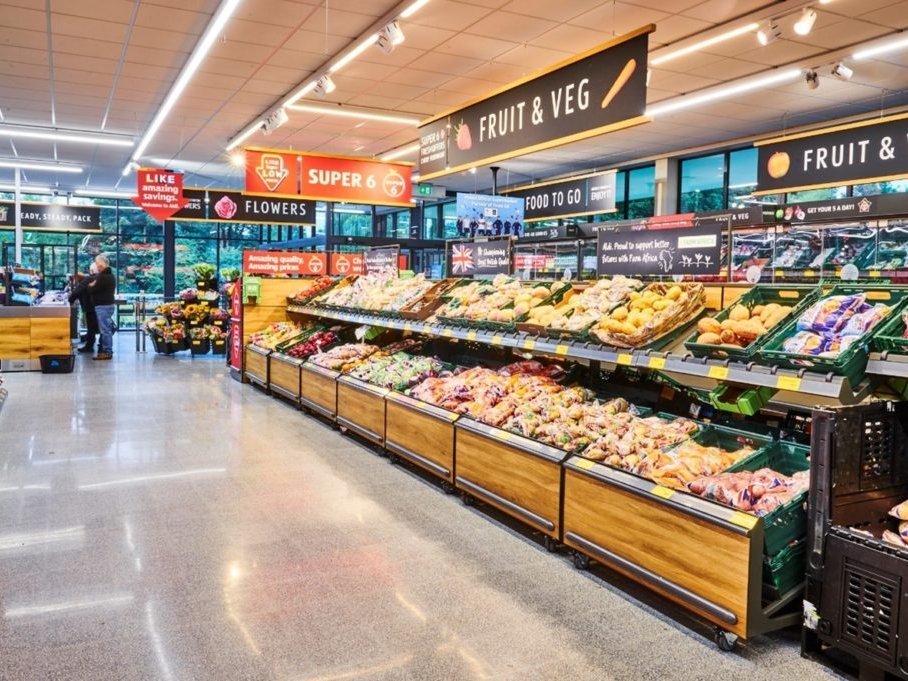
Sri Lanka today has three to four dominant supermarket chains controlling a growing share of urban and semi-urban retail trade. With their air-conditioned aisles, loyalty cards, private labels, and aggressive supplier negotiations, these chains appear—at first glance—to represent the inevitable future of retail.
Yet, travel across Colombo suburbs, provincial towns, and even high-density housing schemes, and one reality remains impossible to ignore:
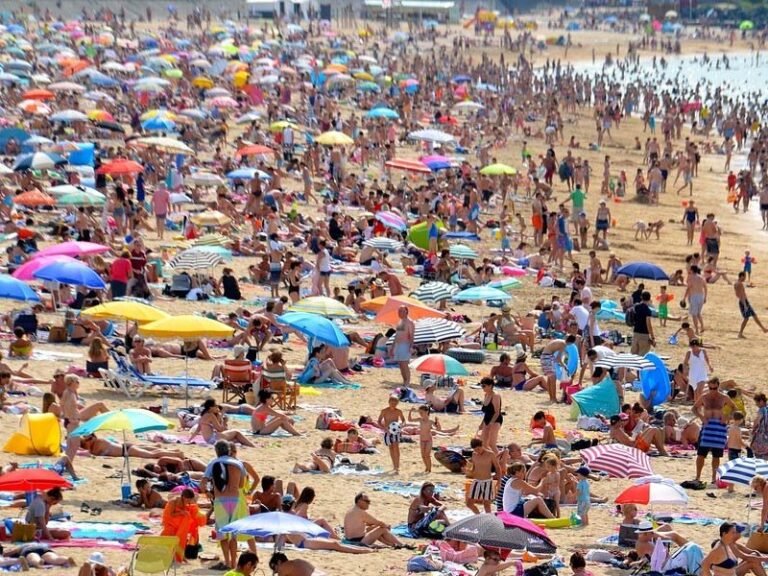
small boutiques and individual supermarkets are still crowded—sometimes more crowded than large chains.
This raises a critical strategic question:
In another ten years, will small boutiques disappear—or will large supermarket chains struggle under their own weight?
As someone who has worked extensively across hospitality, tourism, consumer behavior, and service ecosystems, I see Sri Lanka’s retail landscape not as a simple “big vs small” battle—but as a complex coexistence shaped by culture, economics, logistics, and trust.
This article offers a comprehensive SWOT analysis of:
- Large Supermarket Chains
- Traditional Small Boutiques
- Small-Scale Individual Supermarkets
—while examining how private labels, rising overheads, FMCG dynamics, and consumer psychology will shape the next decade.
Sri Lanka’s Retail Landscape: Key Numbers That Matter
Before analysis, context is essential.
- Retail and wholesale trade contributes over 12% of Sri Lanka’s GDP
- FMCG retail market size (estimated 2024): USD 35–40 billion
- Urban households shopping frequency:
- Supermarkets: 1–2 major trips per week
- Boutiques: Daily or alternate-day visits
- Electricity cost increases (2019–2024): Over 200%
- Average supermarket staff cost increase (last 5 years): 45–60%
- Private label penetration in large chains: 18–30% of shelf space, and rising
These numbers already hint at structural pressure on large formats and behavioral resilience of smaller outlets.
SWOT ANALYSIS – LARGE SUPERMARKET CHAINS (SRI LANKA)
Strengths
- Strong Brand Recognition & Trust
Large chains have built credibility around quality, hygiene, and consistency—especially post-COVID. - Economies of Scale
Bulk procurement allows better pricing, promotional campaigns, and supplier leverage. - Private Label Power
Own brands deliver 20–40% higher margins than branded FMCG products. - Data-Driven Retail
Loyalty programs provide deep consumer insights, enabling targeted promotions. - Standardized Experience
Clean layouts, parking, air conditioning, and digital billing enhance middle-class appeal.
Weaknesses
- High Fixed Overheads
- Large retail spaces
- Heavy electricity usage
- High staff counts
These costs remain regardless of daily footfall.
- Margin Compression
Discount wars and price-sensitive consumers reduce long-term profitability. - Operational Rigidity
Centralized decision-making slows response to local demand patterns. - Private Label Risk
Over-promotion alienates major FMCG suppliers and reduces brand diversity. - Urban Saturation
Colombo and major cities are nearing store density limits.
Opportunities
- Tourism & Expat Demand
Growing tourism revivals create demand for international standards and imported goods. - E-Commerce & Quick Commerce
Dark stores and last-mile delivery can improve margins. - Premiumization
Organic, wellness, and gourmet segments offer higher margins. - Regional Expansion
Tier-2 cities still have untapped demand.
Threats
- Escalating Utility Costs
Electricity and refrigeration costs directly erode margins. - Consumer Down-Trading
Economic pressure pushes customers toward smaller, cheaper neighborhood stores. - Supplier Pushback
FMCG giants may prioritize boutiques to avoid private label cannibalization. - Boutique Loyalty
Trust-based relationships cannot be replicated at scale.
SWOT ANALYSIS – SMALL BOUTIQUES (KADÉ CULTURE)
Strengths
- Extreme Convenience
Walking distance, flexible hours, and instant service. - Low Overheads
Minimal staff, limited electricity usage, and owned premises in many cases. - Personal Trust
Credit (“kata”) systems and owner-customer relationships still dominate. - Rapid Stock Adaptability
Can change product mix daily based on neighborhood needs. - High Visit Frequency
Smaller baskets, but higher transaction frequency.
Weaknesses
- Limited Product Range
Shelf space restricts variety and premium offerings. - Poor Visual Merchandising
Less attractive to younger or aspirational shoppers. - Cash Flow Constraints
Limited access to formal financing. - Manual Operations
Lack of POS systems, inventory analytics, or data tracking.
Opportunities
- FMCG Manufacturer Support
As supermarkets push private labels, boutiques regain strategic importance. - Digital Micro-Retail
QR payments, WhatsApp orders, and delivery partnerships. - Community Anchoring
Trusted role during crises (fuel shortages, curfews).
Threats
- Urban Gentrification
Rising property values may push boutiques out. - Succession Issues
Younger generations less interested in running small shops. - Regulatory Pressure
Informal operations face compliance risks.
SWOT ANALYSIS – SMALL-SCALE INDIVIDUAL SUPERMARKETS
(The “middle class” of retail)
Strengths
- Balanced Cost Structure
Lower overheads than chains, better range than boutiques. - Localized Assortment
Products tailored to community preferences. - Owner-Led Efficiency
Faster decision-making and tighter cost control. - Growing Customer Loyalty
Perceived as “modern but familiar.”
Weaknesses
- Limited Bargaining Power
Higher procurement costs than large chains. - Brand Vulnerability
Dependent on owner reputation. - Capital Constraints
Expansion is slow and self-funded.
Opportunities
- FMCG Partnerships
Preferred channels for branded products. - Neighborhood Expansion
Cluster models in suburbs and towns. - Tech Adoption
POS, CRM, and delivery apps at low cost.
Threats
- Aggressive Promotions by Chains
- Rising Utility Costs
- Supplier Credit Tightening
7 Sri Lankan Retail Case Observations (Ground Reality)
- Colombo Suburb Case
A large supermarket sees peak traffic only on weekends; nearby boutique records steady daily sales. - Provincial Town Case
Individual supermarkets outperform chains due to parking ease and local sourcing. - Private Label Pushback
FMCG brands reduce promotions in large chains, increase boutique incentives. - Fuel Crisis Period
Boutiques remained operational while large stores faced logistics delays. - Tourist Zones
Supermarkets succeed only when aligned with hospitality demand. - High-Density Housing
Boutiques dominate daily essentials. - Electricity Cost Shock
Refrigeration-heavy chains face margin erosion unseen by boutiques.
The Next 10 Years: Who Really Survives?
Contrary to global assumptions, Sri Lanka will not see the death of small retail.
Instead, we will see:
- Fewer but stronger large chains
- Digitally enabled boutiques
- Rise of smart individual supermarkets
- Strategic dependence of FMCG brands on smaller channels
Retail survival in Sri Lanka is not about size—it is about cost discipline, trust, and proximity.
Conclusion
The crowded boutique is not an accident.
It is a signal.
Large supermarket chains bring professionalism and scale—but also rigidity and cost exposure. Small boutiques bring resilience, speed, and community trust. Small-scale supermarkets bridge both worlds.
Sri Lanka’s retail future will not be monopolized—it will be plural, localized, and adaptive.
Disclaimer
This article has been authored and published in good faith by Dr. Dharshana Weerakoon, DBA (USA), based on publicly available national economic indicators, industry observations, professional experience across Asia, Europe, Australia, and the Middle East, and ongoing engagement with Sri Lanka’s retail, hospitality, and FMCG ecosystems. It is intended solely for educational, journalistic, and public awareness purposes to stimulate informed discussion on retail sustainability and consumer economics.
The author accepts no responsibility for misinterpretation or commercial application of this content. Views expressed are strictly personal and analytical, and do not constitute legal, financial, or investment advice. This article is prepared in full compliance with Sri Lankan law, including the Intellectual Property Act, consumer protection standards, and ethical publication norms. Authored independently through lived professional expertise.
Further Reading: https://www.linkedin.com/newsletters/7046073343568977920/
Further Reading: https://dharshanaweerakoon.com/eco-friendly-meal-plates/