Invisible Ledgers: Sri Lanka’s Parallel Tourism Economy and the Untold Power of Home-Stay Networks
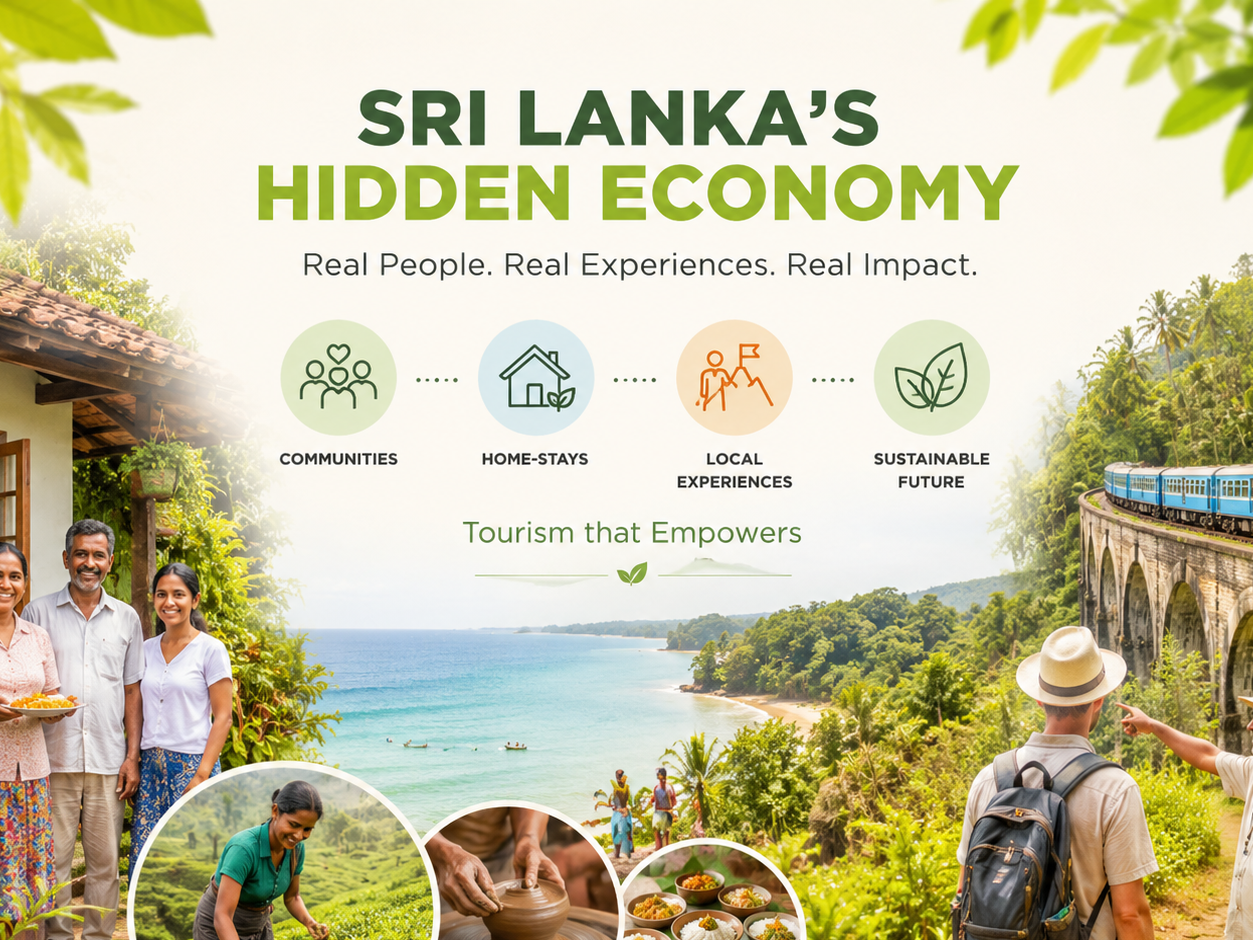
Why Billions in Community Tourism Never Reach GDP — And Why That May Be the Country’s Greatest Hidden Strength
For decades, economists have measured nations through formal numbers: GDP growth, foreign direct investment, hotel occupancy ratios, and registered tourism earnings. Yet in Sri Lanka, one of the most vibrant sectors of the tourism economy has never fully appeared in official statistics.
It exists quietly.
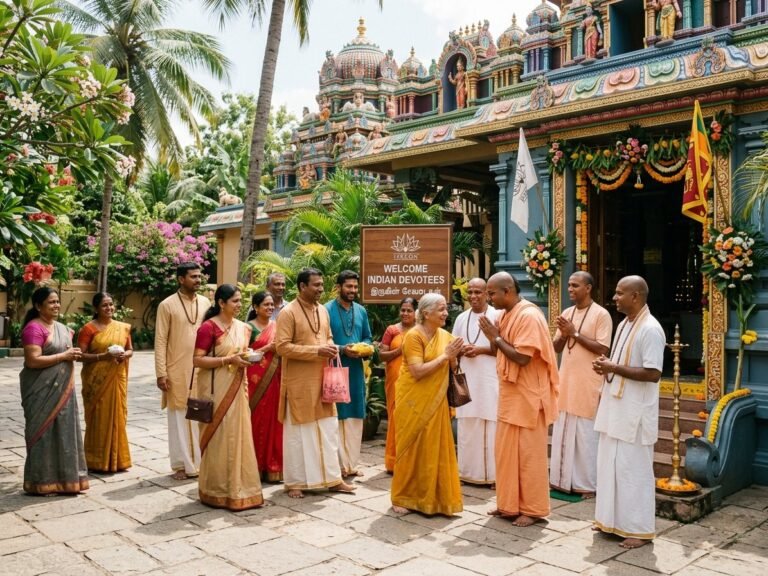
It lives in mountain villages, coastal fishing towns, tea estates, forest-edge communities, temple pathways, tuk-tuk journeys, family kitchens, and handwritten guestbooks. It survives through trust, hospitality, storytelling, and cash-based micro-transactions.
This is Sri Lanka’s invisible tourism economy.
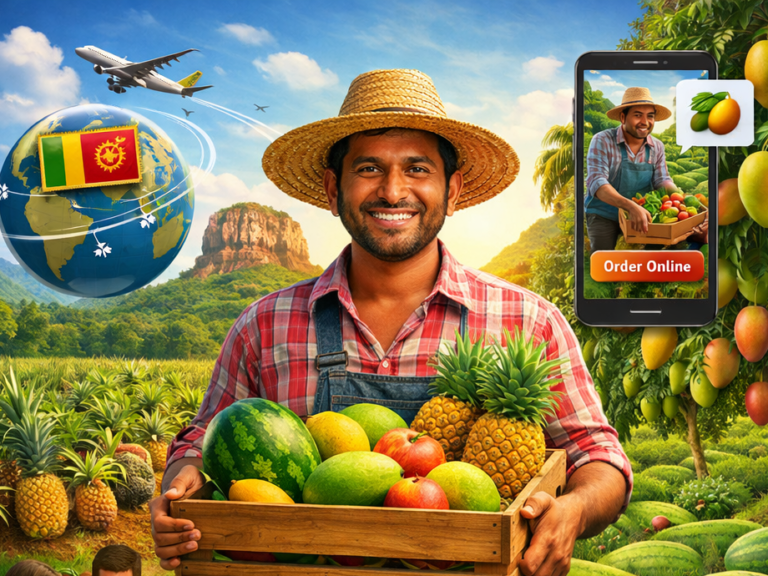
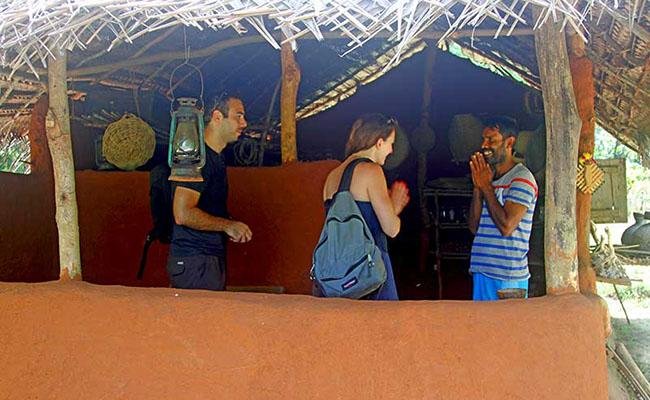
An economy powered not by multinational hotel chains or institutional investors, but by mothers preparing village breakfasts for foreign backpackers, retired schoolteachers renting spare rooms, fishermen offering sunrise lagoon tours, local youth guiding hikers through hidden waterfalls, artisans selling handwoven crafts directly to travelers, and villagers organizing cultural experiences outside formal booking platforms.
These transactions rarely enter official accounting systems. They are often undocumented, untaxed, unregistered, and statistically invisible.
However, despite their invisibility, they may collectively represent billions of rupees circulating annually through rural Sri Lanka.
Ironically, the very reason these networks remain attractive to travelers is because they are informal.
The question therefore is not whether Sri Lanka should eliminate this parallel tourism economy.
The real question is:
Can Sri Lanka protect authenticity while recognizing and safeguarding the livelihoods behind it?
I believe the answer lies in a new framework — a Cultural Economy Passport System — designed not to over-regulate communities, but to acknowledge, preserve, and uplift them responsibly.
The Tourism Sri Lanka Rarely Measures
When international tourists arrive in Sri Lanka, official tourism records generally capture:
- Registered hotel stays
- Airline arrivals
- Licensed tour operators
- Taxable restaurant income
- Formal transport services
- Luxury accommodation revenue
Yet a substantial percentage of tourism activity occurs outside these channels.
Consider the reality:
A European traveler lands in Colombo and spends only one night in a registered hotel. The next ten days are spent moving through villages using informal guesthouses discovered through word-of-mouth, social media communities, tuk-tuk drivers, or local recommendations.
Payments are made directly in cash.
No invoices.
No VAT.
No tourism levies.
No digital accounting.
No official economic trace.
However, real economic value is still created.
Food is purchased locally.
Motorbikes are rented.
Fishermen are hired.
Village guides are paid.
Families earn income.
Women-led micro-businesses survive.
Young people remain employed within their communities instead of migrating abroad.
This is not tax evasion in the traditional sense.
In many cases, these are simply communities operating outside systems they were never trained, financed, or supported enough to formally enter.
The Rise of the “Authenticity Economy”
Globally, tourism preferences have changed dramatically over the last decade.
Travelers increasingly seek:
- Authentic local experiences
- Community interactions
- Eco-tourism
- Slow travel
- Cultural immersion
- Nature-based experiences
- Ethical tourism
- Non-commercial hospitality
This trend accelerated significantly after the COVID-19 pandemic.
International tourism research repeatedly indicates that younger travelers — particularly Millennials and Gen Z — now prioritize experiences over luxury infrastructure.
They want stories instead of marble lobbies.
They seek connection instead of corporate standardization.
In Sri Lanka, this shift created a unique opportunity.
Unlike heavily commercialized destinations, Sri Lanka still possesses thousands of relatively untouched cultural environments.
From Ella to Haputale, from Arugam Bay to Meemure, from Kalpitiya to Jaffna, visitors increasingly search for “hidden Sri Lanka” rather than packaged tourism.
And hidden Sri Lanka is usually informal Sri Lanka.
Why the Informal Tourism Economy Became So Powerful
Several structural realities helped create this parallel tourism ecosystem.
1. Limited Rural Economic Opportunities
In many tourism-adjacent regions, formal employment opportunities remain limited. Community tourism became a survival mechanism.
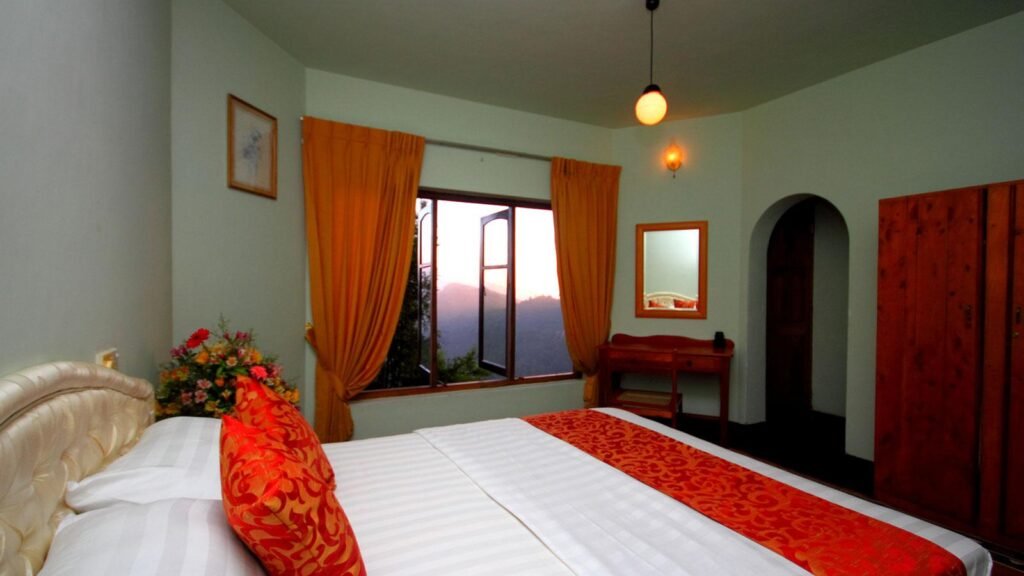
Families converted spare rooms into guest accommodations.
Young villagers became guides.
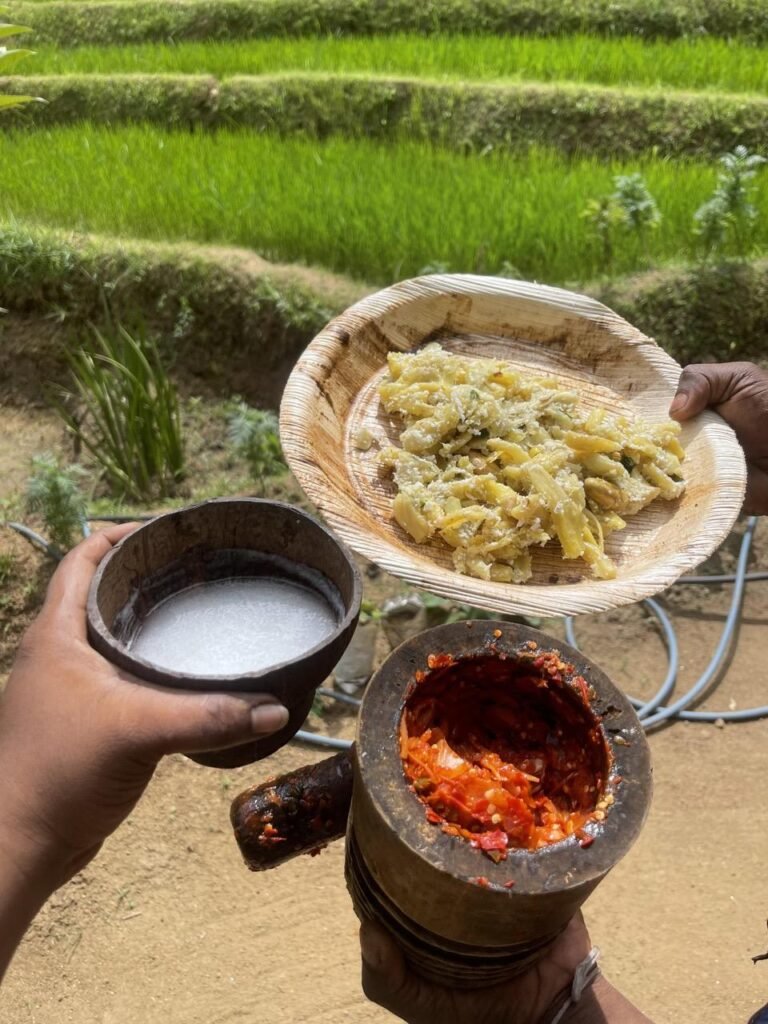
Women created home-cooking experiences.
Farmers offered plantation tours.
This created decentralized economic participation without requiring massive infrastructure investments.
2. Low Entry Barriers
Opening a luxury hotel requires millions in investment.
Opening a home-stay requires a clean room, basic hospitality, and human warmth.
This democratized tourism participation.
For many rural Sri Lankan families, tourism became the first direct access point to foreign currency earnings.
3. Trust-Based Economies
Informal tourism networks operate heavily on reputation and community trust.
Travelers recommend hosts through:
- Social media groups
- Travel communities
- YouTube travel channels
- Backpacker forums
- Word-of-mouth referrals
This created decentralized credibility systems outside government structures.
4. Digital Platforms Changed Everything
Even without formal registration, global visibility became possible through:
- Social media pages
- WhatsApp communities
- Travel influencers
- Peer-to-peer platforms
- Independent travel blogs
A small village home-stay can now attract international guests without ever entering traditional tourism supply chains.
The Economic Scale Nobody Can Precisely Measure
Estimating the value of Sri Lanka’s informal tourism economy is difficult precisely because much of it remains undocumented.
However, several indicators suggest the numbers are substantial.
Before the economic crisis, Sri Lanka welcomed nearly 2 million annual tourist arrivals.
Even conservative assumptions suggest that:
- A significant percentage used informal accommodation at least partially
- Community-based experiences increasingly dominated travel itineraries
- Rural cash circulation from tourism expanded considerably
- Micro-enterprises captured foreign exchange directly
If even 20–30% of tourism expenditure bypassed formal systems, the hidden economy could represent hundreds of millions of dollars annually.
Yet GDP calculations often underestimate these flows because informal transactions are difficult to capture statistically.
Ironically, this creates a paradox:
The communities preserving Sri Lanka’s tourism identity are often economically invisible to national accounting systems.
Why Complete Formalization Could Destroy Authenticity
Many policymakers instinctively respond to informality with regulation.
However, excessive regulation carries risks.
If Sri Lanka aggressively taxes and standardizes all community tourism activities, several unintended consequences may emerge.
Loss of Authentic Experiences
Tourists seeking village authenticity do not necessarily want corporate hospitality structures.
Over-regulation can commercialize experiences to the point where cultural uniqueness disappears.
Increased Operational Costs
Licensing, taxation, inspections, and compliance costs may become unbearable for low-income families.
Small operators could simply exit tourism altogether.
Corporate Displacement
Large investors may gradually dominate spaces originally created by local communities.
This has already occurred in several international tourism destinations where local ownership declined after rapid formalization.
Cultural Homogenization
Once experiences become standardized, they risk losing emotional value.
Travelers increasingly reject destinations that feel manufactured.
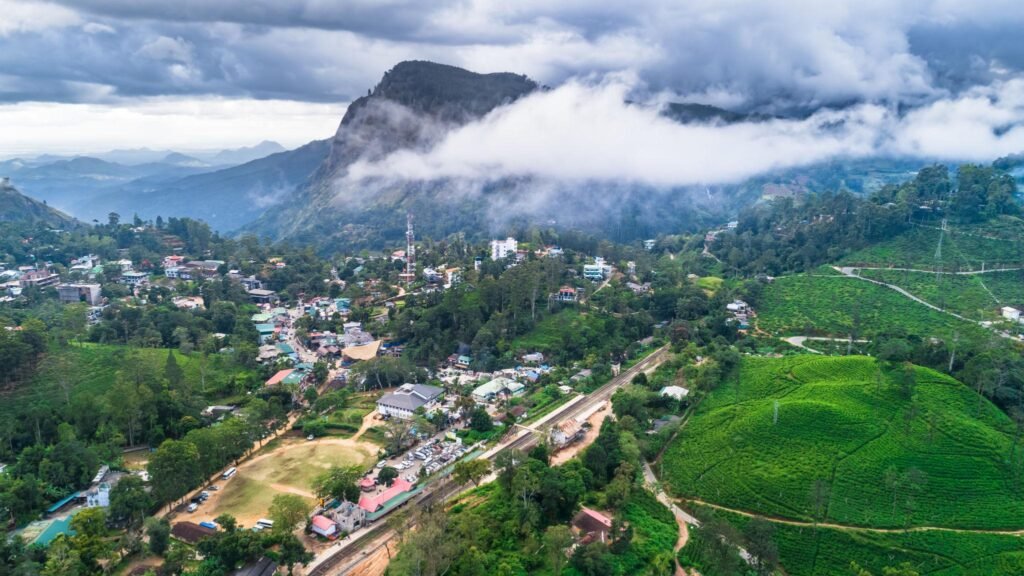
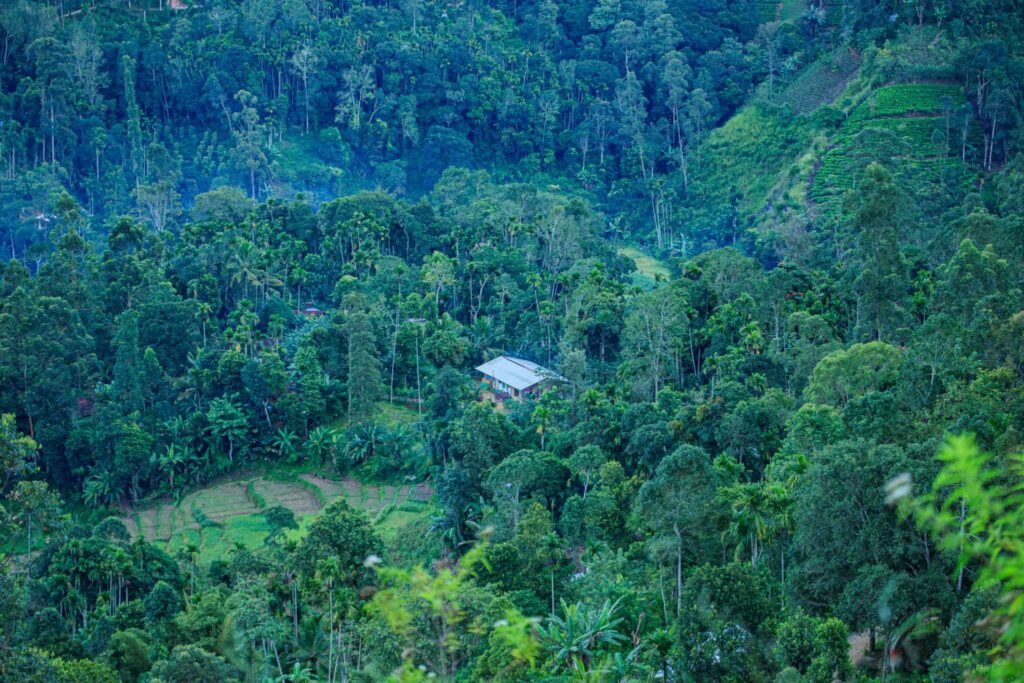
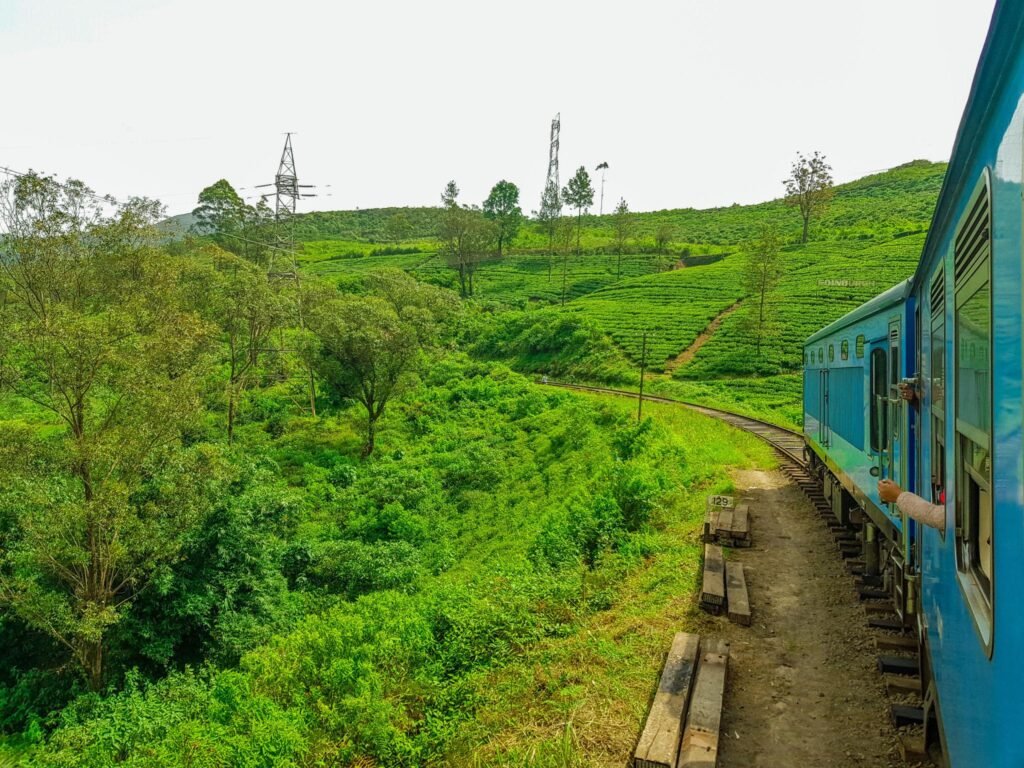
Case Study 1: Ella’s Informal Backpacker Economy
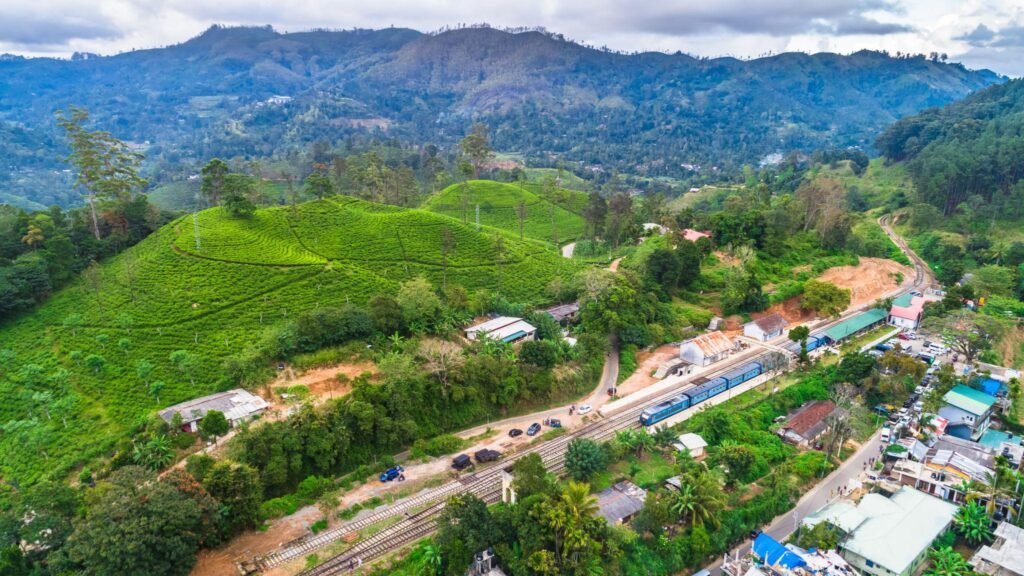
Ella transformed from a quiet hill-country town into one of Sri Lanka’s most internationally recognized tourism hotspots.
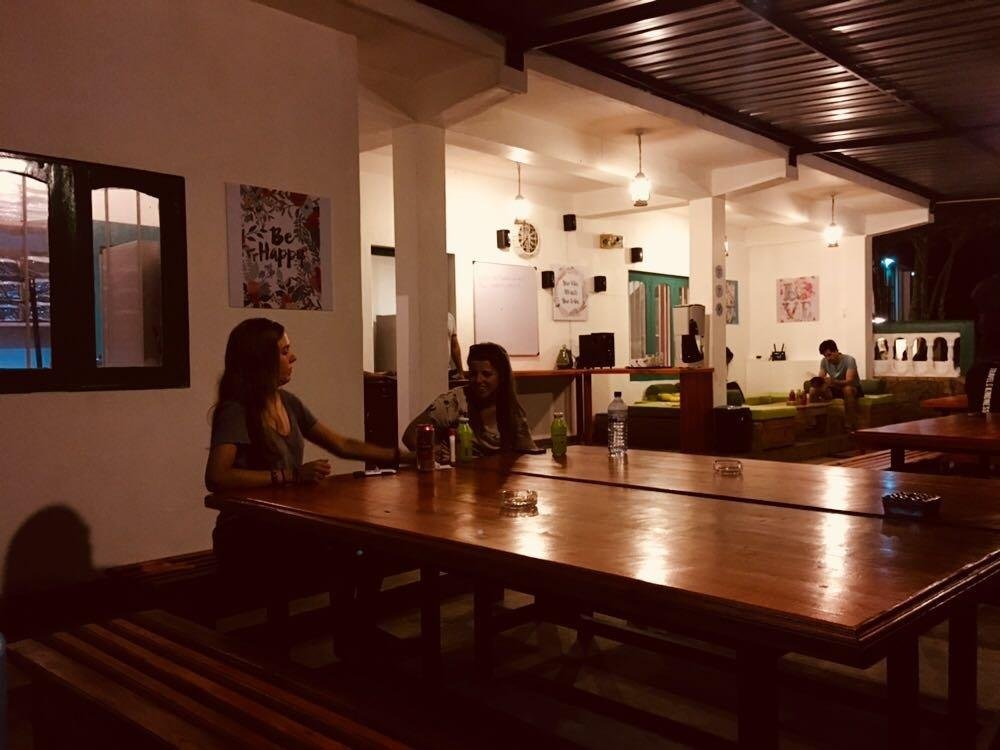
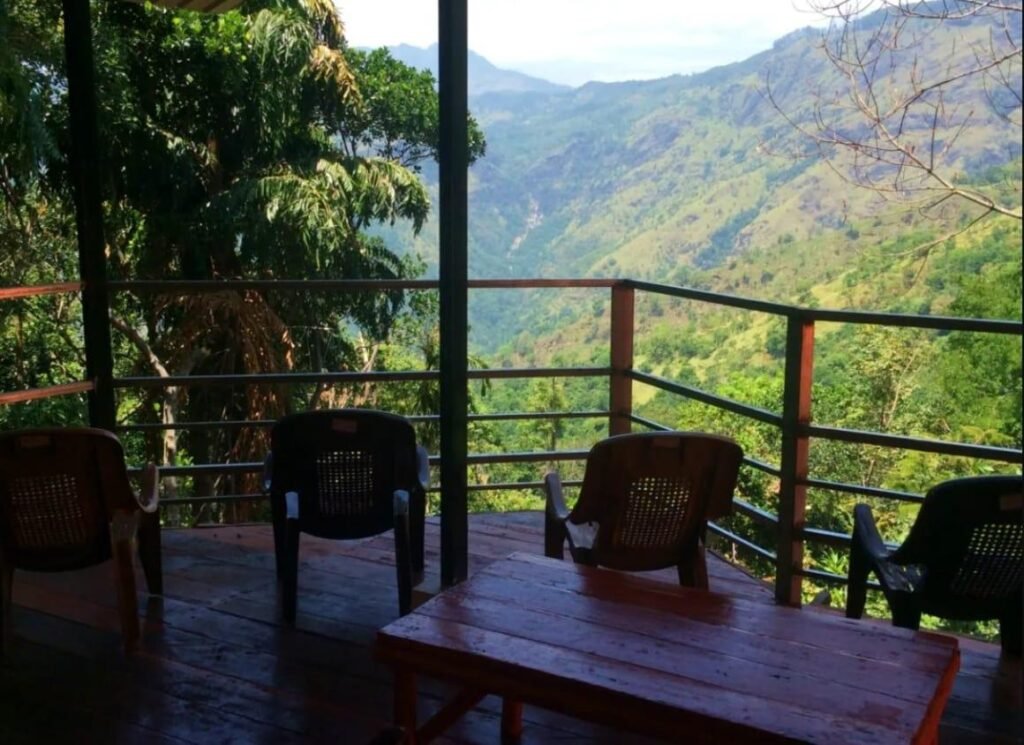
However, much of Ella’s tourism expansion was initially powered not by luxury hotels, but by:
- Informal guesthouses
- Family-run cafés
- Local tuk-tuk guides
- Village accommodations
- Independent adventure experiences
The town’s organic tourism culture created global popularity long before major investors arrived.
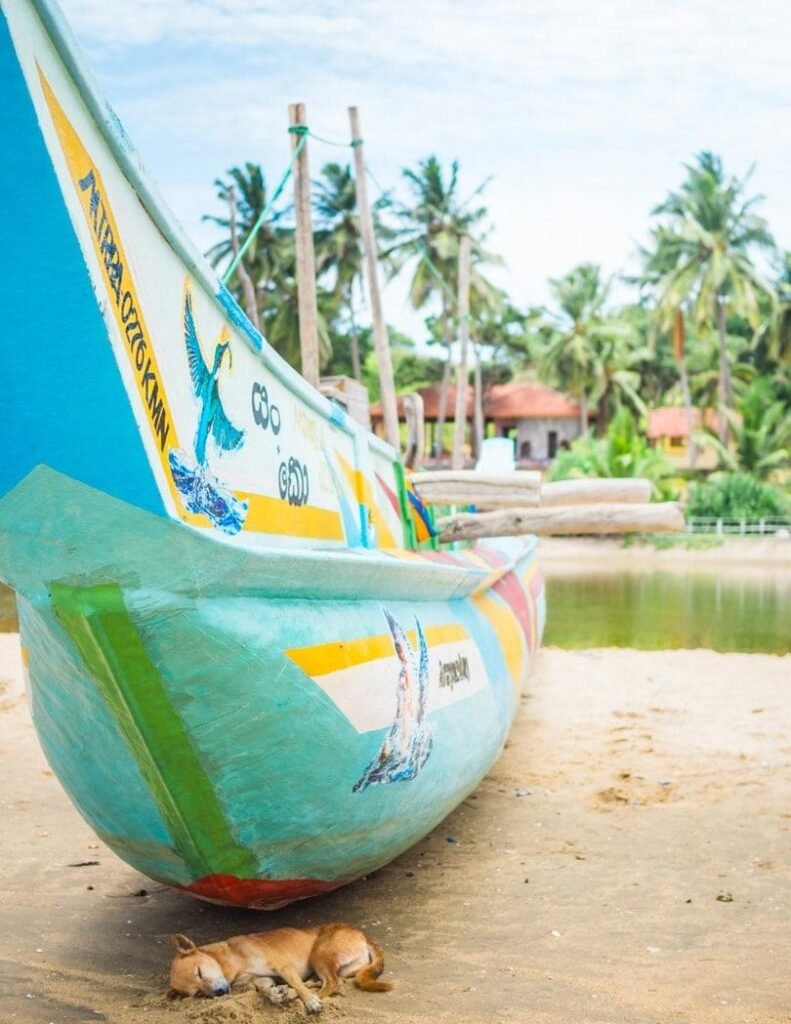
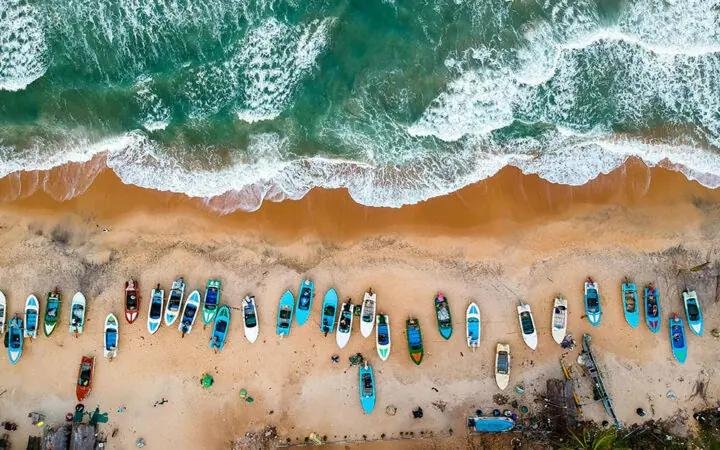
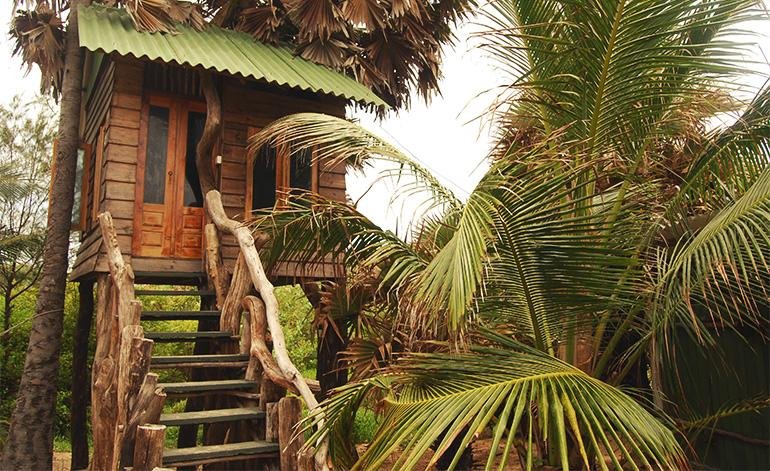
Case Study 2: Arugam Bay’s Community Tourism Model
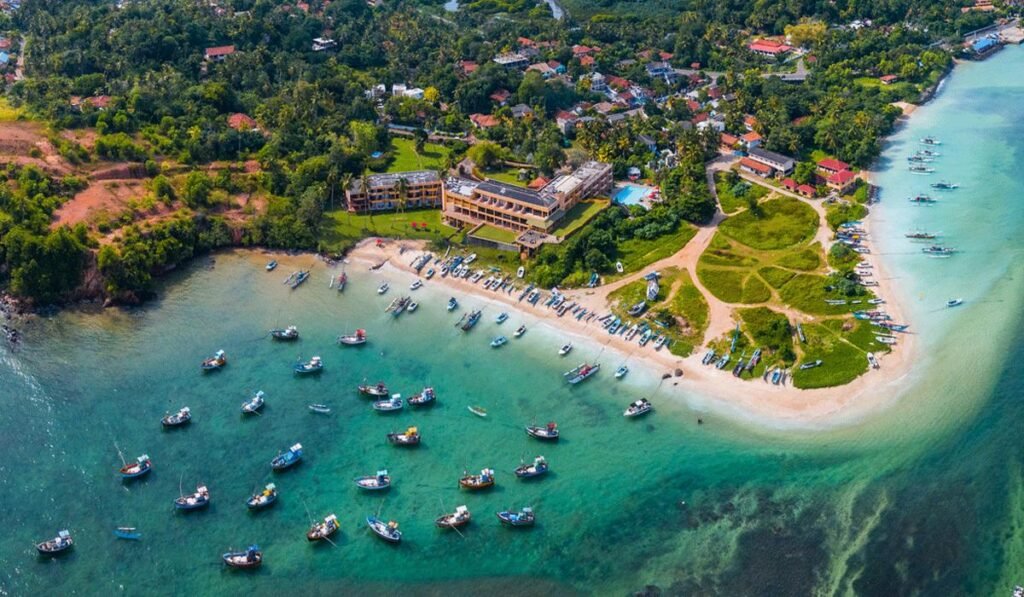
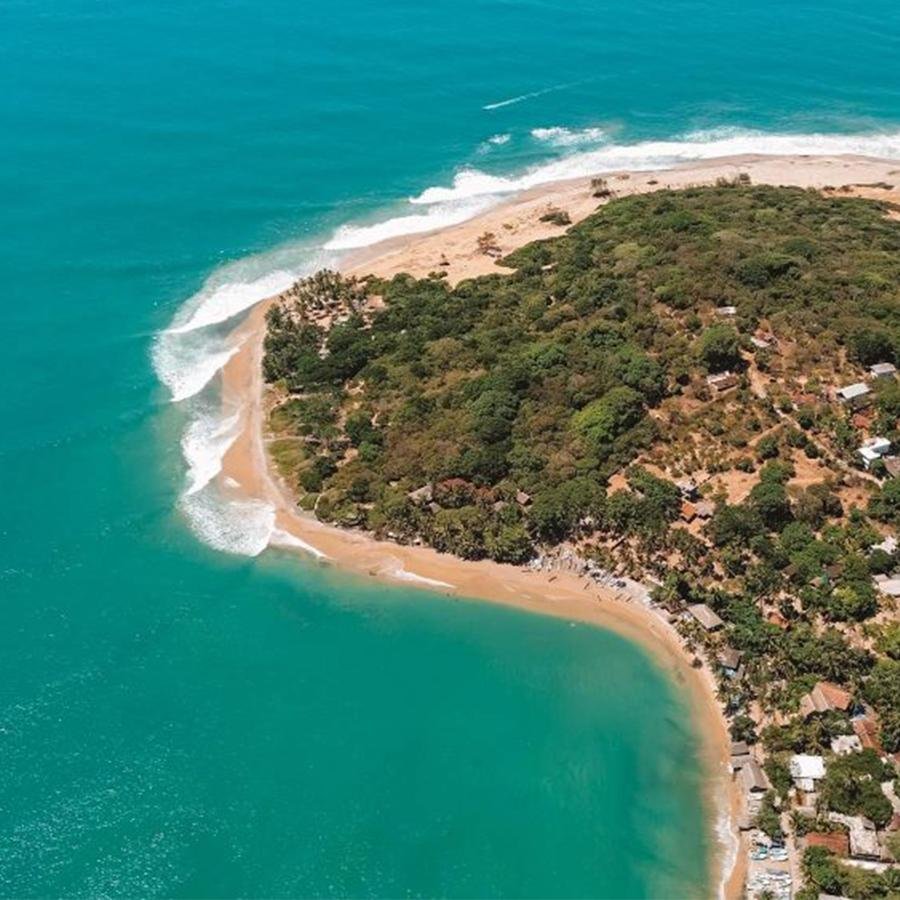
Arugam Bay’s surf tourism economy operates through a blend of formal and informal systems.
Many local families participate through:
- Small room rentals
- Surfboard hiring
- Beach cafés
- Informal transport services
- Community guiding
This decentralized participation distributes tourism income across wider segments of the local population.


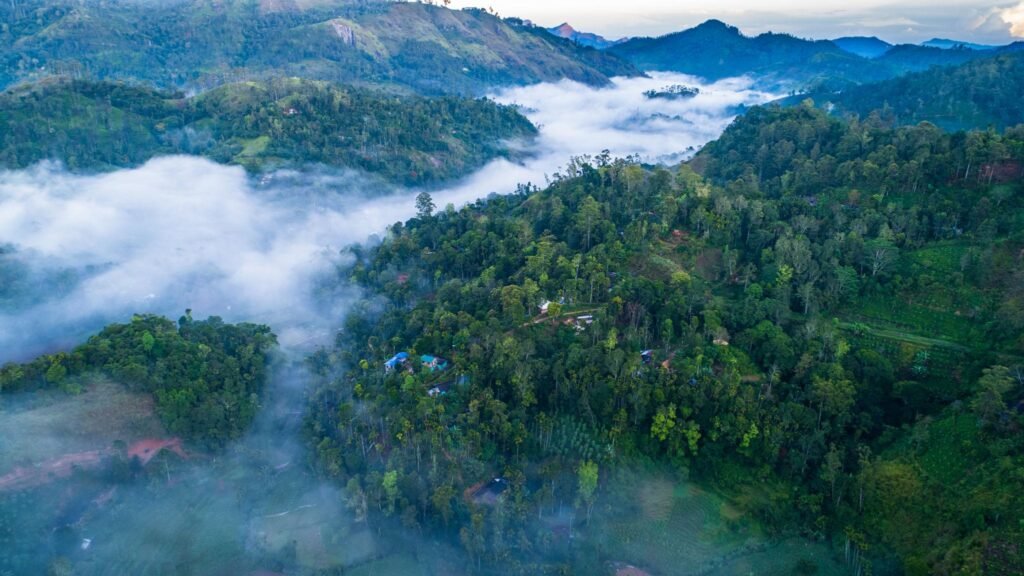
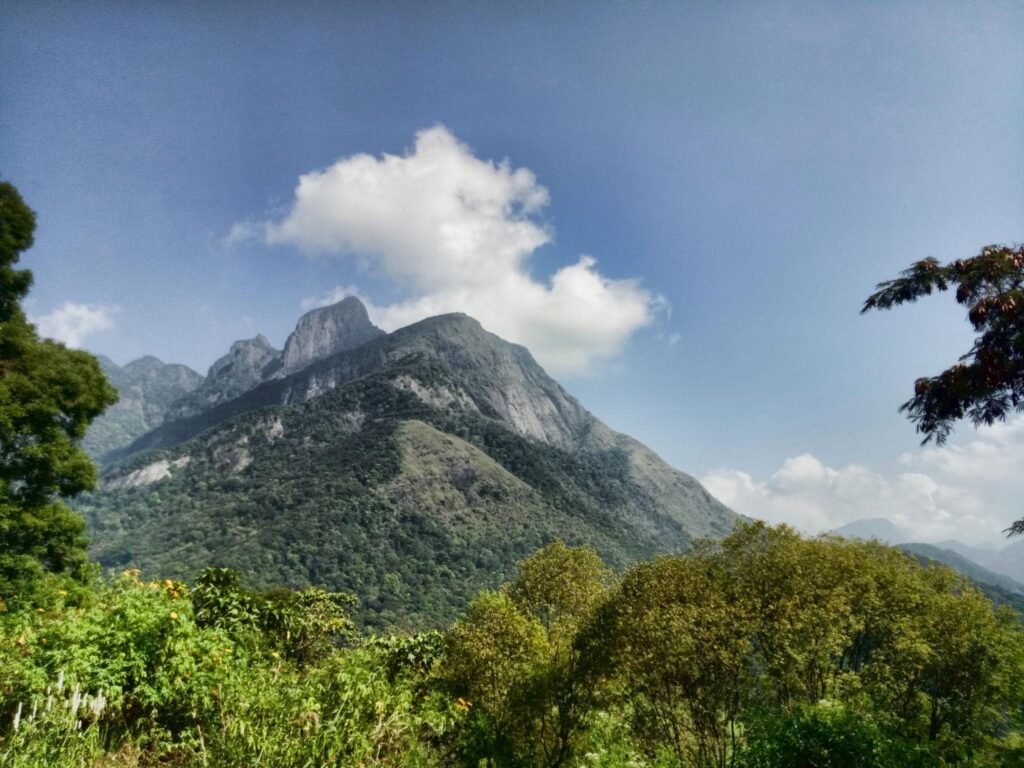
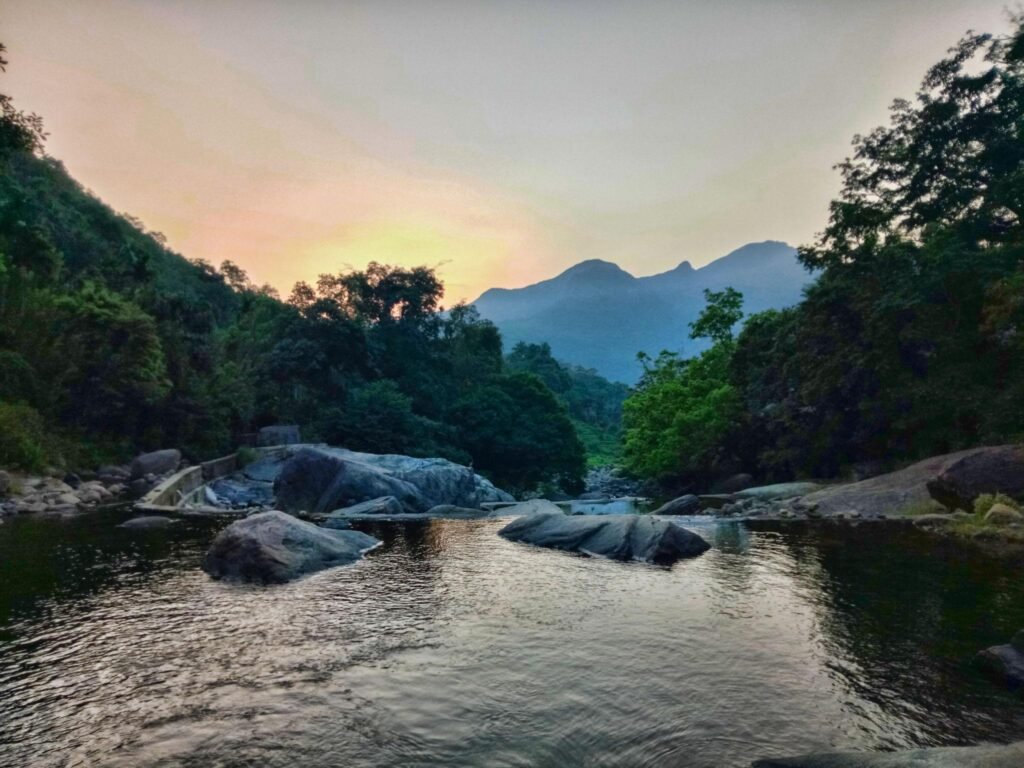
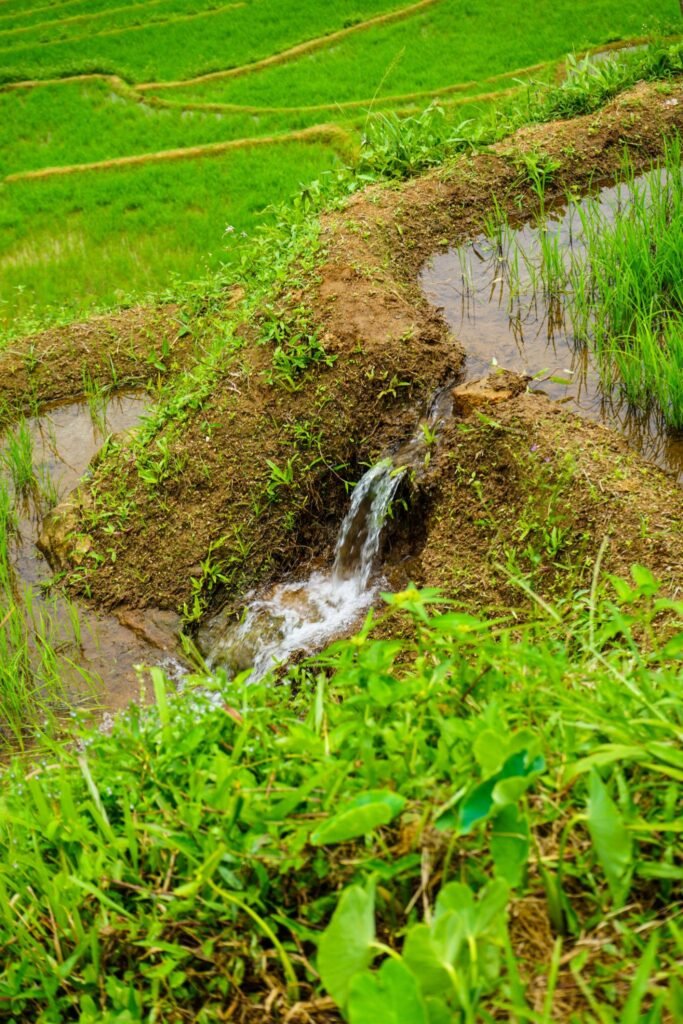
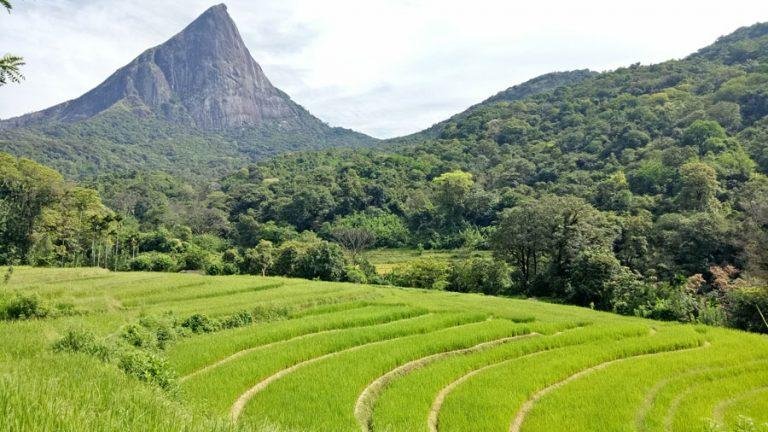
Case Study 3: Meemure and Controlled Exposure
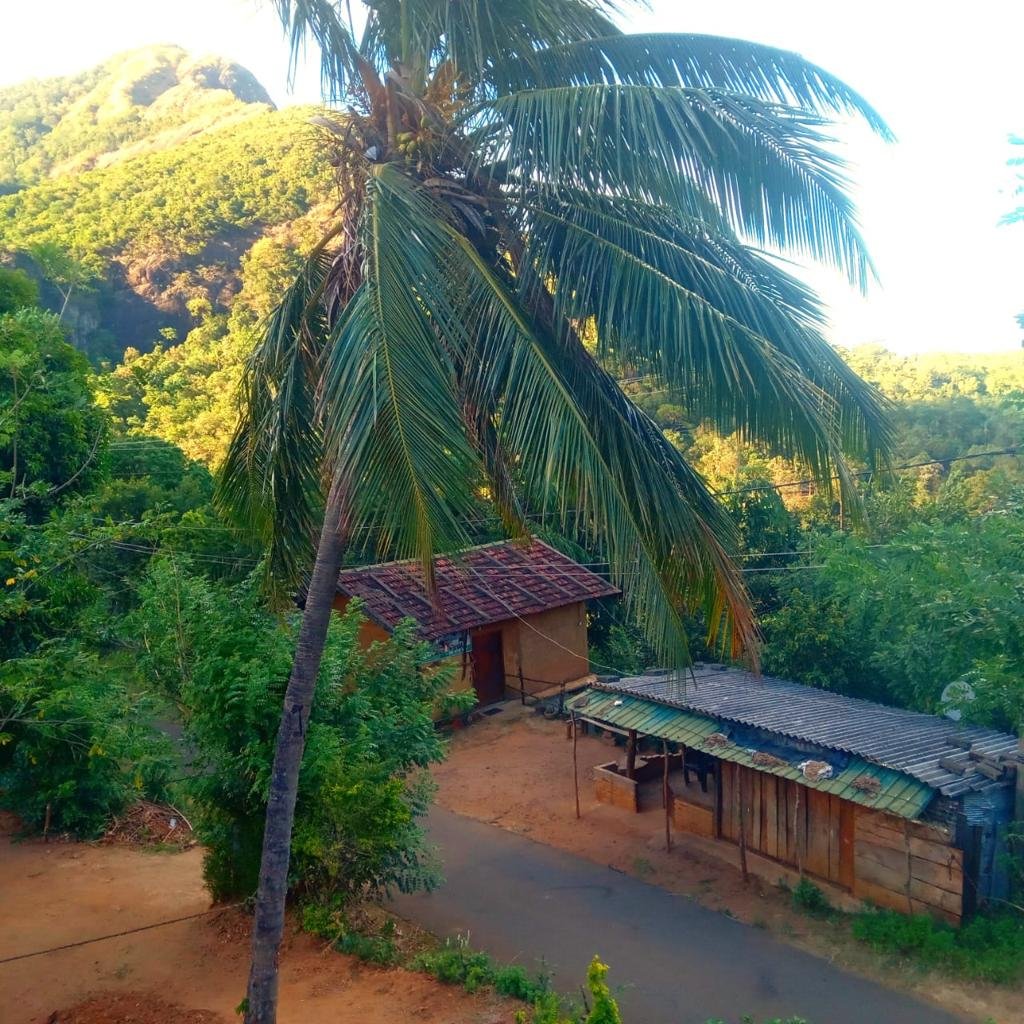
Meemure became popular precisely because it remained isolated and culturally preserved.
However, uncontrolled commercialization now threatens environmental sustainability.
This demonstrates why community tourism requires balanced governance rather than unrestricted exploitation.
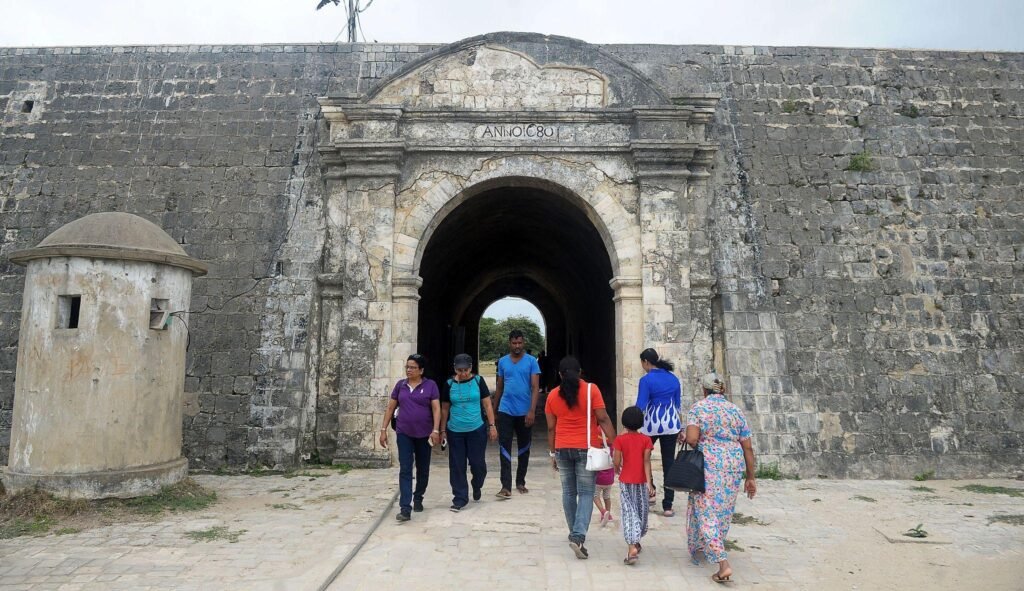
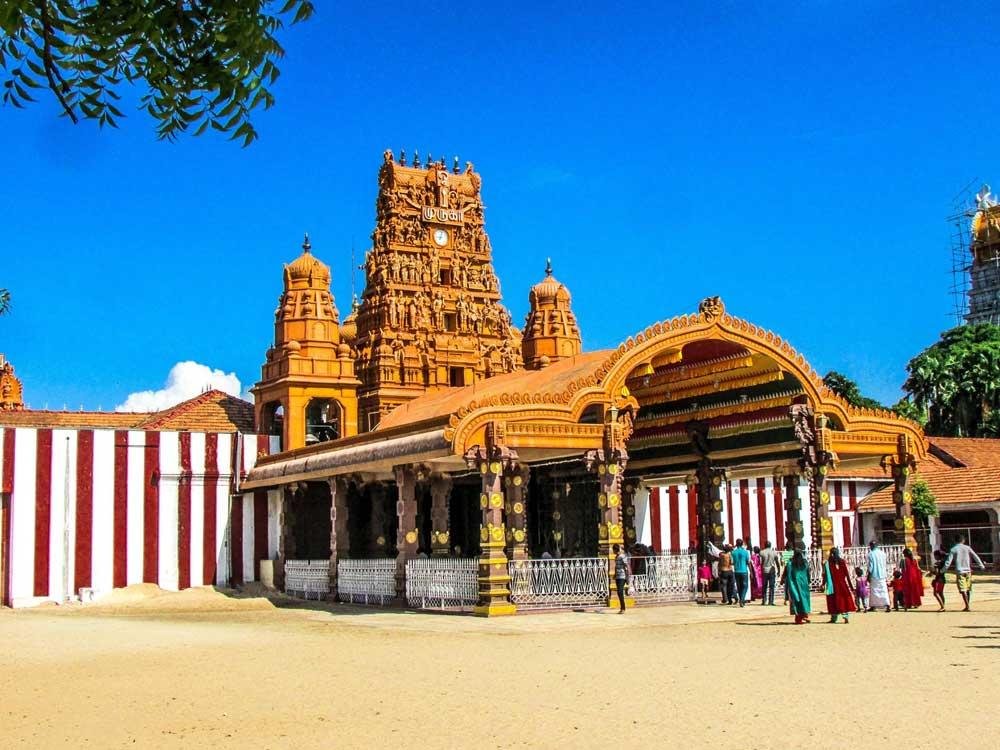
Case Study 4: Jaffna’s Family Hospitality Revival
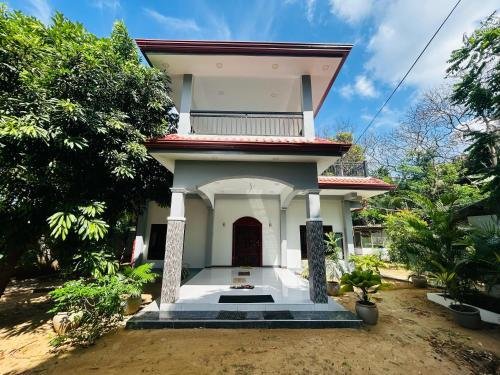
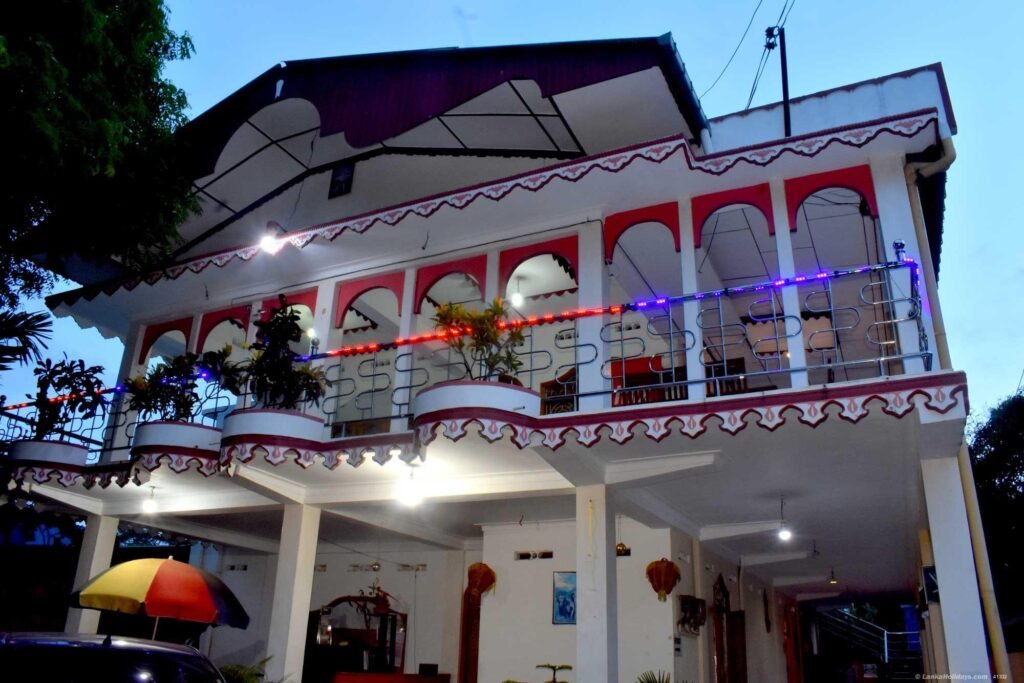
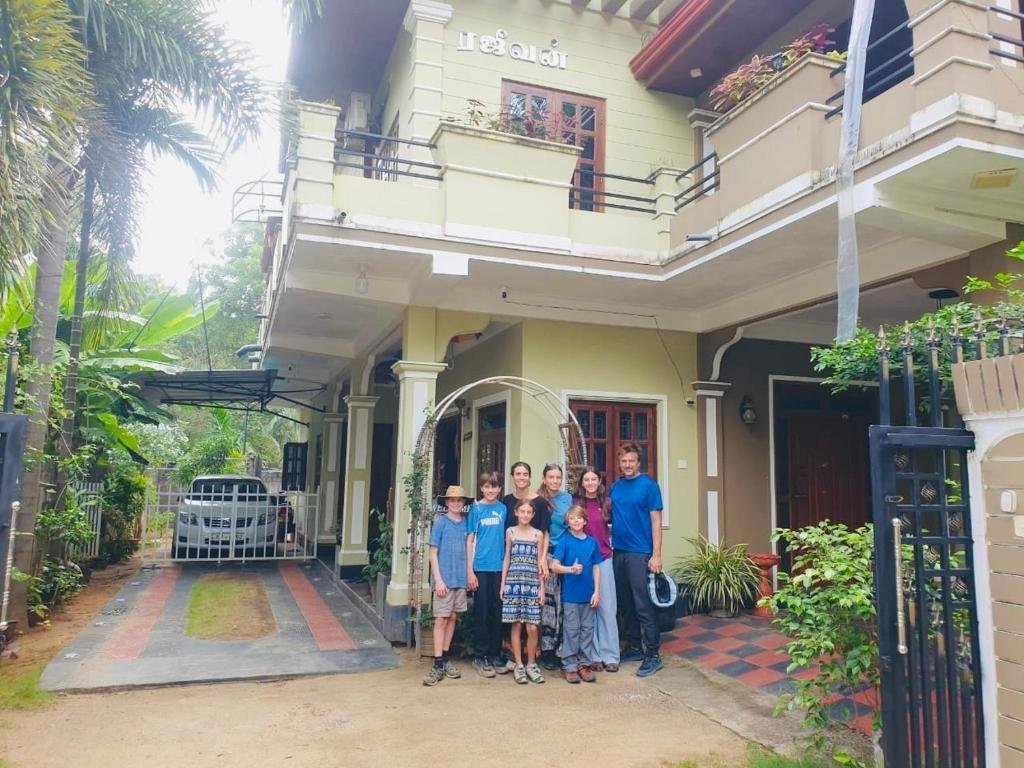
Post-conflict tourism in Northern Sri Lanka grew significantly through locally owned accommodations and family-operated hospitality businesses.
This helped communities rebuild livelihoods while introducing visitors to authentic Tamil cultural experiences.
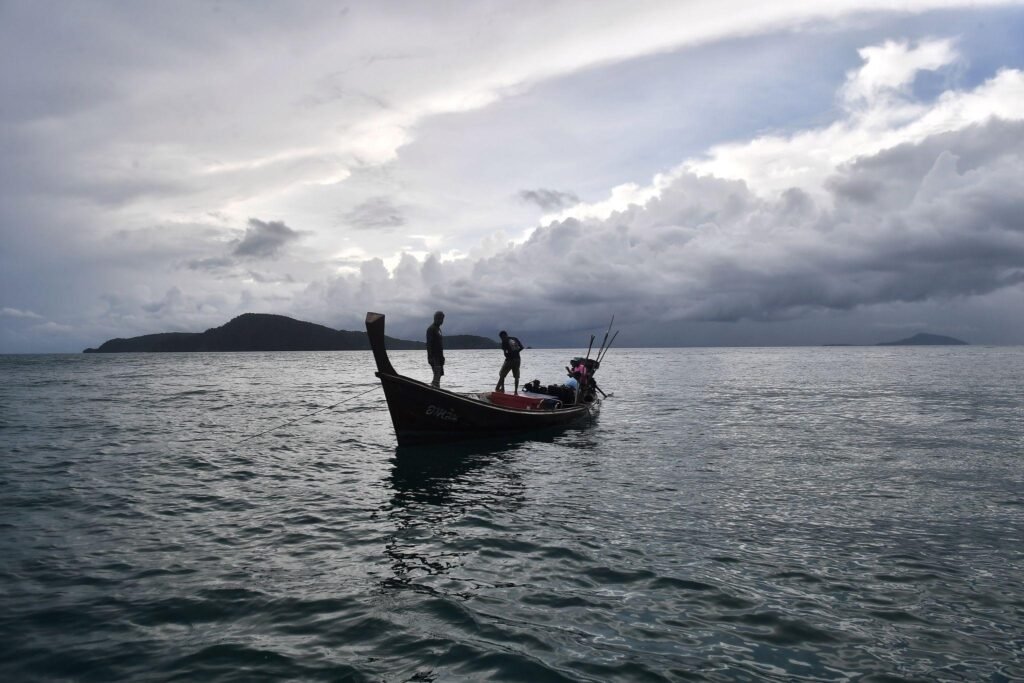
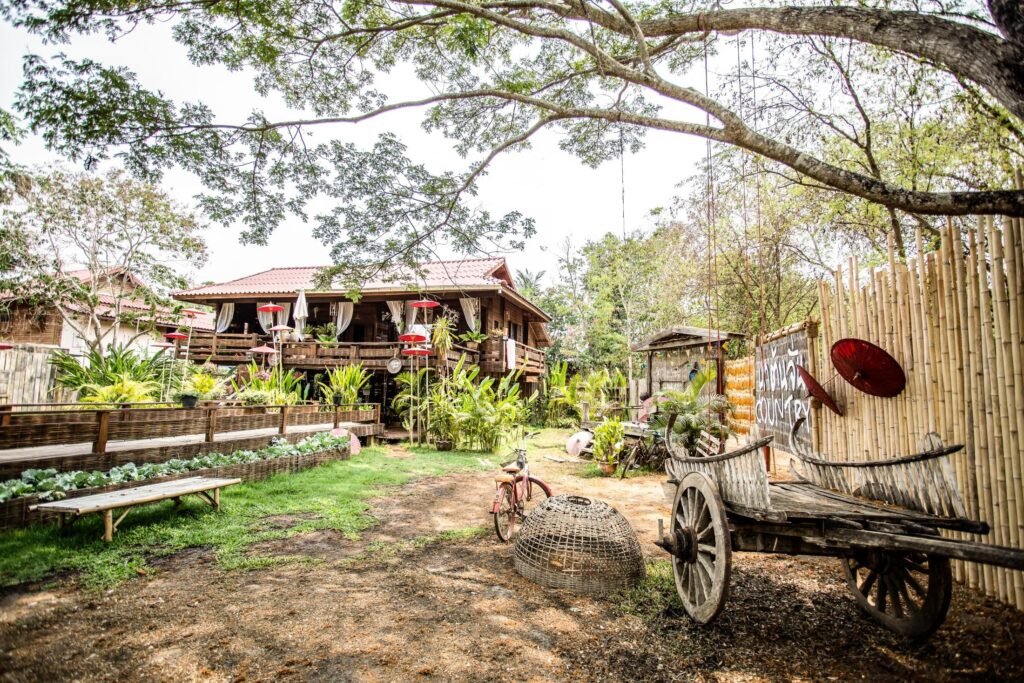
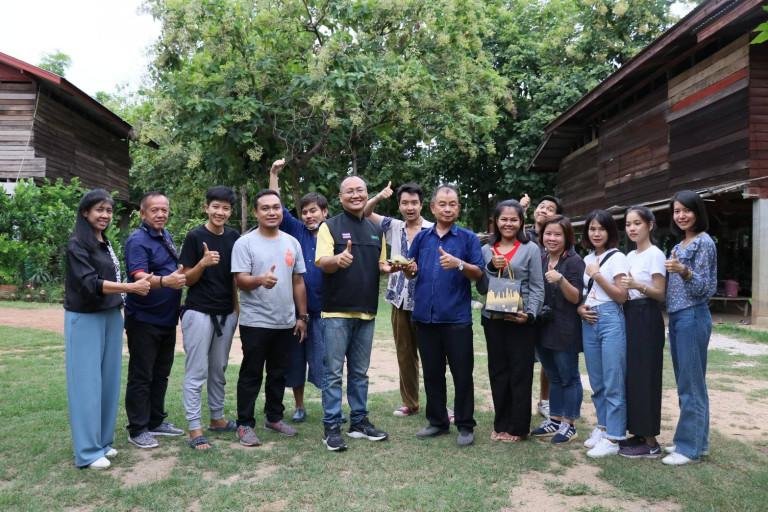
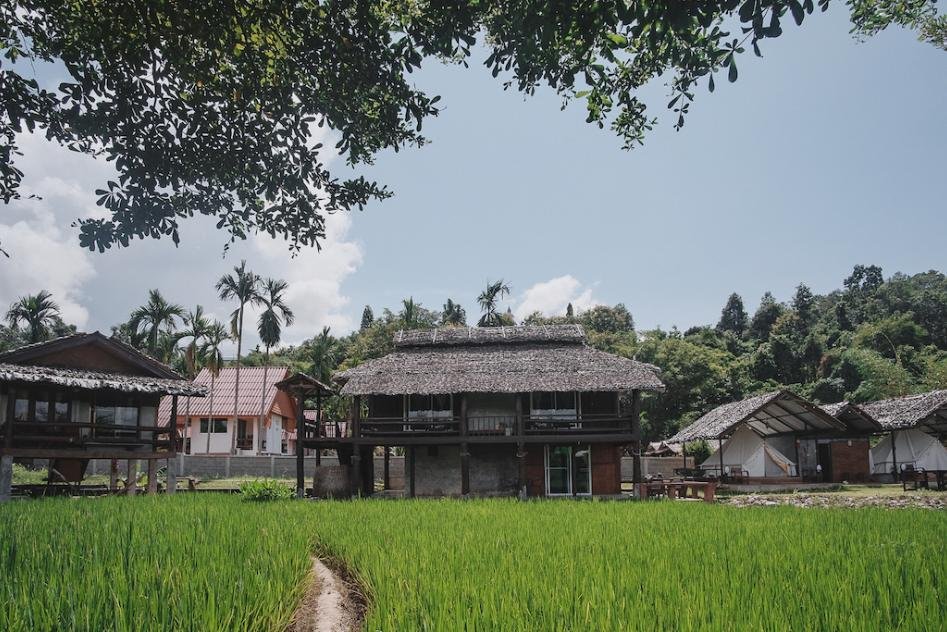
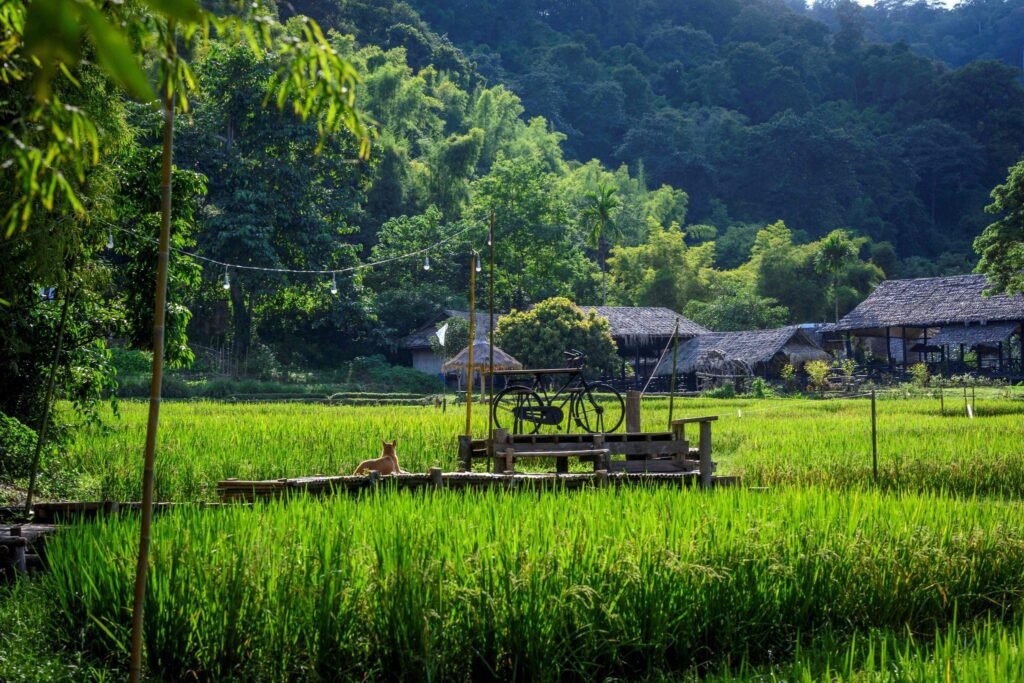
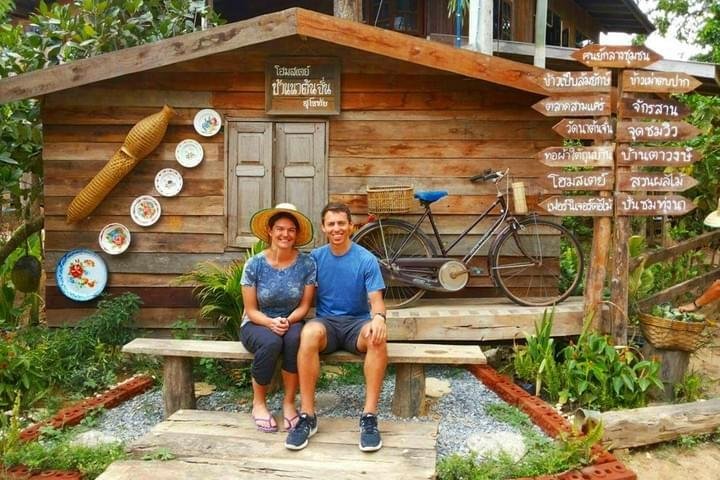
Case Study 5: Thailand’s Community Tourism Villages
Thailand successfully integrated community tourism into national branding while preserving village-level participation.
Instead of aggressive taxation, authorities focused on:
- Quality certification
- Safety training
- Sustainability standards
- Digital visibility
This model offers important lessons for Sri Lanka.
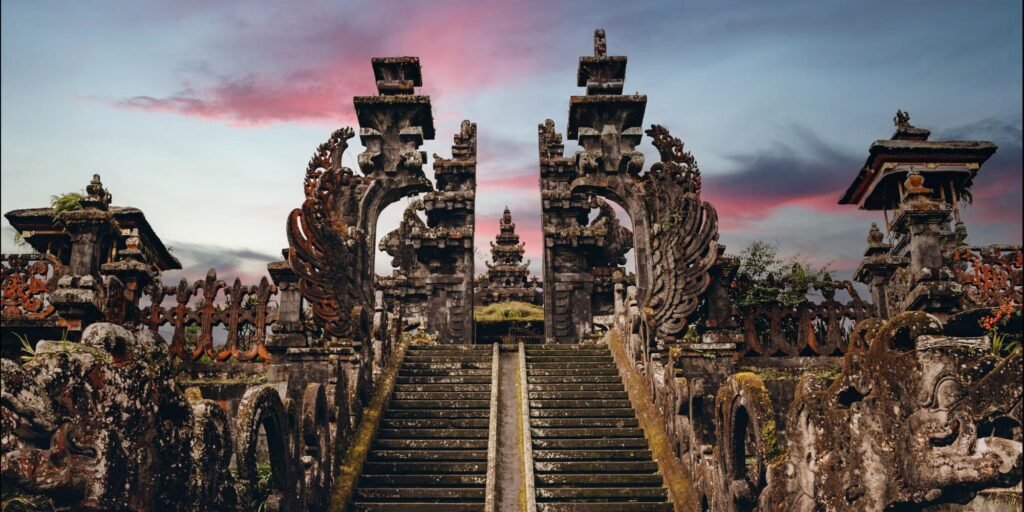
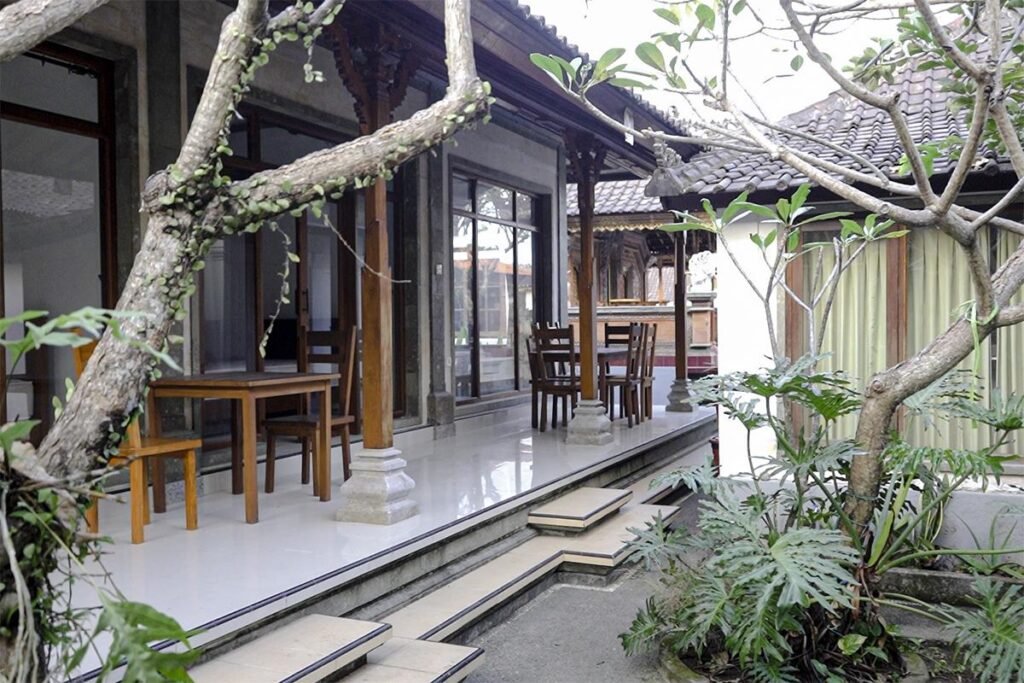
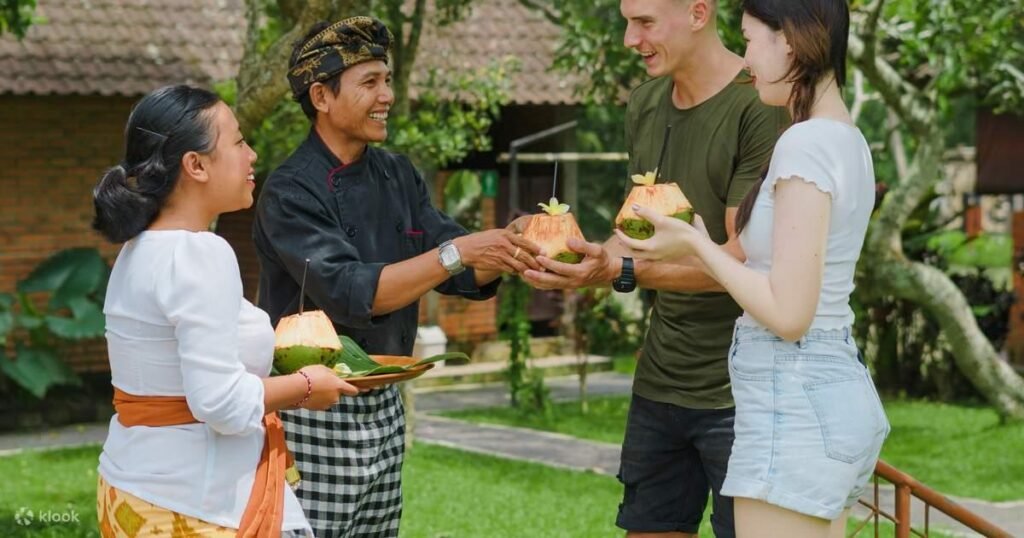
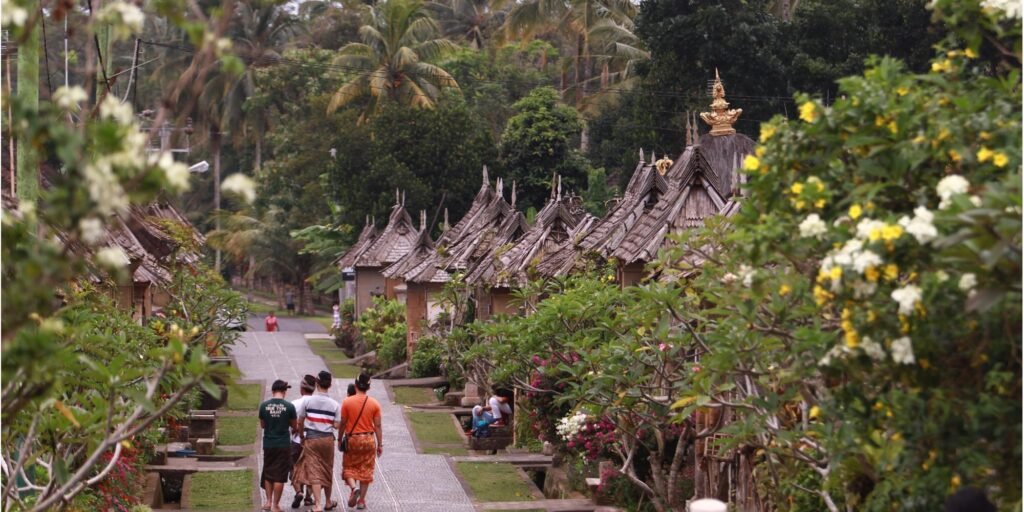
Case Study 6: Bali’s Cultural Preservation Economy
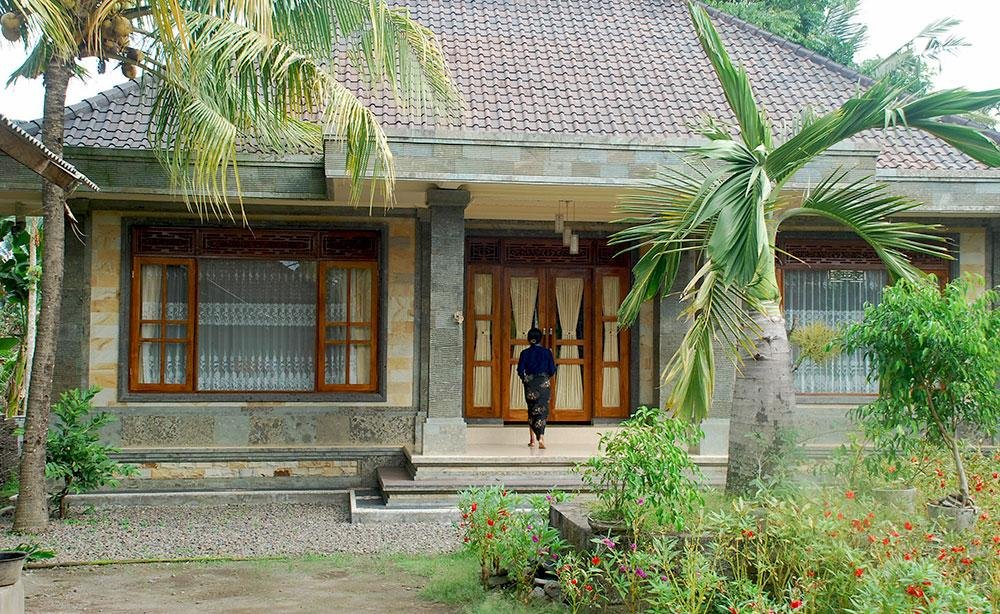
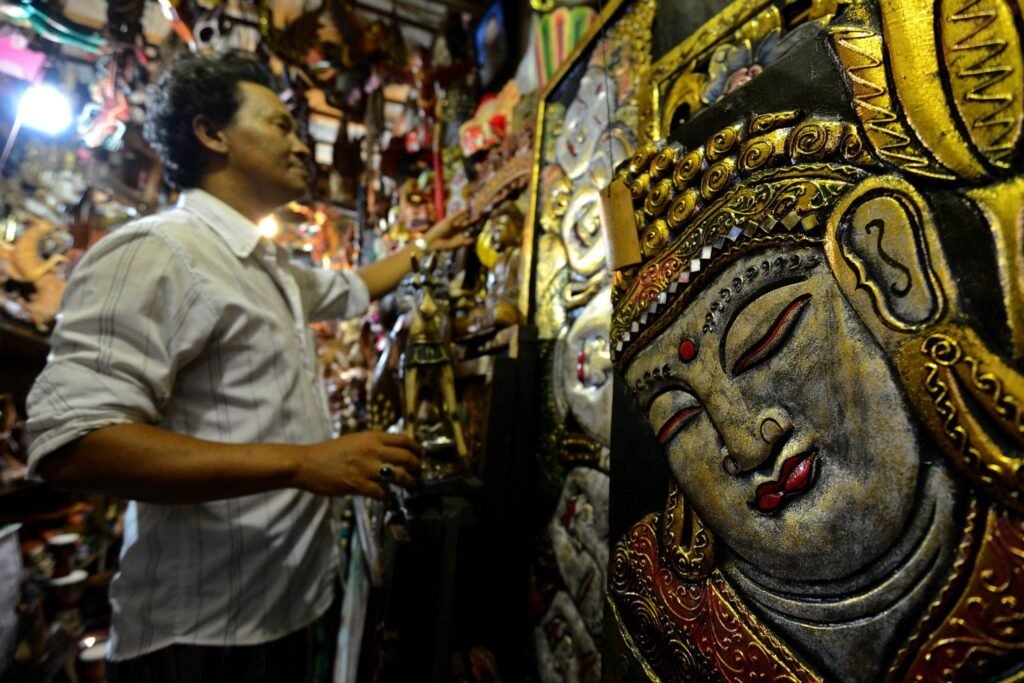
In Bali, family compounds evolved into tourism accommodations while maintaining cultural identity.
However, over-commercialization in some regions also demonstrates the dangers of uncontrolled tourism expansion.
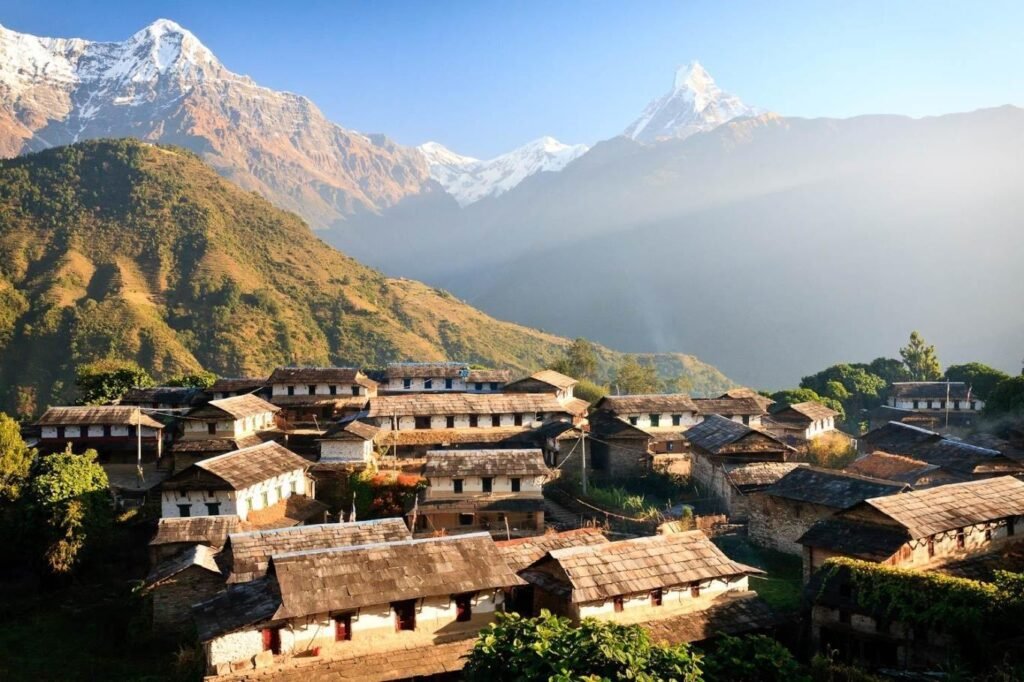
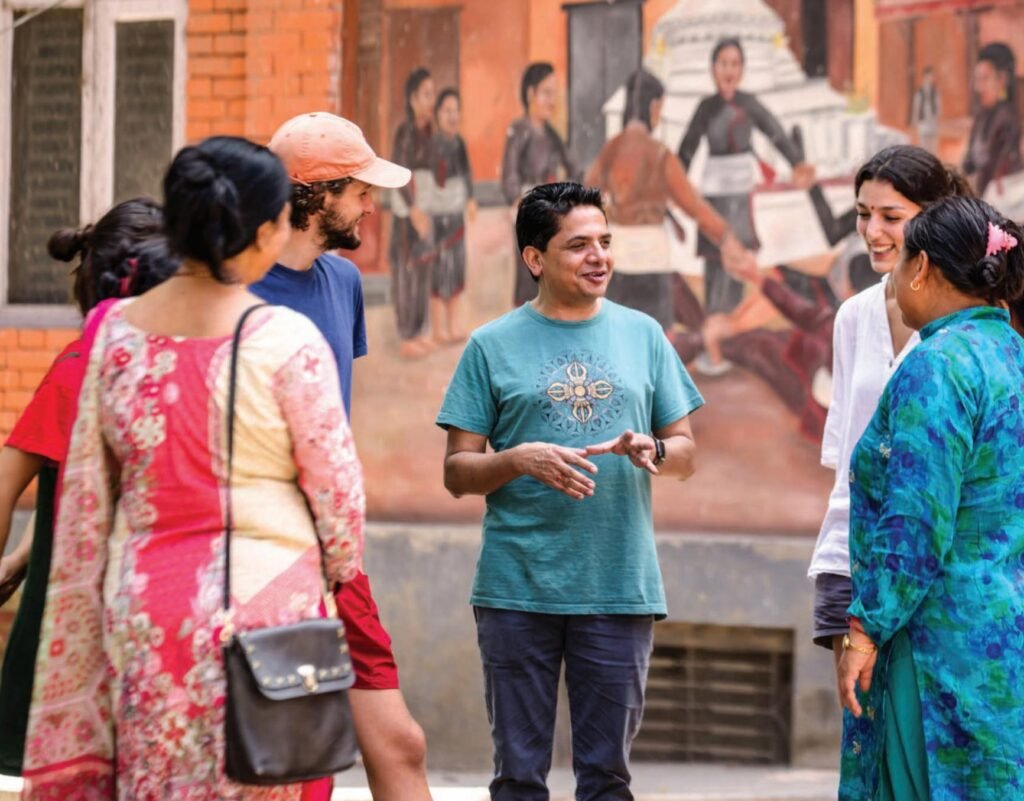
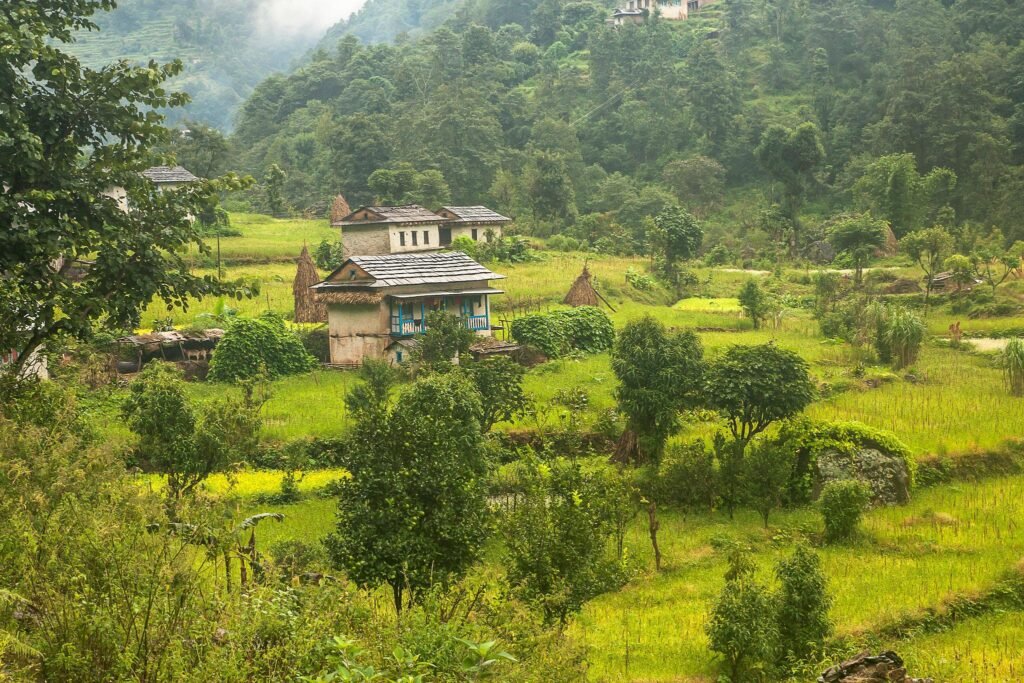
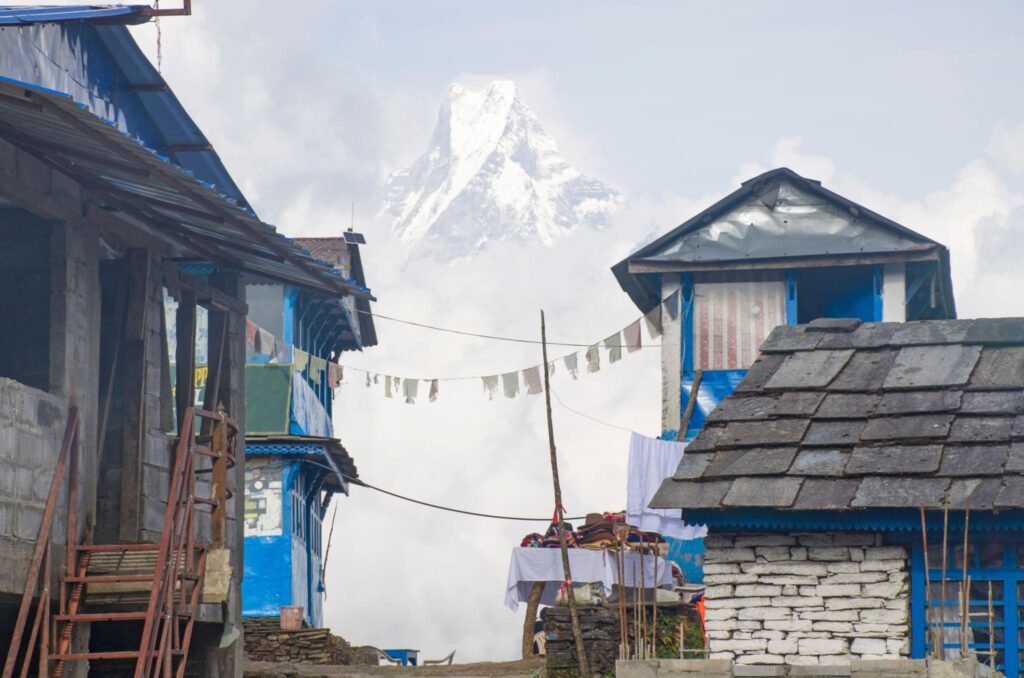
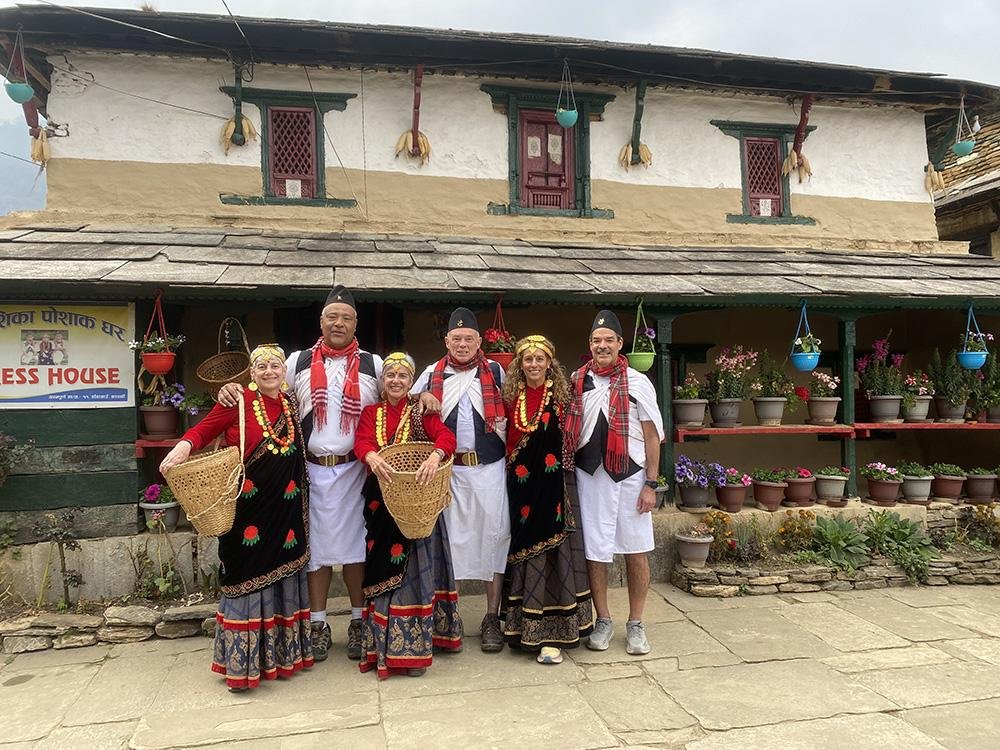
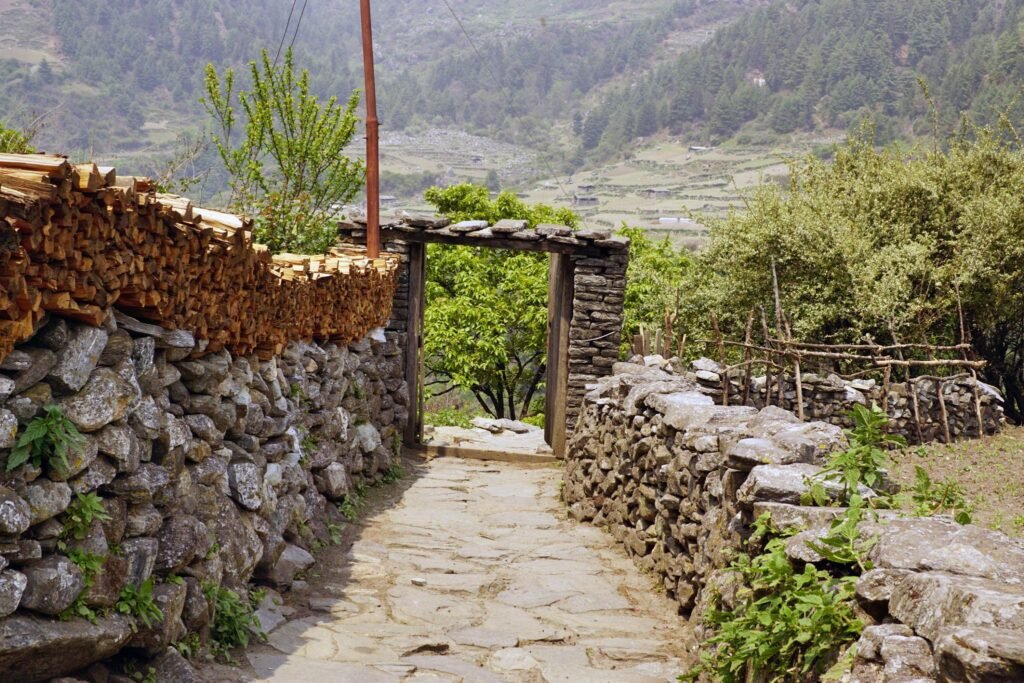
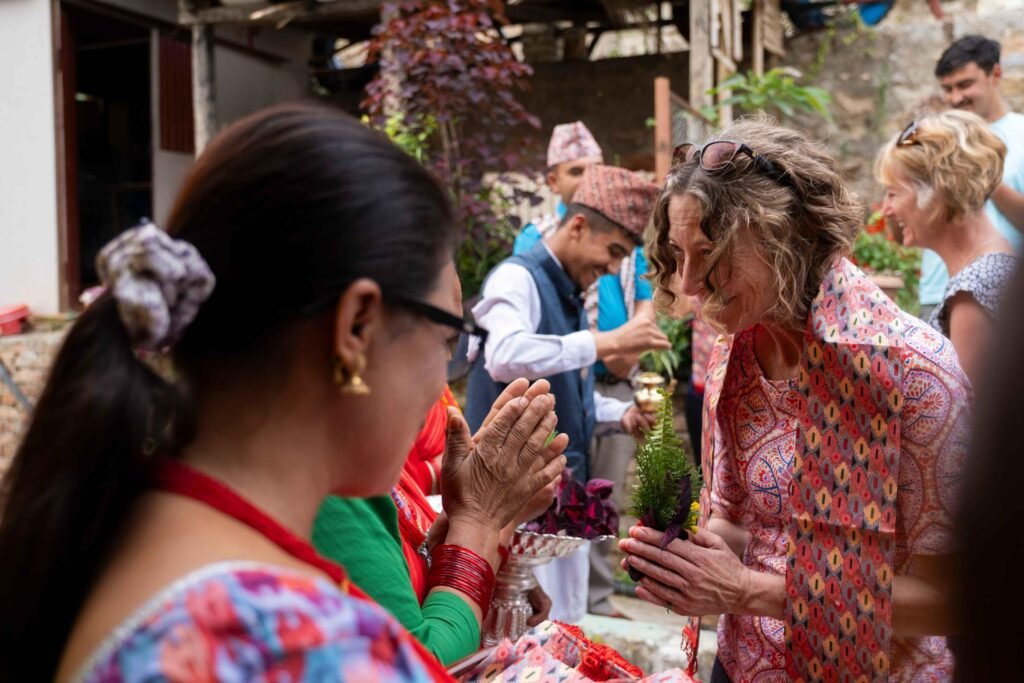
Case Study 7: Nepal’s Trekking Villages
Nepal’s mountain tourism economy relies heavily on informal community participation.
Tea houses, guides, porters, and village stays collectively sustain regional economies that formal systems alone could never support.
The Problem Is Not Informality — It Is Vulnerability
The greatest danger facing Sri Lanka’s hidden tourism economy is not invisibility.
It is vulnerability.
Without recognition:
- Communities lack legal protections
- Quality standards become inconsistent
- Travelers face trust risks
- Environmental damage may increase
- Exploitation becomes easier
- Cultural ownership weakens
Therefore, the goal should not be aggressive taxation.
The goal should be protective legitimacy.
A New Proposal: The Cultural Economy Passport
I propose a national framework called the Cultural Economy Passport (CEP).
The concept is simple.
Instead of forcing every small-scale tourism participant into traditional commercial structures, Sri Lanka could create a special recognition system for community-based tourism participants.
How the Cultural Economy Passport Could Work
Community Recognition Rather Than Corporate Licensing
Participants would receive recognition as:
- Cultural hosts
- Village tourism facilitators
- Heritage experience providers
- Eco-guides
- Community culinary hosts
- Traditional artisans
This preserves identity instead of forcing corporate categorization.
Simplified Registration
Registration processes must remain extremely simple and affordable.
Otherwise, rural participation will collapse.
Digital mobile-based registration could help expand accessibility.
Limited Tax Protection
Micro-scale operators below a reasonable income threshold could receive partial tax exemptions or simplified taxation structures.
This would encourage voluntary participation rather than resistance.
Quality and Safety Standards
Basic training could include:
- Hygiene standards
- Visitor safety
- Environmental responsibility
- Cultural ethics
- Language communication basics
This improves trust without destroying authenticity.
Local Ownership Protection
Policies should discourage excessive acquisition of community tourism assets by large external investors.
Otherwise, local economic participation will gradually disappear.
Digital Identity Verification
CEP-certified operators could receive digital identity verification systems connected to tourism platforms.
This increases traveler confidence while helping communities gain visibility.
Why This Model Matters for Sri Lanka’s Future
Sri Lanka does not need to become another over-commercialized tourism destination.
Its greatest competitive advantage is emotional authenticity.
That authenticity exists primarily in:
- Villages
- Communities
- Families
- Local stories
- Cultural traditions
- Human warmth
If tourism development ignores these realities, Sri Lanka risks losing the very identity that differentiates it globally.
However, if managed wisely, community tourism could become one of the country’s most inclusive economic engines.
Not every tourism success story needs skyscraper hotels.
Sometimes the future of tourism begins with a grandmother serving rice and curry in a village home.
The Ethical Dimension
There is also a moral dimension to this conversation.
Many community tourism participants operate outside formal systems not because they reject governance, but because formal systems historically excluded them.
Policy conversations therefore must avoid stigmatizing rural entrepreneurs.
Instead, governments, tourism authorities, academics, and private-sector stakeholders should ask:
- How do we protect local dignity?
- How do we preserve cultural ownership?
- How do we distribute tourism benefits fairly?
- How do we prevent exploitation?
- How do we ensure sustainability without destroying livelihoods?
These questions matter more than simple taxation debates.
The Future of Tourism Will Belong to Human Experiences
Artificial intelligence will automate many industries.
Luxury hotels will continue expanding globally.
Digital booking systems will evolve rapidly.
However, one thing technology cannot replicate is genuine human hospitality.
Sri Lanka’s hidden tourism economy survives because it offers something emotionally real.
That reality cannot always be measured through spreadsheets.
Some economies exist beyond accounting systems.
Some value systems operate through memory, trust, culture, and connection.
And perhaps that is exactly why they matter.
Final Reflection
Sri Lanka’s invisible tourism economy is not merely an economic phenomenon.
It is a cultural ecosystem.
An emotional economy.
A decentralized livelihood network.
A silent protector of rural resilience.
The challenge ahead is not whether to formalize it completely.
The challenge is whether Sri Lanka can build a smarter model that recognizes, safeguards, and empowers communities without suffocating the authenticity travelers seek.
Because once authenticity disappears, no marketing campaign can recreate it.
And once local communities lose ownership of tourism, rebuilding trust becomes far more difficult than building hotels.
The future of Sri Lankan tourism may therefore depend not only on investment zones, airport expansions, or luxury brands.
It may depend on whether the country learns to value the invisible ledgers already sustaining thousands of lives across the island.
Disclaimer
This article has been authored and published in good faith by Dr. Dharshana Weerakoon, DBA (USA), drawing upon publicly accessible tourism data, industry observations, international tourism development models, community-based tourism frameworks, and extensive professional experience across the global hospitality and tourism sectors. The content is intended solely for educational, analytical, journalistic, and public discussion purposes relating to sustainable tourism, rural economic participation, and cultural preservation within Sri Lanka and comparable emerging destinations.
All opinions expressed are personal, independent, and professional in nature, and should not be interpreted as legal, financial, taxation, investment, or governmental policy advice. Illustrative examples and case references are presented for academic and discussion purposes only and do not imply wrongdoing, regulatory violations, or misconduct by any institution, business, community, or individual.
The proposed “Cultural Economy Passport” framework is a conceptual policy discussion model designed to encourage sustainable, ethical, inclusive, and community-sensitive tourism development while respecting Sri Lankan law, cultural dignity, data privacy principles, intellectual property protections, and international responsible tourism standards. The author accepts no responsibility for any misinterpretation, unauthorized reproduction, selective use, or misuse of the material.
This article reflects independently developed professional analysis and lived industry expertise authored organically for public discourse.
Further Reading: https://dharshanaweerakoon.com/low-audit-fees-and-trainee-exploitation/
Further Reading: https://www.linkedin.com/newsletters/outside-of-education-7046073343568977920/