Silent Disco Safari: A New Era for Sri Lanka’s Wildlife Tourism – Meditative, Low-Impact, and Immersive
Introduction
Sri Lanka, a tropical island with a world-renowned diversity of wildlife, faces a remarkable opportunity to redefine how it offers nature-based experiences. While elephants, leopards, sloth bears, and endemic birds continue to attract thousands of tourists annually, the traditional model of wildlife safaris — often noisy, crowded, and vehicle-heavy — risks compromising both visitor satisfaction and ecological integrity.
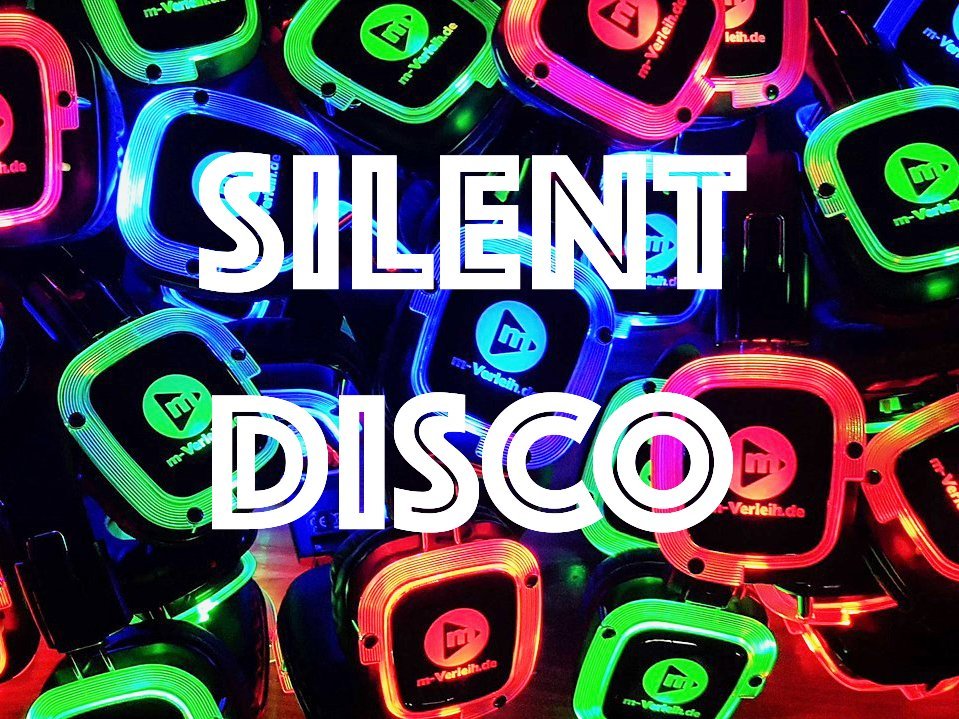
To respond to global shifts toward sustainability, mindfulness, and authentic experience, a new concept emerges: the “Silent Disco Safari.” This innovative approach transforms the conventional wildlife tour into a meditative, immersive, and low-impact journey. Guests wear wireless headphones through which guides share commentary, ecological insights, and mindfulness cues. The engine may be turned off when stationary, allowing natural soundscapes — the rustle of leaves, bird calls, distant elephant rumbles — to replace mechanical noise.
This isn’t about technology for technology’s sake; it is about reimagining human-nature connection. By reducing noise pollution and enhancing sensory awareness, the Silent Disco Safari introduces a powerful bridge between eco-tourism and wellness. This concept fits perfectly within Sri Lanka’s positioning as a high-value, sustainable, and mindful destination.
The Case for a Mindful Safari Revolution
Challenges in Conventional Wildlife Tourism
Over the years, studies from across Africa, Asia, and the Americas have shown that noise pollution from vehicles, boats, and tourist chatter significantly alters animal behavior. Excessive sound disrupts resting patterns, feeding, and even reproductive behavior. Research in several African parks found that noise and crowding reduced predator listening zones by nearly 70 percent.
In popular destinations such as Yala National Park in Sri Lanka, visitors often report vehicle congestion, where dozens of jeeps cluster around a single leopard sighting. While this satisfies immediate curiosity, it undermines the serenity and authenticity of the wild. Similar patterns have been observed in Tanzania’s Ngorongoro Conservation Area, Botswana’s Chobe National Park, and Kenya’s Masai Mara. These examples highlight the need for an experience model that values silence as luxury — a shift from volume-driven to value-driven tourism.
What the Silent Disco Safari Offers
The Silent Disco Safari integrates three essential pillars:
- Wireless Interpretation:
Visitors receive real-time commentary through wireless headphones, ensuring guides can speak softly without disturbing wildlife or other groups. Interpretation can include ecology, conservation stories, and mindfulness cues, turning a wildlife drive into a contemplative journey. - Low-Noise Mobility:
Vehicles equipped with electric or hybrid engines drastically reduce sound levels. In some cases, safaris can even be walking-based or conducted with engines switched off while stationary. This minimizes disturbance and creates a genuine auditory connection to the natural world. - Mindful Immersion:
The approach encourages tourists to “listen to silence.” Instead of focusing solely on visual sightings, guests become aware of subtler sounds: bird calls, wind in the grass, distant animal communication. This sensory mindfulness deepens appreciation and emotional connection, fostering a long-lasting bond with nature.
Why Now for Sri Lanka
Sri Lanka’s post-pandemic tourism revival focuses on sustainability and higher-yield travelers rather than mass arrivals. The country’s rich biodiversity — 26 national parks, 61 sanctuaries, and 29 percent forest cover — provides an ideal foundation. However, the nation must mitigate issues of over-visitation, particularly in Yala, Minneriya, and Udawalawe.
The Silent Disco Safari model presents a breakthrough that harmonizes conservation, guest satisfaction, and destination differentiation. It embodies quiet innovation — exactly what Sri Lanka’s tourism brand needs to appeal to the global wellness and eco-travel market.
Global Inspirations and Case Studies
Case Study 1: Tanzania’s Electric “Silent Safari”
Tanzania pioneered “silent safaris” using electric vehicles, where guides and guests glide through reserves with minimal sound. Visitors report feeling closer to wildlife, observing natural behavior without stress reactions. Elephants, for example, no longer retreat from approaching vehicles. The transition requires investment, yet the payback is immense: enhanced visitor experience and stronger conservation reputation.
Lesson for Sri Lanka: With shorter park distances and smaller vehicle fleets, Sri Lanka could adopt electric or hybrid vehicles faster and more efficiently, positioning itself as Asia’s first silent safari destination.
Case Study 2: Jhalana Leopard Reserve, India
A field study in India compared wildlife reactions to traditional diesel and electric vehicles. Over 227 observations across birds and mammals revealed that animals allowed closer approach when noise levels were reduced.
Lesson: Quieter safaris enhance both guest experience and animal welfare. In Sri Lanka’s leopard-rich Yala or Wilpattu, this could reduce animal stress and enable more natural sightings, enhancing photographic and emotional satisfaction.
Case Study 3: Chobe National Park, Botswana
Surveys at Chobe found that over 40 percent of tourists identified noise, congestion, and land degradation as major negatives. Stakeholders confirmed that overcrowding and sound pollution eroded the quality of the wildlife experience.
Lesson: Even elite wildlife destinations grapple with these challenges. Sri Lanka can pre-emptively avoid them by introducing Silent Disco Safari experiences before congestion escalates further.
Case Study 4: Mole National Park, Ghana
A recent study on wildlife tourism experiences in Ghana found that authentic and mindful engagement significantly increased visitor satisfaction and environmental responsibility. Participants who experienced deeper emotional connection were 65 percent more likely to engage in pro-environmental behavior.
Lesson: The Silent Disco Safari, through mindfulness and authenticity, not only delights guests but also nurtures ambassadors for conservation. Emotional connection translates to responsible tourism.
Case Study 5: United States National Park System
The U.S. National Park Service documented that a mere 5-decibel rise in human noise reduced predators’ ability to hear prey over 70 percent of their range. More than 800 peer-reviewed studies now confirm that anthropogenic sound alters wildlife distribution and survival.
Lesson: Reducing noise isn’t a luxury; it’s a conservation imperative. Silent safaris provide a scientific and ethical rationale for quieter operations in Sri Lanka’s protected areas.
Case Study 6: Sea Lion Conservation in New Zealand
Research by Griffith University found that eco-tourism initiatives directly contributed to the survival of several species by funding habitat restoration and predator control.
Lesson: If designed well, Sri Lanka’s Silent Disco Safari revenue could fund ranger training, anti-poaching initiatives, and reforestation projects, ensuring that tourism tangibly supports conservation.
Case Study 7: Port-Cros National Park, France
When visitors received education on sound awareness, measurable declines in anthropogenic noise followed. Communication, it turns out, is as vital as technology.
Lesson: The Silent Disco Safari must include orientation briefings, explaining the power of silence. When tourists understand why silence matters, they protect it.
A Framework for Sri Lanka’s Implementation
Phase 1: Feasibility and Pilot Design
- Site Selection: Identify parks with manageable traffic, such as Wilpattu, Udawalawe, or selected buffer zones around Yala.
- Vehicle Choice: Convert existing jeeps into hybrid or electric formats. Alternatively, develop guided walking safaris for certain zones.
- Wireless Infrastructure: Invest in multi-channel wireless headphone systems with 6–8 headsets per vehicle.
- Guide Training: Train guides in mindful narration, low-tone delivery, and ecological storytelling.
- Noise Baseline Studies: Partner with universities or conservation bodies to measure current decibel levels and wildlife responses.
- Experience Design: Curate audio journeys combining ecology with mindfulness, for example: “Pause and listen to the rhythm of the forest.”
- Pricing Strategy: Market as a premium low-volume product with higher per-guest yield.
- Community Contribution: Dedicate a portion of every booking — say, 5 percent — to local conservation funds.
Phase 2: Pilot Launch and Monitoring
Implement the concept in a controlled environment for 6–12 months. Collect data on:
- Noise reduction (in decibels)
- Animal response and visibility
- Visitor satisfaction ratings
- Contribution to conservation funds
Metrics such as guest “sense of calm” or “depth of immersion” can serve as qualitative indicators. Success stories can form the foundation for national scaling.
Phase 3: Scale and Brand Differentiation
Upon successful pilots, replicate the model across national parks and partner eco-lodges. Integrate mindfulness sessions, yoga, or local herbal tea tastings to create an end-to-end wellness experience.
Market internationally as “Sri Lanka Silent Safari – Where the Wild Speaks and We Listen.” Position the country as Asia’s leader in mindful wildlife tourism, appealing to travelers from Europe, the USA, Australia, and emerging Asian markets seeking deeper ecological connection.
Phase 4: Continuous Improvement
Introduce bio-acoustic sensors to monitor sound levels in real time. Publish findings transparently to prove conservation impact. Develop certification standards — “Silent Safari Certified” — ensuring consistency and quality. Collaborate with the Sri Lanka Tourism Development Authority and Department of Wildlife Conservation for national endorsement.
Operational, Ethical, and Legal Dimensions
Legal and Policy Alignment
All operations must comply with Sri Lanka’s wildlife protection laws, ensuring vehicle routes, stopping points, and noise levels align with official regulations. The Intellectual Property Act protects original guide scripts and interpretive audio, while data privacy laws safeguard guest information.
Wildlife Ethics
Quiet does not mean intrusion. Guides must respect buffer distances and natural behaviors. Wildlife must never be lured or cornered for photography. Silence should serve observation, not manipulation.
Community Engagement
Local communities near parks should share in the economic benefits — through employment, guide training, or community tourism initiatives. Transparency in profit-sharing builds trust and sustainability.
Marketing and Communication
The Silent Disco Safari should be promoted as an emotional journey, not a tech gimmick. Campaigns should highlight silence as luxury and mindfulness as value. Use sensory storytelling — “Hear the forest breathe,” “Let the jungle speak.”
SEO Keywords:
Silent Safari Sri Lanka, mindful wildlife tour, eco safari, low-impact travel, sustainable tourism, wellness and nature, quiet wildlife experience, Sri Lanka eco innovation.
Pricing and Economics
While premium pricing (for example, USD 350–400 per person) may seem high, travelers increasingly seek exclusivity and authenticity. Fewer guests per safari mean higher per-capita yield, reduced impact, and a stronger brand reputation.
Statistical Insights and Market Context
- Studies indicate that 40 percent of tourists in African parks identify noise as a key negative factor.
- 800+ scientific papers confirm the link between human noise and wildlife disruption.
- 65 percent of variance in memorable wildlife experiences correlates with emotional and mindful engagement.
- Even a 5-decibel increase in noise can reduce predator hearing zones by 70 percent.
- Sri Lanka Tourism Development Authority data show increasing demand for nature-based and wellness-focused experiences, with post-pandemic visitors prioritizing sustainability and authenticity.
Such figures demonstrate a global realignment: tourists no longer chase quantity but seek quality encounters. The Silent Disco Safari caters precisely to this shift.
Practical Recommendations for Sri Lanka
- Choose Pilot Parks: Begin with Udawalawe (for elephants) and Wilpattu (for leopards).
- Create Partnerships: Link with luxury eco-lodges and wellness retreats.
- Develop Training Curriculum: Introduce “Mindful Guide Certification.”
- Procure Equipment Locally: Encourage Sri Lankan entrepreneurs to develop or import noise-reduction and wireless gear.
- Measure Success Scientifically: Publish annual sustainability reports with decibel data and conservation funding outcomes.
- Market Globally: Use social media storytelling, influencer collaboration, and VR previews to reach eco-conscious audiences.
- Establish National Branding: “Sri Lanka Silent Safari Certified” could become a quality mark akin to Fair-Trade or Green Globe certification.
- Maintain Exclusivity: Limit daily departures to maintain calm and ecological integrity.
- Incorporate Wellness Add-ons: Combine with meditation sessions or spa therapies emphasizing natural harmony.
- Community Inclusion: Engage local artisans, farmers, and guides to supply authentic cultural layers to the experience.
Anticipated Challenges and Mitigation
| Challenge | Mitigation Strategy |
| Higher operational cost due to small group size and technology | Position as premium; highlight exclusivity; market to wellness travelers who value depth over quantity. |
| Technical glitches (battery, signal) | Use durable, waterproof, field-tested systems; employ backup headsets. |
| Misunderstanding the concept | Clear pre-tour briefings; storytelling videos; guest orientation emphasizing silence as value. |
| Wildlife unpredictability | Manage expectations: focus on experience, not checklist sightings. |
| Scaling risk | Maintain certification and cap group numbers; avoid over-commercialization. |
| Regulatory constraints | Collaborate early with wildlife authorities for pilot approval. |
| Community resistance | Share revenue transparently; involve locals as partners and co-owners. |
Why Sri Lanka Can Lead Asia’s Silent Safari Movement
Sri Lanka possesses the rare combination of biodiversity, accessibility, compact geography, and an emerging wellness reputation. Unlike vast African reserves, the island’s smaller parks make controlled, low-noise operations logistically feasible. With the addition of mindfulness, culture, and hospitality excellence, Sri Lanka can pioneer Asia’s first Silent Safari Network, setting global benchmarks in ethical tourism.
The model aligns perfectly with the island’s national tourism vision: increasing high-value travelers, enhancing conservation funding, and integrating sustainability into every aspect of visitor experience. It will also support Sri Lanka’s aspiration to become a hub for wellness and eco-innovation in South Asia.
Conclusion
The Silent Disco Safari is far more than a novel tourism product. It symbolizes a new philosophy — where silence becomes conservation, mindfulness becomes interpretation, and technology becomes harmony.
For Sri Lanka, adopting this model could redefine its wildlife tourism identity. It allows visitors to engage not just as spectators but as meditative participants, creating transformative memories that outlast photographs.
By pioneering this low-impact, mindful experience, Sri Lanka can emerge as a global leader in sustainable wildlife tourism, attracting discerning travelers who care for both inner peace and planetary well-being. It’s time to let the island’s wild heart speak — quietly, gracefully, and powerfully.
Disclaimer:
This article has been authored and published in good faith by Dr. Dharshana Weerakoon, DBA (USA), based on publicly available data from cited national and international sources such as the Sri Lanka Tourism Development Authority, Central Bank of Sri Lanka, international tourism monitors, and conservation bodies. It is grounded in decades of professional experience across multiple continents and continuing industry insight. The article is intended solely for educational, journalistic, and public awareness purposes to stimulate discussion on sustainable tourism models. The author accepts no responsibility for any misinterpretation, adaptation, or misuse of the content. Views expressed are entirely personal and analytical and do not constitute legal, financial, or investment advice. This article and the proposed model comply fully with Sri Lankan law, including the Intellectual Property Act No. 52 of 1979 (regarding artisan rights and design ownership), the ICCPR Act No. 56 of 2007 (ensuring non-discrimination and dignity), and relevant data privacy and ethical standards.
✍ Authored independently and organically through lived professional expertise — not AI-generated.
Further Reading: https://www.linkedin.com/newsletters/7046073343568977920/
Additional Reading: https://dharshanaweerakoon.com/bodhi-trees-to-blockchain/