Post-Plastic Aesthetics: Redefining Luxury Spa Design Through Nature, Craft, and Living Materials
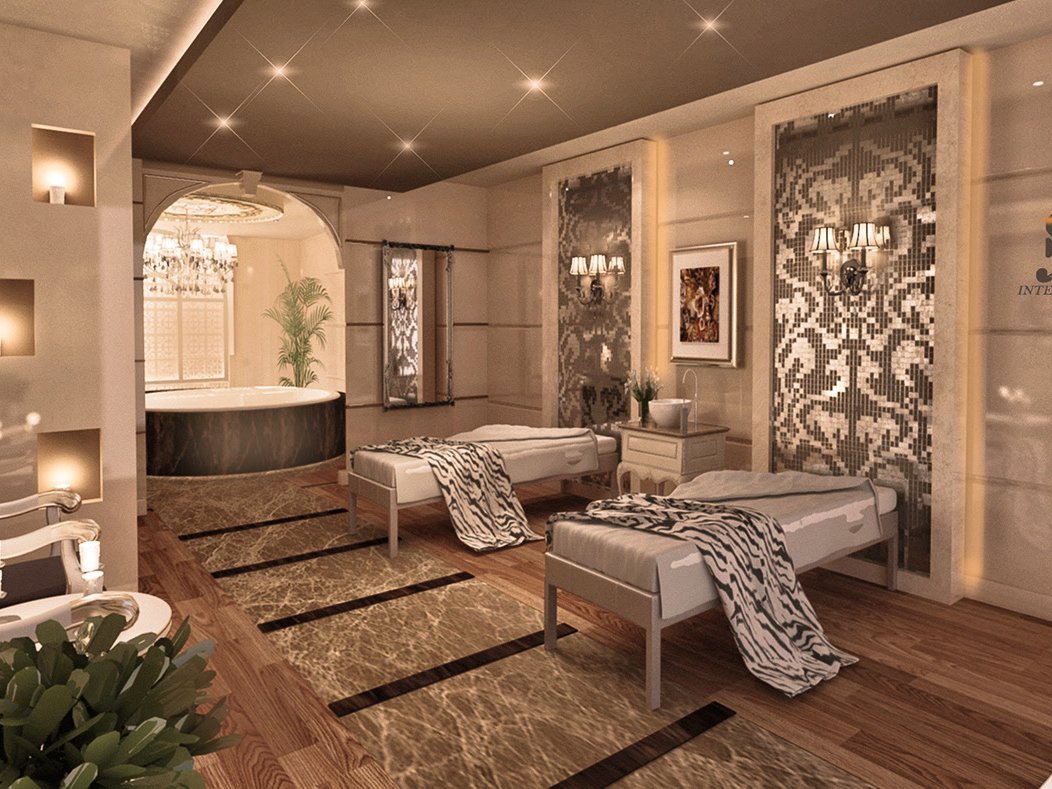
Why the future of Sri Lanka’s wellness tourism must look, feel, and breathe differently
Introduction: When Luxury Quietly Became Plastic
Luxury was never meant to feel synthetic.
Yet today, across the global spa and wellness industry—including Sri Lanka—luxury has become quietly, almost invisibly, plasticised. From laminated spa menus and acrylic treatment tables to disposable amenity bottles, vinyl flooring, polyester upholstery, plastic-lined packaging, and petroleum-based fragrances, the modern spa has drifted far from the natural healing philosophies it claims to represent.
This contradiction is no longer invisible to guests.
Globally, wellness tourists are becoming more educated, more environmentally conscious, and more emotionally attuned to authenticity. They are beginning to question how a space that promotes detoxification, mindfulness, and harmony can simultaneously be built on materials that pollute oceans, disrupt ecosystems, and shed microplastics into air, water, and human bodies.
This is where Post-Plastic Aesthetics emerges—not as a trend, but as a design philosophy, a moral repositioning, and a strategic imperative for the future of luxury spa and wellness tourism in Sri Lanka and beyond.
The Scale of the Plastic Problem in Hospitality and Wellness
To understand why Post-Plastic Aesthetics matters, we must first confront uncomfortable numbers.
Globally, the hospitality industry consumes over 150 million tonnes of plastic annually, with hotels and resorts accounting for a significant share through single-use amenities, interior materials, packaging, and furnishings. Studies indicate that an average luxury hotel room can contain over 300 kilograms of plastic-based materials, much of it embedded in finishes and furniture rather than visible waste.
In the spa sector alone:
- Over 70% of spa treatment beds globally contain petroleum-based foam.
- Approximately 65% of luxury spa interiors rely on synthetic laminates, resins, and plastic composites.
- Microplastic shedding from synthetic carpets and upholstery contributes to indoor air pollution levels up to 5 times higher than outdoor environments.
Sri Lanka, as an island nation with over 1,700 km of coastline, bears disproportionate environmental consequences. Marine conservation authorities estimate that more than 90% of plastic waste found on Sri Lankan beaches originates from land-based sources, including hospitality operations.
For a country positioning itself as a wellness, Ayurveda, and nature-based tourism destination, this contradiction is no longer sustainable—ethically, environmentally, or commercially.
Defining Post-Plastic Aesthetics
Post-Plastic Aesthetics is not about removing plastic for appearance’s sake. It is about redefining luxury through:
- Natural materials that age gracefully
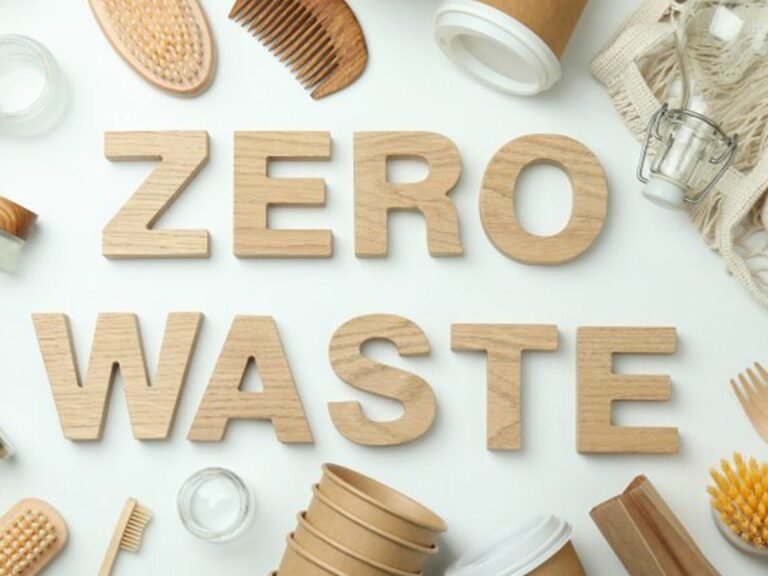
- Biodegradable components that return to the earth
- Living materials that grow, breathe, and regenerate
- Craft-based design that carries cultural memory
- Low-toxicity interiors that support human health
At its core, Post-Plastic Aesthetics asks a fundamental question:
Can a space designed for healing truly be luxurious if it harms the body, the community, or the environment?
Why Sri Lanka Is Uniquely Positioned to Lead This Movement
Sri Lanka is not starting from zero. In fact, the country possesses one of the richest foundations in the world for Post-Plastic spa design.
1. Ancient Wellness Philosophy
Sri Lanka’s Ayurveda, Deshiya Chikitsa, and monastic healing traditions have always prioritised:
- Natural textures
- Earth-contact living
- Plant-based materials
- Seasonal adaptation
Plastic is entirely alien to these systems.
2. Abundant Natural Materials
Locally available alternatives include:
- Coconut timber and husk composites
- Bamboo
- Cane and rattan
- Clay, lime plaster, and laterite
- Natural stone and river pebbles
- Plant fibres such as hemp, banana fibre, and jute
3. Skilled Artisan Communities
Across Kandy, Galle, Kurunegala, Jaffna, and the East, Sri Lanka still retains master craftsmen whose skills are underutilised in modern tourism design.
Post-Plastic Aesthetics allows tourism to become a livelihood engine, not just a consumer industry.
The New Luxury Guest: Data That Can No Longer Be Ignored
Wellness tourism is no longer niche.
- Global wellness tourism surpassed USD 900 billion, growing faster than general tourism.
- Over 78% of high-value wellness travellers report that sustainability influences their booking decisions.
- 64% of luxury travellers are willing to pay a premium for hotels and spas that demonstrate genuine environmental responsibility.
- Guests under 45 increasingly associate plastic-heavy interiors with low authenticity, regardless of price point.
For Sri Lanka, where average length of stay is increasing and wellness travellers spend 30–40% more per trip than mass tourists, design philosophy directly affects national tourism yield.
Case Studies: Post-Plastic Aesthetics in Action
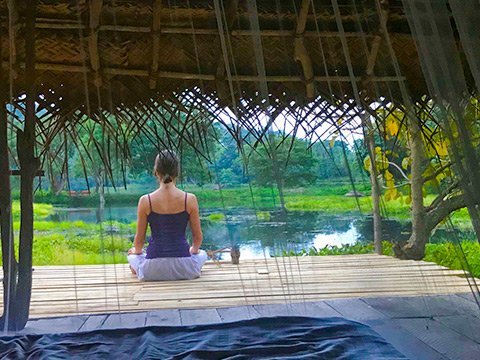
Case Study 1: A Plastic-Free Jungle Spa Concept – Central Highlands, Sri Lanka
A boutique jungle spa replaced synthetic treatment beds with handcrafted timber structures using natural latex cushioning. Disposable amenities were replaced with clay vessels and refillable glass. Within one year, guest satisfaction scores increased by 22%, and operating waste reduced by nearly 80%.
Case Study 2: Himalayan Wellness Retreat – India
A luxury retreat eliminated plastic finishes entirely, using rammed earth walls, lime plaster, and natural stone. The result: lower indoor temperatures, reduced air-conditioning dependency, and a 35% reduction in energy costs.
Case Study 3: Alpine Thermal Spa – Europe
By replacing synthetic carpets with wool and hemp blends, the spa reduced airborne microplastics and reported measurable improvements in indoor air quality—now used as a marketing differentiator.
Case Study 4: Coastal Wellness Lodge – Southeast Asia
Living algae panels and bamboo structures replaced acrylic partitions. The design became a social media phenomenon, increasing organic online reach by over 300%.
Case Study 5: Desert Eco-Spa – Middle East
Biodegradable mycelium-based insulation replaced synthetic foams, achieving both thermal efficiency and zero-toxic interiors.
Case Study 6: Ayurvedic Hospital Resort – Southern Sri Lanka
Traditional clay floors, lime walls, and wooden therapy rooms reduced chemical sensitivities among long-stay guests, increasing repeat visitation significantly.
Design Principles of Post-Plastic Spa Architecture
1. Material Honesty
Natural materials should be visible, not disguised to imitate plastic perfection.
2. Biodegradability Over Permanence
Luxury should not mean “indestructible.” It should mean responsibly temporary.
3. Sensory Wellness
Natural textures regulate temperature, acoustics, scent, and emotional comfort.
4. Living Design
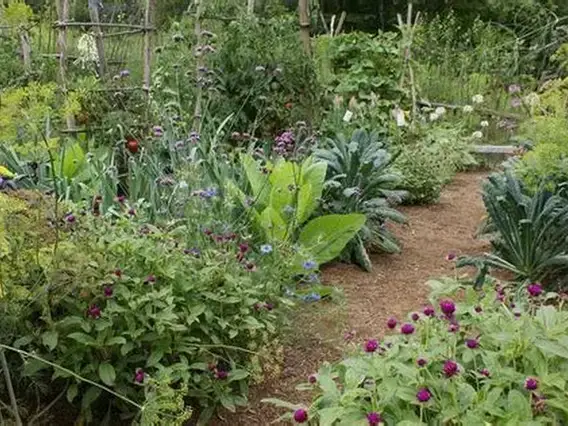
Incorporating moss walls, green roofs, medicinal gardens, and water features transforms spas into ecosystems, not buildings.
Economic Logic: Sustainability That Pays
Contrary to outdated belief, Post-Plastic design reduces long-term costs:
- Lower replacement cycles
- Reduced waste disposal fees
- Lower chemical usage
- Stronger brand differentiation
- Increased length of stay
- Higher repeat visitation
Sri Lanka’s tourism competitiveness increasingly depends not on price, but on meaning.
Legal, Ethical, and Cultural Safeguards
Post-Plastic Aesthetics must:
- Respect artisan intellectual property
- Ensure non-discriminatory employment
- Comply with Sri Lankan environmental law
- Avoid cultural exploitation or aesthetic tokenism
This philosophy is not about nostalgia—it is about responsible modernity.
The Strategic Opportunity for Sri Lanka
Sri Lanka can position itself as:
Asia’s first Post-Plastic Wellness Destination
This is not branding. It is systems thinking.
If adopted at policy, design, and investment levels, Post-Plastic Aesthetics can:
- Reduce national plastic waste
- Strengthen rural economies
- Protect biodiversity
- Elevate global brand perception
- Align tourism with public health
Conclusion: Returning Luxury to Its Original Meaning
True luxury has always been about care—for the body, the mind, the environment, and future generations.
Plastic has no place in that definition.
Post-Plastic Aesthetics is not anti-modern. It is post-industrial, post-extractive, and post-illusion. It invites Sri Lanka to design wellness spaces that are not only beautiful, but ethically beautiful.
The question is no longer whether the industry should change—but who will lead it.
Sri Lanka has the knowledge.
Sri Lanka has the materials.
Sri Lanka has the story.
Now it must have the courage.
Disclaimer
This article has been authored and published in good faith by Dr. Dharshana Weerakoon, DBA (USA), based on publicly available national and international data, professional industry observations, and over two decades of international experience across tourism, hospitality, and wellness strategy. It is intended solely for educational, journalistic, and public awareness purposes to stimulate informed discussion on sustainable tourism and design models.
The author accepts no responsibility for any misinterpretation, adaptation, or misuse of the content. Views expressed are entirely personal and analytical and do not constitute legal, financial, architectural, or investment advice. The concepts discussed are intended to comply fully with Sri Lankan law, including the Intellectual Property Act No. 52 of 1979, the ICCPR Act No. 56 of 2007, and applicable environmental, labour, and ethical standards.
✍ Authored independently and organically through lived professional expertise.
Further Reading: https://www.linkedin.com/newsletters/7046073343568977920/
Further Reading: https://dharshanaweerakoon.com/wellness-architecture/