Navigating the New Luxury: Why Neuro-inclusive Design and Silent Luxury are the Next Frontiers for Maldivian Resorts
Introduction: The Shifting Definition of Luxury
The global ultra-luxury tourism market is undergoing a seismic transformation. While traditional concepts of luxury in the Maldives have revolved around opulent villas, celebrity chefs, and high-energy entertainment, a new wave of travelers is rewriting the rules. These guests—often neurodiverse, wellness-focused, and sustainability-conscious—seek not noise, spectacle, or extravagance, but peace, inclusivity, and thoughtful design.
This article examines why neuro-inclusive design and silent luxury are emerging as the next great frontiers in hospitality. It argues that Maldivian resorts, already positioned as havens of tranquility, are uniquely placed to lead the global movement toward “soundscape-safe” sanctuaries, sensory-friendly experiences, and curated digital detox packages.
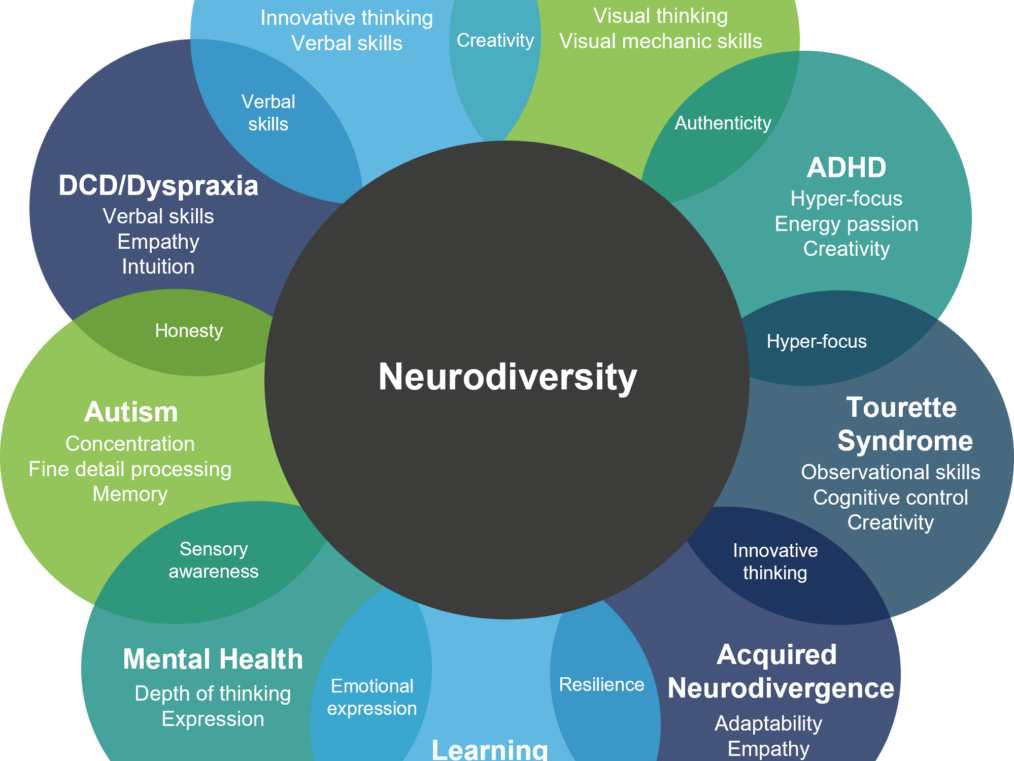
According to the World Health Organization (WHO), around 15–20% of the global population is neurodiverse, which includes individuals with autism spectrum disorder (ASD), ADHD, sensory processing differences, and related conditions. Combined with a wellness tourism market valued at USD 651 billion in 2022 (Global Wellness Institute), this represents a vast, high-spending segment that has remained largely overlooked in luxury travel.
Why Neuro-Inclusive and Silent Luxury?
1. Neurodiversity and Tourism Demand
- 15–20% of the global population is neurodiverse (WHO, 2023).
- High-net-worth families with neurodiverse members are often excluded from ultra-luxury travel experiences due to overwhelming environments.
- Resorts offering sensory-friendly environments are poised to capture this untapped market.
2. Silent Luxury as a Global Trend
- The rise of “quiet luxury” or “silent luxury”—minimalist, understated, experience-driven travel—has grown sharply post-pandemic.
- According to Bain & Company, 60% of luxury consumers in 2023 preferred authenticity, wellness, and nature immersion over material display.
- The Maldives’ geography and resort design already lend themselves to this new definition of luxury.
3. The Case for Maldives
- Maldives welcomed 1.7 million tourists in 2023 (Ministry of Tourism Maldives).
- Forecasts project arrivals could exceed 2.3 million by 2026.
- With 80% repeat visitors citing peace and privacy as the main attraction, pivoting toward silent luxury and neuro-inclusive design will both diversify and elevate the brand.
Designing for Neuro-Inclusive and Silent Luxury
1. Soundscape-Safe Zones
- Resorts can integrate low-stimulation environments—beachfront villas with soundproofing, meditation gardens, and quiet lounges.
- Controlled soundscapes (natural sounds over artificial music) reduce anxiety and enhance neurodiverse guest comfort.
2. Sensory-Friendly Experiences
- Lighting: Adjustable warm lighting instead of harsh LEDs.
- Textures: Natural, soft furnishings designed to avoid sensory overload.
- Dining: Flexible dining options with allergen-aware and texture-sensitive menus.
3. Digital Detox Packages
- Curated packages promoting reduced screen time, replacing digital consumption with wellness experiences like guided snorkeling, yoga, stargazing, and storytelling.
- Aligns with the global wellness economy projected to hit USD 1 trillion by 2030.
4. Inclusive Staff Training
- Staff trained in neurodiversity awareness and non-verbal communication cues.
- Empathy-driven service ensuring dignity, privacy, and comfort.
Case Studies
1. Soneva Jani, Maldives – Silent Luxury Pioneer
- Pioneered “no news, no shoes” philosophy.
- Introduced silent cinema experiences and astronomy-based wellness retreats.
- High repeat guest loyalty based on understated, nature-first luxury.
2. Six Senses Laamu, Maldives – Wellness Innovation
- Emphasis on holistic wellness and sensory-friendly practices.
- Light, sound, and scent curation in spa treatments designed for sensitive guests.
3. Four Seasons Resort Maldives at Landaa Giraavaru – Inclusive Wellness
- Offers specialized yoga therapy sessions for neurodiverse children.
- Partnership with leading medical institutions for holistic therapies.
4. AMAN Tokyo, Japan – Silent Luxury in an Urban Setting
- Focuses on peace, calm, and minimalist design amidst the busiest city in the world.
- Demonstrates how curated silence is a marketable luxury.
5. The Retreat at Blue Lagoon, Iceland – Nature-Driven Quiet
- Guests immerse in geothermal therapies in low-stimulation environments.
- Packages focus on digital detox, mindfulness, and sensory relaxation.
6. Al Maha, Dubai Desert Resort – Eco-Silent Experiences
- Luxury desert resort with low-stimulation soundscapes.
- Prioritizes silence, nature immersion, and personalized wellness itineraries.
7. Gwinganna Lifestyle Retreat, Australia – Digital Detox Leader
- Strong focus on detox from digital distractions.
- 70% of guests cite mental clarity as a reason for returning.
Economic Potential for Maldivian Resorts
- Neurodiverse luxury travel is estimated to be worth over USD 120 billion annually (based on global neurodiverse household spending power).
- Wellness tourism grows 5–7% faster than overall tourism, with Asia-Pacific being the fastest-growing region (Global Wellness Institute).
- Resorts that adopt these strategies could see 20–30% higher guest satisfaction scores and increased length of stay, according to international benchmarking data.
Strategic Blueprint for Maldives
- Audit Resorts – Assess current soundscapes, sensory environments, and inclusivity readiness.
- Pilot Programs – Launch silent luxury and neuro-inclusive packages in selected high-end resorts.
- Global Branding – Position Maldives as the world’s first neuro-inclusive luxury destination.
- Policy Support – Encourage the Maldivian Ministry of Tourism to incentivize neuro-inclusive design.
- Partnerships – Collaborate with global wellness institutes, autism networks, and luxury travel consortiums.
Conclusion
Luxury in the Maldives can no longer be defined solely by extravagance. The future lies in inclusive tranquility—spaces that embrace silence, neurodiverse sensitivity, and digital wellness. By seizing this opportunity, Maldivian resorts will not only attract high-spending guests but also position themselves as ethical, future-ready leaders in the ultra-luxury market.
The Maldives has always been a sanctuary for those seeking beauty and escape. Now, it can evolve into the world’s foremost sanctuary for neuro-inclusive silent luxury.
Disclaimer
This article has been authored and published in good faith by Dr. Dharshana Weerakoon, DBA (USA), based on publicly available data from cited national and international sources (e.g., Maldives Ministry of Tourism, World Health Organization, Global Wellness Institute, Bain & Company, Sri Lanka Tourism Development Authority, Central Bank of Sri Lanka, international conservation bodies), decades of professional experience across multiple continents, and ongoing industry insight. It is intended solely for educational, journalistic, and public awareness purposes to stimulate discussion on sustainable tourism models. The author accepts no responsibility for any misinterpretation, adaptation, or misuse of the content. Views expressed are entirely personal and analytical, and do not constitute legal, financial, or investment advice. This article and the proposed model are designed to comply fully with Maldivian law, Sri Lankan law, and international ethical standards, including the Intellectual Property Act No. 52 of 1979 (regarding artisan rights and design ownership), the ICCPR Act No. 56 of 2007 (ensuring non-discrimination and dignity), and relevant data privacy and ethical standards.
✍ Authored independently and organically through lived professional expertise—not AI-generated.
Further Reading: https://www.linkedin.com/newsletters/7046073343568977920/
Additional Reading: https://gray-magpie-132137.hostingersite.com/sustainable-wellness-spa-tourism-in-sri-lanka/