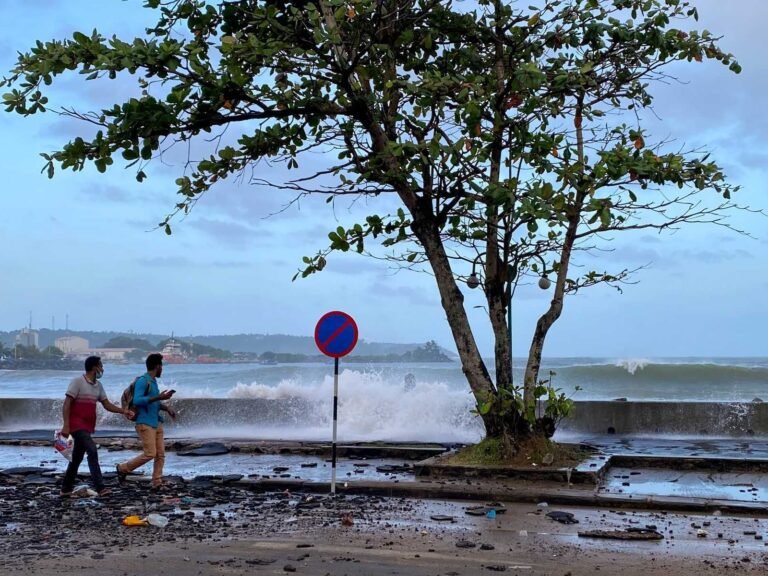
Monsoon Therapy and Weather-Based Healing: Sri Lanka’s Pioneering Climate-Adaptive Wellness Revolution
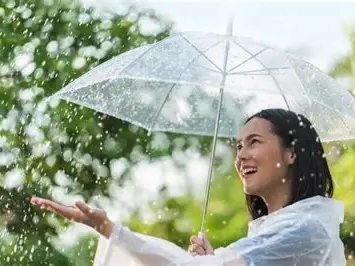
Introduction: Transforming Wellness Tourism Through Climate-Adaptive Strategies
Wellness tourism has rapidly emerged as one of the fastest-growing segments in the global travel industry, with international spending expected to surpass $1.2 trillion by 2027, according to the Global Wellness Institute (GWI). Travelers today increasingly seek holistic, nature-integrated, and seasonally responsive wellness experiences rather than generic spa or gym offerings.
Sri Lanka, with its unique monsoon patterns, tropical biodiversity, and a rich heritage of Ayurvedic medicine, is ideally positioned to lead this next wave of tourism innovation. The concept of Monsoon Therapy and Weather-Based Healing transforms natural climatic cycles—rainfall, humidity, and seasonal temperature shifts—into therapeutic assets, turning what has traditionally been considered a challenge for the hospitality sector into a competitive advantage.
Instead of viewing monsoons as a period of low occupancy, forward-thinking resorts, wellness centers, and eco-retreats are leveraging seasonal weather cycles to design targeted therapies, extend tourist stays, and enhance guest satisfaction. These initiatives are not only commercially viable but also sustainably aligned with environmental and social imperatives.
Globally, wellness tourists spend 50% more than the average traveler, and 85% prefer destinations that integrate natural environments into therapeutic experiences. By positioning itself as a climate-adaptive wellness hub, Sri Lanka can attract high-value international clients, extend off-season bookings, and generate employment in herbal cultivation, spa services, and eco-tourism.
Sri Lanka’s Climate Advantage: A Natural Laboratory for Wellness
Sri Lanka experiences two major monsoons and two inter-monsoon periods annually:
- Southwest Monsoon (May–September)
- Heavy rainfall along the southwest, wet zones, and western coastal regions.
- Humidity levels average 80–90%, ideal for detox therapies and herbal compress treatments.
- Northeast Monsoon (December–February)
- Cooler temperatures in the northern and eastern regions and central highlands.
- Lower humidity allows for rejuvenation therapies, meditation retreats, and immune-boosting programs.
- Inter-Monsoon Periods (October–November & March–April)
- Transitional seasons with moderate rainfall and temperatures ranging between 26°C–30°C.
- Perfect for pre-monsoon detoxification, stress-reduction therapies, and seasonal wellness planning.
Sri Lanka’s microclimates, from the misty central highlands of Nuwara Eliya to the tropical coastal plains of Bentota and Galle, enable resorts to customize wellness programs according to regional climate conditions. For instance, cooler highlands are ideal for thermal therapies and meditation retreats, while humid lowlands support detoxification, aromatherapy, and rain immersion programs.
According to the Sri Lanka Tourism Development Authority (SLTDA), the country welcomed 1.9 million international visitors in 2024, with wellness tourism growing at an average annual rate of 12%, and this number is expected to accelerate with climate-adaptive innovations.
Monsoon Therapy Explained: Ancient Wisdom Meets Modern Science
Monsoon Therapy is grounded in Ayurvedic principles which recognize that seasonal changes impact the balance of doshas—Vata, Pitta, and Kapha—governing physiological and psychological well-being.
- Vata Imbalance: Typically arises during dry or inter-monsoon periods, manifesting as anxiety, dryness, or digestive irregularities. Treatments: warming massages, sesame oil therapies, and restorative yoga.
- Pitta Imbalance: Linked to heat and inflammation, common at the onset of monsoons. Treatments: cooling oils, herbal baths, meditation, and anti-inflammatory diets.
- Kapha Imbalance: Often occurs during peak humidity, leading to congestion, lethargy, and weight gain. Treatments: detox therapies, herbal steam, and energizing massage techniques.
Therapies Include:
- Herbal Bath Therapy: Monsoon-harvested herbs like neem, gotukola, and lemongrass are infused in baths. Humidity aids absorption, enhancing detoxification.
- Panchakarma: Seasonal detoxification therapy aligned with monsoon cycles for optimal therapeutic impact.
- Climate-Optimized Massages: Oils and techniques adjusted for seasonal humidity and temperature fluctuations.
- Rain Meditation and Forest Therapy: Guided mindfulness exercises during rainfall improve mental clarity, reduce cortisol, and enhance overall well-being.
Case Study 1: Rainforest Spa, Kandy
Rainforest Spa implemented monsoon-specific therapy packages in 2023. Customer satisfaction during monsoon months rose 15%, with repeat bookings increasing 20% year-on-year. Therapies included rain immersion walks, humidity-adapted oil massages, and herbal baths synchronized with rainfall patterns.
Weather-Based Healing Experiences Across Sri Lanka
Sri Lanka’s diverse ecosystems provide a unique canvas for climate-adaptive wellness experiences:
- Urban Spa Experiences: Colombo-based wellness centers offer rain-adapted detox programs, meditation sessions, and climate-responsive therapies for professionals. Participation grew by 40% in the past year.
- Highland Retreats: Nuwara Eliya resorts provide thermal therapies, hot stone massages, and herbal steam sessions during cooler monsoon periods, enhancing relaxation and circulation.
- Coastal and Rainforest Retreats: Bentota and Galle resorts offer rain immersion therapies, hydrotherapy, and humidity-optimized massages.
- Cultural and Rural Experiences: In Jaffna and Anuradhapura, guests participate in traditional Ayurvedic cooking, seasonal herbal farming, and guided meditation walks, integrating cultural immersion with wellness.
Case Study 2: Sigiriya Eco-Wellness Resort
Sigiriya Eco-Wellness Resort introduced weather-specific retreat packages, including rainy-season detox programs and dry-season rejuvenation therapies. This initiative boosted off-season occupancy rates by 20% and wellness package revenue by LKR 35 million annually.
Case Study 3: Ella Hills Wellness Sanctuary
Ella Hills adopted seasonal Panchakarma and yoga packages, attracting international wellness tourists and increasing off-season bookings by 25%, with guests highlighting the uniqueness of monsoon-aligned therapies.
Case Study 4: Bentota Coastal Retreat
During the Southwest monsoon, the retreat curated rain-immersive ocean therapies, achieving LKR 45 million in additional revenue, while attracting high-value clients seeking seasonal wellness experiences.
Historical Context: Ayurveda and Seasonal Healing
Ayurveda, practiced in Sri Lanka for over 2,500 years, has long emphasized seasonal wellness alignment. Ancient texts describe therapies synchronized with monsoon and inter-monsoon periods to maintain dosha balance and prevent seasonal illnesses. Integrating these traditions with modern climate-adaptive spa techniques positions Sri Lanka as a unique global wellness destination.
Scientific Support:
- Studies indicate high humidity enhances transdermal absorption of herbal oils.
- Mindfulness and meditation during rainfall can reduce cortisol by up to 20%, improving mental health.
- Seasonal detox therapies enhance immunity, reduce inflammation, and improve digestion, aligning with Ayurvedic principles.
Seasonal Wellness Protocols: Implementing Climate-Adaptive Therapies
To operationalize Monsoon Therapy, resorts and wellness centers follow data-driven protocols:
- Weather Forecast Integration: Real-time climate data informs therapy scheduling.
- Personalized Dosha Assessments: Intake assessments matched to seasonal dosha shifts.
- Herbal Sourcing: Locally harvested monsoon herbs provide potent therapeutic benefits and support local communities.
- Staff Training: Therapists trained to adjust techniques according to weather conditions.
Case Study 5: Galle Heritage Spa Retreat
Aligning wellness therapies with the Northeast monsoon extended average tourist stays from 3 to 5 days, increasing revenue from spa services, dining, and excursions.
Case Study 6: Colombo Urban Wellness Hub
City-based wellness centers introduced rain-adapted meditation and detox sessions, increasing participation by 40%, demonstrating climate-adaptive wellness is viable even in urban environments.
Case Study 7: Nuwara Eliya Highland Spa
Highland resorts integrated cold-weather therapies, hot stone massages, and herbal baths, boosting occupancy by 18% during the Northeast monsoon.
Economic, Social, and Environmental Impact
Revenue Growth: Resorts report 10–30% revenue increase during monsoon-aligned wellness periods.
Job Creation: Wellness expansion supports employment in spa services, herbal farming, and guided retreats, benefiting local communities.
Extended Stays: Seasonal wellness packages increase average stay duration by 2–5 days, enhancing economic impact.
Sustainability: Climate-adaptive practices encourage eco-friendly infrastructure, water conservation, and ethical herbal sourcing.
Social Benefits: Community engagement, women’s employment, and promotion of indigenous knowledge.
Global Comparisons: Learning from International Practices
- Japan: Shinrin-yoku (forest bathing) uses seasonal forests to enhance well-being.
- Bali: Integrates rain and humidity into spa treatments, though Sri Lanka offers greater biodiversity and climatic variation.
- Switzerland: Alpine wellness retreats align with seasonal temperatures, but Sri Lanka’s tropical climate allows diverse year-round therapeutic options.
- Thailand: Wellness resorts follow lunar calendars and seasonal cycles, but Sri Lanka’s monsoon alignment allows a science-backed Ayurvedic approach.
Sri Lanka can position itself as the global leader in climate-adaptive wellness tourism, combining Ayurvedic wisdom, tropical biodiversity, and monsoon-responsive therapies.
Future Outlook: Sri Lanka as a Climate-Adaptive Wellness Hub
The global wellness tourism market is projected to grow 7–10% annually. Climate-adaptive wellness represents a strategic opportunity for Sri Lanka:
- Research Partnerships: Collaborations with universities to validate therapeutic efficacy.
- Digital Platforms: AI-driven assessments, climate-adaptive therapy scheduling, and personalized wellness plans.
- Sustainability Practices: Carbon-neutral retreats, ethical sourcing, and environmental protection initiatives.
By integrating Ayurveda, climate science, and tourism strategy, Sri Lanka can become the premier destination for monsoon therapy and weather-based healing worldwide.
Conclusion
Monsoon Therapy and Weather-Based Healing are no longer niche concepts—they are strategic imperatives for Sri Lanka’s tourism and wellness sectors. By leveraging natural climatic cycles, scientific therapy alignment, and culturally rooted practices, Sri Lanka can:
- Extend tourist seasons
- Boost revenue and employment
- Position itself as a global leader in climate-adaptive wellness tourism
The opportunity is clear: transform seasonal weather challenges into therapeutic advantages and create a world-class wellness destination.
Disclaimer
This article has been authored and published in good faith by Dr. Dharshana Weerakoon, DBA (USA), based on publicly available data from cited national and international sources (e.g., Sri Lanka Tourism Development Authority, Central Bank of Sri Lanka, international tourism monitors, conservation bodies), decades of professional experience across multiple continents, and ongoing industry insight. It is intended solely for educational, journalistic, and public awareness purposes to stimulate discussion on sustainable tourism models. The author accepts no responsibility for any misinterpretation, adaptation, or misuse of the content. Views expressed are entirely personal and analytical, and do not constitute legal, financial, or investment advice. This article and the proposed model are designed to comply fully with Sri Lankan law, including the Intellectual Property Act No. 52 of 1979 (regarding artisan rights and design ownership), the ICCPR Act No. 56 of 2007 (ensuring non-discrimination and dignity), and relevant data privacy and ethical standards.
✍ Authored independently and organically through lived professional expertise—not AI-generated.
Further Reading: https://www.linkedin.com/newsletters/7046073343568977920/
Further Reading: https://dharshanaweerakoon.com/next-chapter-in-wellness/