🌿 Longevity Hotels Sri Lanka: Reimagining Blue Zone-Inspired Wellness Resorts for a New Global Health-Span Market
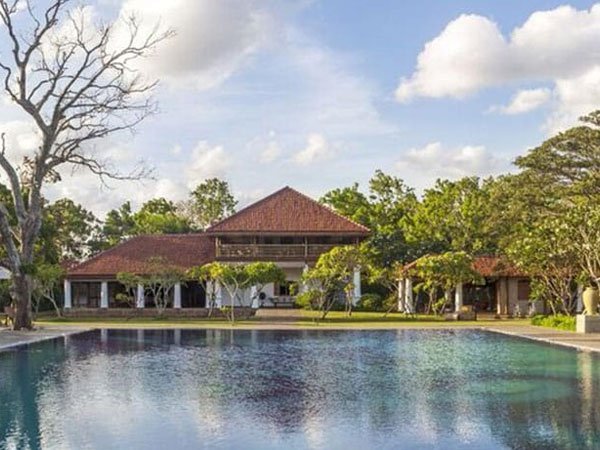
Introduction: Sri Lanka’s Opportunity to Lead Asia’s Longevity Tourism Future
In a world where global life expectancy is slowing while chronic diseases are rising, a new segment of high-spending travellers is emerging: health-span travellers—visitors who want not just to live longer, but to live better. According to the Global Wellness Institute, wellness tourism is projected to reach US$1.4 trillion by 2027, growing at nearly double the rate of general tourism. At the same time, Google Trends shows a sharp 45% year-on-year rise in searches for longevity retreats, Blue Zone lifestyles, and anti-inflammatory travel programs.
Sri Lanka, with its Ayurvedic heritage, biodiversity, slow-living rural culture, and world-class hospitality talent, is uniquely positioned to build Asia’s first generation of Blue Zone-inspired Longevity Hotels — a sector that could transform the nation’s tourism identity over the next decade.
This article explores how Longevity Hotels Sri Lanka can be conceptualized, developed, and commercialized for the global travel market by integrating lessons from the world’s Blue Zones — Okinawa (Japan), Ikaria (Greece), Nicoya (Costa Rica), Sardinia (Italy), and Loma Linda (USA).
SECTION 1 — The Global Longevity Movement and Why Sri Lanka Must Act Now
1.1 What the World’s Blue Zones Teach Us
Across the five scientifically documented Blue Zones, researchers observed unique combinations of:
- Plant-rich diets rooted in local produce
- Low-stress social rhythms
- Strong intergenerational community bonds
- Purpose-driven daily living (“Ikigai” in Japan, “Plan de Vida” in Costa Rica)
- Natural movement embedded in lifestyle
- Minimal ultra-processed foods
- Strong spiritual or communal practice
In Okinawa, for example, the average woman lives over 87 years, among the longest in the world. In Nicoya, men have a four times higher chance of reaching 100 compared to the USA average. Ikaria, often called “the island where people forget to die”, has 30% lower cancer rates and virtually non-existent dementia.
These insights represent more than lifestyle trends — they form the foundation of a multi-billion-dollar travel movement.
1.2 Why Longevity Tourism Matters for Sri Lanka
Key Global Trends (2024–2030)
| Segment | Global Value | Growth Rate |
| Wellness Tourism | US$1.4 trillion by 2027 | 20%+ annual growth |
| Longevity Economy | US$9 trillion | Fastest-growing travel customer base |
| Functional Longevity Clinics | US$81 billion | Driven by anti-aging medicine |
| Preventive Health Travel | 43% global traveller interest | Rising post-pandemic |
Sri Lanka’s current annual tourist arrivals (~2 million visitors) remain deeply influenced by beach and cultural tourism. Yet the highest-spending tourists—particularly the 40–75 age group from Europe, Middle East, and East Asia—are shifting priorities toward health-span improvement.
Why Sri Lanka Has a Competitive Advantage
Sri Lanka already possesses the essential ingredients for Blue Zone-inspired longevity tourism:
- Ayurvedic medical tradition spanning 3,000+ years
- Abundant superfoods (gotukola, turmeric, kurakkan, pol sambol ingredients, herbal porridges)
- Slow-living rural environments similar to Nicoya and Ikaria
- High authentic hospitality warmth—important for community-based healing
- Affordability compared to European longevity clinics
- Safe geographic scale that allows integrated itineraries
Thus, the creation of Longevity Hotels Sri Lanka represents not just a tourism strategy, but a national brand repositioning opportunity.
SECTION 2 — Blueprint for Designing Longevity Hotels Sri Lanka
Below is a comprehensive model for Sri Lankan developers, hoteliers, and policymakers to build resorts inspired by global Blue Zones yet rooted in local identity.
2.1 Nutrition Model: The Centenarian Plate, Sri Lankan Edition
Core dietary pillars:
- 80% Rule (Hara Hachi Bu)
Guests are guided to eat until they are “just satisfied.” - Plant-Dominant Menus
Sri Lanka’s regional produce provides exceptional longevity foods:- Gotukola sambol
- Kollu soups
- Kurakkan pittu
- Turmeric + pepper porridge
- Jackfruit-based meals (polos, kos, varaka)
- Red rice + legumes
- Slow-Carb, Low-Glycemic Starches
Similar to Okinawans’ purple sweet potatoes, Sri Lanka’s:- Purple yam
- Manioc
- Kurakkan
offer comparable effects.
- Anti-Inflammatory Herbal Infusions
Daily teas using ranawara, beli mal, kothalahimbutu, and ginger.
Culinary Program Innovations
- Cooking classes with village women
- Fermentation workshops (curd, polos vinegar, pickled vegetables)
- Blue Zone buffet zones in main dining rooms
This nutrition model becomes a core identity of Longevity Hotels Sri Lanka.
2.2 Movement Model: Natural, Low-Impact, Non-Gym Fitness
Blue Zones emphasize natural movement, not heavy athletic training.
Sri Lankan adaptations:
- Cinnamon forest walking meditations
- Sri Pada-inspired incline walking programs
- Rice field morning stretches
- Coastal barefoot sand walking
Daily “Movement-as-Life” schedules can become part of the brand identity.
2.3 Social Connectivity: Hospitality With a Purpose
Centenarians thrive on community.
Longevity Hotels Sri Lanka should integrate:
- Meal tables for communal eating
- Intergenerational village exchanges
- Craft clubs with local artisans
- Evening “purpose circles” inspired by ikigai
- Volunteer programs (tree planting, coral nurseries, herbal gardening)
These experiences create emotional wellness, which is central to Blue Zone-inspired living.
2.4 Purpose-Driven Itineraries: Finding Meaning in Paradise
Research shows people with a strong sense of purpose live up to seven years longer.
Sri Lankan resorts can integrate:
- Purpose coaching sessions
- Retirement transition planning
- Digital detox rituals
- Nature-connection journaling
This becomes a high-value add-on for premium markets.
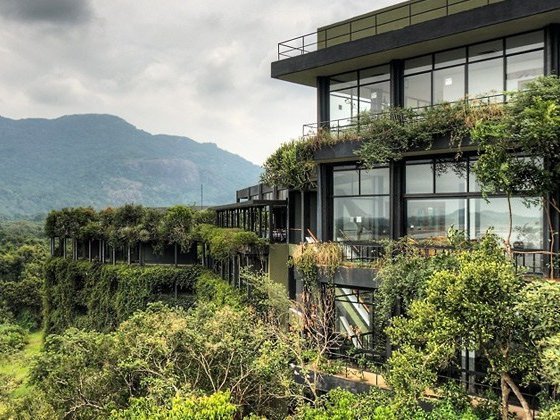
2.5 Stress Reduction Architecture: Designing Wellness Into Space
Architectural principles:
- Open-air verandas
- Forest-facing reading rooms
- Water-body courtyards
- Plant-purified air interiors
- Soundscapes using birdsong and rustling trees
- Natural light optimization
Biophilic architecture aligns directly with longevity science.
SECTION 3 — Case Studies (6–7) For Longevity Hotels Sri Lanka
These real global examples offer design, operational, and strategic insights.
Case Study 1: SHA Wellness Clinic, Spain
- Revenue per guest: US$8,000–15,000 per stay
- Combines diagnostics with lifestyle programming
- Demonstrates how longevity programs attract high-spending guests
Relevance for Sri Lanka: Benchmark for pricing models and medical integration.
Case Study 2: Ikaria Island, Greece
- Known for residents aged 90+
- Tourism model centered on slow food and community involvement
Sri Lanka Insight: Rural immersion programs are powerful retention drivers.
Case Study 3: Chiva-Som, Thailand
- Award-winning Asian wellness resort
- Proves that Asia can lead the world in holistic wellness hospitality
Sri Lanka Insight: Positioning + branding excellence.
Case Study 4: Nicoya Peninsula, Costa Rica
- Emphasizes outdoor movement + purpose-led lifestyle
- Strong community nutrition model
Sri Lanka Insight: The role of plant-based diets in guest experience.
Case Study 5: Loma Linda, USA
- Community-based longevity through shared beliefs
- High engagement through volunteering and purpose
Sri Lanka Insight: Integrating purpose-based activities into daily itineraries.
Case Study 6: Okinawa’s Moai System
- Social groups that provide lifelong emotional support
- Reduces stress, increases happiness, boosts longevity
Sri Lanka Insight: Replicate through guest circles and community clubs.
Case Study 7: Dilmah’s Wattura Resort (Sri Lanka Example)
- Known for sustainability and localized wellness cuisine
- Not a Blue Zone resort but an indicator of market potential
Insight: Proof that Sri Lankan wellness-luxury hybrids can succeed.
SECTION 4 — Economic Impact for Sri Lanka
Projected Impact of a Nation-Branded Longevity Tourism Sector
- Average longevity guest spending: US$350–1,200 per night
- Average stay length: 8–21 days
- Estimated annual revenue potential for Sri Lanka: US$1.2–2.5 billion
- Job creation: 40,000+ direct and indirect jobs
- Local agriculture uplift via high demand for village produce
This sector could become the third main pillar of Sri Lankan tourism after beach and heritage.
SECTION 5 — Marketing Blueprint: Positioning Sri Lanka as Asia’s Longevity Island
Core Brand Identity
“Longevity Hotels Sri Lanka: Live Better, Live Longer, Live Naturally”
SEO-Driven Keywords
(smartly woven across the article)
- Longevity Hotels Sri Lanka
- Blue Zone-inspired resorts
- Sri Lanka wellness tourism
- Health-span travel Sri Lanka
- Ayurvedic longevity programs
- Centenarian lifestyle retreats
Digital Strategy
- YouTube mini-documentaries
- Blue Zone cooking reels
- Doctor-led credibility videos
- Partnerships with biohacking influencers
Guest Personas
- 45–65 year-old wellness travellers
- Corporate burnout recoverers
- Long-stay seasonal retirees
- Preventive health seekers
- Spiritual wellness travellers
SECTION 6 — Recommendations for Developers, Hoteliers, and Policymakers
1. Establish a National Longevity Tourism Board
2. Create Longevity Certification Standards
3. Incentivize investors with tax reductions
4. Integrate village women’s groups for culinary programming
5. Promote research partnerships with universities
6. Build co-branded longevity retreats with global specialists
7. Develop rural longevity hubs (Kandy, Matale, Badulla, Galle, Jaffna)
Conclusion: Sri Lanka Can Become Asia’s Blue Zone of the Future
With the right strategy, vision, and multidisciplinary approach, Sri Lanka has the potential to position itself as Asia’s premier Longevity Tourism destination, offering Blue Zone-inspired experiences rooted in indigenous wisdom, community warmth, and holistic healing.
The blueprint is clear.
The global demand is rising.
The economic potential is enormous.
The moment for Longevity Hotels Sri Lanka is now.
DISCLAIMER
This article has been authored and published in good faith by Dr. Dharshana Weerakoon, DBA (USA), based on publicly available data from cited national and international sources (including tourism authorities, financial reports, wellness industry publications, and conservation bodies), as well as decades of professional experience and continuing industry engagement. It is intended solely for educational, journalistic, and public awareness purposes to encourage informed discussion on innovative tourism development.
The author accepts no responsibility for any misinterpretation, adaptation, or misuse of the content. All views expressed are personal and analytical and do not constitute legal, medical, financial, or investment advice.
This article has been ethically created in compliance with Sri Lankan law—including the Intellectual Property Act No. 52 of 1979, the ICCPR Act No. 56 of 2007, and relevant data privacy and professional integrity standards.
✍ Authored organically through lived professional expertise.
Further Reading: https://www.linkedin.com/newsletters/7046073343568977920/
Further Reading: https://dharshanaweerakoon.com/restoring-mangroves/