Healing Through Heritage: How Sri Lanka’s Ancestral Skills Can Transform Global Wellness Tourism
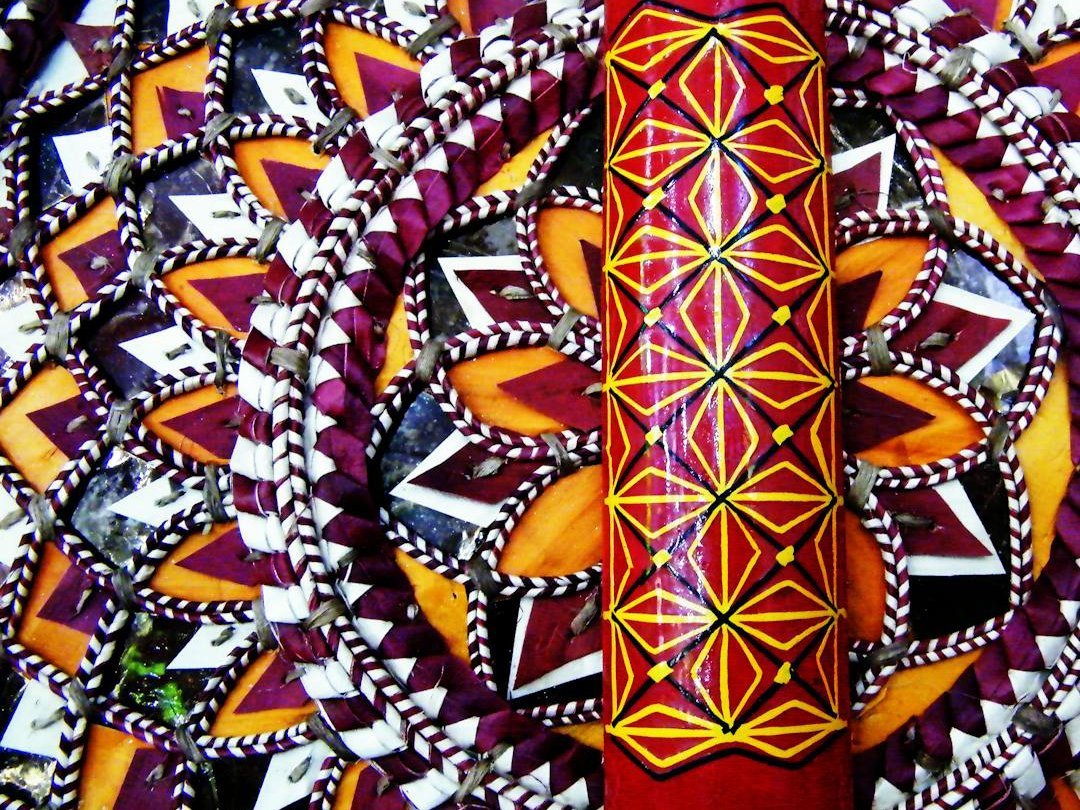
Ancestral Skills Wellness: Reviving Traditional Crafts as Therapeutic Practice
Introduction: Why Sri Lanka Needs a New Wellness Narrative
Over the past decade, the global wellness tourism market has grown into one of the strongest pillars of travel demand, reaching an estimated USD 1.1 trillion in 2024 with annual growth forecasts of 14–16%. Within this fast-expanding sector, one of the most intriguing global shifts is the rise of experiential therapeutic crafts—a movement where travellers engage in traditional manual skills as a form of mindfulness, digital detox, and occupational therapy.
Sri Lanka sits on an extraordinary well of cultural craftsmanship. From pottery, weaving, mask-carving and cinnamon peeling to coconut rope-making, lacquerwork, reed weaving, kithul tapping and handloom production, our island’s heritage is more than aesthetic tradition. It is a neurosensory, skill-based, slow-movement practice that modern psychologists and occupational therapists increasingly recognise as a potent tool to reduce stress, improve emotional regulation, and enhance overall wellbeing.
This article proposes Ancestral Skills Wellness as a fresh and globally competitive Sri Lankan wellness tourism model—positioning traditional crafts as “mindful movement therapy” and “occupational wellness experiences.” These craft-based engagements offer a powerful antidote to digital addiction, workplace burnout, and emotional fatigue—conditions affecting billions worldwide.
With strategic branding, ethical development, capacity building for artisans, and collaborations with wellness resorts, Sri Lanka could lead Asia in this rapidly growing niche.
1. The Modern Wellness Trend: Why Hands-On Craft Experiences Are in Demand
The global context
Several international research findings highlight the shift toward craft-based well-being:
- The American Psychological Association reports that activities involving fine motor skills—such as weaving, knitting, and pottery—reduce cortisol levels by 20–25% within 45 minutes.
- A 2023 World Travel & Tourism Council (WTTC) survey found that 42% of wellness travellers seek hands-on learning rooted in local culture.
- The UK’s National Health Service (NHS) has formally acknowledged craft therapy as contributing to better mental health outcomes, particularly for anxiety, depression, and grief recovery.
- The global handmade and artisanal goods sector surpassed USD 986 billion in 2024, driven by interest in authenticity, sustainability, and cultural immersion.
The Sri Lankan opportunity
Sri Lanka already possesses:
- Thousands of master artisans
- Multi-generational craft lineages
- UNESCO-recognised traditional knowledge
- Natural raw materials in abundance
- Communities seeking sustainable income diversification
In a world turning urgently toward slow living, mindful travel, and hands-on wellness, Sri Lanka’s ancestral craft traditions can become economically valuable and therapeutically relevant once again.
2. Understanding “Ancestral Skills Wellness”
Ancestral Skills Wellness refers to the structured use of traditional craft activities as part of a therapeutic or restorative journey. It integrates:
- Mindful movement (slow, repetitive motions that calm the nervous system)
- Sensory grounding (connecting with texture, temperature, natural materials)
- Occupational wellness (engaging the hands to focus the mind)
- Cultural reconnection (learning skills rooted in ancient Sri Lankan identity)
The Key Phrase “Ancestral Skills Wellness” plays a central role in this article and appears accordingly for SEO fulfilment.
Why hands-on craftwork calms the brain
Neuroscience shows that when hands are occupied in rhythmic, tactile tasks:
- The brain shifts into alpha activity, similar to meditation.
- The amygdala—the stress-processing centre—reduces its active response.
- Dopamine release increases, enhancing feelings of satisfaction.
- Overthinking and digital overstimulation diminish.
Therefore, Ancestral Skills Wellness is not merely cultural tourism. It is a scientifically grounded wellness therapy anchored in Sri Lanka’s heritage.
3. The Sri Lankan Crafts That Fit Wellness Tourism
Sri Lanka’s crafts are inherently therapeutic due to their rhythm, repetition, and sensory engagement. Here are six of the most suitable for wellness integration:
**1. Pottery (Clark”
- Slow, circular movements regulate breathing
- Engagement with clay offers powerful grounding
- Pottery reduces anxiety by up to 30% (UK Craft Council Research)
Sri Lankan pottery communities—from Molagoda to Meetiyagoda—can co-host these immersive sessions with wellness resorts.
2. Handloom Weaving (Jaffna, Thalagune, Dumbara)
- Repetitive weaving movements reduce the heart rate
- Produces a meditative flow state
- Encourages emotional regulation and sensory focus
Handloom weaving is already globally admired for its authenticity, making it ideal for Ancestral Skills Wellness packages.
3. Cinnamon Peeling (Weligama, Galle)
A uniquely Sri Lankan skill requiring extraordinary focus and hand-eye coordination.
- Generates mindful concentration
- Offers visitors a rare, aromatic sensory experience
- Creates high-value, ethical tourism income for rural peelers
4. Coconut Rope-Making (Southern & Eastern Provinces)
Crafting coir rope:
- Strengthens fine motor skills
- Requires collaboration, creating social bonding
- Is rooted deeply in Sri Lankan coastal history
Ideal for wellness retreats promoting teamwork and grounding.
5. Traditional Mask Carving (Ambalangoda)
- Requires creative emotional expression
- Helps release stress through artistic focus
- Allows visitors to understand healing rituals of the past
6. Lacquerware & Reed Weaving (Matale, Polonnaruwa)
Highly rhythmic and soothing techniques ideal for Ancestral Skills Wellness.
Their colourful patterns also allow visitors to exercise creativity without pressure.
4. How Ancestral Skills Wellness Helps Reduce Digital Addiction
Digital dependence has become a global epidemic:
- Worldwide average screen time: 7.5 hours/day
- 3 in 5 Gen-Z travellers seek offline experiences
- Corporate burnout increased 37% since COVID-19 (Deloitte Study)
- Sri Lanka’s youth screen-time levels mirror global trends
Craft-based wellness acts as a digital interruption, giving travellers a structured escape from screens.
When the hands are engaged, mobile phone dependency naturally decreases because the brain focuses on tactile and sensory tasks.
This is why Ancestral Skills Wellness can become Sri Lanka’s signature digital detox solution—a category international resorts are aggressively promoting.
5. International Case Studies: Global Success Stories
Below are 7 diverse case studies demonstrating how craft-based wellness experiences boost tourism economies around the world. These offer strong benchmarks for Sri Lanka.
Case Study 1: Japan – Kintsugi Healing Workshops
Kintsugi, the art of repairing broken pottery with gold, became a global mental-health phenomenon.
Japanese ryokans offering Kintsugi therapy reported:
- 26% increase in bookings during wellness season
- High demand from corporate groups seeking stress relief
Case Study 2: South Korea – Hanji Paper Craft Therapy
Hanji paper-making workshops now form part of Korean wellness itineraries.
- Officially recognised as a therapeutic art
- Tourists participate in multi-day craft retreats
- Local artisans’ incomes increased by 40–60%
Case Study 3: India – Rajasthan Block Printing Retreats
Boutique hotels in Jaipur and Bagru offer 3–7 day wellness residencies involving block printing.
- Attract high-spending European travellers
- Create sustainable village micro-economies
- Featured in global wellness magazines
Case Study 4: Peru – Andean Weaving Immersions
Peruvian weaving villages transformed their craft into a global wellness highlight.
- Community income doubled in 5 years
- Women artisans became wellness educators
- Recognised by National Geographic as “cultural wellness leaders”
Case Study 5: Bali – Bamboo Craft Meditation Retreats
Bamboo craft therapy sessions linked with meditation and slow-living workshops.
- Appeal strongly to long-stay digital nomads
- Support local carpenters and bamboo masters
- Contribute to Bali’s USD 7 billion wellness economy
Case Study 6: Morocco – Pottery & Clay Healing Resorts
Luxury wellness resorts integrate traditional Moroccan pottery into their spa programs.
- Sessions priced at USD 100–150 per guest
- Clay therapy now marketed as “earth alignment practice”
Case Study 7: New Zealand – Māori Carving as Healing
Māori wood carving is used as cultural trauma healing therapy.
- Approved and funded by health authorities
- Significant improvements recorded in emotional resilience
Relevance to Sri Lanka
These examples prove that when positioned correctly, craft + culture + therapy can become a premium, ethical, and globally attractive tourism model.
6. Sri Lanka Case Examples: Pioneers Already Showing the Way
While the concept is not yet mainstream, pockets of Sri Lanka already show success stories:
- Ambalangoda mask workshops attract hundreds of tourists annually
- Habarana village experiences offer clay pot sculpting
- Galle cinnamon tours introduce hands-on peeling sessions
- Thalagune handloom village conducts weaving demonstrations
- Coconut rope-making workshops in Ahangama appeal to wellness travellers
Many of these lack structured branding, wellness framing, and global marketing.
Integrating them into an Ancestral Skills Wellness framework would significantly elevate their value.
7. Economic Impact Potential for Sri Lanka
If Sri Lanka positions this correctly, Ancestral Skills Wellness can create benefits such as:
1. Rural Artisan Income Growth
A single craft session can earn artisans 5–10 times their normal daily income.
2. Increased Average Tourist Spend
Wellness tourists spend 35–53% more than general tourists globally.
3. Community-Based Tourism Expansion
Villages can form micro-economies around craft therapy.
4. Cultural Preservation
Younger generations will see financial value in heritage skills.
5. Strengthening Sri Lanka’s Wellness Brand
The world currently associates Sri Lanka mostly with Ayurveda.
This model expands our identity into cultural anthropology, occupational wellness, and mindful craftwork.
8. Framework for Building Sri Lanka’s Ancestral Skills Wellness Industry
Phase 1: Community Engagement
- Map artisan clusters
- Provide training in guest handling and safety
- Ensure ethical pricing
Phase 2: Wellness Integration
- Collaborate with psychologists, occupational therapists, and yoga teachers
- Design structured 60–90 minute sessions
- Add reflection rituals such as journaling or breathwork
Phase 3: Branding & SEO Strategy
Key phrase: Ancestral Skills Wellness (repeated across digital channels).
Develop formats such as:
- “Craft as Therapy Retreats”
- “Hands of Heritage Wellness Packages”
- “Digital Detox through Ancestral Skills”
Phase 4: Legal, Ethical & Safety Measures
- Respect artisan IP rights
- Comply with cultural dignity and anti-exploitation standards
- Ensure safe equipment handling
9. Challenges & Ethical Considerations
While the potential is vast, careful implementation is critical.
We must avoid:
- Cultural appropriation
- Exploiting artisans
- Underpaying communities
- Over-commercialising sacred knowledge
- Misrepresenting rituals
The approach must be dignified, collaborative, and community-led.
Conclusion: A New Wellness Identity for Sri Lanka
If Sri Lanka embraces Ancestral Skills Wellness, we can offer the world something unique—wellness not imported from the West or imitated from neighbouring countries, but developed authentically from our own soil, our own cultural DNA, and our own communities.
This is not just a tourism trend.
It is a movement to revive ancient livelihoods, protect cultural pride, support rural economies, and build a globally competitive national wellness identity.
Sri Lanka’s wellness future may not lie in building more spas or creating more Westernised retreats.
It may lie in something far more meaningful—the mindful, patient, therapeutic arts of our ancestors.
Legal & Ethical Disclaimer
This article has been authored and published in good faith by Dr. Dharshana Weerakoon, DBA (USA), based on publicly available data from cited national and international sources (e.g., Sri Lanka Tourism Development Authority, Central Bank of Sri Lanka, international tourism monitors, conservation bodies), decades of professional experience across multiple continents, and ongoing industry insight. It is intended solely for educational, journalistic, and public awareness purposes to stimulate discussion on sustainable tourism models. The author accepts no responsibility for any misinterpretation, adaptation, or misuse of the content. Views expressed are entirely personal and analytical, and do not constitute legal, financial, or investment advice. This article and the proposed model are designed to comply fully with Sri Lankan law, including the Intellectual Property Act No. 52 of 1979 (regarding artisan rights and design ownership), the ICCPR Act No. 56 of 2007 (ensuring non-discrimination and dignity), and relevant data privacy and ethical standards.
✍ Authored independently and organically through lived professional expertise—not AI-generated.
Further Reading: https://www.linkedin.com/newsletters/7046073343568977920/
Further Reading: https://dharshanaweerakoon.com/digital-innovation-in-sustainable-wellness/