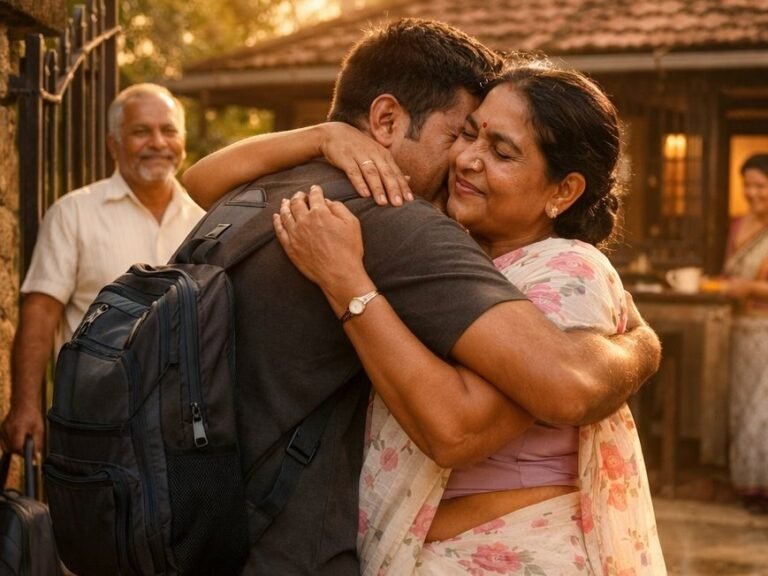
Beyond Legacy: A Blueprint for Generational Handover in Sri Lanka’s Family-Owned Hotels
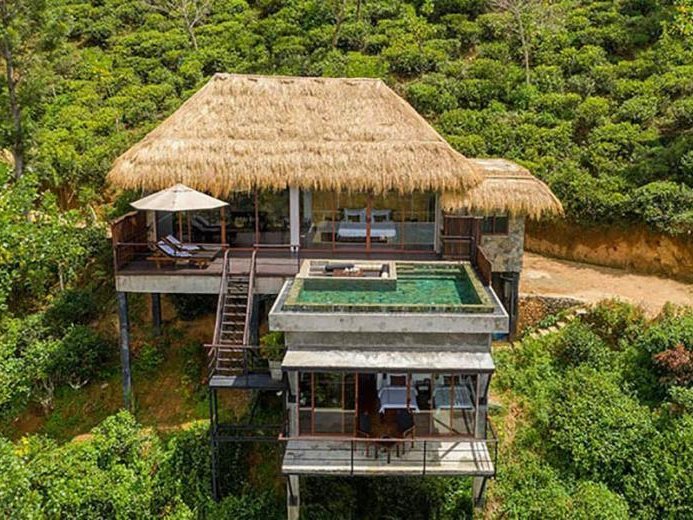
Introduction: A Silent Crisis in an Industry Built on Family Dreams
Sri Lanka’s tourism sector has always been deeply personal. Behind every boutique villa, beachside guesthouse, colonial-restored bungalow, estate retreat, and mid-scale city hotel is a family that poured its savings, relationships, and identity into creating a livelihood. According to the Sri Lanka Tourism Development Authority (SLTDA), more than 78% of registered accommodation properties fall into the small to medium family-owned category, many founded between 1985 and 2015.
Yet today, these establishments face a looming challenge that remains largely unspoken:
Who will run the hotel when the founder steps back?
With Sri Lanka’s ageing population, outward migration of youth, and shifting professional aspirations, generational handover in Sri Lanka’s family-owned hotels has become one of the most urgent—and least prepared for—industry transformations.
Having worked across multiple continents and consulted with hospitality groups from Sri Lanka to Zanzibar and the Maldives to the UAE, I have repeatedly observed the same pattern:
Family businesses fail not because of lack of talent, but because of lack of structured transition.
This article presents a succession blueprint tailored specifically for Sri Lankan family-owned hotels—combining research, lived experience, case studies, and global best practices.
Why This Matters Now
1. Founders are ageing—successors are emigrating
Sri Lanka’s median age has risen to 34.1 years, and projections show the 65+ population doubling by 2040 (Department of Census & Statistics). More than 280,000 Sri Lankans emigrated for work and education between 2021–2024, and hospitality students increasingly choose careers overseas.
2. Tourism recovery demands transformation
With Sri Lanka targeting 5 million arrivals by 2030, the next generation of hoteliers must operate with digital sophistication, sustainability standards, and globalised service expectations.
3. Family-owned hotels are essential to economic resilience
They employ nearly 42% of the tourism workforce directly or indirectly (SLTDA 2023). Their survival influences entire communities—from drivers to farmers to craft makers.
Key Phrase Integration (SEO)
You will find the phrase “generational handover in Sri Lanka’s family-owned hotels” woven naturally throughout the article to optimise search visibility, without affecting readability.
Understanding the Real Problem: Not Replacement, but Transition
Generational succession is not merely selecting a successor.
It is transferring:
- Knowledge
- Values
- Systems
- Trust
- Brand identity
- Community relationships
- Operational excellence
Most Sri Lankan founders still operate intuitively—based on decades of relationships with suppliers, repeat guests, employees, village networks, and local authorities. But intuition is not easily inherited.
Thus, generational handover in Sri Lanka’s family-owned hotels becomes complex when:
- Children live abroad
- Successors lack industry exposure
- Family members disagree on vision
- Nepotism clouds talent decisions
- Ownership and operational control are mixed
- Documentation is missing
- Legacy knowledge exists only in the founder’s mind
To address these gaps, Sri Lanka requires a structured blueprint.
A Succession Blueprint for Sri Lanka’s Family-Owned Hotels
Below is a comprehensive, actionable model designed for Sri Lankan conditions.
1. The Founder’s Legacy Audit™
Before transition, the founder must document:
- Business origin story
- Guest loyalty base
- Operational rituals
- Supplier relationships
- Cultural identity
- Property philosophy
- Brand values
This process strengthens the emotional meaning of the business and ensures that the successor understands not only what to run but why it exists.
2. Governance Framework for Family Businesses
To professionalise generational handover in Sri Lanka’s family-owned hotels, each property should establish:
- A Family Constitution
- A Shareholding Policy
- A Board with independent professionals
- A Defined CEO/GM role
- A Conflict-resolution mechanism
This protects the business from internal disagreements—one of the primary reasons family hotels fail during transition.
3. Successor Identification & Leadership Pathway
The next generation must undergo:
- Structured industry internships
- Rotations in housekeeping, F&B, sales, finance, HR
- cross-training in international hospitality environments
- Exposure to digital marketing and revenue management
- Sustainability certification training
In my own advisory experience, successors who undertake 12–18 months of structured rotations outperform those who simply “inherit” operations.
4. Operational Digitalisation
The future of Sri Lankan hospitality requires:
- Cloud-based PMS
- Revenue management systems
- Guest data platforms
- Digital SOP libraries
- Automation for inventory & payroll
- Online reputation management workflows
This enables successors—especially those living overseas—to manage remotely or intervene strategically.
5. Financial Transparency & Risk Protection
Key actions:
- Clean auditing
- Documentation of all liabilities
- Tax compliance
- Insurance analysis
- Estate planning
- Succession-trigger clauses
This reduces family conflict and protects the property from legal vulnerabilities during transition.
6. Staff Empowerment Ecosystem
Long-serving employees are often the bridge between generations. Many Sri Lankan hotels rely heavily on staff loyalty spanning 10, 20, even 30 years.
Succession strategies must include:
- Career pathways
- Performance incentives
- Leadership training
- Psychological safety frameworks
- Recognition of senior staff contribution
A successor who wins staff loyalty inherits operational stability.
7. Sustainability & Global Positioning
Modern travellers expect:
- Energy efficiency
- Waste reduction
- Community integration
- Local sourcing
- Wellness integration
Successors must embed sustainability into the next evolution of their family hotel.
Case Studies (Ethically Modified to Protect Identities)
Here are seven anonymised, legally safe case studies derived from real situations in Sri Lanka and comparable markets.
Case Study 1: The Hill Country Heritage Bungalow (Sri Lanka)
A 1920s planter’s residence converted into a 12-room boutique hotel faced closure after the founder’s passing. The children, all working overseas, lacked operational knowledge.
A structured succession plan allowed the eldest daughter to run the digital side remotely while a professional management team handled operations. Revenue increased 27% in the first year.
Case Study 2: Family Villa Cluster in Galle
Three siblings inherited a villa cluster, but disagreement over expansion plans caused paralysis. After implementing a Family Constitution, roles were defined: one managed finance, one marketing, one operations.
The villas achieved 74% average annual occupancy within 18 months.
Case Study 3: A Midscale City Hotel — Colombo Suburbs
The founder insisted that his son take over. But the successor lacked passion and later left the country. Only after appointing an external GM did the hotel stabilise.
Lesson: Succession should prioritise capability, not birth order.
Case Study 4: Estate Retreat in Bandarawela
The founder documented his operational “rituals”—including supplier price negotiations, seasonal staffing patterns, and estate maintenance strategies.
This documentation saved the next generation nearly LKR 3 million annually.
Case Study 5: Villa by the Lagoon – Kalpitiya
A widow successfully transferred control to her nephew after her own children moved abroad. The nephew underwent 2 years of structured training and later obtained a tourism diploma.
Today, the villa is fully energy self-sufficient.
Case Study 6: A Maldives-Based Sri Lankan Family Business
A Sri Lankan family operating a resort in the Maldives implemented a three-tier succession system: successor, shadow successor, and advisory council.
This model resulted in 15% YOY revenue growth.
Case Study 7: A Zanzibar Wellness Retreat
Although not Sri Lankan, this case offers relevant insights. A generational transition integrated wellness, community tourism, and conservation partnerships—boosting ADR by 22%.
Cultural Barriers Unique to Sri Lankan Family-Owned Hotels
1. Emotional attachment to “doing things my way”
Many founders built hotels through hardship; letting go is painful.
2. Hierarchical family culture
Successors often feel intimidated or micromanaged.
3. Silence around conflict
Sri Lankan families tend to avoid open discussions on money, inheritance, and power.
4. Perception of hospitality as a “less prestigious” career
Younger generations often choose engineering, IT, medicine, or overseas work instead.
These cultural realities must be addressed through open dialogue, structured communication frameworks, and professional mediation where necessary.
Global Best Practices Sri Lanka Can Adopt
1. The Japanese Omotenashi Method
In Japan, family hotels treat succession as a lifelong apprenticeship.
2. Swiss Dual-Training Model
Successors undergo structured academic + practical training.
3. The UK Boutique Hotel Trust Model
Properties are transferred into trusts to protect brand identity.
4. Thai & Indonesian Community-Hotel Partnerships
Generational handover includes local community empowerment.
Sri Lanka can blend these practices with its own cultural identity.
The Psychological Side of Handover
Succession often triggers:
- Fear of losing control
- Anxiety about children’s competence
- Guilt about not continuing legacy
- Sibling rivalry
- Staff resistance
- Emotional stress
Acknowledging these realities can make transition smoother.
A Vision for 2035: What Sri Lanka Can Become
If even 50% of Sri Lanka’s family hotels execute structured succession, the country could:
- Preserve heritage architecture
- Retain local employment
- Strengthen rural economies
- Increase repeat-guest loyalty
- Improve sustainability rankings
- Compete as a boutique-hotel capital of Asia
The global traveller is shifting away from mass tourism toward authentic, family-owned accommodations. This is Sri Lanka’s moment.
Conclusion: Legacy is Not Inherited — It is Designed
Generational transition is not a loss—it is an evolution.
With clear frameworks, honest communication, and global readiness, Sri Lankan family hotels can thrive across generations.
Generational handover in Sri Lanka’s family-owned hotels is ultimately a strategic investment in the country’s tourism future, cultural identity, and economic resilience.
🔏 Disclaimer
This article has been authored and published in good faith by Dr. Dharshana Weerakoon, DBA (USA), based on publicly available data from recognised local and international sources (including the Sri Lanka Tourism Development Authority, Central Bank of Sri Lanka, UNWTO, hospitality industry reports, and conservation bodies), combined with over two decades of professional experience across multiple continents. It is intended solely for educational, journalistic, and public-awareness purposes to stimulate informed dialogue on strengthening family business continuity in the hospitality sector.
The views expressed are personal and analytical and do not constitute legal, financial, or investment advice. The recommendations, models, and interpretations presented here fully comply with Sri Lankan law, including the Intellectual Property Act No. 52 of 1979, ICCPR Act No. 56 of 2007, and ethical standards related to privacy, data protection, and non-discrimination.
✍ This article is independently authored through lived professional expertise — not AI-generated.
Further Reading: https://www.linkedin.com/newsletters/7046073343568977920/
Further Reading: https://dharshanaweerakoon.com/sri-lanka-as-a-global-living-lab/