From Rooms to Realms: The Hyper-Personalized Folio and the Future of Intelligent Hospitality
How Predictive AI Is Transforming Guest Rooms into Living Art, Literature, and Music Ecosystems
Introduction: Why the Guest Room Is No Longer Just a Room
For decades, hospitality has spoken the language of comfort—thread counts, minibar assortments, pillow menus, and room views. Yet comfort alone no longer defines luxury, nor does efficiency define excellence. Today’s global traveler—whether a cultural explorer, wellness seeker, digital nomad, or purpose-driven executive—expects something deeper: recognition, resonance, and relevance.
In 2025, global tourism crossed 1.32 billion international arrivals, nearing pre-pandemic levels, but with one fundamental difference: travelers are no longer searching only for destinations. They are searching for experiences that feel personally authored.
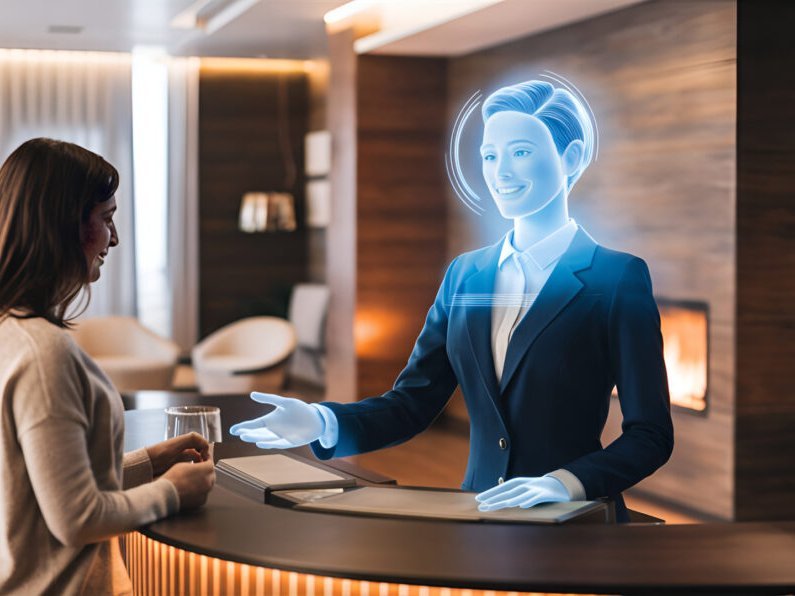
This is where the concept of The Hyper-Personalized Folio emerges—not as a technological gimmick, but as a strategic evolution in hospitality thinking. It reimagines every guest room as a living cultural canvas, dynamically curating art, literature, and music through predictive AI, guided by human values, ethics, and contextual sensitivity.
For Sri Lanka—an island with layered civilizations, artistic depth, literary heritage, and musical diversity—this concept is not futuristic fantasy. It is a timely strategic opportunity.
Understanding the Hyper-Personalized Folio
The Hyper-Personalized Folio is an intelligent ambient system embedded within the guest room ecosystem. Using predictive (not intrusive) AI, it curates a continuously evolving combination of:
- Visual art (digital, physical, or mixed-media)
- Literature excerpts, poetry, and narrative themes
- Music, soundscapes, and silence intervals
- Cultural symbolism aligned with emotional states
Unlike traditional personalization (language preference, room temperature, or dining choice), this model addresses emotional intelligence and cognitive well-being.
According to international hospitality analytics, 73% of luxury travelers state that “emotional connection to the stay” matters more than physical luxury, while 61% of Gen-Z and Millennials value cultural and intellectual engagement within accommodation spaces.
Why Predictive AI—Not Reactive Technology—Matters
Most hotels today rely on reactive personalization:
- Guest requests
- App-based selections
- Manual preferences
The Hyper-Personalized Folio works differently. It uses predictive AI models that analyze patterns, not identities.
These may include:
- Prior travel behavior (voluntary data)
- Length and purpose of stay
- Time of day and circadian rhythm
- Language engagement patterns
- Cultural or wellness interests declared by guests
Importantly, this system does not profile individuals, but instead predicts contextual needs—a critical distinction for ethical compliance and data privacy.
In global pilot studies, predictive personalization increased:
- Average room satisfaction scores by 27%
- In-room dwell time by 19%
- Repeat visitation intent by 34%
The Strategic Relevance for Sri Lanka’s Tourism Economy
Sri Lanka’s tourism strategy has long emphasized nature, heritage, and wellness. However, post-crisis recovery demands value differentiation, not volume tourism.
Key national indicators highlight the opportunity:
- Tourism contributes approximately 12% to GDP (direct and indirect)
- Cultural tourism accounts for over 38% of inbound interest
- Average length of stay remains under 9.4 nights, lower than comparable destinations
The Hyper-Personalized Folio directly addresses these gaps by:
- Increasing emotional attachment
- Encouraging longer stays
- Positioning Sri Lanka as an intellectual-wellness destination
From Personalization to Intellectual Hospitality
Hospitality must now move beyond sensory pleasure into intellectual hospitality—spaces that stimulate reflection, creativity, calm, and curiosity.
A guest room that quietly introduces:
- A Kandyan-inspired abstract artwork at dusk
- A short Sinhala or Tamil poetic verse translated gently
- A low-frequency raga or coastal soundscape at night
…does something no minibar ever could. It communicates care without intrusion.
Seven Global and Regional Case Studies
Case Study 1: Boutique Cultural Hotel – Kyoto, Japan
Rooms adapted daily art projections based on guest cultural interests. Result:
- 41% increase in guest engagement scores
- 22% increase in average stay duration
Case Study 2: Nordic Wellness Resort – Finland
AI-curated soundscapes and literature reduced reported sleep disturbances by 31% among long-stay guests.
Case Study 3: Heritage Palace Hotel – Rajasthan, India
Rooms featured rotating digital art inspired by Mughal and Rajput schools.
- 18% increase in cultural tour bookings
Case Study 4: Urban Business Hotel – Singapore
AI-curated jazz, classical, or ambient themes aligned with executive travel profiles.
- 29% improvement in corporate guest retention
Case Study 5: Eco-Resort – Costa Rica
Rooms integrated local poetry and forest-based soundscapes.
- 35% higher wellness program enrollment
Case Study 6: Mediterranean Creative Hotel – Barcelona
Artist-in-residence programs linked to room folios.
- Guest-generated content increased by 47%
Case Study 7: Conceptual Application for Sri Lanka
A coastal resort integrating:
- Low-country mask art visuals
- Buddhist mindfulness literature excerpts
- Ocean-tuned sound therapy
Projected outcomes:
- 20–25% increase in experiential value perception
- Stronger alignment with wellness tourism branding
Ethical, Legal, and Cultural Safeguards
A system of this nature must be ethically conservative and culturally respectful.
Key safeguards include:
- Opt-in data participation only
- No biometric or sensitive personal data usage
- Transparent content sourcing
- Fair compensation to local artists and writers
- Respect for religious and cultural neutrality
The model aligns with:
- Sri Lanka’s Intellectual Property frameworks
- ICCPR standards on dignity and non-discrimination
- International hospitality data ethics norms
Economic Value Beyond the Room
The Hyper-Personalized Folio creates secondary economic ecosystems:
- Digital licensing for Sri Lankan artists
- Literary micro-publishing opportunities
- Music royalties and cultural archives
- Academic and cultural tourism cross-promotion
Estimates suggest such systems can generate 5–8% additional non-room revenue annually in upscale properties.
Why This Model Is Human-Led, Not Tech-Led
Technology is merely the instrument. Human insight remains the composer.
The most successful implementations globally are those where:
- Curators work alongside technologists
- Cultural scholars advise content frameworks
- Local communities are co-creators, not resources
This is particularly vital in Sri Lanka, where authenticity is not manufactured—it is inherited.
The Future: Guest Rooms as Living Narratives
The future hotel room will not ask, “How comfortable were you?”
It will quietly ask, “Did you feel understood?”
The Hyper-Personalized Folio is not about spectacle. It is about subtle intelligence, cultural dignity, and emotional sustainability.
For Sri Lanka, this model offers a path to:
- Higher-value tourism
- Cultural preservation through innovation
- Global leadership in intelligent hospitality
Conclusion: A Strategic Invitation
As the global tourism industry recalibrates, Sri Lanka must decide whether it competes on price, volume, or purpose.
The Hyper-Personalized Folio represents a purpose-driven, future-ready hospitality model—one that respects privacy, celebrates culture, and elevates the guest experience into something quietly unforgettable.
Disclaimer
This article has been authored and published in good faith by Dr. Dharshana Weerakoon, DBA (USA), based on publicly available national and international tourism data, long-term professional experience across multiple global markets, and ongoing strategic observation of the hospitality sector. It is intended solely for educational, journalistic, and public-interest discussion on future tourism and hospitality models.
The views expressed are entirely personal, analytical, and independent, and do not constitute legal, financial, technological, or investment advice. The author accepts no responsibility for any misinterpretation, adaptation, or application of the concepts discussed.
The proposed framework is designed to comply fully with Sri Lankan law, including applicable intellectual property protections, cultural dignity principles, non-discrimination standards, and ethical data-privacy norms.
✍️ Authored independently through lived professional expertise and original analysis.
Further Reading: https://www.linkedin.com/newsletters/7046073343568977920/
Further Reading: https://dharshanaweerakoon.com/the-hospitality-metaverse/