From Reefs to Revenues: Turning Marine Conservation into Investable Assets in the Maldives
Introduction: The Maldives at a Crossroads
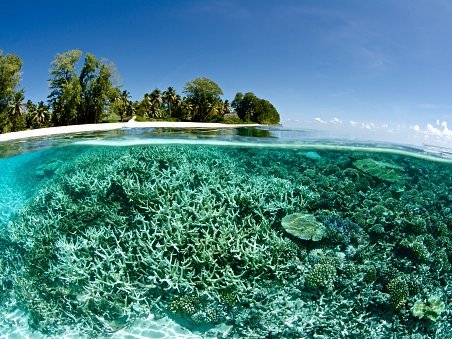
The Maldives is known around the world as an island paradise. Tourists flock here to experience turquoise lagoons, world-class diving, white sandy beaches, and vibrant coral reefs. Yet behind the postcard image lies a deeper question: how can the Maldives sustain both its economy and its environment? The truth is stark — the same ecosystems that power the Maldives’ tourism engine are under existential threat from climate change, coastal erosion, unsustainable development, and over-tourism.
Traditionally, conservation has been framed as a moral obligation or environmental duty. But in today’s financial landscape, there is a new lens: monetizing conservation. In other words, how can we design financial instruments that allow investors, resorts, and communities to earn returns while safeguarding marine resources? The concept is simple but powerful — reefs, seagrass, and mangroves are not just natural wonders, they are valuable economic assets that must be priced, protected, and invested in.
This article explores how innovative financial models — such as coral reef bonds, carbon credits, payments for ecosystem services, and blue bonds — could transform the Maldives into a global leader in conservation finance.
Why This Shift Matters
1. Economic Dependence on Nature
Over 60% of the Maldives’ foreign exchange earnings come from tourism, with more than $3 billion in receipts annually. Coral reefs alone are estimated to contribute around $600 million each year directly through snorkeling, diving, and resort tourism. If these ecosystems degrade, the tourism industry loses its very foundation.
2. Climate Vulnerability
The Maldives is one of the lowest-lying nations on earth, with an average ground level just 1.5 meters above sea level. Rising seas and warming oceans place reefs and beaches at risk. Financial innovation isn’t just desirable — it is essential for survival.
3. Global Investor Trends
Environmental, Social, and Governance (ESG) investing has grown into a multi-trillion-dollar sector. Investors increasingly seek opportunities that combine profit with measurable positive impact. The Maldives can capture this momentum by showcasing marine conservation as an investable proposition.
Innovative Models for Monetizing Marine Assets
Coral Reef Bonds
Imagine a financial instrument where returns depend on the health of coral reefs. Resorts, investors, or even tourists could purchase reef bonds. Independent monitoring agencies would assess coral cover and fish biomass. If reefs remain healthy or improve, investors receive higher returns. If degradation occurs, returns are lower. This direct alignment ensures that financial success depends on ecological success.
Seagrass Carbon Credits
Seagrass meadows, often overlooked, are extraordinary carbon sinks. They capture up to 30 times more carbon per hectare than terrestrial forests. By protecting and expanding seagrass beds, the Maldives can generate carbon credits that can be sold in global markets. Resorts can buy these credits to offset their carbon footprints while contributing to climate action.
Payments for Ecosystem Services (PES)
In a PES model, resorts or tourism operators pay local communities to maintain ecosystems such as mangroves, lagoons, or reefs. For instance, a fishing community could receive payments in exchange for setting aside reef areas as no-fishing zones. This creates a win-win: communities gain income security, while reefs regenerate and tourism thrives.
Blue Bonds and Debt-for-Nature Swaps
Governments or private consortia can issue blue bonds, using proceeds for marine protection. A debt-for-nature swap allows part of a national debt to be forgiven in exchange for commitments to conservation. For the Maldives, which faces significant fiscal pressures, such instruments could simultaneously ease debt burdens and secure funding for marine projects.
Eco-Levies and Resort Contributions
A modest 1% ecosystem levy on resort revenues could generate $30–40 million annually. These funds could be channeled into a sovereign conservation fund, ensuring transparency and long-term investment in marine protection.
Global Case Studies with Lessons for the Maldives
- Belize – In 2021, Belize restructured $550 million of sovereign debt through a “blue bond” deal. The savings fund marine conservation efforts, including expansion of marine protected areas.
- Seychelles – The Seychelles issued a $15 million sovereign blue bond in 2018, supporting sustainable fisheries. It proved that small island nations can successfully tap capital markets for conservation.
- Palau – Palau established a Protected Area Network Fund, financed partly by visitor environmental fees. This ensures sustainable financing for marine protection.
- Costa Rica – Pioneered payments for ecosystem services, compensating landowners for conserving forests. The model can inspire similar marine PES in the Maldives.
- Fiji – Community-led marine protected areas have thrived, funded by donor and NGO partnerships. The emphasis on local ownership has been key to success.
- Maldives (Baa Atoll) – The UNESCO Biosphere Reserve demonstrates successful co-management by resorts, communities, and government. It proves that the Maldives already has a strong local example to scale up.
- Indonesia (Komodo) – Entrance fees from visitors to Komodo National Park fund conservation and local livelihoods. Transparent management ensures acceptance by both tourists and residents.
Why the Maldives is Uniquely Positioned
- High Dependence on Natural Capital: Unlike many destinations, the Maldives has no substitute product. The ecosystem is the product.
- Luxury Tourism Base: Resorts charging $1,000+ per night can easily integrate ESG-linked contributions without harming competitiveness.
- Visibility and Branding: The Maldives is already a global sustainability icon, which provides a marketing advantage.
- Policy Momentum: Existing renewable energy and climate initiatives show willingness to innovate.
Potential Impact in Numbers
- Tourism receipts: Over $3 billion annually.
- Contribution of reefs: Nearly $600 million in direct annual value.
- Carbon storage: Seagrass beds can store carbon at rates 30x higher than forests.
- Revenue potential: A 1% ecosystem levy could raise $30–40 million per year.
- Multiplier effect: Every $1 invested in marine protection can yield $4–5 in long-term economic value by sustaining tourism and fisheries.
Challenges to Address
- Regulatory Clarity – Investors need clear rules and protections.
- Community Inclusion – Benefits must trickle down to local people, avoiding “elite capture.”
- Monitoring and Transparency – Independent audits are essential for investor confidence.
- Capacity Building – Both resorts and communities require training in ESG finance.
- Avoiding Greenwashing – Projects must deliver real, measurable outcomes.
Building the Roadmap
The Maldives can position itself as the “Wall Street of Blue Finance.” By establishing a national blue finance framework, with strong legal underpinnings, it can attract ESG funds, resort contributions, and global investors. A clear roadmap could include:
- A National Blue Conservation Fund with independent governance.
- Pilot projects: coral reef bonds in Baa Atoll, seagrass carbon credits in Addu.
- Partnerships: Aligning resorts, communities, NGOs, and investors.
- Marketing: Branding the Maldives as the premier destination for conservation-driven investment.
Call to Action
The Maldives cannot afford to treat conservation as charity. Reefs, seagrass, and mangroves are the very foundation of national prosperity. By innovating financially, the Maldives can protect its ecosystems, empower its communities, and assure investors of measurable returns.
The time has come to move from reefs as scenery to reefs as assets. This is not just about sustainability — it is about redefining prosperity in the 21st century.
Disclaimer
This article has been authored and published in good faith by Dr. Dharshana Weerakoon, DBA (USA), based on professional experience, public data, and global best practices. It is intended solely for educational and journalistic purposes to stimulate discussion on sustainable tourism finance. The author accepts no responsibility for misinterpretation or misuse. Views expressed are personal and do not constitute legal, financial, or investment advice. This article and the proposed model comply with Sri Lankan and Maldivian law, including intellectual property, human rights, and ethical standards.
Further Reading: https://www.linkedin.com/newsletters/outside-of-education-7046073343568977920/
Additional Reading: https://gray-magpie-132137.hostingersite.com/quiet-luxury/