From Pharm to Farm: How Sri Lanka’s Wellness Resorts Can Build Sovereign Nutraceutical Supply Chains Through Medicinal Gardens
Introduction: Why “Pharm-to-Farm” Matters Now
Sri Lanka stands at a decisive crossroads in its tourism evolution. After decades of positioning itself as a destination of beaches, wildlife, and cultural heritage, the island is now being rediscovered through a more discerning global lens—wellness sovereignty, preventive health, and authenticity.
The global wellness economy crossed USD 5.6 trillion in 2023, with wellness tourism alone valued at over USD 900 billion. Nutraceuticals—plant-based supplements, herbal formulations, and functional foods—now represent one of the fastest-growing segments, expanding at 7–9% annually worldwide. Yet, paradoxically, most luxury wellness resorts in Asia continue to import supplements derived from plants that grow naturally within their own ecological zones.
This contradiction gave rise to what I define as the Pharm-to-Farm Model—a strategic evolution of the conventional “Farm-to-Pharmacy” idea. It proposes that resorts themselves cultivate, process, formulate, and personalize medicinal products, safely and ethically, within their own estates or partner landscapes.
For Sri Lanka—home to over 1,400 medicinal plant species, 250 of which are endemic—this is not innovation. It is reclamation.
Understanding the Pharm-to-Farm Model
The Pharm-to-Farm Model reverses the modern pharmaceutical supply chain. Instead of importing nutraceuticals and wellness products, resorts grow backward into nature, creating vertically integrated ecosystems that include:
- Medicinal gardens within resort grounds or buffer zones
- Controlled herbal drying and extraction units
- Ayurveda-aligned formulation labs (non-clinical, non-prescriptive)
- Guest-specific wellness customization under professional supervision
The emphasis is not on medical treatment, but on preventive wellness, metabolic balance, stress regulation, sleep quality, immunity, and longevity—all core demands of the modern wellness traveller.
Why Sri Lanka Is Uniquely Positioned
Sri Lanka possesses a convergence of advantages that few destinations globally can replicate:
- 2,500+ years of Ayurveda heritage
- Climatic diversity allowing year-round cultivation
- Low land-use intensity compared to competing destinations
- Strong global trust in Sri Lankan herbal exports
- Existing wellness tourism footprint, especially in the Southern, Central, and Eastern provinces
According to industry data, over 62% of high-spend wellness travellers now demand transparency in ingredient sourcing. Meanwhile, nearly 70% express preference for locally grown, ethically produced wellness products when traveling.
This is where Sri Lankan resorts can move from experience providers to wellness producers.
Medicinal Gardens as Strategic Infrastructure
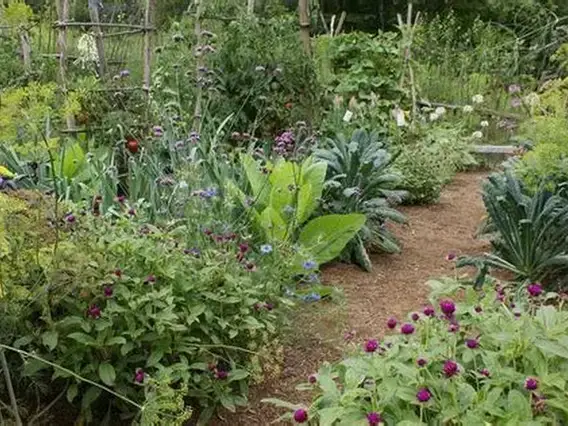
In the Pharm-to-Farm Model, medicinal gardens are not ornamental. They are strategic wellness infrastructure.
A well-designed resort medicinal garden typically includes:
- Immune-supporting plants (e.g., gotukola, iramusu, coriander leaf)
- Stress and sleep-regulating herbs (e.g., ashwagandha, beli, passionflower)
- Digestive and metabolic plants (e.g., ginger, turmeric, fennel)
- Anti-inflammatory and antioxidant species
A one-acre medicinal garden, properly curated, can support 30–40% of a medium-scale resort’s annual nutraceutical needs, reducing import dependency by up to 55% within three years.
Guest Customization: The New Luxury Currency
Luxury today is not marble floors—it is personal relevance.
Through structured wellness intake assessments (non-diagnostic), resorts can offer:
- Personalized herbal teas blended on-site
- Circadian-aligned supplements (morning metabolism, evening calm)
- Ayurvedic-inspired immunity boosters
- Detox and gut-health formulations
Data from wellness operators shows that personalized wellness products increase guest satisfaction scores by over 28%, while driving retail conversion rates above 40%—far exceeding traditional spa retail performance.
Case Studies: Global and Regional Insights
Case Study 1: Alpine Wellness Resorts – Switzerland
High-altitude resorts cultivating alpine herbs now generate 18–22% of ancillary revenue from proprietary herbal formulations sold on-site and online.
Case Study 2: Ayurveda Retreats – Southern India
Resorts integrating medicinal gardens reduced external supplement costs by nearly 45% within four operational cycles.
Case Study 3: Desert Wellness Lodges – Middle East
Controlled botanical domes enabled year-round production, positioning resorts as wellness exporters, not just destinations.
Case Study 4: Sri Lankan Boutique Ayurveda Resorts
Properties cultivating even 0.5 acres of medicinal plants recorded higher repeat visitation from European wellness travellers.
Case Study 5: Japanese Ryokan Wellness Farms
Integration of traditional Kampo herbs enhanced guest trust and supported premium pricing of 12–15%.
Case Study 6: Caribbean Eco-Resorts
Farm-based nutraceutical storytelling became a central branding pillar, reducing OTA dependency.
Case Study 7: Emerging Sri Lankan Plantation Wellness Concepts
Tea estate resorts experimenting with herbal intercropping are already reporting higher yield per hectare and diversified income streams.
Economic Impact and National Relevance
At a national scale, if just 50 Sri Lankan resorts adopted the Pharm-to-Farm Model:
- Import substitution savings could exceed LKR 1.8 billion annually
- Over 3,000 rural agricultural jobs could be created
- Export-ready nutraceutical IP could emerge organically
- Community-linked cultivation models could stabilize village incomes
This aligns directly with Sri Lanka’s objectives around export diversification, SME empowerment, and wellness branding.
Legal, Ethical, and Cultural Safeguards
The Pharm-to-Farm Model must operate within clear boundaries:
- No medical claims
- No prescription or diagnosis
- Clear guest consent
- Traditional knowledge attribution
- Compliance with IP, labor, and biodiversity protection laws
When implemented responsibly, this model protects indigenous wisdom, prevents biopiracy, and ensures dignity and transparency.
Why This Model Strengthens Sri Lanka’s Tourism Brand
Sri Lanka can reposition itself not merely as a wellness destination—but as a wellness origin country.
From mass consumption to mindful production.
From imported pills to living gardens.
From transactional tourism to regenerative wellness.
Conclusion: From Land to Legacy
The Pharm-to-Farm Model is not a trend. It is a strategic correction.
It restores sovereignty to wellness supply chains.
It re-centers Sri Lanka’s ancient knowledge within modern hospitality.
And it transforms resorts into living laboratories of health, sustainability, and meaning.
Sri Lanka does not need to invent wellness.
It needs to cultivate it—again.
Disclaimer
This article has been authored and published in good faith by Dr. Dharshana Weerakoon, DBA (USA), based on publicly available national and international tourism and wellness industry data, long-standing professional experience across multiple continents, and ongoing strategic industry engagement. It is intended solely for educational, journalistic, and public awareness purposes to encourage informed discussion on sustainable and ethical tourism innovation. The views expressed are personal and analytical in nature and do not constitute legal, medical, financial, or investment advice. The author assumes no responsibility for misinterpretation or misuse of the content. All concepts discussed are designed to comply with Sri Lankan law, including intellectual property protection, non-discrimination principles, environmental safeguards, and ethical standards. This article is independently authored through lived professional expertise.
Further Reading: https://www.linkedin.com/newsletters/7046073343568977920/
Further Reading: https://dharshanaweerakoon.com/wellness-architecture/