Fertility Tourism 2.0: How Sri Lanka Can Transform Holistic Conception Retreats Through Ayurveda and Modern Reproductive Science

INTRODUCTION: A NEW ERA OF WELLNESS-DRIVEN TRAVEL
Around the world, the struggles associated with conception have quietly evolved into one of the most powerful drivers of medical and wellness-related travel. Although fertility clinics and IVF centres continue to grow rapidly—reaching an estimated US$45 billion global market value by 2027—a new parallel movement is emerging. This movement emphasises natural conception support, stress reduction, hormonal balance, Ayurvedic panchakarma, and evidence-based reproductive wellness.
This movement is now known as Fertility Tourism 2.0.
Unlike traditional fertility tourism, which largely revolves around clinical IVF procedures, Fertility Tourism 2.0 integrates ancient healing wisdom with modern diagnostic systems. It focuses on the mind–body connection, lifestyle enhancement, and personalised nutrition—all aligned with global trends in regenerative wellness and preventive medicine.
For Sri Lanka, a country with 2,500 years of medical heritage, rich biodiversity, a reputation for hospitality excellence, and internationally recognised Ayurveda, Fertility Tourism 2.0 presents a rare opportunity. If strategically positioned, it can become a high-value, low-impact, wellness-driven tourism niche, capable of generating revenue while elevating the country’s global brand.
WHY FERTILITY TOURISM 2.0 IS EMERGING NOW
1. Rising global infertility rates
Global infertility affects:
- 1 in 6 couples worldwide (WHO, 2023)
- Up to 23% of couples in urban South Asia
- Male infertility contributing to approx. 50% of cases
Factors driving this include stress, sedentary lifestyles, endocrine disruptors, obesity, poor sleep patterns, and environmental toxins.
As a result, many couples seek less invasive, holistic, and natural pathways to improve their reproductive health before considering IVF.
2. Explosive growth in wellness tourism
Wellness tourism has become one of the fastest-growing tourism segments globally. According to the Global Wellness Institute:
- Wellness tourism was valued at US$651 billion in 2022
- Expected to reach US$1 trillion by 2025
- Wellness travellers spend 35–53% more than average tourists
Within this, reproductive wellness is one of the fastest-expanding sub-categories.
3. Demand for Ayurveda-based fertility support
Ayurvedic fertility enhancement—particularly Panchakarma, Rasayana therapy, Shirodhara, herbal nutraceutical programmes, and dosha-balancing diets—has seen global revival due to its holistic and preventive nature.
The global Ayurvedic market is projected to exceed US$16 billion by 2027, with fertility-focused Ayurveda showing sharp growth in India, Nepal, Europe, and Australia.
4. Couples prefer private, serene environments over clinical settings
The psychological dimension of conception is now well documented:
- High stress levels reduce fertility rates by up to 27%
- Mindfulness and meditation can improve fertility biomarkers by 30–40%
- Couples value privacy, nature immersion, and personalised attention
Sri Lanka’s landscapes, boutique hotels, eco-retreats, and Ayurveda resorts are perfect for such an experience.
WHY SRI LANKA IS UNIQUELY POSITIONED TO LEAD FERTILITY TOURISM 2.0
Sri Lanka’s potential in this niche is not accidental—it is structural, cultural, and ecological.
1. Deep-rooted Ayurveda heritage
Sri Lanka’s Ayurveda system is recognised internationally for:
- Classical Panchakarma
- Herbal pharmacology backed by endemic plant biodiversity
- Specialised treatments for reproductive health
- Diet-based fertility enhancement traditions
More than 8,000 registered Ayurveda practitioners and biodiversity-rich botanicals give Sri Lanka a natural competitive edge.
2. Proven hospitality excellence
Sri Lanka has repeatedly been ranked among the world’s most hospitable nations. Boutique wellness travellers—especially couples—seek:
- Privacy
- Personalised care
- Clean food
- Mind-body healing experiences
Sri Lankan service culture naturally aligns with these expectations.
3. Medical and laboratory integration capacity
Modern reproductive science requires:
- Hormone profiling
- Semen analysis
- Ultrasound diagnostics
- Nutritional assessment
Sri Lanka’s private healthcare sector already provides these at world-class standards. By integrating these clinical tools with Ayurveda, Sri Lanka can offer evidence-based fertility retreats without performing IVF.
4. Ideal geographical scale
Sri Lanka’s compact size allows couples to combine:
- Ayurveda treatment
- Relaxation
- Nature immersion
- Cultural experiences
Within a few hours’ travel, creating a complete emotional-spiritual healing journey.
GLOBAL CASE STUDIES: HOW OTHER COUNTRIES ARE CAPITALISING
To understand how Sri Lanka can build its own model, it is essential to examine successful examples worldwide. Below are seven case studies, carefully chosen to highlight diverse approaches, integrated frameworks, and business models.
CASE STUDY 1: Kerala, India – Panchakarma Fertility Retreats
Kerala branded Ayurvedic fertility support as a premium service combining Panchakarma, yoga, and reproductive endocrinology. Wellness centres such as Kottakkal and CGH Earth attract over 65,000 wellness tourists annually, with fertility programmes growing at 12–15% per year.
Key Insight for Sri Lanka:
Authenticity, structured treatment protocols, and international marketing yield high-trust, high-value demand.
CASE STUDY 2: Thailand – Integrative Reproductive Wellness & Stress Reduction
Thailand’s leading integrative centres combine Western diagnostics with Eastern therapies. Many couples attend pre-conception retreats before IVF.
Revenue Impact: The segment contributes to Thailand’s US$12 billion medical tourism earnings.
Key Insight:
Blending medical diagnostics with nature retreats significantly enhances credibility.
CASE STUDY 3: Bali, Indonesia – Emotional Healing & Mind-Body Fertility Studios
Bali has positioned itself as a sanctuary for emotional wellness. Retreats focusing on fertility psychology, trauma healing, and breathwork have seen rising global demand.
Key Insight:
Emotional wellbeing is a major driver in conception tourism.
CASE STUDY 4: Japan – Stress-Resilience and Lifestyle Medicine
Japan’s hot spring destinations offer reproductive-wellness packages supported by traditional Kampo medicine and stress-reset programmes.
Key Insight:
Science-backed lifestyle medicine integrated with culture enhances trust.
CASE STUDY 5: Turkey – Pre-IVF Detox Retreats
Turkey’s luxury wellness resorts offer detoxification, anti-inflammatory diets, and clinical diagnostics.
Key Insight:
Couples now undergo natural wellness interventions before IVF to increase success rates.
CASE STUDY 6: Costa Rica – Blue Zone Fertility & Longevity Integration
Nicoya, a global Blue Zone, attracts couples wanting longevity-enhancing, stress-free environments with herbal fertility support.
Key Insight:
Nature, slow living, and positive psychology dramatically improve reproductive potential.
CASE STUDY 7: Australia – Evidence-Based Integrative Fertility Coaching
Australia’s personalised fertility coaching ecosystem pairs nutritionists, psychologists, and lifestyle medicine physicians.
Key Insight:
Fertility education and actionable guidance enhance retreat outcomes and customer trust.
HOW SRI LANKA CAN BUILD ITS OWN FERTILITY TOURISM 2.0 MODEL
For Sri Lanka to succeed, the model must be holistic, ethical, science-informed, culturally respectful, and aligned with national regulations.
1. DEVELOPMENT OF SPECIALISED FERTILITY RETREAT CENTRES
Retreats can include:
- Ayurvedic doctor consultations
- Panchakarma cleansing
- Hormonal detoxification
- Herbal formulations for reproductive rejuvenation
- Stress-management modules
- Partner-support programmes
These should be designed with:
- Evidence-based pathways
- Biometric monitoring
- Psychological counselling
- Nutrition planning
2. PARTNERSHIPS BETWEEN AYURVEDA INSTITUTES AND MODERN LABORATORIES
Couples benefit from:
- Hormone panels
- Thyroid markers
- Semen analysis
- Vitamin deficiencies
- Gut-health markers
This helps personalise Ayurvedic treatment.
3. DEVELOPMENT OF “NATURE MEDICINE” EXPERIENCES
Sri Lanka can integrate:
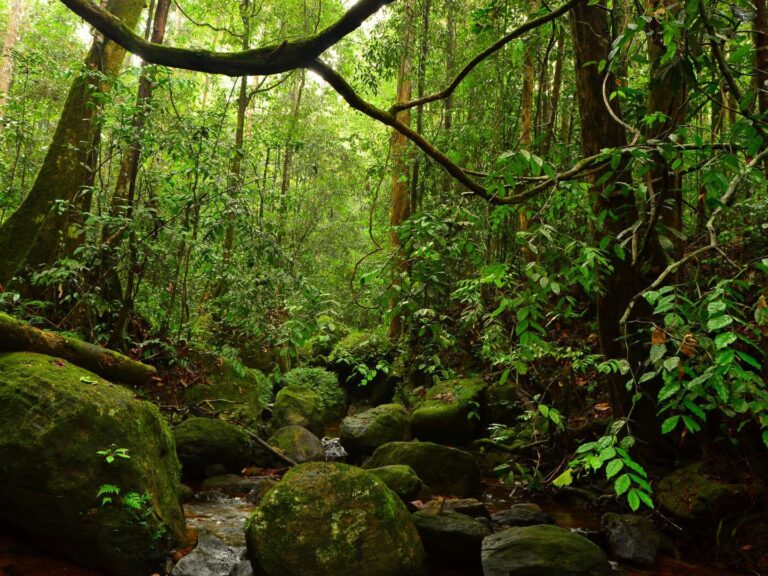
- Forest bathing (shinrin-yoku-inspired)
- Lagoon and herbal steam therapies
- Sound healing with Sri Lankan ritual music traditions
- Temple meditation
- Biodynamic farming exposure
These improve emotional balance and reduce cortisol levels—crucial for fertility.
4. CREATION OF PREMIUM PACKAGES FOR INTERNATIONAL COUPLES
3-week, 4-week, and 6-week programmes combining:
- Ayurveda
- Mindfulness
- Nutrition
- Reproductive wellness coaching
- Cultural immersion
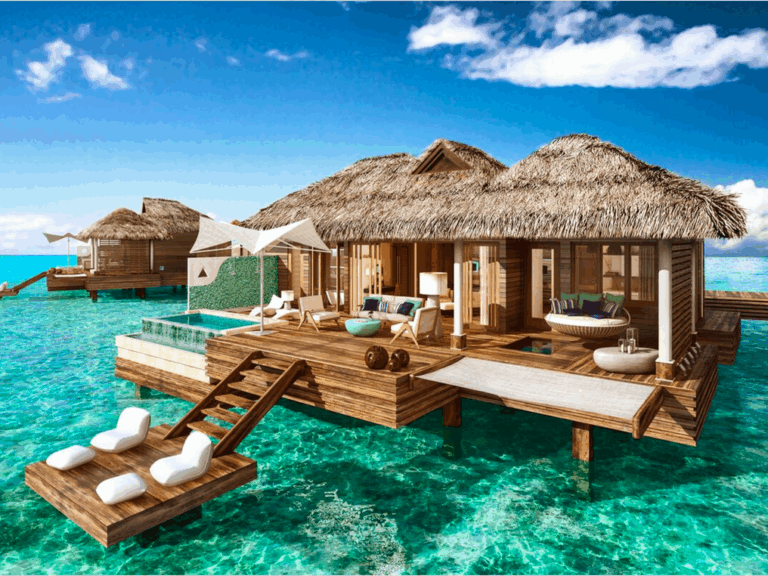
- Eco-luxury accommodation
5. STRONG ETHICAL AND LEGAL STRUCTURE
Sri Lanka must maintain:
- Non-discriminatory access
- Cultural sensitivity
- No exploitation of vulnerable groups
- No clinical IVF crossover unless regulated
- Transparent pricing
- Data protection
This safeguards national reputation and aligns with Sri Lankan law.
EXPECTED ECONOMIC IMPACT FOR SRI LANKA
If Sri Lanka successfully captures even 0.5% of the global fertility tourism market, the revenue potential would exceed:
US$225 million annually
Additional benefits include:
- Longer visitor stays (21–45 days)
- High spending patterns (200–400 USD/day)
- Increased wellness exports (herbal products, teas, nutraceuticals)
- Job creation for Ayurveda therapists, nutritionists, psychologists, and hospitality staff
- Opportunities for women-led entrepreneurship
THE SRI LANKAN BRAND POSITIONING: “THE ISLAND OF HOLISTIC CONCEPTION”
Sri Lanka can own a unique global identity:
- Natural fertility enhancement
- Harmonised science and ancient medicine
- Emotional, spiritual, and physical healing
- Island-style rest, rejuvenation, and relational bonding
Few countries combine these elements so seamlessly.
CONCLUSION: THE MOMENT FOR FERTILITY TOURISM 2.0 IS NOW
Fertility Tourism 2.0 is not just a market—it is a movement driven by human emotion, hope, and the universal desire to create life. Sri Lanka has everything required to lead this niche: Ayurveda, hospitality, modern medical capability, biodiversity, emotional healing traditions, and a reputation for gentle, compassionate service.
If developed with ethical clarity, professional governance, and strategic marketing, Sri Lanka can become the world’s most trusted destination for holistic conception retreats, attracting high-value wellness travellers while uplifting local communities and preserving cultural heritage.
The future of sustainable tourism lies not only in seeing a place—but in healing within it.
Sri Lanka is ready for that future.
DISCLAIMER
This article has been authored and published in good faith by Dr. Dharshana Weerakoon, DBA (USA), based on publicly available data from cited national and international sources (including Sri Lanka Tourism Development Authority, Central Bank of Sri Lanka, international tourism monitors, and conservation bodies), decades of professional experience across multiple continents, and ongoing industry insight.
It is intended solely for educational, journalistic, and public-awareness purposes to stimulate discussion on sustainable tourism models. The author accepts no responsibility for any misinterpretation, adaptation, or misuse of the content. Views expressed are entirely personal and analytical, and do not constitute legal, financial, or investment advice.
This article and the proposed model are designed to comply fully with Sri Lankan law, including the Intellectual Property Act No. 52 of 1979, the ICCPR Act No. 56 of 2007, and all relevant data-privacy and ethical standards.
✍ Authored independently and organically through lived professional expertise—not AI-generated.
Further Reading: https://www.linkedin.com/newsletters/7046073343568977920/
Further Reading: https://dharshanaweerakoon.com/sustainable-hospitality-in-sri-lanka-2/