Banana, Lotus & කොලපත: Sri Lanka’s Green Revolution on a Plate
Introduction: Returning to Our Roots to Build a Greener Future
Across the world today, the tourism and hospitality industry faces an urgent turning point. Nations that once relied on mass tourism, large buffets, excessive packaging, imported food containers, and plastic-laden operations are now being forced to reconsider their models. Global travellers are not merely looking for beautiful landscapes or indulging experiences anymore—they seek destinations that demonstrate responsibility, cultural authenticity, and genuine environmental stewardship.
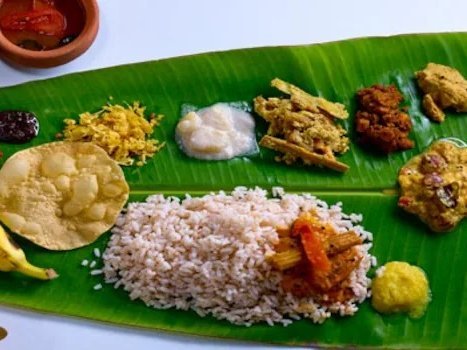
Sri Lanka, with its ancient civilisation and profound ecological wisdom, holds solutions that many modern countries are still searching for. Long before plastic was invented, our ancestors served meals on banana leaves, lotus leaves, and areca palm leaves (කොලපත). These were not only everyday utensils but cultural symbols, wellness tools, and environmentally flawless designs.
Today, these leaves offer a powerful response to the challenges facing Sri Lanka’s tourism sector—rising waste volumes, high disposal costs, declining natural environments, and the global expectation for sustainable dining experiences.
This article offers a comprehensive analysis—cultural, environmental, economic, wellness-oriented, and industry-specific—on how Sri Lanka can strategically revive these traditional leaf-based serving methods as a scalable alternative to single-use plastic plates, takeaway boxes, and food packaging. It includes research insights, industry knowledge, seven case studies, and a long-term model for national adoption.
This subject is not just about replacing a plate. It is about redefining who we are as a tourism nation.
The Plastic Crisis in Sri Lanka’s Tourism Sector
Sri Lanka’s tourism-dependent economy has long been challenged by unmanaged waste, particularly plastics used in food packaging, takeaway meals, hotel services, and transport catering. Although the hospitality industry is a key pillar of economic recovery, it is also one of the largest generators of single-use plastic items—plates, cups, wrappers, cutlery, and takeaway boxes.
Annual Plastic Generation: A Growing Threat
Sri Lanka is estimated to generate more than 1.6 million metric tonnes of plastic waste each year. A substantial portion—believed to be well over 60%—originates from single-use items used in food services, tourism, hotels, event catering, and supermarket retail.
Even after regulatory bans on certain plastic items, around 170,000 tonnes of plastic waste remain unmanaged annually. Much of it finds its way into rivers, beaches, forests, and tourist areas. Coastal tourism zones—Unawatuna, Mirissa, Bentota, Passikudah, Nilaveli, and Colombo’s urban beachfront—are among the most affected due to high consumption levels.
Tourism’s Waste Footprint
Research in Sri Lankan tourism clusters has consistently demonstrated that hotels produce notable volumes of packaging waste, including plastic from takeaway meals and buffet-service operations. In some hotel sectors, especially urban dining and resort takeaway segments, the share of plastic cutlery and plates can reach alarmingly high proportions.
In parallel, food waste is another major challenge. In certain regions in Sri Lanka—particularly the Western Province—food and biodegradable waste account for up to 69% of municipal solid waste. When combined with plastic packaging, this creates a heavy burden on landfills and local councils, and directly affects the island’s attractiveness as a clean, green destination.
Impact on Sri Lanka’s Tourism Competitiveness
Tourists today—especially European, North American, Australian, Japanese, and South Korean travellers—are extremely sensitive to environmental standards. Their expectations include:
- visibly clean beaches
- waste-minimized dining experiences
- natural food presentation
- eco-friendly packaging
- culturally authentic meal rituals
Poor waste management, overflowing bins near resort zones, polluted beachfronts, and plastic-filled drains not only damage the experience but also reduce repeat visits.
In 2023, tourism contributed around 7–8% of Sri Lanka’s GDP. The future stability of this sector depends heavily on meeting global sustainability standards. The transition to eco-friendly packaging is no longer a decorative “green” gesture—it is a competitive economic necessity.
Nature’s Own Plates: Cultural, Environmental & Wellness Richness
Sri Lanka’s tropical biodiversity offers an abundance of natural materials perfect for meal serving and packaging. Three stand out historically and scientifically:
1. Banana Leaf (කෙසෙල් කොල)
Cultural Legacy
For centuries, Sri Lankans have used banana leaves for:
- religious offerings
- almsgiving
- village weddings
- communal feasts (dansal)
- traditional meals and sweets
The banana leaf represents purity, respect, abundance, and the simplicity of nature. Across Asia—India, Malaysia, Thailand, Indonesia, and Bangladesh—it is similarly used in ceremonial meals.
Functional Superiority
Banana leaves are:
- naturally water-resistant
- large and flexible
- heat tolerant
- biodegradable in a matter of days
- antibacterial due to polyphenols
- aromatic when warm food is placed on them
These characteristics make banana leaves superior to many modern plates.
2. Lotus Leaf (Nelum Kole / Nelum Patha)
Symbolism & Spirituality
The lotus is deeply sacred in Sri Lanka. It symbolises purity, detachment from impurity, spiritual awakening, and harmony with nature. Serving food on lotus leaves connects the dining ritual to mindfulness and spiritual purity.
Practical Advantages
Lotus leaves are:
- broad and durable
- naturally hydrophobic due to waxy coatings
- ideal for wrapping steamed or grilled foods
- aromatic
- visually elegant
- compostable within weeks
Most importantly, lotus leaves are abundant in Sri Lankan wetlands, tanks, and agricultural landscapes.
3. Areca Leaf / Palm Leaf (කොලපත)
Often misunderstood as solely taken from the areca nut tree, “කොලපත” has existed for generations in Sri Lankan rural culture. These leaves—either areca palm or similar palm species—fall naturally and can be collected without harming the tree.
Traditional Craftsmanship
Areca leaf craft includes:
- hand-pressed plates
- stitched round plates (pattal)
- bowls
- trays
This is a cottage industry in South Asia and increasingly in Sri Lanka.
Durability
Areca leaf plates are:
- rigid and stable
- heat resistant
- suitable for curries, rice, fried items
- capable of holding both wet and dry foods
- strong enough to serve as full dinner plates
From an engineering point of view, areca plates are one of the world’s strongest natural biodegradable plates.
Why These Leaves Matter for Modern Tourism
Environmental Advantages
Replacing single-use plastics with leaf-based plates can significantly reduce waste. Hotels and restaurants are among the highest consumers of disposable meal containers, especially in takeaway services, staff meals, outdoor catering, beach dining, and excursions.
Leaf plates:
- fully decompose
- reduce landfill burden
- prevent marine pollution
- support circular-economy systems
- lower waste-management costs
Cultural Authenticity & Guest Experience
Travellers today seek meaningful, localised, sensory experiences. Eating on banana or lotus leaves is not merely a meal—it is an immersive cultural journey.
Guests often describe such experiences as:
- more natural
- more aesthetically pleasing
- more aligned with wellness principles
- more connected to Sri Lankan identity
Hotels worldwide already spend heavily to create “nature-themed” dining. Sri Lanka, however, can do it naturally.
Community & Rural Economic Empowerment
Leaf-based plate production offers income to:
- banana leaf farmers
- lotus leaf collectors
- areca leaf artisans
- rural women’s cooperatives
- agricultural labourers
- small-scale entrepreneurs
A national shift can create thousands of rural livelihoods while reducing national import dependency on plastic and paper packaging.
Case Studies: Seven Practical Models for Sri Lanka
Case Study 1: Rural Eco-Resort Adopts 100% Banana Leaf Dining
A boutique eco-lodge in the Central Province introduced a complete banana-leaf meal service for both dine-in and takeaway. They established partnerships with surrounding banana cultivators, guaranteeing weekly purchases.
Outcomes:
- 40% reduction in plastic waste
- enhanced guest satisfaction
- unique “banana leaf experience” added to tour packages
- increased local farmer income
Case Study 2: Temple Festival Catering – A Scalable Heritage Model
During annual temple peraheras and festival events, food is traditionally served on lotus or banana leaves. A tour operator collaborated with temple committees to create tourist-friendly dining packages using leaves only.
Outcomes:
- cultural immersion
- large-scale reduction in plastic cups and plates
- improved community-tourist relations
- strengthened cultural tourism marketing
Case Study 3: Areca Leaf Social Enterprise (Southern Province)
A women-led cooperative in a southern district began producing areca leaf plates with hand presses. A coastal resort chain contracted them for sustainable dining events.
Outcomes:
- dozens of rural women employed
- monthly production volumes increased
- resort’s sustainability rating improved
- repeat orders doubled after guest feedback
Case Study 4: Wellness Retreat Uses Lotus Leaves for Mindful Dining
A wellness resort near a main cultural zone introduced lotus-leaf-wrapped meal rituals for detox diets, vegan menus, and Ayurvedic food plans.
Outcomes:
- wellness branding strengthened
- guests reported deeper sensory experience
- pictures of lotus-leaf meals attracted online engagement
- retreat positioned itself as a “nature-serenity” dining pioneer
Case Study 5: Zero-Plastic Day Tours with Leaf-Wrapped Meals
A sustainable tourism operator redesigned all tour-meal packaging using banana leaves and areca leaf plates. Guests received traditional meal parcels wrapped neatly in leaves without any polythene lining.
Outcomes:
- marketing boosted by “green tour” promise
- positive tourist reviews
- zero waste left behind in nature parks
- local vendors gained income through leaf supply
Case Study 6: Hotel Chain Waste Audit Pilot
A Sri Lankan mid-range hotel chain conducted a three-month waste audit across multiple properties. They replaced takeaway boxes with areca leaf containers for in-house and excursion meals.
Outcomes:
- 25% reduction in plastic plate usage
- improved environmental certification
- cost savings in waste disposal
- elevated brand perception
Case Study 7: International Benchmarking – Lessons from Regional Neighbours
A Sri Lankan eco-hotel group studied banana-leaf and areca-leaf catering models in South India and Southeast Asia. These regions have scaled leaf-based dining with great success in weddings, festivals, hotels, and community catering.
Outcomes:
- technical knowledge transfer
- trained Sri Lankan leaf artisans
- improved product quality
- expanded regional collaboration opportunities
Strategic Roadmap for National Adoption
1. Strengthen Leaf Supply Chains
- Map banana, lotus, and areca leaf-producing regions
- Introduce leaf collection hubs
- Train farmers in leaf harvesting and hygiene standards
- Build relationships between hotels and rural suppliers
2. Introduce Food-Safe Processing Systems
- Diesel-free leaf dryers
- Natural sterilization methods
- Hygienic storage facilities
- Standard operating procedures for food safety
3. Promote Artisanal Leafware Production
- Expand areca plate cooperatives
- Introduce mechanised presses (solar-powered)
- Provide microcredit for rural women’s groups
- Train new entrepreneurs
4. Hotel Procurement Transformation
Hotels can adopt:
- “Leafware Procurement Guidelines”
- plastic-free takeaway policies
- composting systems for leaf waste
- branding opportunities around leaf-based dining
5. Marketing & Storytelling
Hotels and tour operators can market leaf-based dining as:
- a cultural experience
- a wellness ritual
- a sustainability initiative
- an authentic Sri Lankan tradition
- a differentiator for international guests
6. Government & Policy Support
Policy interventions may include:
- incentives for biodegradable packaging
- support for leafware producers
- sustainability certification schemes
- training through SLTDA and local authorities
Challenges and Solutions
Supply Variability
Solution: regional diversification, farmer agreements, leaf inventory planning.
Food Safety Concerns
Solution: cleaning protocols, leaf sterilisation, regulatory guidelines.
Higher Initial Costs
Solution: long-term savings from waste reduction; premium branding value.
Behavioural Resistance
Solution: training, awareness campaigns, tourist engagement.
Impact on Wellness Tourism
Leaf-based dining complements:
- Ayurveda
- detox meals
- yoga retreats
- forest bathing
- mindfulness tourism
The sensory qualities of banana, lotus, and areca leaves elevate the guest experience, supporting the booming global wellness tourism segment.
National Branding Opportunity
Sri Lanka can brand itself as:
“Asia’s Leaf-Based Dining Capital”
This is a powerful identity aligned with our agricultural heritage, environmental values, and tourism aspirations.
Conclusion
Reviving the traditional use of banana leaves, lotus leaves, and areca leaves (කොලපත) for food packaging and plates is more than a nostalgic cultural return—it is a strategic, ecological, economic, and wellness-driven decision for modern Sri Lanka.
Adopting these natural materials across the tourism and hospitality sector can:
- drastically reduce plastic waste
- empower rural communities
- strengthen our national brand
- elevate guest experience
- support wellness tourism
- protect the environment for future generations
This is not a small change. It is a national opportunity.
Sri Lanka stands at a moment where global demand, local tradition, and environmental necessity align perfectly.
Our leaves may very well be our future.
Disclaimer
This article has been authored and published in good faith by Dr. Dharshana Weerakoon, DBA (USA), based on publicly available data from national and international sources, industry reports, academic publications, professional experience across multiple continents, and ongoing sectoral observations. It is intended solely for educational, journalistic, and public awareness purposes to stimulate discussion on sustainable tourism models. The author accepts no responsibility for any misinterpretation, adaptation, or misuse of the content. Views expressed are personal and analytical, and do not constitute legal, financial, or investment advice. This article is designed to comply with Sri Lankan law, including the Intellectual Property Act No. 52 of 1979, the ICCPR Act No. 56 of 2007, and relevant ethical standards.
✍ Authored independently and organically through lived professional expertise—not AI-generated.
Further Reading: https://www.linkedin.com/newsletters/7046073343568977920/
Further Reading: https://dharshanaweerakoon.com/green-spa-revolution/