Culinary Time Travel: Reimagining Sri Lanka’s Royal Court Feasts Through Modern Molecular Gastronomy
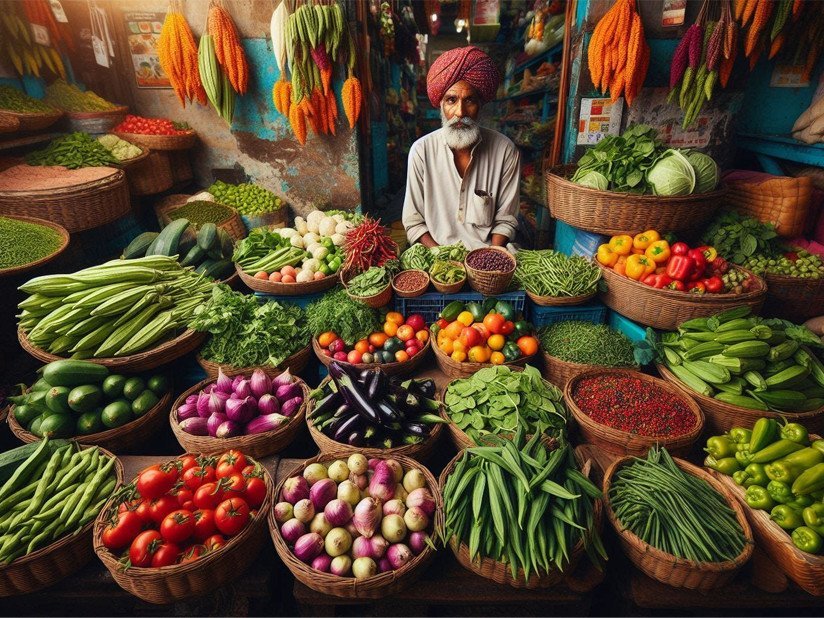
From Kandyan palaces to contemporary tasting theatres, Sri Lanka’s culinary heritage is ready for its most ambitious global revival
Introduction: Why Culinary Tourism Must Evolve Beyond the Obvious
Sri Lanka’s tourism narrative has long been anchored in beaches, wildlife, heritage sites, and spice gardens. While these pillars remain powerful, global tourism trends indicate a decisive shift: today’s high-value traveller seeks meaning, story, and intellectual stimulation, not just scenery or consumption.
According to international tourism monitors, food-driven travel now influences over 53% of long-haul destination choices, while premium experiential dining contributes nearly USD 150 billion annually to the global tourism economy. In Asia alone, culinary tourism is growing at over 16% per annum, outperforming traditional sightseeing segments.
Yet Sri Lanka—an island with over 2,500 years of documented royal cuisine, Ayurvedic food science, and ceremonial gastronomy—has barely scratched the surface of this opportunity.
This article proposes a bold yet culturally respectful concept:
Culinary Time Travel—a research-intensive, narrative-driven dining experience that deconstructs historical Sri Lankan royal court feasts and reimagines them through modern molecular gastronomy, immersive storytelling, and ethical innovation.
This is not entertainment for novelty’s sake. It is a strategic tourism product designed to elevate Sri Lanka into the league of global culinary capitals while safeguarding heritage, dignity, and authenticity.
Understanding Sri Lanka’s Royal Culinary Legacy
Sri Lanka’s royal courts—from Anuradhapura and Polonnaruwa to Kotte and Kandy—were not merely political centres. They were culinary laboratories, where food symbolised power, health, cosmology, and diplomacy.
Historical records indicate that:
- Kandyan royal feasts featured over 40 distinct preparations per sitting
- Certain dishes were reserved exclusively for royalty, monks, or visiting envoys
- Ingredients were selected according to Ayurvedic dosha balance, seasonality, and planetary cycles
- Food presentation followed strict ritual hierarchy—colour, aroma, texture, and sequence mattered
Unlike many global royal cuisines that relied heavily on meat and excess, Sri Lankan court cuisine was remarkably balanced, plant-forward, and medicinally informed—aligning perfectly with today’s wellness-driven luxury markets.
What Is Culinary Time Travel?
Culinary Time Travel is not a themed restaurant. It is a curated gastronomic performance, where guests journey through Sri Lanka’s historical epochs via taste, aroma, sound, and story.
Each experience is structured around:
- A historical period (e.g., Anuradhapura Kingdom, Kandyan Court)
- Scholarly reconstruction of royal menus using chronicles, temple records, and oral traditions
- Modern culinary science, including molecular gastronomy, fermentation labs, and sensory design
- Narrative immersion, guided by historians, chefs, and performers
The result is a multi-sensory heritage experience that positions cuisine as intellectual capital, not mere consumption.
Why Molecular Gastronomy Is the Right Medium
Molecular gastronomy is often misunderstood as gimmickry. In reality, it is a toolkit for precision, preservation, and storytelling.
Applied responsibly, it allows us to:
- Extract historical flavours without overharvesting rare ingredients
- Recreate lost textures using modern food science
- Reduce waste by up to 35–40% compared to conventional fine dining
- Present ancient recipes in contemporary, globally legible formats
For example, a 14th-century Kandyan herbal broth can be transformed into a clarified consommé sphere, preserving flavour integrity while meeting modern luxury expectations.
This is heritage conservation through science, not dilution.
Market Opportunity: Why This Makes Economic Sense
From a tourism economics perspective, Culinary Time Travel targets the highest-yield segment.
Consider the following indicators:
- Average spend of experiential luxury travellers: USD 450–900 per day
- Willingness to pay for curated dining experiences: USD 180–350 per person per sitting
- Cultural gastronomy travellers stay 2.3 days longer than average tourists
- Culinary-led destinations show up to 27% higher repeat visitation
A single, well-executed Culinary Time Travel venue can generate:
- Direct employment for 60–80 skilled professionals
- Indirect income for 300+ rural producers and artisans
- Strong international media and academic visibility
This is not mass tourism. It is precision tourism with high multiplier value.
Case Studies: Global Lessons Sri Lanka Can Adapt
Case Study 1: Spain – El Bulli Foundation
Spain transformed molecular gastronomy into national soft power. Though El Bulli closed as a restaurant, its legacy boosted Spain’s culinary tourism revenue by billions and positioned the country as a gastronomic innovator.
Lesson: Research-driven dining creates long-term destination branding.
Case Study 2: Peru – Rediscovering Indigenous Ingredients
Peru’s chefs revived pre-Columbian recipes using modern techniques, increasing agri-export value and culinary tourism arrivals by over 120% in a decade.
Lesson: Culinary heritage can uplift rural economies when handled ethically.
Case Study 3: Japan – Kaiseki as Cultural Diplomacy
Kaiseki dining is a codified, seasonal, narrative experience rooted in Zen philosophy. It attracts high-spending cultural tourists year-round.
Lesson: Ritualised dining increases perceived cultural value.
Case Study 4: Denmark – New Nordic Cuisine
By reinterpreting ancient foodways through science, Denmark repositioned itself from a marginal culinary destination to a global leader.
Lesson: Reinvention beats imitation.
Case Study 5: India – Royal Palace Dining Experiences
Selective Indian palaces now offer curated royal menus, commanding premium pricing while maintaining heritage integrity.
Lesson: Royal culinary narratives resonate strongly with global audiences.
Case Study 6: Thailand – Gastro-Diplomacy
Thailand systematically exported its culinary identity, increasing tourism receipts and cultural recognition.
Lesson: Cuisine is a strategic national asset.
Case Study 7: Bhutan – Controlled Culinary Authenticity
Bhutan integrates food into its Gross National Happiness tourism model, limiting scale but maximising value.
Lesson: Less volume, more meaning.
Safeguarding Ethics, Law, and Cultural Dignity
Any attempt to reinterpret royal cuisine must be governed by strict ethical frameworks:
- No misuse of religious symbolism
- No appropriation of village knowledge without consent and compensation
- Compliance with Sri Lanka’s Intellectual Property laws
- Respect for dietary sensitivities and non-discrimination principles
Culinary Time Travel is not about spectacle. It is about curated respect.
Why Sri Lanka Is Perfectly Positioned—Now
Sri Lanka already possesses:
- A globally respected Ayurvedic knowledge base
- High biodiversity and endemic ingredients
- Skilled chefs seeking global relevance
- A tourism industry in strategic reinvention mode
What is missing is conceptual courage.
Culinary Time Travel offers Sri Lanka a chance to leapfrog—not follow—global trends.
Conclusion: From Island of Spices to Island of Stories
Sri Lanka does not need another fusion restaurant or generic food festival. What it needs is intellectual gastronomy—where cuisine becomes narrative, heritage becomes experience, and dining becomes dialogue.
By reimagining royal court feasts through modern molecular gastronomy, Sri Lanka can position itself as:
- A guardian of ancient wisdom
- A laboratory of ethical innovation
- A premium culinary destination with global relevance
This is not nostalgia.
This is strategic cultural evolution.
Disclaimer
This article has been authored and published in good faith by Dr. Dharshana Weerakoon, DBA (USA), based on publicly available data from national and international tourism and economic sources, decades of professional experience across multiple continents, and ongoing industry insight. It is intended solely for educational, journalistic, and public awareness purposes to stimulate discussion on sustainable and innovative tourism models. The author accepts no responsibility for any misinterpretation, adaptation, or misuse of the content. Views expressed are entirely personal and analytical, and do not constitute legal, financial, or investment advice. This article and the proposed model are designed to comply fully with Sri Lankan law, including intellectual property, cultural heritage protection, non-discrimination, data privacy, and ethical standards. Authored independently and organically through lived professional expertise.
Further Reading: https://www.linkedin.com/newsletters/7046073343568977920/
Further Reading: https://dharshanaweerakoon.com/tuk-tuk-ride/