From Spice Gardens to Soul Gardens: Crafting Immersive Agri‑Therapy Retreats in Sri Lanka
Introduction
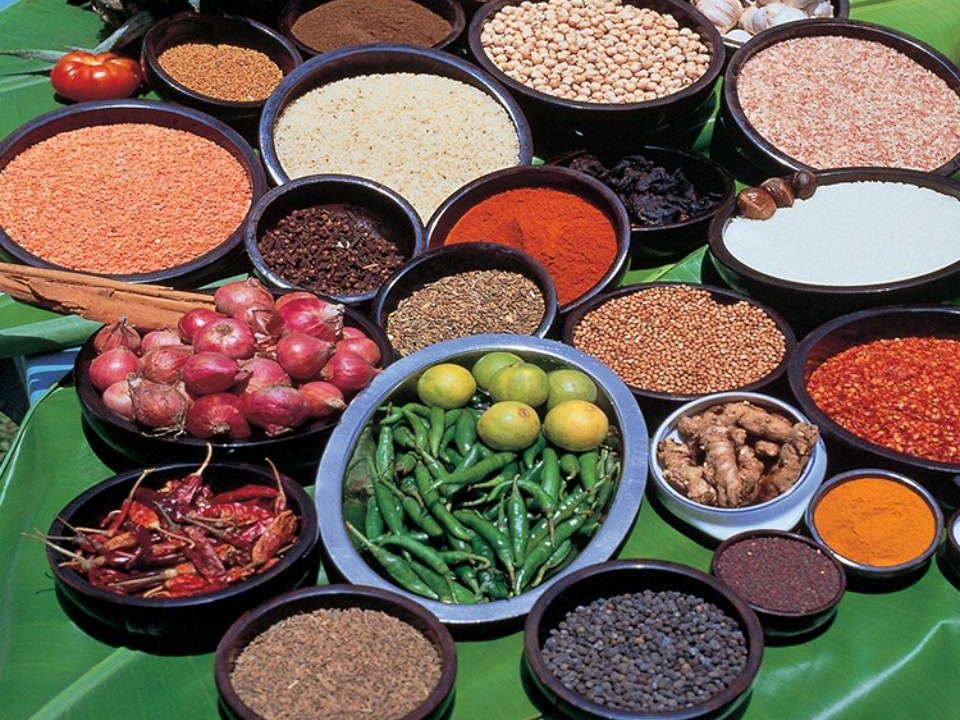
Having spent extensive professional time in Zanzibar, walking through lush spice plantations where cinnamon, cloves, nutmeg, cardamom, and ginger grow in abundance, I have observed firsthand the subtle power of immersive agricultural environments. The experience is not simply about sight-seeing or buying souvenirs; it is about sensory awakening, memory imprinting, and emotional connection to the land and its botanical life. The aroma of crushed cloves, the tactile sensation of bark under fingertips, the vibrant green of young shoots under morning sunlight — these elements contribute to a deeply restorative experience that transcends traditional tourism.
Now, consider the immense potential of replicating and evolving this model in Sri Lanka. The island nation, blessed with a diverse climate, fertile soil, and centuries of spice cultivation, is uniquely positioned to develop wellness-focused, immersive agri-therapy retreats. Unlike conventional agritourism, which often emphasizes short visits and superficial interactions, agri-therapy retreats are designed to restore the mind, body, and spirit through structured engagement with plants, soil, and natural environments.
This article presents a detailed analysis of the opportunity for Sri Lanka, drawing lessons from Zanzibar, highlighting global best practices, examining six case studies, outlining a practical implementation framework, and offering a roadmap for sustainable and profitable wellness tourism.
Why Sri Lanka Should Embrace Agri‑Therapy Retreats
Post-Pandemic Tourism Rebound and Market Potential
Tourism in Sri Lanka has witnessed a strong recovery in the post-pandemic period. In the first half of 2024, the country welcomed over one million international arrivals, representing an increase of more than sixty percent compared to the same period in 2023. Revenue generated from tourism exceeded one and a half billion US dollars, demonstrating the sector’s growing economic significance.
However, most international and domestic tourism has traditionally concentrated on sun, sea, and heritage experiences, leaving untapped niches in wellness, nature, and agro-immersive tourism. There is a growing global trend of travelers seeking experiential journeys, mental and physical wellness, and authentic cultural encounters, all of which align perfectly with Sri Lanka’s environmental and cultural assets.
Current State and Challenges of Agritourism in Sri Lanka
While the island is well-known for its tea, cinnamon, and spice plantations, agritourism remains a relatively underdeveloped sector. A limited number of fully operational agritourism enterprises exist, and most face challenges including small farm sizes, limited infrastructure, minimal marketing, and inadequate training of human resources. Visitor surveys indicate that satisfaction is strongly correlated with authenticity, interpretive quality, interactivity, and comfort facilities, yet most farms are unable to meet these expectations consistently.
Other factors such as distance to the site, travel cost, and urban connectivity influence the demand for agritourism. Urban and higher-income households tend to visit more frequently, suggesting that targeting premium wellness tourism segments could maximize both impact and revenue.
Global Trends in Wellness and Experiential Nature Tourism
The global agritourism market is projected to reach multi-billion-dollar valuations by the mid-2020s, driven by an increasing demand for sustainable, experiential, and wellness-oriented travel. Spice-focused tourism, combining gastronomy, culture, and botanical engagement, has emerged as a strong niche within this trend. Simultaneously, wellness tourism has surged as travelers seek mental restoration, stress relief, and immersive nature experiences, presenting Sri Lanka with a timely opportunity to innovate and differentiate its offerings.
Defining Agri‑Therapy Retreats
To understand the potential of this new tourism model, it is essential to distinguish agri-therapy retreats from traditional agritourism:
- Agritourism generally involves brief visits to farms, demonstration tours, purchase of farm products, or light participation in farm activities.
- Agri-therapy retreats are focused on wellness, therapeutic engagement, and immersive sensory experiences. Activities are designed to relieve stress, enhance creativity, improve physical and mental health, and foster a deep connection with nature.
Core elements of agri-therapy retreats include scent and touch immersion, mindful planting, culinary herb and spice workshops, forest bathing among plantations, journaling and reflective practices, and structured wellness modules such as yoga, meditation, and breathing exercises.
These retreats emphasize personalized experiences, longer stays, seasonal and sensory alignment, and community involvement, ensuring that visitors gain meaningful, transformative experiences rather than brief entertainment.
Lessons from Zanzibar’s Spice Tourism
Zanzibar’s spice farms have long attracted tourists seeking aromatic and cultural encounters. Key observations from the Zanzibar model include:
- Immersive Storytelling: Guides on spice farms combine botanical knowledge with historical and cultural narratives, connecting visitors to centuries of trade and heritage. For a Sri Lankan retreat, this storytelling can be extended into multi-day thematic experiences.
- Sensory Engagement: Visitors smell, taste, touch, and sometimes grind spices, creating memorable and multi-dimensional sensory experiences. A retreat can structure such sensory interaction into sequential programs to maximize therapeutic effect.
- Hands-On Participation: Planting, harvesting, and blending exercises engage guests actively. In a wellness-focused retreat, these activities can be elevated into mindfulness exercises that reduce stress and enhance body-mind awareness.
- Community and Local Craft Integration: Engaging local families and small farmers in guest activities strengthens authenticity and ensures equitable income distribution.
- Limitations of Short Tours: While popular, Zanzibar tours are typically one to two hours, offering limited opportunity for deep immersion. Sri Lankan retreats must offer longer, structured programs to deliver lasting wellness outcomes.
- Sustainability Considerations: Zanzibar farms face challenges in balancing tourism income with agricultural production and organic certification standards. Sri Lanka’s model must integrate diversified revenue streams and sustainability practices to maintain resilience.
By analyzing these lessons, it is possible to design a Sri Lankan model that avoids pitfalls while maximizing the restorative and commercial potential of agri-therapy retreats.
Six Case Studies: Learning from Global and Local Experiences
- Kizimbani Spice Gardens, Zanzibar – Popular short-duration tours offer sensory experiences but lack depth and infrastructure for extended wellness programming.
- Paradise Farm, Kitulgala, Sri Lanka – Focuses on sustainable agriculture and education, demonstrating potential but constrained by limited marketing and infrastructure.
- Satoyama Retreats, Japan – Guests participate in rice planting, forest bathing, tea harvesting, and seasonal crafts, creating long-term emotional attachment and repeat visitation.
- Forest Bathing Retreats, Korea and Japan – Structured sensory immersion in forests reduces stress and promotes physiological wellness, providing scientific validation for nature-based therapies.
- Kerala Spice Walks, India – Plantation stays combine storytelling, cooking, and cultural interaction, offering a practical model for integrating wellness with spice tourism.
- Farm-to-Fork Wellness Retreats, Portugal and Spain – Boutique retreats on agroforestry farms combine organic farming, culinary experiences, yoga, and wellness programming, proving financial viability in premium segments.
These examples demonstrate that combining agriculture, wellness, and sensory immersion can succeed globally, and that Sri Lanka has unique advantages to tailor these approaches locally.
Designing a Spice-Wellness Retreat Model for Sri Lanka
Site Selection and Agronomic Planning
- Climate and Soil Suitability: Identify regions conducive to cinnamon, cardamom, clove, nutmeg, pepper, vanilla, lemongrass, turmeric, and medicinal herbs. Central Highlands, Uva Province, Sabaragamuwa, and select wet zones are particularly suitable.
- Scale: 2–5 hectares per site for trails, lodging, reflection areas, and demonstration plots.
- Zoning: Distinct zones for aromatic gardens, forested buffers, herb plots, lodging, and activity spaces.
- Agroforestry and Polyculture: Companion planting for biodiversity, resilience, and aesthetic layering.
- Certification: Organic or regenerative certification can enhance authenticity and brand value.
- Infrastructure: Walking trails, rest pavilions, sanitation, water, and drainage systems integrated sensitively into the landscape.
Program Design and Modules
Example modules include:
- Scent Immersion Walks: Early morning walks among spice trees to awaken olfactory senses and promote emotional well-being.
- Mindful Planting and Soil Therapy: Engaging hands and feet with soil, planting seedlings, and composting as meditative practices.
- Culinary Herbal Workshops: Preparing teas, spice blends, and meals using garden produce to connect taste with wellness.
- Journaling and Creative Expression: Sketching, reflective writing, and poetry under canopies to enhance mindfulness.
- Forest Bathing: Slow sensory walks among spice groves with guided breathing and meditation.
- Yoga and Movement Therapy: Gentle sessions conducted in gardens or open-air pavilions to integrate body and landscape.
- Evening Scent Rituals: Herbal teas, aromatherapy pillows, and soundscapes for improved sleep and emotional grounding.
- Community Interaction: Visits to nearby farmers, collaborative workshops, and co-creation of artisan products.
Lodging, Facilities, and Experience Design
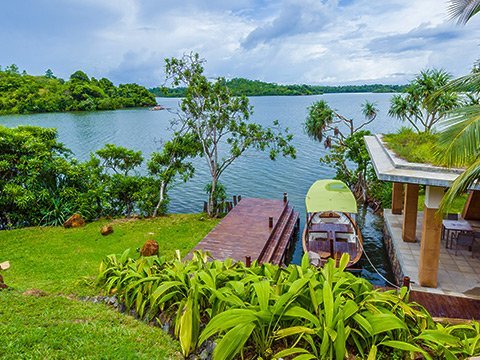
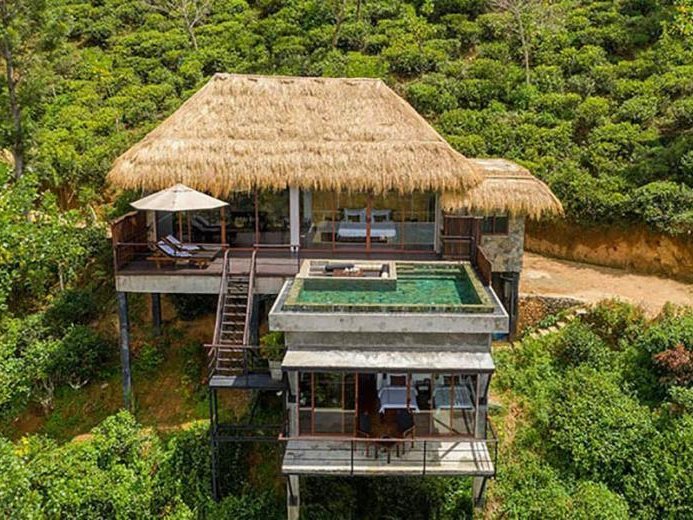
- Eco-friendly cottages or cabins constructed from local materials with private verandas opening to spice trails.
- Meditation decks and open-air pavilions interspersed among groves.
- Garden labs for hands-on activities.
- Walking paths, wellness centers, culinary studios, and spa facilities integrated with botanical surroundings.
- Farm-to-table restaurants emphasizing herbal and spice-infused menus.
- Retail boutiques for handcrafted spice blends, teas, essential oils, and creative souvenirs.
Business Model and Revenue Streams
- Premium retreat packages with inclusive wellness programs.
- Day-visit options for local and short-term tourists.
- Workshops, residencies, and corporate wellness retreats.
- Product lines including spices, teas, essential oils, and artisan crafts.
- Membership or loyalty programs for repeat visitors.
- Community partnerships and revenue-sharing models with smallholder farmers.
Marketing and Positioning
- Branding emphasizing “Spice-Wellness Retreat” and “Agri-Therapy Retreat.”
- SEO-optimized digital content featuring key phrases multiple times across website, blogs, and social media.
- Storytelling, visual content, and wellness-focused narratives.
- Partnerships with wellness influencers, domestic tourism boards, and local resorts.
- Press coverage in newspapers and lifestyle publications.
- Referral programs and alumni engagement to encourage repeat visitation.
Human Capital and Training
- Retreat curators trained in nature-based therapies and wellness programming.
- Agro-educators, botanists, and local farmers facilitating educational and hands-on sessions.
- Hospitality staff trained in wellness-oriented guest engagement.
- Continuous skill development in aromatherapy, sustainable farming, and experiential design.
Monitoring, Evaluation, and Impact
- Metrics for guest satisfaction, repeat visitation, and net promoter scores.
- Occupancy and revenue tracking per villa or unit.
- Retail product performance and community income uplift.
- Environmental indicators including biodiversity, soil health, and carbon sequestration.
- Wellness outcomes based on structured guest feedback.
Risk Management and Mitigation
- Capital intensity mitigated through phased rollout and pilot programs.
- Market awareness built via digital marketing, partnerships, and media coverage.
- Seasonal demand balanced with domestic packages, corporate retreats, and off-peak modules.
- Logistics optimized with solar, water harvesting, and modular infrastructure.
- Community integration ensured through training, revenue-sharing, and participatory planning.
- Agricultural risks managed through polyculture, integrated pest management, and resilient crop selection.
- Diversified revenue streams reduce vulnerability to tourism volatility.
Implementation Phases
- Concept and Feasibility (Months 0–3): Market research, site assessment, financial projections.
- Pilot and Prototyping (Months 4–12): Minimal infrastructure setup, pilot retreats, refinement of programming.
- Scaling and Brand Launch (Months 13–24): Expansion of lodging, full marketing campaigns, product development.
- Optimization and Expansion (Months 25–36): Feedback integration, community engagement, replication, or franchising.
Strategic Impact
- Establishes Sri Lanka as a differentiated wellness destination.
- Increases revenue per visitor and length of stay.
- Promotes rural development and farmer income diversification.
- Encourages conservation, biodiversity, and ecological restoration.
- Enhances cultural and heritage appreciation.
- Builds resilience against tourism shocks.
- Strengthens Sri Lanka’s global wellness tourism brand.
Sample Scenario: Uva Province Prototype
- Location: Rolling hillside in Badulla, 2–3 hectares.
- Accommodation: Six eco-cabins with spice trail views.
- Five-day program: Arrival orientation, aroma walks, planting therapy, culinary workshops, forest bathing, yoga, journaling, community interaction, and product creation.
- Pricing: USD 450 per night inclusive of activities and meals.
- Community engagement: Five local farmers participate as guides and co-creators.
- Projected first-year occupancy: 40 percent with 300 guest-nights; retail product sales contributing 20 percent of revenue.
- Break-even: Approximately two to three years, depending on capital and grants.
Conclusion
Sri Lanka is poised to redefine its tourism narrative by transforming spice farms into immersive wellness sanctuaries. Agri-therapy retreats offer a model that not only benefits tourists through sensory, mental, and physical wellness but also empowers local communities, preserves heritage, and promotes ecological sustainability. By integrating lessons from Zanzibar, global best practices, and careful, phased implementation, Sri Lanka can emerge as a global leader in spice-based wellness tourism, offering transformative experiences that reconnect people with nature, culture, and themselves.
Disclaimer
This article has been authored and published in good faith by Dr. Dharshana Weerakoon, DBA (USA), based on publicly available data from national and international sources, decades of professional experience across multiple continents, and ongoing industry insight. It is intended solely for educational, journalistic, and public awareness purposes to stimulate discussion on sustainable tourism models. The author accepts no responsibility for any misinterpretation, adaptation, or misuse of the content. Views expressed are entirely personal and analytical, and do not constitute legal, financial, or investment advice. This article and the proposed model are designed to comply fully with Sri Lankan law, including the Intellectual Property Act No. 52 of 1979, the ICCPR Act No. 56 of 2007, and relevant data privacy and ethical standards. ✍ Authored independently and organically through lived professional expertise—not AI-generated.
Further Reading: https://www.linkedin.com/newsletters/outside-of-education-7046073343568977920/
Additional Reading: https://dharshanaweerakoon.com/port-city-colombo/