Water • Wellness • Responsibility: A Sustainable Blueprint for Sri Lanka’s Hospitality Sector

Introduction: A New Chapter for Sustainable Hospitality
Water is the essence of life — and also the invisible lifeline of the hospitality industry. From luxurious resorts along Sri Lanka’s golden coastline to boutique wellness retreats nestled in the Central Highlands, every guest experience depends on the responsible use of natural resources. Yet, as the island nation redefines itself as a global wellness and tourism destination, one question becomes central: Can Sri Lanka’s hotels, spas, and retreats grow without draining the natural resources that sustain them?
In recent years, global tourism has evolved rapidly. Travelers today seek more than luxury; they crave authenticity, wellbeing, and sustainability. This evolution places enormous responsibility on the hospitality sector — an industry that depends heavily on water, energy, and waste management systems. For Sri Lanka, where tourism recovery and growth are national priorities, the path forward lies in harmonizing wellness with environmental responsibility.
This article explores how the principles of responsible water usage, waste reduction, and energy conservation can be integrated into the daily operations of Sri Lanka’s hotels, wellness retreats, and spas — not as an obligation, but as a philosophy that strengthens the country’s global hospitality identity.
Tourism Growth and Resource Responsibility
Globally, the tourism and travel sector accounts for nearly ten percent of world GDP and supports over 300 million jobs. Within that, the accommodation sector — hotels, resorts, and wellness facilities — contributes approximately one-fifth of the industry’s greenhouse gas emissions. The numbers reveal the weight of the industry’s environmental footprint.
In Sri Lanka, the tourism industry is a pillar of national economic revival. The Sri Lanka Tourism Development Authority recorded around 1.5 million international arrivals in 2023, reflecting strong recovery and future potential. The country’s tourism vision positions wellness and sustainable tourism as core growth segments. However, growth without sustainability poses risk. A World Bank assessment revealed that the Sri Lankan hotel industry consumed nearly two million cubic metres of water from the national grid annually and represented approximately two percent of the country’s electricity demand.
In practical terms, one hotel guest in Sri Lanka uses three times more water than an average household. This means that as arrivals rise, the stress on natural systems increases exponentially. It is clear that hospitality and wellness enterprises must balance their commercial ambitions with environmental preservation.
Why Water, Waste, and Energy Matter
In every wellness resort, spa, or luxury hotel, water and energy form the heartbeat of the experience. They sustain pools, baths, lush gardens, organic restaurants, and laundry systems. A single wellness retreat can consume thousands of litres daily for guest showers, steam rooms, spa therapies, and cleaning operations.
Meanwhile, waste — from food, packaging, cosmetics, and discarded materials — poses its own challenge. When combined with high energy demands for air conditioning, lighting, and heating, the sector’s ecological footprint expands rapidly.
The truth is that sustainability is not just about compliance; it is about survival. A hotel that ignores efficient resource management risks higher operating costs, regulatory scrutiny, and long-term reputational damage. Conversely, a property that embraces sustainability strengthens its wellness brand, attracts responsible travelers, and enhances profitability.
1. Responsible Water Usage
The most immediate and measurable sustainability priority for Sri Lankan hospitality is responsible water use. This goes beyond simple conservation. It involves tracking, reusing, and redesigning water systems to create efficiency without compromising guest comfort.
a. Monitoring and Metering:
Many hotels in Sri Lanka still lack basic water monitoring. Establishing a simple system to track water usage per guest night, per department — such as guest rooms, laundry, kitchen, spa, and gardens — can identify inefficiencies quickly. For instance, research has shown that a well-managed hotel can save up to 30 percent of total water use simply through better monitoring and leak prevention.
b. Efficient Fixtures:
Modern low-flow showerheads and dual-flush toilets can reduce water consumption by 40 to 60 percent without reducing guest satisfaction. In one Sri Lankan coastal hotel, installing water-efficient fixtures and dual-flush systems reportedly saved over 30,000 cubic metres of water annually, with a return on investment achieved in less than three years.
c. Linen and Towel Reuse:
Laundry is among the most water-intensive operations in hotels and wellness facilities. Encouraging guests to reuse towels and linen — supported by clear communication — reduces both water and energy used for washing. Surveys suggest that over half of urban Sri Lankan hotels have adopted this practice, but rural properties still lag behind.
d. Rainwater Harvesting and Greywater Recycling:
Sri Lanka’s tropical climate offers abundant rainfall that can be harvested for non-potable uses. Capturing and storing rainwater for landscape irrigation, toilet flushing, or even spa cleaning can significantly reduce dependence on municipal supply. Similarly, greywater — lightly used water from showers and washbasins — can be treated and reused for gardens.
e. Sustainable Landscaping:
Planting native, drought-resistant vegetation reduces irrigation needs dramatically. Many properties in dry zones like Hambantota and Dambulla have begun shifting toward native flora, preserving both aesthetics and efficiency.
f. Guest Engagement:
Hotels that engage guests through simple messaging — “Every drop counts” or “Your relaxation supports Sri Lanka’s water heritage” — find higher compliance with water-saving initiatives. This human connection transforms sustainability from a policy into a shared responsibility.
2. Waste Reduction and Smart Resource Management
Waste management is often overlooked in wellness hospitality, yet it is the area with some of the fastest and most visible impacts. Reducing waste aligns directly with the wellness philosophy of purity, balance, and respect for nature.
a. Solid Waste Segregation:
Only about 40 percent of Sri Lankan hotels actively separate waste streams. Introducing colour-coded bins for food, glass, paper, and plastics, both front-of-house and back-of-house, makes a tangible difference. Composting organic waste can turn spa and kitchen refuse into nutrient-rich fertilizer for gardens.
b. Food Waste Minimisation:
In wellness retreats, where healthy dining is central, menu planning can drastically cut waste. Using locally sourced produce, smaller portion sizes, and creative reuse of ingredients reduces food waste by up to 25 percent. Some resorts now partner with nearby farmers to compost kitchen waste or feed livestock.
c. Plastic-Free Initiatives:
Banning single-use plastics — especially bottled water and disposable packaging — has become a symbol of eco-luxury. Refillable glass bottles, bamboo straws, and bulk dispensers for spa products offer a premium, environmentally conscious touch.
d. Wastewater Treatment and Reuse:
Properly designed wastewater systems allow hotels to recycle treated water for irrigation or cooling towers. Several Sri Lankan coastal resorts now operate small-scale treatment plants that recycle up to 70 percent of their wastewater, proving that sustainability is practical even for mid-sized properties.
e. Supplier Partnerships:
True sustainability extends beyond the property. Collaborating with suppliers who use minimal packaging, biodegradable materials, and ethical sourcing ensures the entire hospitality supply chain contributes to waste reduction.
f. Education and Incentives:
Empowering staff through training and recognition — for instance, “Green Team of the Month” — builds a culture of accountability. Guests, too, respond positively when they see real action rather than slogans.
3. Energy Conservation: The Path to a Low-Carbon Hospitality Future
Energy is the largest operational cost and environmental impact area for hotels and resorts. Yet, it is also where innovation yields the most measurable results.
a. Energy Audits and Benchmarking:
A comprehensive energy audit identifies where energy is lost — in air conditioning, lighting, hot-water systems, kitchens, and pools. Studies of Sri Lankan hotels show that air-conditioning alone accounts for around 50 percent of total energy use, followed by lighting at 20 percent and kitchens at 15 percent. Tracking energy per guest night provides a clear performance benchmark.
b. LED Lighting and Smart Controls:
Replacing conventional lighting with LEDs reduces electricity use by 70 to 80 percent. Motion sensors and smart-room controls further reduce wastage by automatically switching off lights or air-conditioning when rooms are unoccupied.
c. Efficient Cooling and Heating:
Optimizing HVAC systems, improving insulation, and using natural ventilation can reduce cooling loads by up to 30 percent. Many wellness retreats in hill country now design open-air pavilions to harness natural airflow, blending comfort with energy savings.
d. Renewable Energy Integration:
Solar water-heating systems and photovoltaic panels are increasingly viable in Sri Lanka’s sunny climate. A mid-sized resort generating 100 kilowatts from solar panels can save approximately LKR 10 million per year on energy costs while cutting carbon emissions substantially.
e. Pool and Spa Optimization:
Variable-speed pumps, efficient filtration systems, and pool covers minimize energy loss. Spa operators can schedule treatments strategically to maximize hot-water and steam efficiency.
f. Staff and Guest Awareness:
Training staff to turn off equipment, use timers, and monitor thermostats yields immediate benefits. Equally, showcasing sustainability efforts to guests — such as “powered by solar” labels or “energy saved per stay” notes — enhances brand perception.
4. Case Studies and Success Stories
Sri Lanka has already demonstrated innovation through pioneering hotels that blend luxury with sustainability.
Case Study 1 – Urban Hotel Water Efficiency:
A major Colombo hotel reduced its annual water consumption by 60 percent through the installation of efficient fixtures, rainwater harvesting, and greywater reuse. The hotel saved nearly 30,000 cubic metres of water yearly, with full payback achieved in under four years.
Case Study 2 – Energy Optimization in the Hills:
A boutique property in Nuwara Eliya introduced solar water heating and LED retrofits, cutting its electricity bill by 25 percent. The hotel used the savings to fund local tree-planting initiatives, linking energy conservation directly to community wellness.
Case Study 3 – Waste-Free Wellness Resort:
A southern coastal wellness resort became the first in its region to eliminate single-use plastics. By introducing refillable glass containers for amenities and composting 90 percent of food waste, it achieved near-zero waste within 18 months.
Case Study 4 – Community Collaboration in Sigiriya:
An eco-lodge near Sigiriya developed a community partnership model for waste collection and composting, supporting 30 local households and generating sustainable income through recycling.
Case Study 5 – Energy-Saving Beach Resort:
A beachside resort in Bentota installed motion sensors, upgraded air-conditioning units, and adopted solar-powered water heating. Within a year, its carbon emissions dropped by 18 percent while guest satisfaction scores rose.
Case Study 6 – International Wellness Benchmark:
A global wellness hotel chain operating in Asia demonstrated that responsible resource management — including rainwater harvesting, solar heating, and zero-waste kitchens — reduced energy intensity by 40 percent. Sri Lankan resorts can easily adapt these lessons locally.
Case Study 7 – Jetwing Vil Uyana, Sigiriya:
Built on a reclaimed paddy field turned wetland, this property exemplifies eco-luxury. It integrates natural water bodies, reed-bed wastewater treatment, and biodiversity conservation, proving that ecological balance enhances guest experience rather than limits it.
5. A Practical Model for Responsible Hospitality
Based on these experiences, a simple three-phase sustainability roadmap can guide Sri Lankan hospitality and wellness businesses.
Phase 1: Assessment and Commitment
- Conduct detailed audits of water, energy, and waste flows.
- Set measurable reduction targets (for example, 20 percent water reduction in two years).
- Assign a sustainability officer or task force.
- Communicate the commitment to all staff and guests.
Phase 2: Implementation and Engagement
- Replace outdated fixtures and lighting.
- Introduce waste segregation and composting.
- Launch awareness campaigns under themes like “Wellness for People and Planet.”
- Partner with local suppliers for organic and low-impact materials.
- Monitor performance monthly and celebrate milestones publicly.
Phase 3: Continuous Improvement and Branding
- Publish annual sustainability summaries.
- Apply for eco-certifications such as Green Key or EarthCheck.
- Incorporate sustainability achievements into marketing.
- Offer guest workshops on mindful travel and conservation.
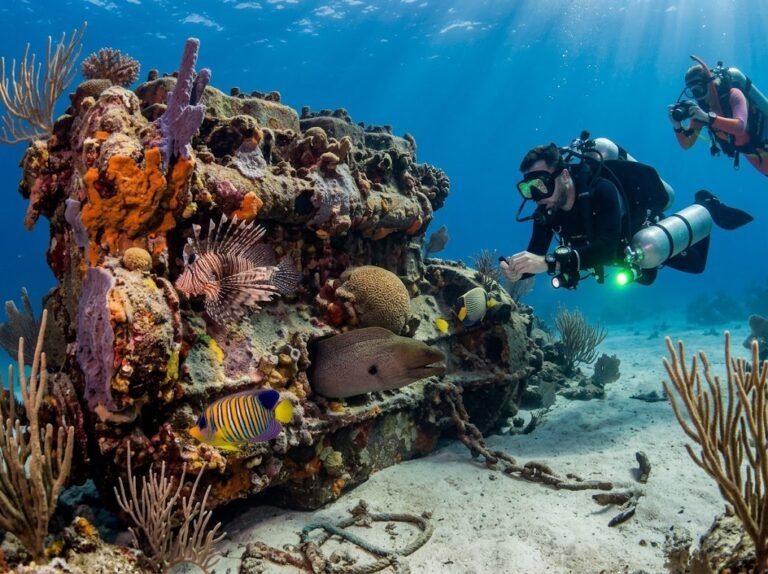
- Engage communities through shared projects — reforestation, clean-water access, or coral rehabilitation.
When sustainability becomes part of a property’s identity rather than an afterthought, both guests and employees feel pride in being part of a movement that nurtures the planet.
6. Challenges and Solutions
Every transformation comes with challenges. High initial investment costs, limited local technology availability, or lack of trained personnel can slow progress. However, low-cost solutions — like water-saving devices, LED retrofits, and guest awareness programs — offer quick wins.
Another major barrier is data deficiency. Many hotels still do not record per-guest resource use. Installing sub-meters and digital tracking can revolutionize decision-making.
Perhaps the most significant challenge is cultural. Sustainability cannot be imposed; it must be embraced. Creating incentives for staff, celebrating green success stories, and embedding environmental care in wellness narratives are key to changing behaviour.
7. The Economic and Ethical Case
Sustainable hospitality is not only good for the planet — it is good business. Research across Asia shows that hotels adopting sustainability measures report up to 12 percent higher revenues, largely driven by eco-conscious guests. Operational savings on water and energy strengthen profitability, while compliance reduces regulatory risk.
Ethically, it aligns with the wellness philosophy: harmony between human wellbeing and the environment. When a guest chooses a Sri Lankan spa that preserves water, supports communities, and respects biodiversity, the wellness experience extends beyond the treatment room — it becomes a contribution to the country’s sustainable future.
8. Toward a Responsible Wellness Destination
Sri Lanka has all the ingredients to become a world leader in sustainable wellness tourism: abundant water resources, rich biodiversity, ancient traditions of Ayurveda, and a culture of hospitality. By managing natural resources responsibly, the nation can transform these gifts into a powerful global brand of wellness with conscience.
Every drop of water conserved, every kilowatt saved, every kilogram of waste repurposed contributes to a future where prosperity and sustainability coexist. In this vision, hospitality is not just an industry — it is a guardian of nature, a steward of wellness, and a storyteller of responsibility.
Conclusion
As Sri Lanka steps into a new era of wellness-driven tourism, its hotels, spas, and retreats stand at the crossroads of luxury and responsibility. Embracing sustainable practices in water, waste, and energy management is not merely a trend — it is the foundation for the nation’s long-term tourism identity.
The path forward is clear: measure, manage, engage, and evolve. A truly responsible hospitality sector can elevate Sri Lanka from a tropical getaway to a global model of sustainable wellness.
Disclaimer
This article has been authored and published in good faith by Dr. Dharshana Weerakoon, DBA (USA), based on publicly available data from national and international tourism, energy, and conservation reports, as well as decades of professional experience across multiple continents. It is intended solely for educational, journalistic, and public-awareness purposes to stimulate discussion on sustainable tourism and hospitality models. The author accepts no responsibility for any misinterpretation or misuse of the content. The views expressed are entirely personal and analytical, and do not constitute legal, financial, or investment advice.
This article complies fully with Sri Lankan law, including the Intellectual Property Act No. 52 of 1979, the ICCPR Act No. 56 of 2007, and all relevant data-privacy and ethical standards. Authored independently and organically through lived professional expertise — not AI-generated.
Further Reading: https://www.linkedin.com/newsletters/7046073343568977920/
Additional Reading: https://dharshanaweerakoon.com/wellness-tourism/