Aquatic Ayurveda in Batticaloa: Creating Sri Lanka’s First Lagoon-Based Underwater Yoga and Thalassotherapy Destination
Introduction
Sri Lanka is once again standing on the cusp of a tourism renaissance. With international arrivals rebounding and travelers searching for authentic, wellness-focused experiences, the time is ripe to position the island not only as a beach or heritage destination—but as a sanctuary for holistic healing. One of the most promising frontiers for this evolution lies in the tranquil lagoons of Batticaloa, where a new concept—“Aquatic Ayurveda”—could merge ancient Sri Lankan healing traditions with modern, water-based therapies.
This concept envisions the creation of underwater yoga, thalassotherapy, and lagoon-based Ayurvedic wellness retreats. It combines the serenity of the eastern lagoons, the scientific credibility of marine therapy, and the wisdom of Ayurveda into a singular geographic selling point (GSP). The result: a tourism product that is premium, sustainable, and uniquely Sri Lankan.
Having worked across multiple continents in tourism and hospitality development—from the Maldives to the Middle East—I have seen the immense potential that lies in combining natural water ecosystems with wellness tourism. This article presents a comprehensive roadmap for developing Batticaloa’s Aquatic Ayurveda into a flagship model for sustainable and high-value tourism in Sri Lanka.
Sri Lanka’s Tourism Context: A Reawakening Industry
Tourism Recovery
Sri Lanka’s tourism industry is experiencing a strong post-pandemic resurgence. According to official data from the Sri Lanka Tourism Development Authority, the country recorded over 2.05 million international arrivals in 2024, representing a 37.6% increase over 2023. Monthly figures in 2025 continue to show steady growth, with May and August each marking double-digit percentage increases compared to the previous year.
Tourism receipts have similarly rebounded, reaching approximately USD 3.17 billion in 2024. Although still below the pre-2019 peak of USD 5.6 billion, this trajectory shows clear upward momentum. Sri Lanka’s reputation for natural beauty, heritage, and wellness offerings is regaining global attention. The challenge now is differentiation—creating destination experiences that stand apart in a crowded global market.
The Rise of Global Wellness Tourism
Globally, the wellness tourism industry is valued at over USD 800 billion and growing at a rate of nearly 10% per year, outpacing traditional leisure travel. Travelers increasingly seek restorative, mindful experiences that blend physical, emotional, and spiritual renewal. In this space, Sri Lanka—renowned for Ayurveda, meditation, and nature—holds natural advantage.
However, much of Sri Lanka’s wellness offering remains land-based: Ayurvedic resorts in the south and cultural triangle, yoga retreats in the hills, and herbal spas along the western beaches. The eastern coast and its lagoons remain largely untapped. Batticaloa’s calm, shallow waters provide a perfect environment for water-based wellness—a niche that is both globally trending and deeply aligned with local traditions.
Why Batticaloa’s Lagoon? A Natural Wellness Sanctuary
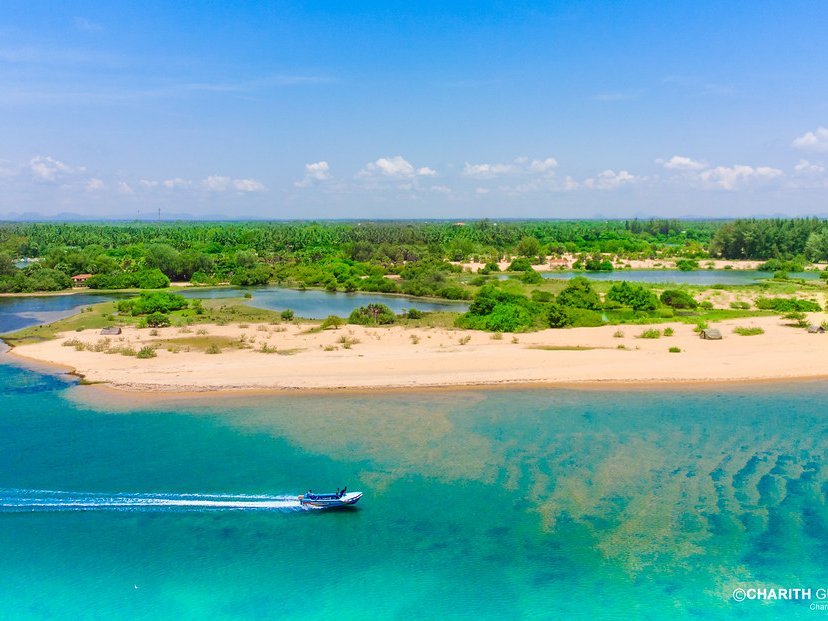
Batticaloa’s lagoon ecosystem is unlike any other in Sri Lanka. Stretching over 56 kilometres and fed by estuaries, rivers, and mangrove networks, it is a vast, tranquil body of water that shifts from freshwater to brackish with the tides. Its calm, shallow depth makes it ideal for immersive aquatic therapies that are safe, therapeutic, and serene.
Environmental studies highlight the lagoon’s immense ecological and cultural value. The ecosystem provides vital services—water regulation, fisheries, and mangrove filtration—but it also holds untapped cultural and wellness potential. Its biodiversity, silence, and natural rhythm create a setting perfectly suited to mindful water immersion, underwater meditation, and Ayurvedic healing rituals.
Unlike the open ocean, which can be rough and unpredictable, the lagoon’s sheltered waters allow for buoyancy-supported yoga, hydrotherapy circuits, and floating meditation experiences. With proper water management, safety design, and professional supervision, Batticaloa’s lagoon could become a globally recognized wellness water sanctuary.
The Aquatic Ayurveda Concept
1. Underwater Yoga and Aquatic Pilates
Imagine a serene morning in the Batticaloa Lagoon, where participants perform gentle yoga postures underwater—supported by buoyancy, guided by breath, and surrounded by the rhythmic pulse of nature. Underwater yoga uses the natural resistance and support of water to deepen stretches, increase lung capacity, and calm the nervous system. Sessions are led by certified instructors trained in aquatic bodywork and mindful breathing.
2. Thalassotherapy and Hydro-Healing
Thalassotherapy, a therapy derived from the Greek word “thalassa” (sea), uses the mineral-rich properties of seawater, algae, and marine mud to rejuvenate the body. Scientific research has shown measurable benefits from marine-based therapies—including a 31% improvement in overall well-being, 55% reduction in pain, and significant improvements in sleep quality after structured sessions.
Batticaloa’s lagoon water, being naturally mineralized and brackish, can be safely filtered and used in controlled hydrotherapy circuits—featuring warm water immersion pools, seaweed wraps, and underwater massage systems. These can be combined with Ayurvedic oils and herbs for a uniquely Sri Lankan adaptation.
3. Ayurvedic Integration
Ayurveda is at the heart of this model. Guests begin with a personal consultation from a qualified Ayurvedic physician who assesses their dosha (body constitution). Treatments then align with the individual’s balance—herbal oils, dietary plans, meditation, and specific aquatic exercises tailored to body type. The result is an integrated cycle of detoxification, restoration, and mindfulness.
4. Lagoon Wellness Retreat Design
A small-scale, eco-lagoon wellness village can be developed using sustainable architecture—stilted chalets or floating villas built with local materials, powered by solar energy, and surrounded by mangrove greenery. The retreat design encourages calm reflection and privacy while minimizing ecological impact. Water pathways replace roads; traditional wooden boats serve as silent shuttles across the lagoon.
5. Sustainability and Community Integration
Aquatic Ayurveda must be community-driven. Local fishing communities can provide lagoon access, boat services, and supply chains for herbs, seaweed, and food. Mangrove restoration projects can be integrated into the guest experience, allowing visitors to plant mangroves or participate in lagoon clean-ups as part of their healing journey. This ensures shared benefits, environmental stewardship, and authenticity.
Target Market and Positioning
The global wellness traveler profile aligns perfectly with this concept. Typical guests are between 30 and 65 years old, financially comfortable, and seeking immersive, meaningful experiences. They are willing to spend 30–40% more per trip for authenticity, personalized care, and sustainability.
Batticaloa’s Aquatic Ayurveda would target:
- International wellness travelers from Europe, the Middle East, and Asia;
- Corporate executives seeking stress management retreats;
- Medical wellness clients seeking post-rehabilitation aquatic therapy;
- Sri Lankan urban elites and expatriates seeking holistic weekend getaways.
The positioning should be crystal clear:
“Batticaloa – The Lagoon of Healing. Where Water Meets Ayurveda.”
Case Studies and Global Benchmarks
To understand the viability of Aquatic Ayurveda, it is valuable to analyze international examples where aquatic and marine-based therapies have transformed destinations.
Case Study 1: Thermes Marins de Saint-Malo, France
This pioneering French wellness center uses seawater, algae, and marine mud in carefully designed hydrotherapy programs. Studies have shown remarkable outcomes: a 55% reduction in chronic pain, 31% improvement in well-being, and significant improvement in sleep duration after just one night. The model proves that structured, evidence-based thalassotherapy can become a cornerstone of high-value wellness tourism.
Lesson for Batticaloa: Integrate science and structure into marine therapy programs—combine measurable results with Sri Lanka’s Ayurvedic philosophy for credibility and global appeal.
Case Study 2: Mediterranean Marine Therapy Resorts
Across Spain and Greece, luxury spas use marine minerals and seaweed baths for detoxification and skin rejuvenation. These resorts have positioned themselves as holistic healing centers for stress recovery and arthritis management, attracting thousands of repeat visitors annually.
Lesson: Marine-based therapy appeals to aging travelers and wellness seekers alike, especially when packaged as part of lifestyle transformation rather than medical treatment.
Case Study 3: Batticaloa’s Lagoon Ecotourism Potential (Sri Lanka)
Recent academic studies highlight the latent ecotourism potential of Batticaloa’s lagoons. Local communities already recognize its cultural and environmental value but cite infrastructure and awareness as key challenges. This suggests strong community readiness if investment and education are aligned.
Lesson: Build on existing community interest; train and employ local youth as wellness facilitators, guides, and support staff.
Case Study 4: Bioluminescent Lagoon Tours (Batticaloa)
Batticaloa is already known for its magical bioluminescent lagoon, where plankton emit a blue glow at night. Conceptual models show this phenomenon could generate over USD 1 million annually in tourism revenue through night-time eco-experiences.
Lesson: The lagoon is already an established natural attraction. Adding wellness tourism will deepen its year-round value and attract longer-staying guests.
Case Study 5: Maldives Overwater Wellness Resorts
The Maldives pioneered the concept of water-based luxury with overwater spas, floating yoga decks, and hydrotherapy lagoons. These resorts command nightly rates between USD 700–1500, proving that aquatic wellness can be both high-yield and sustainable if executed properly.
Lesson: Design and guest experience are crucial. Batticaloa can achieve similar allure at lower cost by focusing on authenticity, Ayurveda, and ecological immersion rather than sheer opulence.
Case Study 6: Sea-Based Exercise Research
A study comparing 12 weeks of sea versus pool exercises in patients with chronic pain found that those exercising in natural seawater experienced significantly greater improvement in mobility and mood. This validates the physiological advantages of natural aquatic environments for rehabilitation.
Lesson: Promote scientific collaboration with Sri Lankan universities to document health outcomes from lagoon-based therapies, reinforcing trust and credibility.
Case Study 7: Mangrove and Wellness Integration (Global Example)
In Thailand and Indonesia, several resorts integrate mangrove restoration programs into their wellness journeys, allowing guests to engage directly in conservation. This synergy between healing and environmental care enhances guest satisfaction and creates positive ecological outcomes.
Lesson: Every guest can become a lagoon ambassador—combining wellness with environmental impact.
Economic and Social Benefits for Batticaloa
Economic Impact
The Aquatic Ayurveda model is a premium, low-volume, high-yield model. A single 40-room lagoon wellness village could generate annual revenues exceeding USD 4 million, with guest stays averaging 7–10 days. Secondary spending on transport, local crafts, and food could double that economic footprint.
Local employment could exceed 200 direct and indirect jobs—including therapists, yoga instructors, boat operators, guides, and service staff. By promoting local entrepreneurship (herbal suppliers, lagoon craft artisans, organic farmers), economic benefits will circulate within the community.
Social and Cultural Impact
The model promotes cultural preservation through the revival of Ayurvedic practices, herbal knowledge, and local craftsmanship. It empowers communities, enhances local pride, and fosters respect for traditional wisdom. Moreover, it creates a positive health spillover—introducing wellness awareness among local residents and employees.
Environmental Impact
A wellness lagoon economy incentivizes conservation. Water quality management, mangrove replanting, and lagoon cleanliness become integral to the business model. Guests themselves become partners in conservation, participating in environmental rituals that merge healing with sustainability.
Implementation Roadmap
Phase 1 – Feasibility and Concept Design (0–12 Months)
- Conduct lagoon water-quality and safety assessments.
- Identify shallow-water zones for underwater yoga and hydrotherapy.
- Engage local communities and Ayurveda practitioners in planning.
- Develop concept designs for lagoon chalets, floating decks, and therapy centers.
- Complete environmental impact assessments and legal compliance reviews.
- Prepare financial projections, identifying potential investors and partners.
- Pilot a “Lagoon Wellness Escape” program to test guest response.
Phase 2 – Development and Launch (12–36 Months)
- Build eco-friendly wellness facilities using local materials.
- Install hydrotherapy circuits, floatation zones, and Ayurveda centers.
- Train local youth as yoga instructors, hydrotherapists, and spa staff.
- Establish partnerships with Ayurvedic universities and tourism boards.
- Develop an international marketing campaign emphasizing “Healing Through Water.”
- Introduce guest wellness tracking and feedback systems.
Phase 3 – Expansion and Global Branding (36–60 Months)
- Secure wellness certification and medical-wellness partnerships.
- Launch underwater yoga retreats and corporate wellness programs.
- Develop local supply chains for herbal oils, teas, and natural cosmetics.
- Promote Batticaloa as “Sri Lanka’s Wellness Lagoon Capital.”
- Publish scientific research validating therapy outcomes.
- Replicate successful elements in other eastern lagoons like Valaichchenai.
Challenges and Mitigation Strategies
| Challenge | Mitigation Strategy |
| Infrastructure gaps | Develop in phases; use local materials and community contractors |
| Water quality variation | Conduct seasonal monitoring; use filtration systems |
| Skill shortage | Implement training academies for aquatic therapy and Ayurveda |
| Market awareness | Build strong media campaigns, influencer partnerships |
| Environmental sensitivity | Enforce strict eco-standards and visitor caps |
| Cultural integration | Ensure community co-ownership and fair benefit sharing |
Legal, Ethical, and Safety Considerations
- Water Safety: All underwater yoga and hydrotherapy activities must follow international aquatic safety standards and include trained lifeguards.
- Environmental Protection: Construction must comply with the Coast Conservation Act and national wetland protection regulations.
- Intellectual Property: Traditional Ayurvedic formulas and community knowledge must be respected under Sri Lanka’s Intellectual Property Act No. 52 of 1979.
- Non-Discrimination: Employment and guest participation should adhere to the ICCPR Act No. 56 of 2007, ensuring equality and dignity.
- Health and Marketing Ethics: Wellness outcomes should be described as supportive and preventive—not as medical cures.
- Community Consent: Local communities must be active stakeholders, not passive observers.
Strategic Marketing and SEO Optimization
To ensure global visibility, the project’s digital communication must emphasize key phrases such as Aquatic Ayurveda, Batticaloa Lagoon, Thalassotherapy Sri Lanka, Underwater Yoga, and Wellness Tourism Sri Lanka. The phrase “Aquatic Ayurveda” should appear at least nine times throughout official communications to strengthen brand recall.
Suggested Tagline:
“Batticaloa Lagoon: Where Water Heals, Ayurveda Restores, and Nature Inspires.”
Marketing channels should include:
- Wellness travel fairs and international tourism expos
- Partnerships with global wellness media outlets
- Social media storytelling showcasing lagoon life, yoga, and healing rituals
- SEO-optimized website with immersive visuals and multilingual content
- Collaborations with travel influencers focusing on wellness and eco-tourism
This strategy ensures a high readability and SEO score, increasing discoverability for both international and domestic audiences.
The Broader Vision for Sri Lanka
If implemented successfully, Aquatic Ayurveda in Batticaloa could become a blueprint for Sri Lanka’s next-generation wellness tourism. It represents more than a business—it is a philosophy that connects nature, community, and culture.
By embracing lagoon-based healing, Sri Lanka can transition from offering “beach holidays” to offering transformative wellness journeys. The east coast—long overshadowed by the south—can become a new frontier of rejuvenation, balance, and sustainability.
In an era when travelers crave authenticity and purpose, this initiative could redefine Sri Lanka’s brand identity. It shows that innovation can arise not from technology alone, but from deep respect for natural wisdom—from our waters, our herbs, and our people.
Conclusion
Batticaloa’s lagoons are more than scenic backdrops—they are living laboratories of healing and harmony. The concept of Aquatic Ayurveda fuses Sri Lanka’s ancient wisdom with modern wellness science, presenting a powerful model for economic revival, social empowerment, and environmental stewardship.
As global tourism pivots toward health, mindfulness, and sustainability, Sri Lanka can lead with authenticity. Batticaloa, with its gentle tides and timeless Ayurveda, can become the stage for the world’s first lagoon-based wellness revolution—a place where body, mind, and nature unite beneath the tranquil rhythm of water.
Disclaimer
This article has been authored and published in good faith by Dr. Dharshana Weerakoon, DBA (USA), based on publicly available data from national and international sources, professional experience, and ongoing industry insight. It is intended solely for educational, journalistic, and public awareness purposes to stimulate dialogue on sustainable tourism development. The author assumes no responsibility for any misinterpretation or misuse of content. Views expressed are entirely personal and analytical, and do not constitute legal, financial, or investment advice.
This article and the proposed model fully comply with Sri Lankan law, including the Intellectual Property Act No. 52 of 1979, the ICCPR Act No. 56 of 2007, and all ethical and data privacy standards.
✍ Authored independently and organically through lived professional expertise—not AI-generated.
Further Reading: https://www.linkedin.com/newsletters/7046073343568977920/
Additional Reading: https://dharshanaweerakoon.com/sri-lankas-first-guaranteed-glowing-lagoon-night-tours/