Karma Points Loyalty: A Blockchain-Based System Rewarding Tourists for Sustainable Choices

(Plastic-Free, Water-Saving, and Wellness-Driven Tourism for a Greener Sri Lanka and a Smarter World)
Introduction: Redefining Loyalty in the Age of Conscious Travel
The world of tourism is evolving beyond conventional loyalty points and promotional gimmicks. In an era where sustainability has become a defining factor of travel choices, it is time to rethink how we reward our guests. The concept of “Karma Points Loyalty” represents an innovative, blockchain-based mechanism that allows travelers to earn digital rewards not through spending more, but through living responsibly — by choosing plastic-free practices, saving water, reducing waste, and supporting local wellness ecosystems.
This is not merely a technical system but a paradigm shift in tourism ethics. It connects mindful behavior to tangible wellness upgrades, turning sustainable actions into experiential benefits — spa credits, eco-retreat discounts, yoga session upgrades, or local wellness experiences. Each sustainable act becomes part of the traveler’s personal “karma chain,” verified, recorded, and rewarded transparently through blockchain.
The Need for a Paradigm Shift in Tourism Loyalty Systems
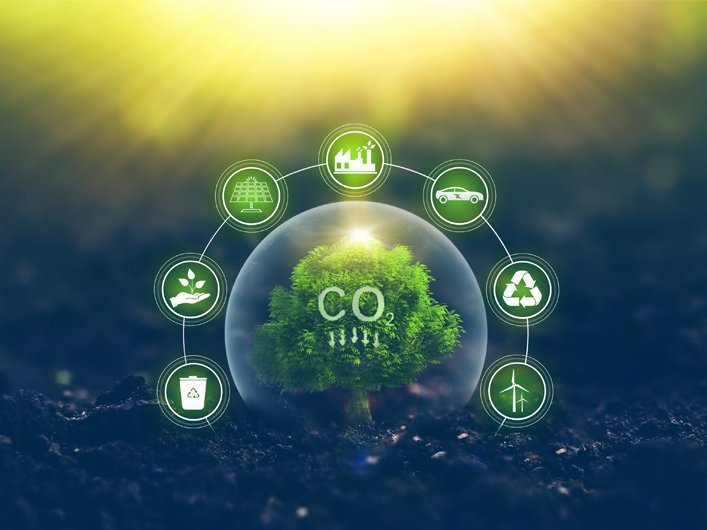
Traditional loyalty systems in tourism have primarily focused on financial value — stay longer, spend more, and earn points. However, this model often ignores the environmental footprint left behind by luxury travel. According to the World Tourism Organization, global tourism accounts for nearly 8% of global carbon emissions, with waste, energy use, and water consumption being major contributors.
In Sri Lanka alone, over 2 million international tourists visited in 2024, generating an estimated 18,000 tons of plastic waste from single-use items, according to projections by the Central Environmental Authority. The challenge is not only to attract visitors but to transform their behavior into a positive environmental contribution.
A Karma Points Loyalty system addresses this by incentivizing low-impact travel. For example, a guest who refuses daily linen changes, carries a refillable bottle, participates in a beach cleanup, or plants a tree could instantly receive blockchain-recorded Karma Points. These points could later translate into a free meditation class or a spa upgrade — rewarding good behavior through wellness.
Why Blockchain? Trust, Transparency, and Traceability
Blockchain technology ensures authenticity and traceability of each sustainable action. Every “karma transaction” — such as choosing a bamboo straw over plastic, or walking instead of using a hotel buggy — can be recorded as a verifiable digital asset. This creates trust between travelers, hoteliers, and regulators.
Unlike conventional databases, blockchain cannot be tampered with. Each entry represents a proof of action, validated by hotel systems, IoT sensors, or staff confirmation. For instance, a smart meter can record a guest’s low water consumption compared to average usage, automatically rewarding Karma Points to their blockchain wallet.
This system transforms sustainability from a marketing slogan into a measurable ecosystem of accountability. The more responsible a traveler becomes, the higher their Karma Score, enabling access to exclusive “green tiers” in partner hotels or tourism networks.
How “Karma Points Loyalty” Works
The system revolves around three interconnected layers:
- Behavior Capture: Using smart devices, hotel management software, or staff validation to record sustainable actions such as towel reuse, zero-plastic purchases, or participation in eco-activities.
- Blockchain Verification: Each activity is registered on a decentralized ledger, ensuring authenticity.
- Reward Redemption: Karma Points can be redeemed for wellness experiences — from spa treatments to guided meditation sessions or eco-retreat discounts.
For Sri Lanka, this model could integrate with the Tourism E-Platform or SLTDA database, allowing tourists to carry their Karma Points across destinations, making sustainability part of their national travel journey.
Global Trends Supporting the Concept
Globally, there is a growing alignment between wellness tourism and eco-conscious travel. According to the Global Wellness Institute (GWI), the global wellness tourism market surpassed USD 800 billion in 2023, projected to reach USD 1.3 trillion by 2028. More than 76% of wellness travelers prefer destinations that demonstrate real sustainability.
A study by Booking.com (2024) revealed that 68% of global travelers would be more likely to choose accommodation that rewards eco-friendly actions. Yet, only 20% of hotels currently offer such incentives. This is the gap Karma Points Loyalty aims to fill — combining digital innovation, behavioral science, and wellness philosophy.
Case Study 1: The Maldives – Blockchain Meets Blue Sustainability
The Maldives has experimented with tokenized eco-rewards where tourists who offset carbon footprints receive blockchain-based tokens usable for local purchases. Resorts like Soneva Fushi and Kudadoo have implemented real-time sustainability tracking through smart systems.
A Karma Points adaptation here would mean each solar-powered villa stay, coral restoration activity, or organic meal chosen earns verifiable digital points — a model Sri Lanka can replicate within its own wellness tourism zones.
Case Study 2: Bhutan – The Nation of Gross National Happiness
Bhutan’s tourism philosophy aligns perfectly with the Karma Points model. The country’s “high value, low volume” strategy already prioritizes environmental and cultural preservation. If Bhutan were to implement a blockchain-based Karma system, each visitor’s carbon offset, cultural participation, or local spending could be documented transparently — transforming its happiness index into a measurable karma-based economy.
Sri Lanka could learn from Bhutan’s approach, merging its Ayurvedic wellness heritage with modern technology.
Case Study 3: Costa Rica – Rewarding Regeneration
Costa Rica, one of the pioneers of eco-tourism, has developed carbon-neutral certification programs that reward hotels and travelers for sustainable operations. A blockchain layer would make these certifications more credible, traceable, and portable.
Imagine a Sri Lankan version — “Green Karma Certified Retreats” — where hotels in Ella, Kandy, or Galle earn blockchain-backed seals that travelers can view on a public ledger, building trust and transparency.
Case Study 4: Uga Escapes, Sri Lanka – Local Inspiration for Global Innovation
Uga Escapes’ eco-luxury brand already emphasizes energy efficiency, community integration, and cultural authenticity. By integrating a Karma Points Loyalty system, every responsible action by a guest — from refusing plastic bottles to participating in a local reforestation walk — could be recorded and rewarded.
Such initiatives could also be linked to Sri Lanka Tourism Development Authority (SLTDA) goals, encouraging all licensed accommodations to implement measurable sustainability metrics tied to national wellness branding.
Case Study 5: Rwanda’s Volcanoes National Park – Blockchain for Conservation Funding
Rwanda has explored blockchain to track eco-tourism funds used for gorilla conservation. This transparent model shows tourists exactly how their fees benefit local communities and wildlife. Sri Lanka could replicate this in its Sinharaja Rainforest or Wilpattu conservation programs, offering Karma Points for travelers participating in “eco-adoption” or conservation donations.
Case Study 6: Zanzibar’s Spice Farms – From Eco to Agri-Wellness
Having personally worked in Zanzibar, I’ve witnessed how spice farm tourism evolved into agri-therapy retreats. A Karma Points mechanism could authenticate tourist participation in organic farming, composting, or local product purchases — rewarding guests with wellness upgrades while ensuring transparency in benefit-sharing with local communities.
Case Study 7: Sri Lankan Tea Estates – The Karma of Conscious Consumption
Tea tourism can be a natural frontier for Karma Points. Imagine tourists visiting Uva Roseland or Nuwara Eliya estates earning points for using reusable cups, learning about fair-trade farming, or purchasing locally packaged tea in plastic-free formats. Each ethical purchase could be logged in a blockchain wallet, connecting the story of the farmer to the wellness of the consumer.
Integrating Wellness with Digital Karma
Unlike conventional rewards, Karma Points Loyalty links sustainable choices with personal well-being. The system encourages tourists to practice mindful habits that enhance both the planet’s health and their own wellness journey. For instance:
- A guest who walks instead of taking a shuttle earns points and gains physical exercise.
- Avoiding single-use plastics supports detoxification and environmental purity.
- Participating in community yoga or forest bathing promotes mental rejuvenation while aiding local livelihoods.
This dual reward — environmental and personal — is what makes the Karma Points Loyalty system uniquely powerful.
Policy and Implementation Framework for Sri Lanka
To implement this model nationally, Sri Lanka could adopt a three-tier framework:
- Policy Integration: Incorporate Karma Points tracking into the national tourism digital infrastructure (with SLTDA and the Ministry of Environment).
- Technology Partnerships: Collaborate with local universities and blockchain developers for system design.
- Incentive Linkage: Tie Karma Points to national loyalty programs, e-visa benefits, or travel tax rebates for sustainable visitors.
Such integration would position Sri Lanka as South Asia’s pioneer in digital wellness tourism governance.
Economic and Social Impact
A blockchain-based loyalty model would:
- Reduce resource wastage in hospitality (estimated savings of 15–20% water and 10% electricity per guest annually).
- Enhance local participation, channeling verified rewards to community cooperatives or artisans.
- Increase average stay duration by 1.5 days through experiential engagement.
- Build destination reputation, attracting high-value, responsible travelers who spend 30% more on authentic, wellness-driven experiences.
Challenges and Ethical Considerations
While blockchain provides transparency, its success depends on data privacy, local literacy, and cross-sector trust. Implementations must comply with Sri Lanka’s Data Protection Act (2022) and ensure ethical technology use that respects both human dignity and nature’s integrity. The goal is not surveillance but empowerment.
Training hospitality staff, creating awareness among travelers, and developing low-cost IoT solutions for small operators will be vital to ensure inclusivity.
Conclusion: Toward a Karma-Driven Travel Future
The Karma Points Loyalty model is more than a tourism innovation — it is a movement of moral technology. By linking responsible choices to personal wellness, Sri Lanka can pioneer a global benchmark for ethical tourism transformation. As travelers earn digital karma, they not only rejuvenate themselves but contribute to the healing of the planet.
In essence, sustainable tourism becomes self-sustaining, powered by blockchain, guided by wellness, and inspired by compassion.
Disclaimer
This article has been authored and published in good faith by Dr. Dharshana Weerakoon, DBA (USA), based on publicly available data from national and international sources (e.g., Sri Lanka Tourism Development Authority, Central Bank of Sri Lanka, international tourism monitors, conservation bodies), decades of professional experience across multiple continents, and ongoing industry insight. It is intended solely for educational, journalistic, and public awareness purposes to stimulate discussion on sustainable tourism models. The author accepts no responsibility for any misinterpretation, adaptation, or misuse of the content. Views expressed are entirely personal and analytical, and do not constitute legal, financial, or investment advice. This article and the proposed model are designed to comply fully with Sri Lankan law, including the Intellectual Property Act No. 52 of 1979, the ICCPR Act No. 56 of 2007, and relevant data privacy and ethical standards.
✍ Authored independently and organically through lived professional expertise — not AI-generated.
Additional Reading: https://www.linkedin.com/newsletters/7046073343568977920/
Further Reading: https://dharshanaweerakoon.com/rekindling-wellness-sri-lankas-hidden-hot-springs-for-arthritis-relief-retreats/