Sensory Sovereignty: Reimagining Sri Lanka’s Resort Paradigm for Neurodiverse Wellness
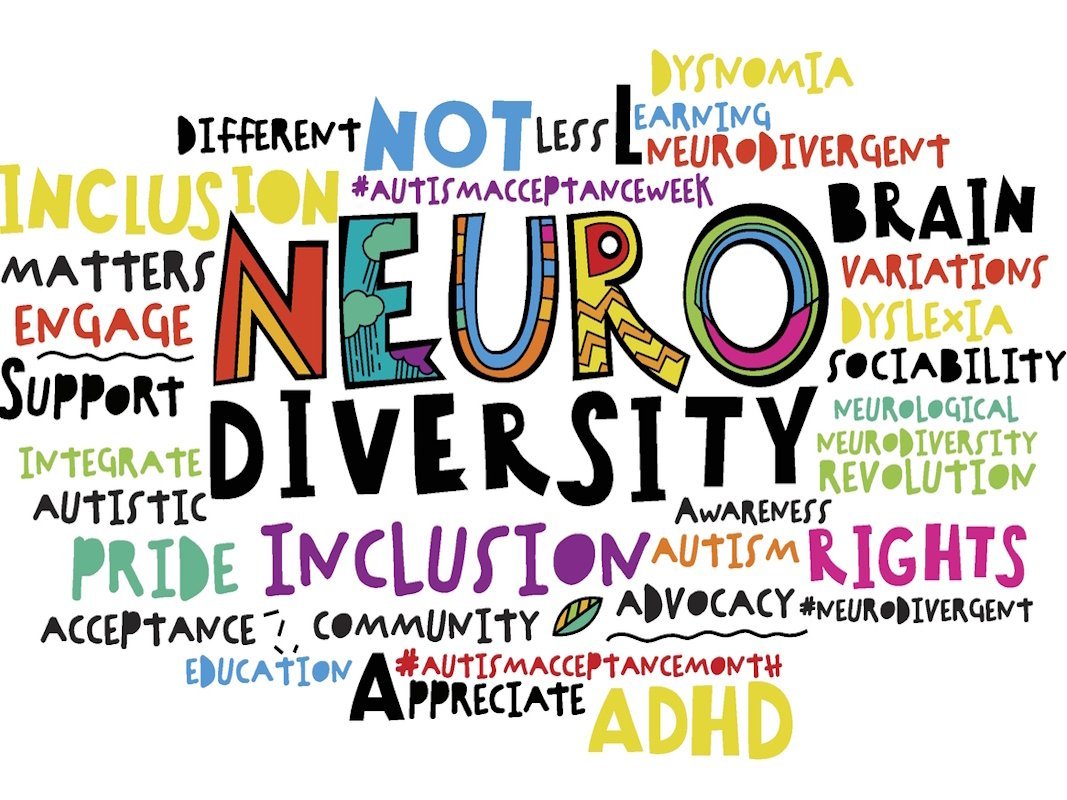
In the evolving landscape of global tourism, the world is witnessing a quiet but profound transformation. Travelers are no longer content with mere leisure or escape; they now seek emotional repair, inner balance, and spaces that nurture rather than stimulate. This shift is particularly visible in the post-pandemic world, where the quest for mental wellness, authenticity, and simplicity has outpaced traditional luxury. Yet, for a significant portion of the population — the neurodiverse community — even the most tranquil resorts can be overwhelming.
This article proposes a bold and necessary paradigm for Sri Lanka’s hospitality industry: the “Sensory Sovereignty Resort.” This model goes beyond surface-level aesthetics and traditional wellness programming to create spaces that truly respect individual differences in perception, processing, and comfort. It is a philosophy grounded in three principles — choice, control, and calm — aimed at providing every guest, especially those with autism, ADHD, sensory sensitivities, or cognitive diversity, the ability to regulate their own sensory experience.
Rather than focusing only on “soundscapes” or isolated accessibility upgrades, this model proposes a holistic architectural, operational, and cultural transformation — one that honors neuro-inclusivity as both a design ethic and a human right.
1. The Unseen Majority: Why Neurodiversity Matters in Tourism
Globally, it is estimated that between 15 and 20 percent of the population identify as neurodivergent. This includes individuals with autism spectrum conditions, ADHD, dyslexia, dyspraxia, and sensory processing differences. In practical terms, this means one in every five travelers may experience heightened sensitivity to light, sound, smell, or texture — or may require predictable environments to feel safe.
In families where one or more members are neurodiverse, travel often becomes stressful or entirely avoided. International studies suggest that nearly three-quarters of families affected by autism choose not to travel because the hospitality sector lacks understanding or accommodation for their needs. The implication is striking: millions of potential travelers remain excluded from the global tourism experience, not by physical barriers but by sensory and emotional design failures.
In Sri Lanka, this represents both an ethical responsibility and a missed opportunity. The island’s post-pandemic tourism strategy has largely focused on nature, wellness, and culture — yet inclusivity has rarely been part of this conversation. By integrating neurodiverse design principles, Sri Lanka could unlock a new market segment, improve visitor satisfaction, and demonstrate genuine leadership in responsible tourism.
2. Beyond Quiet Luxury: The Philosophy of Sensory Sovereignty
The concept of “Sensory Sovereignty” challenges traditional hospitality design. It assumes that every human being has a unique sensory profile, and that true wellness arises when individuals are allowed to manage their own environment.
A sensory-sovereign resort does not simply remove stimuli; rather, it gives guests the agency to choose. Lighting, temperature, sound, and scent become adjustable elements. Spaces are not defined as “quiet” or “busy” but as zones of different sensory intensity, clearly marked and easy to navigate. Predictability and control replace surprise and overstimulation.
At its heart, this philosophy recognizes that wellness is subjective. For some, the sound of ocean waves may be relaxing; for others, it may be distressing. Sensory Sovereignty thus transforms the resort into a landscape of options, gradients, and personal calibrations — an environment that adapts to the guest, not the other way around.
3. Design Principles: From Architecture to Emotion
Creating a sensory-sovereign resort requires a shift from cosmetic inclusivity to embedded empathy in design. Below are the key design principles that underpin this model:
| Principle | Essence | Application |
| Choice & Modularity | Guests can modulate their own sensory experience | Adjustable lighting, temperature, textures, and acoustic control systems |
| Predictability with Flexibility | Clarity in layout and schedule | Logical wayfinding, simple architecture, digital guides, low ambiguity |
| Control by the Guest | Guests are not passive; they manage their surroundings | Smart interfaces to personalize light, sound, scent, and air flow |
| Multi-Sensory Cues | Use more than one sense for orientation | Visual icons, tactile surfaces, and olfactory cues to navigate |
| Quiet Transition Zones | Gradual shifts between active and calm areas | Buffer corridors, alcoves, gardens that bridge energy levels |
| Human Comfort Layering | Gradation from macro to micro comfort | Thoughtful sequencing of colors, textures, and acoustics |
| Biophilic Integration | Nature as a regulator of stress | Gardens, natural light, water bodies, plant filters |
| Inclusive Staffing | Training that extends empathy into service | Staff equipped to identify and support sensory needs discreetly |
These principles allow the resort to become both inclusive and aesthetically rich — proving that accessibility does not diminish beauty, but refines it.
4. Architectural & Environmental Applications
Site Planning and Layout
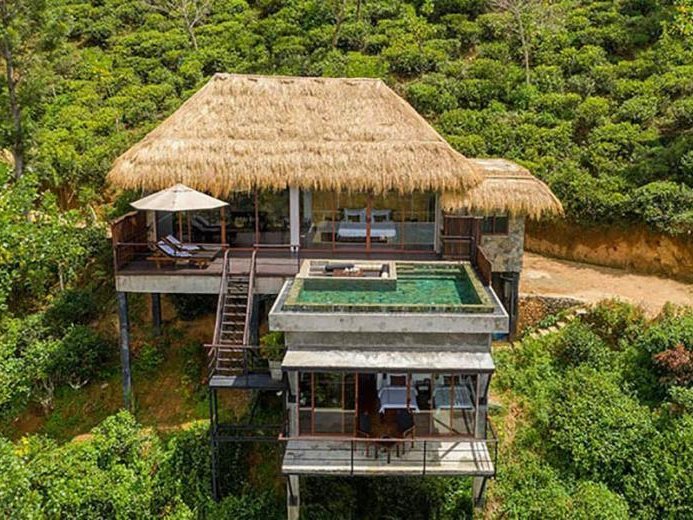
Resorts should be designed with sensory gradients — moving from low-stimulation zones near accommodation areas to higher-energy social hubs. Small clusters of villas or pavilions should replace monolithic hotel blocks to reduce crowd density and echo. Natural topography can be used as a sensory buffer, using trees, water bodies, and contours to absorb sound and modulate light.
Landscape and Exterior Design
Gardens should use plant species that create soft movement and muted color palettes. The sound of running water should be gentle and consistent, avoiding sharp splashes. Walkways can incorporate subtle tactile variations — polished stone, smooth timber, woven matting — guiding guests subconsciously without signage.
Building Envelope and Architecture
Walls, ceilings, and floors must be acoustically insulated. Windows with adjustable opacity can let guests control brightness. Ventilation systems should include “silent modes” to minimize airflow noise. Overhangs, louvered panels, and natural shading protect from glare.
Interior Spaces
Inside rooms and lounges, lighting temperature should be tunable. Guests might choose between daylight-mimicking white, soft amber, or complete darkness. Fabrics must be hypoallergenic and soft to touch. Textures can subtly shift between smooth, woven, and matte finishes to create tactile balance.
Each room becomes a micro-sanctuary — with a clear sleeping area, sensory-neutral workspace, and private retreat corner. Guests can adjust every element through an intuitive app or wall panel, giving complete autonomy over their environment.
Navigation and Signage
Wayfinding should use iconography, colors, and tactile symbols instead of complex text. Corridors can include sound-absorbing materials and soft ambient lighting to prevent overstimulation. “Pause spaces” or sensory decompression zones should appear every 50–60 meters to allow guests to recalibrate.
Dining and Social Spaces
Cafés can include quiet booths or curtained sections for privacy. Kitchens should use enclosed designs to prevent strong food smells from spreading. Loud music should be optional or limited to specific areas. Menus can feature visual representations of food, catering to those who prefer predictable experiences.
5. Operations and Staff Culture
Even the best design fails without empathetic operation. Staff must be trained not just in service etiquette, but in neuro-inclusive communication. This includes understanding when to reduce verbal interaction, recognizing early signs of distress, and maintaining a calm environment.
Check-in procedures should offer silent or digital modes, allowing guests to skip crowded lobbies. Activities can be scheduled in flexible slots, giving guests the ability to opt out without judgment. The resort’s internal culture must celebrate difference as diversity, not as deviation.
In time, such operational sensitivity creates brand differentiation — turning inclusivity into a hallmark of Sri Lankan hospitality.
6. Global and Regional Case Studies
Case Study 1: Inclusive Workforce Model – Barcelona, Spain
In Spain, a major cultural attraction successfully integrated a workforce where over half of its front-line staff are neurodivergent. The organization discovered that neurodiverse employees often excel in precision, empathy, and consistency — qualities that greatly improved visitor satisfaction.
Case Study 2: Therapeutic Design in Texas, USA
A group of American architects pioneered the use of sensory zoning, biophilic lighting, and spatial layering in autism-support facilities. The results showed measurable reductions in anxiety and behavioral incidents. These principles — gentle lighting, soft corners, and clear circulation — can easily transition into hospitality environments.
Case Study 3: Global Hotel Group Accessibility Initiative
A well-known international hotel brand introduced a new neuro-accessibility design strategy across select properties. Features included adjustable lighting, reduced glare, predictable color palettes, and silent HVAC systems. The feedback was overwhelmingly positive, especially among guests seeking low-stimulus rest environments.
Case Study 4: Prototype Design in Sri Lanka
A Sri Lankan architectural school recently conducted a pilot project exploring soundscape-optimized resort zones. Using field data from coastal and hill regions, the study demonstrated how zoning based on acoustic mapping can dramatically reduce sensory overload for guests with auditory sensitivities.
Case Study 5: Quiet Rooms in Scandinavian Boutique Hotels
Several boutique hotels in Northern Europe now market “quiet rooms” with full sound insulation, blackout curtains, and neutral color schemes. These rooms command up to 25 percent higher nightly rates — evidence that guests are willing to pay a premium for calm.
Case Study 6: Virtual Sensory Control Labs
Researchers recently experimented with virtual “silent rooms” where users could alter color, sound, and light intensity to manage anxiety. The study proved that user control, not environmental perfection, is the key factor in emotional regulation — reinforcing the core principle of Sensory Sovereignty.
7. The Economic and Strategic Case for Sri Lanka
Tourism accounts for roughly 10–12 percent of Sri Lanka’s GDP when indirect impacts are included. As the country rebuilds its image post-crisis, the search for unique, high-value niches is critical. Neuro-inclusive wellness represents such a niche.
From a business standpoint, the model offers multiple advantages:
- Market differentiation: No other South Asian destination has a full-scale sensory-inclusive resort.
- Higher yield: Guests seeking predictable calm are willing to pay 20–30 percent higher premiums for control-based accommodation.
- Loyalty effect: Neurodiverse travelers and families often demonstrate exceptional brand loyalty once they find safety and trust.
- Reputation: Aligning with global inclusivity movements enhances brand credibility and attracts CSR partnerships.
- Wider appeal: Features designed for neurodiversity — soft lighting, reduced noise, natural materials — improve comfort for all guests, creating universal value.
By introducing this model, Sri Lanka could become the regional hub for neuro-inclusive tourism, positioning itself not just as a paradise of nature, but as a pioneer of empathy in design.
8. Implementation Blueprint for a Sensory Sovereignty Resort
Phase One – Research and Prototype (Year 1)
- Conduct market studies to identify neurodiverse traveler profiles.
- Develop partnerships with universities, therapists, and local design institutions.
- Retrofit one villa or suite in an existing resort as a pilot sensory suite with full environmental control, and invite feedback from guest testers.
- Document data on satisfaction, sensory comfort, and usability to refine standards.
Phase Two – Design and Development (Years 2–3)
- Create a cluster-based resort where accommodation, dining, and wellness zones follow a gradient of sensory intensity.
- Integrate IoT-based guest control apps for light, sound, scent, and temperature.
- Introduce staff training modules certified by local disability and tourism authorities.
- Partner with artisans to create tactile furnishings using natural materials.
Phase Three – Expansion and Branding (Years 4–5)
- Launch full-scale operations under a dedicated “Sensory Sovereignty” identity.
- Position the resort as an international benchmark for neuro-inclusive hospitality.
- Replicate the model across coastal, highland, and cultural zones.
- Publish research and impact data in academic and professional tourism journals.
Key Performance Indicators (KPIs)
| Indicator | Target (First 3 Years) |
| Guest satisfaction (comfort rating) | 90% or higher |
| Occupancy in sensory units | 70% average |
| Repeat bookings (neurodiverse families) | 40% or more |
| Staff inclusion training completion | 100% |
| Price premium achieved | 20–30% above standard |
| Accessibility audit compliance | 100% annually |
9. Legal, Ethical, and Cultural Compliance
The success of this model depends on ethical integrity. The resort must fully comply with Sri Lanka’s Intellectual Property Act No. 52 of 1979, ensuring that all original design concepts, artisan work, and co-created elements remain properly documented.
Equally important is adherence to the ICCPR Act No. 56 of 2007, guaranteeing non-discrimination, dignity, and equal access. All data collection — especially through digital guest controls — must respect privacy, consent, and anonymization principles.
Recruitment policies must promote equal opportunity for neurodiverse staff, ensuring that inclusivity extends to the workforce. Supplier contracts and design collaborations should include intellectual property safeguards and liability clarity to prevent misuse or plagiarism of the model.
By embedding these measures, the Sensory Sovereignty Resort will stand not only as a hospitality innovation but as a model of ethical tourism governance.
10. Challenges and Mitigation Strategies
Like any pioneering concept, this model faces practical hurdles. Higher initial investment in acoustic systems and smart technologies can strain budgets. Yet phased construction and modular retrofitting can distribute costs effectively.
There is also the risk of misinterpretation — that such a resort caters only to autism or special needs. Clear communication and inclusive branding must emphasize that sensory-controlled environments benefit everyone — executives recovering from burnout, creatives seeking calm, and families wanting predictable experiences.
Another challenge lies in maintenance. Technology must remain simple and reliable. User interfaces should include “safe default modes” for guests who prefer minimal control. Most importantly, the system must prioritize human sensitivity over automation.
11. The Human Story Behind the Vision
Having worked across five regions — from the atolls of the Maldives to the mist forests of Rwanda — I have observed how environmental design deeply affects emotional wellbeing. I have seen guests abandon otherwise beautiful resorts because of a flickering light or echoing hallway. I have also witnessed the quiet joy when a child on the autism spectrum finds peace in a soft-lit room or predictable meal routine.
It was through these lived experiences that the idea of Sensory Sovereignty emerged — not as a theoretical framework, but as a human necessity. True luxury, I have come to believe, is not abundance but autonomy. The ability to choose how much light to let in, how much sound to allow, and when to retreat or engage — that is the essence of freedom in hospitality.
Sri Lanka, with its deep heritage of compassion and balance, is perfectly placed to lead this transformation. A sensory-sovereign resort on our shores could become not just a tourism asset but a symbol of inclusive humanity — where every traveler, regardless of neurological difference, feels entirely at home.
12. The Way Forward
As the tourism sector evolves, Sri Lanka must diversify beyond beaches and heritage. The future lies in empathy-driven innovation — resorts that heal, not just entertain. By embracing Sensory Sovereignty, we can craft a new chapter in our hospitality story, blending design science, cultural mindfulness, and compassion into a single living experience.
This approach could eventually inspire new architectural codes, design curricula, and hospitality training modules, influencing not just one resort but an entire industry. The economic benefits will follow, but the deeper value will be the restoration of dignity and inclusion in travel.
In the years ahead, as more travelers seek calm over chaos, authenticity over abundance, Sri Lanka can rise as the world’s first destination that truly designs for every mind, every mood, every moment.
Disclaimer
This article has been authored and published in good faith by Dr. Dharshana Weerakoon, DBA (USA), based on publicly available data from national and international sources, decades of professional experience across multiple continents, and ongoing industry insight. It is intended solely for educational, journalistic, and public awareness purposes to stimulate discussion on sustainable and inclusive tourism models. The author accepts no responsibility for any misinterpretation, adaptation, or misuse of the content. Views expressed are entirely personal and analytical, and do not constitute legal, financial, technical, or investment advice. This article and the proposed model are designed to comply fully with Sri Lankan law, including the Intellectual Property Act No. 52 of 1979 (regarding artisan rights and design ownership), the ICCPR Act No. 56 of 2007 (ensuring non-discrimination and dignity), and relevant data privacy and ethical standards.
✍ Authored independently and organically through lived professional expertise — not AI-generated.
Further Reading: https://www.linkedin.com/newsletters/7046073343568977920/
Additional Reading: https://gray-magpie-132137.hostingersite.com/rekindling-wellness-sri-lankas-hidden-hot-springs-for-arthritis-relief-retreats/