Beyond the Honeymoon: Crafting Multi-Generational and Longevity Travel Products for the Maldives’ Next Decade
How the Maldives can future-proof its ultra-luxury positioning by diversifying beyond honeymooners to embrace families, health-conscious seniors, and long-stay guests.
Introduction: From Honeymoon Paradise to Longevity Haven
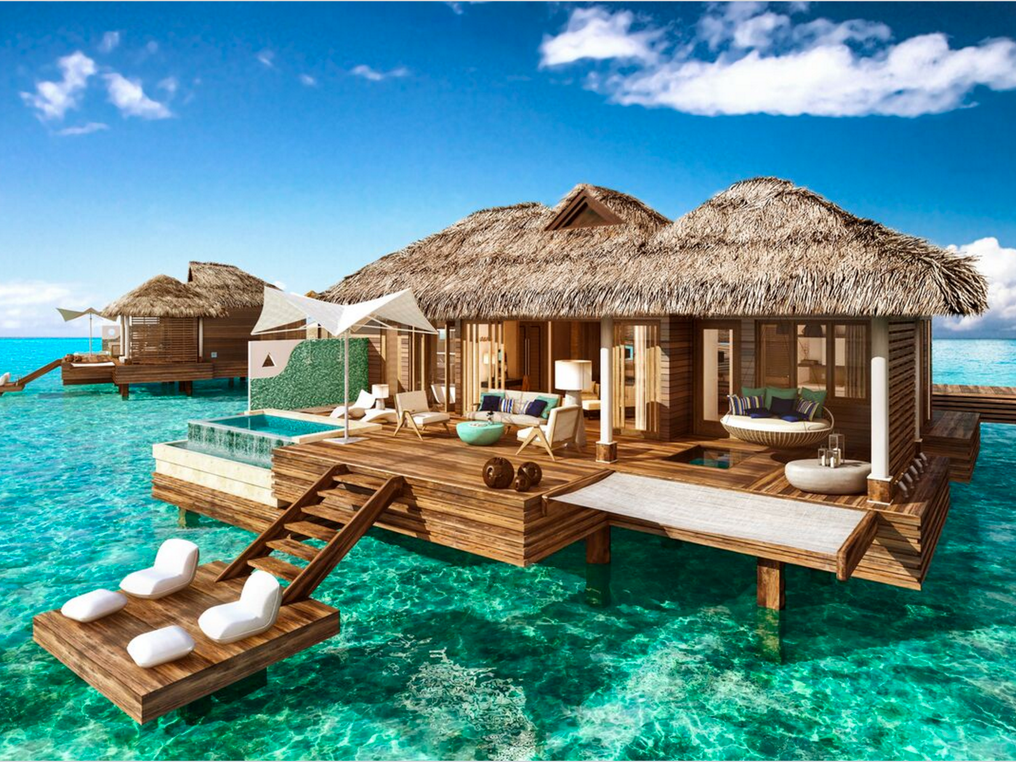
For decades, the Maldives has held an undisputed reputation as the world’s premier honeymoon destination. Its secluded water villas, powder-white beaches, and turquoise lagoons have become an iconic setting for couples seeking exclusivity and romance. This positioning has worked well: in 2023, the Maldives welcomed 1.8 million international visitors (Maldives Ministry of Tourism, 2024), with Europe and Asia as primary feeder markets.
But beneath this success lies a strategic question: can the Maldives rely solely on honeymooners and couples for the next decade?
The answer is complicated. Honeymoon travel, while lucrative, is episodic—guests typically visit once in a lifetime. Repeat visitation is low, and average stay durations are short. Maldives’ Ministry of Tourism data shows the average guest stay hovers around 7.2 nights. Compare that with Bali (9–12 nights), Thailand (10 nights), or long-stay wellness resorts in Europe (21–45 nights), and the gap becomes clear.
Meanwhile, two mega-trends are reshaping global tourism demand:
- Multi-generational family travel – Ultra-wealthy families traveling across three or more generations, seeking privacy, bonding, and enrichment.
- Longevity and healthspan tourism – The affluent global elite seeking to extend not only their years of life but also the quality of those years, often through medically supervised retreats, lifestyle programs, and extended stays.
The Maldives, if it adapts quickly, can capture both markets—transforming from a “honeymoon capital” into a multi-generational luxury and longevity destination of the Indian Ocean.
Section 1: The Untapped Market Opportunity
Multi-Generational Travel: The Family Angle
Global tourism studies forecast family travel as one of the fastest-growing segments. According to Allied Market Research (2023), the family travel market will reach USD 1.45 trillion by 2030, growing at a CAGR of 25%. Within this, multi-generational travel accounts for 30% of luxury tourism expenditure, especially from markets such as China, India, the Middle East, and Europe.
High-net-worth individuals (HNWIs) increasingly travel with grandparents, parents, and children together, and they seek ultra-luxury environments that balance exclusivity with shared experiences. The Maldives, however, remains heavily tilted toward villas designed for two adults.
Longevity & Wellness: The Healthspan Economy
The Global Wellness Institute valued wellness tourism at USD 919 billion in 2022, projected to exceed USD 1.3 trillion by 2027. The “longevity” sub-sector—programs focusing on anti-aging, biohacking, sleep optimization, nutrition, and stress reduction—is growing fastest.
Destinations like Switzerland, Spain, and Thailand already market themselves as longevity hubs, with medically integrated spa resorts where guests stay for 3 weeks to 3 months.
The Maldives has so far under-leveraged this opportunity. While a few luxury resorts partner with wellness brands (e.g., JOALI BEING), a systematic national push into longevity tourism is absent.
Why This Matters for the Maldives
- Increase in average stay: Families and health retreat guests stay longer (14–90 nights).
- Repeat visitation: Families return for milestones; wellness travelers often repeat programs annually.
- Profitability resilience: Diversified clientele shields the Maldives from shocks (e.g., pandemic, honeymoon market saturation).
Section 2: Case Studies from Around the World
To understand the opportunity, we must examine how other destinations have successfully pivoted.
1. Soneva Jani (Maldives) – Family Luxury in Action
Unlike many Maldivian resorts, Soneva Jani actively designs for families. It offers multi-bedroom water retreats, in-villa waterslides for children, and structured kids’ clubs. Families can enjoy astronomy sessions, eco-discovery programs, and organic cooking classes together.
Lesson: When Maldivian resorts provide family-oriented luxury, the market responds. Demand exists—it only needs more supply.
2. Club Med Michès Playa Esmeralda (Dominican Republic) – Multi-Gen Model
This all-inclusive luxury resort divides spaces into “villages” catering to different demographics: explorers (kids), wellness seekers (adults), and tranquility spaces (seniors). Families can spend time together yet enjoy tailored programs for each age group.
Lesson: Multi-gen travel requires segmentation—children, parents, and grandparents each need a different activity set.
3. Six Senses Ibiza (Spain) – Longevity-Oriented Retreats
This Mediterranean resort blends luxury with medically informed longevity programs. Guests undergo health diagnostics, participate in yoga, meditation, and nutrition workshops, and stay for extended periods.
Lesson: Longevity programming attracts wealthy Europeans seeking transformation—not just relaxation.
4. COMO Shambhala Estate (Bali, Indonesia) – The 90-Day Retreat
Known as a “retreat for change,” COMO offers 1–3 month immersive programs focused on detoxification, fitness, and mindfulness. Villas are designed for long-term occupancy, with kitchenettes, private pools, and cultural integration.
Lesson: Extended stays require villa redesign and programming that sustains guests beyond the standard vacation cycle.
5. Lanserhof Tegernsee (Germany) – Europe’s Longevity Benchmark
A medical spa combining diagnostics, fasting therapies, and preventive medicine, Lanserhof attracts high-net-worth clientele who stay for weeks. Prices range from €7,000–€25,000 per week.
Lesson: Longevity is not a niche—it is a premium, recession-proof sector.
6. Atlantis The Royal (Dubai, UAE) – Family Meets Ultra-Luxury
Opened in 2023, Atlantis The Royal combines Michelin-starred dining, sky pools, and a 90-meter-high infinity pool with child-friendly waterparks and family suites. Dubai’s model proves families and luxury can co-exist.
Lesson: Ultra-luxury need not exclude families—if carefully designed.
7. Okinawa, Japan – Longevity Island Tourism
Okinawa’s status as a “Blue Zone” (where people live longer, healthier lives) has turned it into a global tourism magnet. Wellness seekers flock to study the lifestyle of centenarians, eat Okinawan cuisine, and join community rituals.
Lesson: Authentic cultural longevity stories attract global attention without artificial branding.
Section 3: Redesigning the Maldivian Tourism Product
If the Maldives is to succeed in capturing family and longevity markets, it must reimagine its core offering.
1. Villa Architecture for Families & Seniors
- Multi-bedroom villas: At least 3–5 bedrooms for extended families.
- Interconnected villas: Privacy with accessibility.
- Senior-friendly design: Ramps, wider hallways, medical alert systems, ergonomic furniture.
2. Programming for Multi-Generational Cohesion
- Children: Marine biology discovery camps, coral restoration activities, Maldivian craft workshops.
- Parents: Diving, spa, fine dining, cultural immersion.
- Grandparents: Gentle wellness activities, storytelling sessions, Ayurvedic therapies.
- Family bonding: Cooking with local chefs, sailing expeditions, heritage island tours.
3. Longevity & Healthspan Retreats
- Partner with international medical institutions for diagnostics, lab work, and personalized health plans.
- Offer biohacking suites: sleep optimization tech, oxygen therapy, cryotherapy, meditation pods.
- Develop Maldivian-inspired diets: fish-based omega-rich cuisine, coconut-based hydration, Ayurvedic herbs.
- Encourage long-stay packages (1–3 months), bundled with medical monitoring and lifestyle coaching.
4. F&B Innovations
- Plant-based fine dining: For health-conscious travelers.
- “Blue Zone” cuisine: Inspired by Okinawa, Sardinia, Ikaria—adapted with Maldivian ingredients.
- Longevity cafés: Serving teas, supplements, and probiotic-rich foods.
Section 4: Economic Benefits
1. Longer Average Stays
If even 10% of resorts introduce longevity and multi-gen packages, the national average stay could rise from 7.2 nights to 12–20 nights.
2. Yield Per Villa
A multi-bedroom villa accommodating six guests commands a higher per-night yield (USD 5,000–15,000) compared to a honeymoon villa for two (USD 2,000–6,000).
3. Seasonality Management
Families travel in school holidays, seniors and wellness seekers prefer off-peak seasons—helping balance occupancy across the year.
4. Economic Diversification
Wellness packages, cultural immersion, and medical partnerships create new revenue streams beyond basic room rates.
Section 5: Risks and Cultural Safeguards
- Over-commercialization risk – Mitigation: limit mass tourism; keep exclusivity.
- Cultural respect – Ensure Maldivian identity is central to wellness narratives.
- Environmental sustainability – Renewable energy, reef conservation, low-impact construction.
- Medical liability – Work with accredited partners; comply with WHO guidelines.
Conclusion: Maldives at the Crossroads
The Maldives stands at a strategic crossroads. It can continue to market itself primarily as a honeymoon paradise, or it can expand into a multi-generational and longevity-driven ultra-luxury model.
By redesigning villas, curating family-friendly programming, and positioning itself as a healthspan retreat destination, the Maldives can increase average stays, attract repeat clientele, and future-proof its global positioning.
In doing so, the Maldives will not only remain a paradise for couples but also become a resilient, diversified, and sustainable luxury archipelago for generations to come.
Disclaimer
This article has been authored and published in good faith by Dr. Dharshana Weerakoon, DBA (USA), based on publicly available data from cited Maldivian, Sri Lankan, and international tourism sources (e.g., Maldives Ministry of Tourism, Sri Lanka Tourism Development Authority, Global Wellness Institute, UNWTO, Central Bank reports), decades of professional experience across multiple continents, and ongoing industry insights. It is intended solely for educational, journalistic, and public awareness purposes to stimulate discussion on sustainable tourism models. The author accepts no responsibility for any misinterpretation, adaptation, or misuse of the content. Views expressed are entirely personal and analytical, and do not constitute legal, financial, or investment advice. This article and the proposed model are designed to comply fully with Maldivian law, including cultural sensitivities, environmental regulations, and intellectual property standards, alongside international ethical publishing norms.
✍ Authored independently and organically through lived professional expertise—not AI-generated.
Further Reading: https://www.linkedin.com/newsletters/outside-of-education-7046073343568977920/
Additional Reading: https://gray-magpie-132137.hostingersite.com/maritime-service-hub/