Bridging the Maldives’ MICE Blind Spot: Seizing the Corporate Retreat Revolution
Introduction
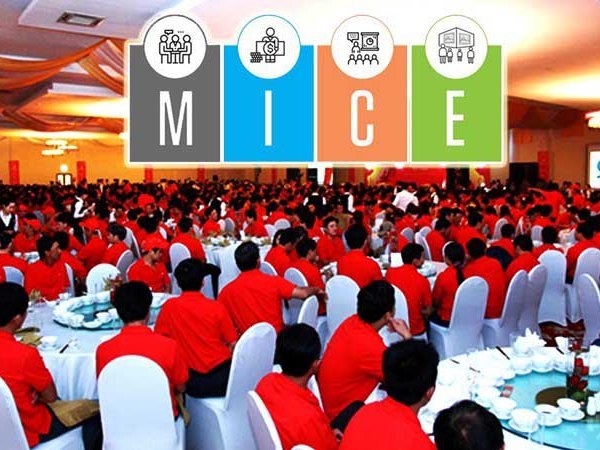
The Maldives has long been synonymous with luxury escapes—crystal lagoons, over-water villas, coral reefs, and intimate honeymoons. Yet beneath this postcard image lies a strategic blind spot: the absence of purpose-built MICE (Meetings, Incentives, Conferences, and Exhibitions) infrastructure.
While the Maldives has carved its niche as one of the world’s most iconic luxury destinations, it is missing a massive opportunity in the corporate retreat revolution sweeping across Asia, the Middle East, and Europe. Global corporates are no longer content with conference halls in congested cities. They are seeking destinations where work, wellness, networking, and leisure merge seamlessly.
The Maldives has all the natural ingredients. What it lacks is scale, technology, and flexible facilities to capture this market. This article outlines why the Maldives is falling behind, how purpose-built high-tech facilities can transform seasonality, and a roadmap for building sustainable MICE capacity that complements its existing luxury brand.
1. The Current Gap: Why the Maldives Is Missing Out
Seasonality and Occupancy Patterns
Tourism in the Maldives is highly seasonal. Peak months—December through April—coincide with favorable weather in the Indian Ocean and holidays in Europe, China, and India. During monsoon periods and shoulder seasons, however, resort occupancy drops sharply. Some resorts see occupancy fall below 50 percent in off-peak months.
Corporate and MICE tourism, by contrast, fills weekdays and off-peak slots. Events are often planned during non-leisure periods when room rates are lower. If Maldives resorts could capture this demand, they would significantly smooth seasonal fluctuations in revenue and employment.
Infrastructure Deficiency
Most Maldivian resorts have small meeting rooms suitable for 20–100 people. A handful offer larger halls, but very few can host 300–500 delegates, and almost none can accommodate exhibitions or multi-track conferences. Facilities often lack hybrid technology (for virtual attendees), large-scale audio-visual systems, or modular adaptability.
This means the Maldives can host intimate retreats and incentive trips but not regional conventions, trade shows, or large corporate summits.
Untapped Market Demand
In Sri Lanka, MICE already represents more than 5 percent of tourist arrivals, with projections of reaching nearly USD 300 million by 2025. In the Maldives, official statistics for MICE arrivals are not systematically tracked, but industry research consistently shows that business-related travel boosts weekday occupancy and allows resorts to charge premium rates for conference services.
Despite this potential, the Maldives has yet to establish itself as a serious MICE hub in South Asia.
2. Existing Case Studies: Signs of Potential but Limited Scale
The Maldives is not without examples of MICE facilities. Several resorts and projects demonstrate what can be achieved, but also highlight limitations.
- Villa Nautica Resort (North Malé Atoll) – Offers multiple indoor event spaces, including Dhinasha Hall seating nearly 460 delegates in theatre style. While impressive by Maldivian standards, the scale is still modest for regional conventions.
- Villa Park Sun Island (South Ari Atoll) – Can host up to 200 participants in its main hall. Strong recreational offerings make it attractive for corporate retreats, but it lacks modular spaces for exhibitions or multi-track sessions.
- Anantara Veli Maldives – Known for “Origami,” a boutique conference facility seating about 50 persons, ideal for board meetings and leadership retreats. Perfect for high-level groups, but far too small for corporate incentive tours or conventions.
- Kurumba, Sheraton, Crossroads, and Bandos Maldives – These resorts offer mid-sized halls catering to product launches, training, and incentive groups. However, they lack the scale or flexibility required for major international events.
- Maldives Floating City (planned project) – A futuristic floating infrastructure concept near Malé includes residential and commercial facilities. While not specifically designed for MICE, it demonstrates the potential of floating platforms for modular event infrastructure in lagoons.
- Equatorial Convention Centre (Addu City) – Built for the SAARC Summit in 2011, with capacity for 3,000 delegates, but later converted into a hospital due to lack of consistent demand. This highlights the importance of sustainable business models and year-round demand before building mega venues.
These case studies show the Maldives has experimented with MICE, but has either built facilities too small or too large and unsustainable. What is missing is the middle ground: purpose-built, flexible, high-tech facilities integrated with resort amenities.
3. Why Purpose-Built, Flexible MICE Facilities Make Sense
- Filling Off-Peak Months – Corporate retreats and conferences typically occur outside peak holiday seasons. This creates weekday occupancy and stabilizes revenues.
- Premium Yield – Corporate groups often spend more per person than leisure tourists. When bundled with high-tech meeting facilities, wellness programs, and marine excursions, daily spends can be two to three times higher.
- Multiplier Effect – MICE creates ripple benefits across local suppliers: catering, transport, event technology, and cultural entertainment.
- Brand Diversification – By positioning itself as a business-leisure hybrid destination, the Maldives can reduce dependence on honeymoon and leisure travelers, diversifying income streams.
- Environmental Integration – By designing floating, modular, and energy-efficient facilities, the Maldives can appeal to sustainability-conscious corporates while protecting its fragile environment.
4. Strategy for Building a Maldivian MICE Hub
Infrastructure Design
- Large Island Hubs: Develop flexible halls on islands near Velana International Airport or with short seaplane transfers.
- Floating Platforms: Anchor modular floating platforms capable of seating 500–1,000 delegates, powered by solar energy and built with reef-safe technology.
- Hybrid Technology: Ensure facilities offer world-class Wi-Fi, hybrid conference capability, advanced AV, and translation systems.
- Experiential Add-ons: Integrate wellness, coral reef restoration, yacht charters, and cultural experiences to enhance appeal.
Business Models
- Public–Private Partnerships to reduce risk.
- Tax incentives for investors building eco-certified MICE facilities.
- All-inclusive corporate retreat packages, combining lodging, conference space, and team-building activities.
Marketing and Positioning
- Brand Maldives as a “Beyond Leisure” Corporate Retreat Hub.
- Target India, UAE, China, and Europe where corporate travel demand is strong.
- Partner with global event planners and host international MICE trade shows.
5. Lessons from Other Destinations
- Bali (Indonesia): Leveraged conference halls and wellness retreats to attract Asian corporates.
- Phuket (Thailand): Developed hybrid indoor-outdoor centres supported by strong air connectivity.
- Dubai (UAE): Built world-class infrastructure, attracting year-round international events.
- Seychelles: Smaller in scale but promotes boutique retreats linked to sustainability.
- Costa Rica: Packages eco-retreats and meetings with adventure tourism.
- Sri Lanka: Emerging market with a projected MICE revenue of USD 285 million by 2025, but limited capacity outside Colombo.
Each case proves that with the right infrastructure, branding, and connectivity, leisure destinations can expand into profitable MICE hubs.
6. Implementation Roadmap for the Maldives
- Assessment & Planning (Year 1): Audit current resort facilities, identify large islands for MICE hubs, and conduct environmental impact studies for floating platforms.
- Pilot Facilities (Years 1–2): Build one large island-based convention hall and one floating modular platform near Malé.
- Marketing (Year 2 onward): Launch branding campaigns and partner with international conference organizers.
- Expansion (Years 3–5): Scale up facilities in multiple atolls and refine pricing models.
- Sustainability & Governance: Strict adherence to reef protection, renewable energy, and community benefit-sharing.
7. Risks and Mitigations
- High Capital Costs: Use modular designs and PPPs.
- Environmental Concerns: Employ floating structures and eco-certifications.
- Demand Fluctuations: Target multiple regional markets and offer hybrid uses.
- Skilled Workforce Shortage: Invest in MICE-specific training and international partnerships.
- Regulatory Hurdles: Streamline approval processes with clear PPP and environmental frameworks.
8. Potential Economic Impact
If the Maldives could attract just 10 percent more corporate travelers in off-peak months:
- Occupancy: Resorts could lift average occupancy from 45 percent to 65 percent.
- Revenue: A 200-delegate corporate retreat spending USD 500 per person per day for three days brings USD 300,000 per event. Hosting two such retreats per month generates USD 7.2 million annually for a single venue.
- Employment: Creates new jobs in event management, catering, logistics, and technology.
- National Economy: Enhances foreign exchange inflows and strengthens resilience against leisure market downturns.
9. Why Sri Lanka Should Take Notice
As the Maldives moves toward premium MICE positioning, Sri Lanka must recognize both competition and opportunity. Sri Lanka’s own MICE industry is growing, with projections nearing USD 300 million by 2025.
Joint Sri Lanka–Maldives regional packages could become attractive for corporates seeking multi-destination retreats—combining conferences in Colombo with luxury retreats in Maldivian resorts. Strategic collaboration rather than competition may unlock even greater potential for the Indian Ocean region.
Conclusion
The Maldives is at a crossroads. Its luxury reputation is unmatched, but its lack of purpose-built MICE infrastructure is a glaring blind spot. If developed wisely—through flexible halls, floating platforms, hybrid technology, and sustainable design—the Maldives can transform itself into a year-round corporate retreat hub.
This will not only smooth seasonality but also increase revenue, diversify tourism, and enhance the Maldives’ global standing as a premium destination for both leisure and business. The time to act is now.
Disclaimer
This article has been authored and published in good faith by Dr. Dharshana Weerakoon, DBA (USA), based on publicly available data from national and international tourism bodies, economic reports, and decades of professional experience across multiple continents. It is intended solely for educational, journalistic, and public awareness purposes to stimulate discussion on sustainable tourism and MICE development. The author accepts no responsibility for any misinterpretation, adaptation, or misuse of the content. Views expressed are entirely personal and analytical, and do not constitute legal, financial, or investment advice. This article and the proposed model are designed to comply fully with Sri Lankan and Maldivian law, including intellectual property, human dignity, and environmental protection standards. Authored independently and organically through lived professional expertise—not AI-generated.
Further Reading: https://www.linkedin.com/newsletters/outside-of-education-7046073343568977920/
Additional Reading: https://gray-magpie-132137.hostingersite.com/port-city-colombo/