Beyond the Overwater Villa: A Blue Ocean Strategy for Diversifying the Maldivian Tourism Product
Introduction: A Paradise at Risk of Saturation
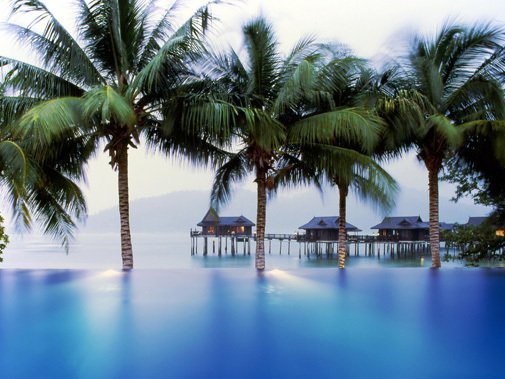
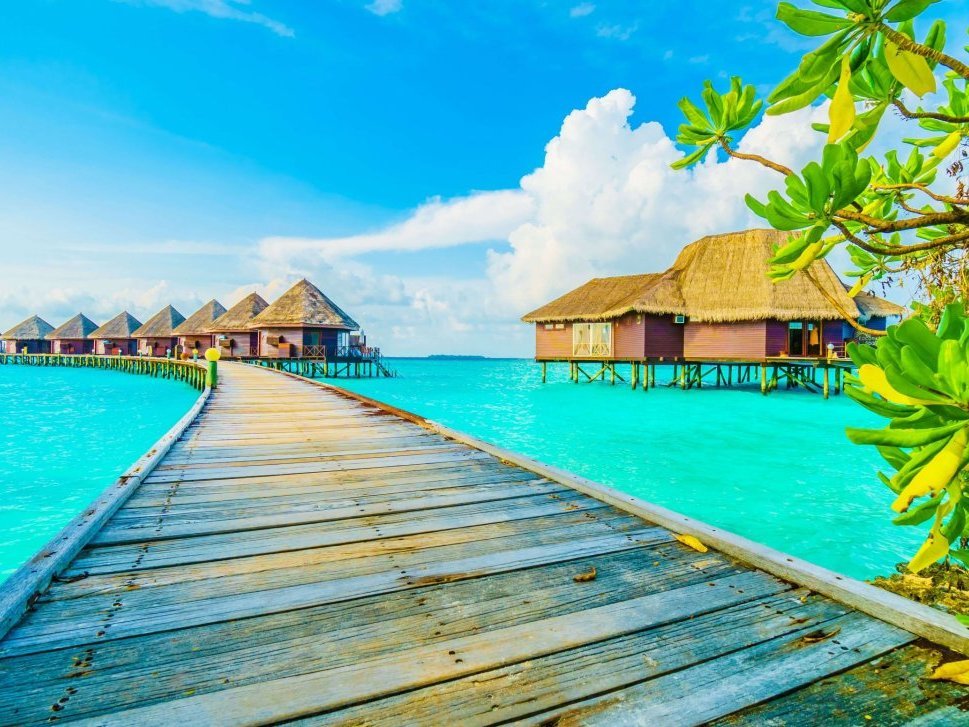
For more than five decades, the Maldives has been the epitome of luxury tourism. Its brand identity—pristine lagoons, secluded overwater villas, and “one island, one resort” exclusivity—has positioned it as one of the most aspirational travel destinations on the planet. In 2023, the Maldives welcomed 1.9 million international tourists, surpassing its pre-pandemic peak of 1.7 million in 2019 (Maldives Ministry of Tourism, 2024). Tourism now contributes over 28% of GDP and 60% of foreign exchange earnings, underscoring its critical role in the national economy.
Yet beneath the glamour lies a strategic vulnerability. The Maldivian tourism product is heavily concentrated in the luxury resort model. Approximately 85% of bed capacity is controlled by international and regional resort chains, most of which target the upper-income market. This has created a form of over-dependence on a single tourism archetype—a dangerous position in an era marked by economic shocks, climate change, and shifting traveler preferences.
The key question, then, is this: Can the Maldives break free from its overwater villa dependency and chart a new growth trajectory?
This article proposes a Blue Ocean Strategy—a framework developed by W. Chan Kim and Renée Mauborgne—which encourages industries to move away from saturated, hyper-competitive “red oceans” into uncontested market spaces, or “blue oceans,” where demand is created rather than fought over.
By applying this lens, the Maldives can reposition itself beyond luxury resorts to unlock fresh demand pools in inter-island experiential tourism, faith-based premium travel, and frontier exploration experiences.
Why Blue Ocean Strategy Matters for the Maldives
- Market Saturation: There are now 170+ resorts across the Maldives, many offering strikingly similar products. Differentiation is declining, and price competition risks eroding margins.
- Investor Concerns: Private equity and institutional investors increasingly question long-term ROI when the product mix is homogeneous.
- Climate Risks: With rising sea levels and coral bleaching, sustainability is no longer optional. Tourism diversification is a hedge against climate-induced economic shocks.
- Traveler Evolution: According to Skift’s 2024 Megatrends Report, 70% of global travelers under 40 now seek experiences tied to culture, authenticity, and sustainability—not just sun and sand.
Blue Ocean Opportunity 1: Inter-Island Experiential Trails
Concept
Instead of restricting visitors to resort enclaves, the Maldives could create multi-island experiential circuits—blending cultural immersion, traditional crafts, local cuisine, and marine conservation into curated journeys.
Why It Works
- Diversifies tourism flows beyond resort zones.
- Empowers local island economies.
- Appeals to the rising “experience economy” market.
Case Studies
- Sri Lanka’s Cultural Triangle: Multi-destination packages connecting Anuradhapura, Polonnaruwa, and Sigiriya boosted average length-of-stay from 7.5 to 11 days (SLTDA, 2023).
- Japan’s Shimanami Kaido Cycling Route: Transformed sleepy islands into a global cycling hotspot, attracting 250,000+ cyclists annually.
- Zanzibar’s Spice Tours: A simple value-add that now engages over 35% of visitors.
Application to Maldives
- Gastronomy Trails: A “Maldivian Flavors Route” across islands like Fuvahmulah, Addu, and Baa, featuring tuna-based dishes, coconut-inspired sweets, and traditional cooking.
- Artisan Villages: Protected hubs for lacquerware, mat weaving, and boat-building, with strict IP protections for craftspeople.
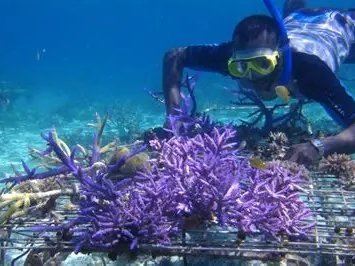
- Marine-Conservation Stops: Partnerships with NGOs where tourists participate in coral planting or sea turtle rehabilitation.
Estimated Potential: If just 15% of arrivals engaged in inter-island trails at an extra spend of USD 800 per trip, the Maldives could generate USD 228 million annually.
Blue Ocean Opportunity 2: Faith-Based Premium Tourism
Concept
Develop a high-value Halal luxury tourism segment, leveraging Maldives’ Islamic heritage while catering to the rapidly growing Muslim travel market, projected to reach USD 225 billion by 2028 (CrescentRating, 2023).
Unique Offerings
- Overwater Mosques: Architecturally iconic prayer spaces blending spirituality and seascape.
- Shariah-Compliant Luxury Resorts: Alcohol-free zones with halal-certified gourmet dining, private family villas, and women-only spa facilities.
- Ramadan & Eid Retreats: Curated programs for wealthy Middle Eastern and Southeast Asian families.
Case Studies
- Malaysia’s Halal Tourism Drive: Achieved USD 5.3 billion receipts in 2019 by offering Shariah-compliant packages.
- Dubai’s Luxury Halal Resorts: Properties like Al Jawhara have shown demand for “ultra-premium halal” experiences.
Application to Maldives
By dedicating even 10% of its resort capacity to faith-based premium tourism, Maldives could attract an additional 200,000 high-spend travelers annually, especially from Saudi Arabia, UAE, and Indonesia.
Blue Ocean Opportunity 3: Frontier Tourism
Concept
Position the Maldives as a hub for deep-sea exploration, nautical archaeology, and oceanic frontiers—an experience very few global destinations can claim.
Why It Works
- Taps into the “explorer” mindset of affluent adventure tourists.
- Aligns with Maldives’ marine identity while extending beyond snorkeling and diving.
Potential Niches
- Submersible Experiences: Private submarine tours exploring 1,000m depths, modeled on Seychelles’ “Nekton Deep Ocean Expeditions.”
- Nautical Archaeology: Shipwreck diving trails certified by UNESCO heritage frameworks.
- Marine Research Tourism: Citizen-science cruises where travelers co-participate in biodiversity documentation.
Case Studies
- Seychelles’ Deep Ocean Expeditions: Generated global media value of USD 30 million in under 3 years.
- Greek Shipwreck Trails: Boosted niche dive tourism by 27% in five years.
Application to Maldives
With over 200 documented wrecks and unique pelagic ecosystems, frontier tourism could become a USD 500 million segment by 2035.
Overcoming Challenges
- Infrastructure: Requires inter-island transport reforms and regulatory agility.
- Cultural Sensitivity: Local participation must be prioritized, ensuring dignity and non-exploitation.
- Climate Action: Every diversification stream should be tied to carbon-neutrality and coral reef regeneration.
- Investment Models: Public-private partnerships (PPPs) can finance innovation while ensuring community benefit.
Conclusion: From Fragile Paradise to Resilient Future
The Maldives’ allure will always rest on its turquoise waters and secluded sands. But the overwater villa alone cannot safeguard its future. By embracing Blue Ocean Strategy, the nation can reposition itself as:
- A cultural mosaic of island experiences.
- A premium halal hub for faith-based travelers.
- A frontier laboratory for oceanic exploration.
This transformation not only secures economic resilience but also strengthens the Maldives’ global leadership as a sustainable, innovative tourism brand.
The time to act is now—before paradise risks becoming a prisoner of its own success.
✍ Author’s Note
This article is written in good faith to contribute to public discussion on the future of Maldivian tourism. The ideas presented here draw on publicly available data from national and international sources—including the Maldives Ministry of Tourism, Maldives Monetary Authority, UNWTO, and leading conservation agencies—as well as my professional experience across Sri Lanka, Maldives, Zanzibar, Rwanda, UAE, and Saudi Arabia.
The perspectives expressed are analytical and personal, not prescriptive. They do not represent legal, financial, or investment advice, nor are they tied to any institutional or governmental position.
In developing this blueprint, I have sought to respect Maldivian law and policy frameworks, including the Tourism Act No. 2/99 and its amendments, the Employment Act No. 2/2008, and the Environmental Protection and Preservation Act No. 4/93, while also aligning with international sustainability standards such as the Paris Climate Agreement. Care has been taken to ensure full compliance with intellectual property rights, cultural heritage protections, non-discrimination principles, and ethical data practices.
The intention of this article is solely to stimulate dialogue, broaden imagination, and invite stakeholders to re-think the future of Maldives as a resilient, innovative tourism hub.
✍ Authored independently and organically through lived professional expertise—not AI-generated.
Further Reading: https://www.linkedin.com/newsletters/outside-of-education-7046073343568977920/
Additional Reading: https://gray-magpie-132137.hostingersite.com/underwater-eco-accommodation/