Are We a Nation of Steps… or a Nation That Steps Up?
Rethinking Accessibility, Dignity, and the Future of Elderly Care Tourism in Sri Lanka
Introduction: A Question We’ve Avoided for Too Long
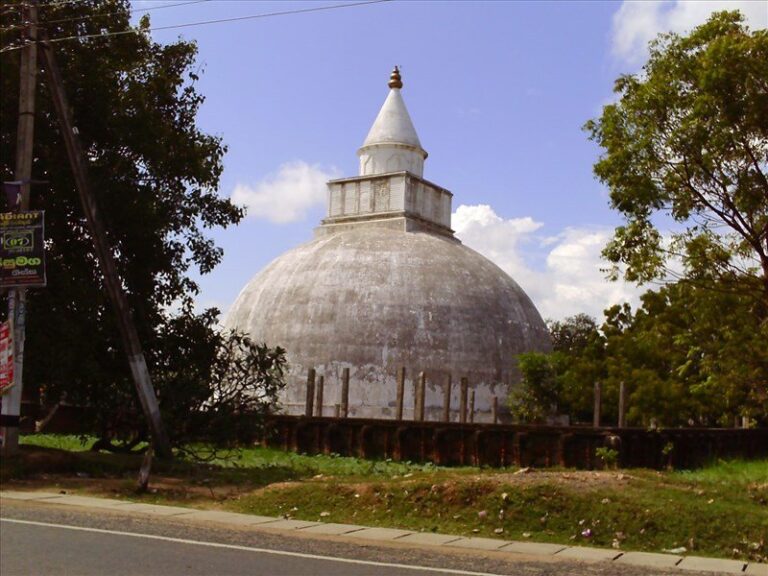
Walk into any sacred site in Sri Lanka — whether it is the revered Temple of the Sacred Tooth Relic, a historic Catholic landmark like St. Anthony’s Shrine, or a rural kovil — and one thing becomes immediately clear:
Steps. Everywhere.
Steps to enter.
Steps to pray.
Steps to belong.
Now walk into a hotel. Or a government office. Or even a modern apartment complex.
The story repeats.
So I ask, not as a critic, but as someone deeply invested in our nation’s future:
Are we a nation of steps — or a nation that truly understands people?
Because if we are honest, the answer is uncomfortable.
The Invisible Majority: Who Are We Designing For?
Sri Lanka is ageing — quietly but rapidly.
- As of 2025, over 13% of Sri Lanka’s population is above 60 years old
- By 2041, this is projected to exceed 20%
- Globally, there are over 1.3 billion people living with some form of disability
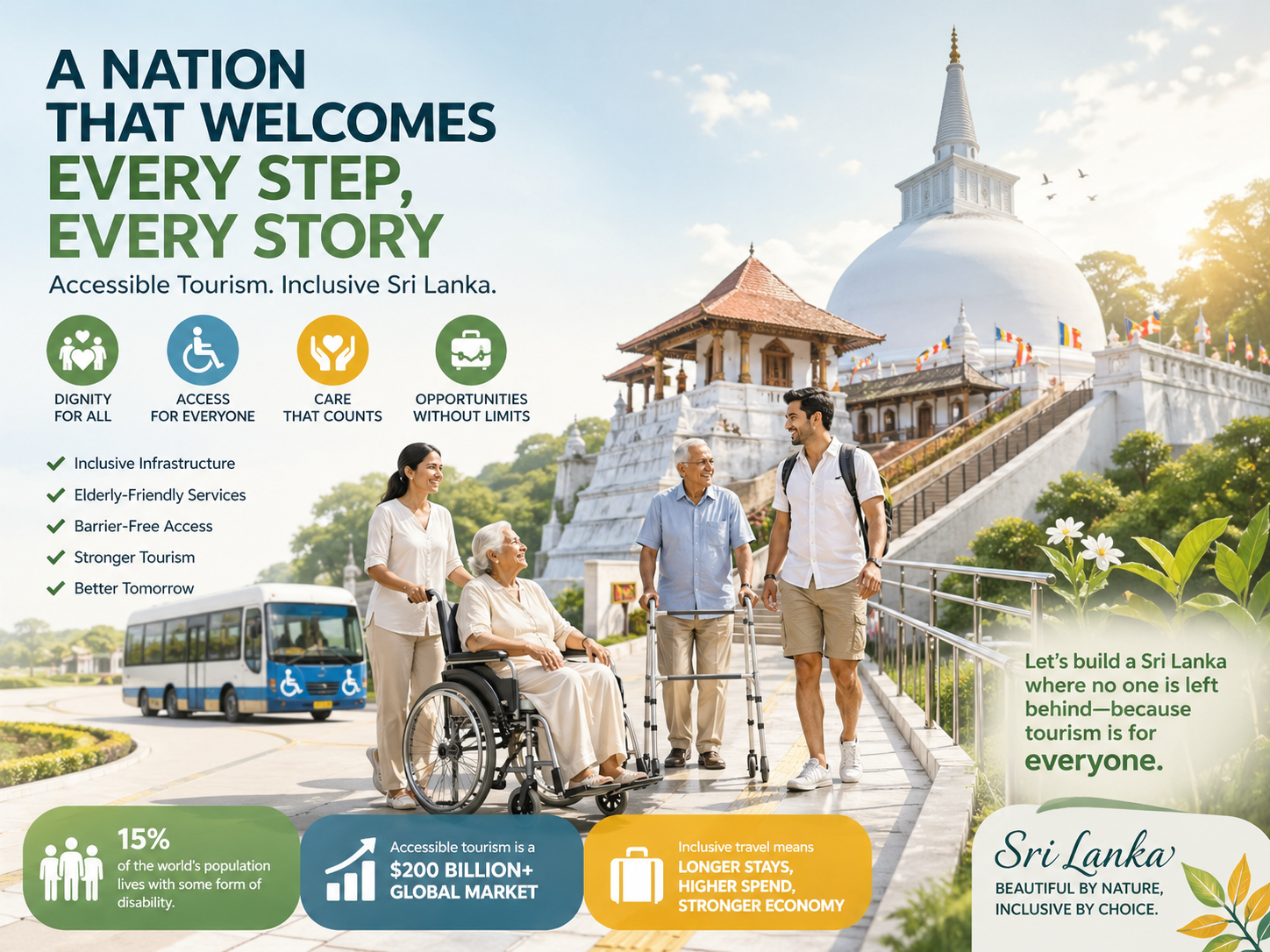
- In tourism, accessible travel accounts for nearly 15% of global demand
Yet, in our infrastructure planning, these numbers seem invisible.
We build for:
- The young
- The able-bodied
- The temporary visitor
But we ignore:
- The elderly parent
- The injured traveler
- The wheelchair user
- The pilgrim with limited mobility
And ironically, we ignore our own future selves
A Personal Reflection: When Even We Struggle
Let me be blunt — and human.
Even at 50, there are moments when I pause before climbing a steep staircase. And yes, even more so after a long day — or a social evening.
That hesitation… that slight imbalance… that awareness of risk…
Now imagine:
- An 80-year-old pilgrim
- A stroke survivor
- A traveler using a walker
For them, it’s not hesitation.
It’s exclusion.
Cultural Legacy vs. Modern Responsibility
Sri Lanka’s architecture has deep cultural roots:
- Elevated temples symbolizing spiritual ascent
- Stone staircases reflecting ancient craftsmanship
- Layered entry points representing purification
These are not mistakes. They are heritage.
But heritage should not become a barrier.
Countries like:
- Japan
- Italy
- Thailand
have demonstrated that preservation and accessibility can coexist
The real issue is not our past.
It is our unwillingness to evolve.
Global Opportunity: The Rise of Accessible Tourism
Let’s shift perspective — from problem to opportunity.
Accessible tourism is no longer a niche.
It is a multi-billion-dollar global industry.
Key insights:
- The global accessible tourism market exceeds USD 200 billion annually
- Travelers with disabilities typically travel with 2–3 companions
- Their average stay is longer than standard tourists
- Their spending per trip is 20–30% higher
Now consider Sri Lanka:
- Strong spiritual tourism appeal
- Growing wellness tourism sector
- Rich cultural and heritage assets
We are sitting on a goldmine.
Yet we are not even in the conversation.
Case Studies: What the World Is Doing Right
1. Thailand – Inclusive Hospitality Transformation
Thailand conducted structured research on accessibility in hospitality.
- Over 60% of major hotels now offer accessible rooms
- Public transport integrates ramps and priority access
- Tourism campaigns actively target elderly travelers
Result: Thailand is now a leader in elderly care tourism in Asia
2. Japan – Ageing Society as an Opportunity
- Over 28% of the population is elderly
- Cities designed with universal access principles
- Tourist sites include lifts, ramps, tactile paths
Result: Seamless travel for all age groups
3. Singapore – Infrastructure Excellence
- 100% accessibility in MRT stations
- Barrier-free public buildings
- Smart urban planning
Result: One of the world’s most inclusive urban destinations
4. Spain – Accessible Beaches
- Wheelchair-accessible beach pathways
- Assisted swimming programs
- Inclusive tourism policies
Result: Expanded tourism demographic
5. Australia – Legal Framework Enforcement
- Strict disability access laws
- Heavy penalties for non-compliance
- Incentives for accessible design
Result: Consistent national standards
6. United Kingdom – Heritage Adaptation
- Historic sites retrofitted with lifts and ramps
- Virtual accessibility for restricted areas
Result: Preservation without exclusion
7. Dubai – Future-Ready Accessibility
- Smart city initiatives for disabled travelers
- Universal design integrated into tourism
Result: Positioning as a global inclusive destination
Sri Lanka: Where Are We Falling Behind?
Let’s be honest.
Our gaps are not due to lack of intelligence or capability.
They are due to:
- Lack of policy enforcement
- Minimal awareness among developers
- Short-term thinking in tourism investments
- Absence of accessibility audits
Even newly built:
- Hotels
- Apartments
- Religious spaces
often fail basic accessibility checks.
This is not just a design flaw.
It is a systemic oversight.
The Business Case: Why Accessibility Makes Financial Sense
Accessibility is not charity.
It is strategy.
Consider this:
- Elderly tourists prefer longer stays
- They seek wellness, culture, and spirituality
- They travel year-round (reducing seasonality)
- They bring family members
A single accessible room:
- Can generate 30–40% more annual revenue
- Has higher occupancy stability
- Enhances brand reputation
For Sri Lanka, this could mean:
- Diversifying tourism income
- Reducing dependence on seasonal markets
- Strengthening resilience during global shocks
Design Thinking: From Steps to Solutions
The solution is not complicated.
It is intentional.
Key interventions:
1. Universal Design Standards
- Ramps alongside stairs
- Elevators in multi-level buildings
- Wider doorways
- Non-slip surfaces
2. Religious Site Accessibility
- Alternative entry paths
- Shuttle services for elderly pilgrims
- Handrails and rest zones
3. Hospitality Sector Reform
- Mandatory accessible rooms
- Staff training for special needs guests
- Inclusive service protocols
4. Public Infrastructure
- Accessible sidewalks
- Transport upgrades
- Clear signage
Policy Recommendations for Sri Lanka
To move forward, we need alignment between:
Government
- Enforce accessibility laws
- Introduce tax incentives
- Launch national awareness campaigns
Private Sector
- Integrate accessibility into design stage
- Conduct accessibility audits
- Market to elderly tourists
Tourism Authorities
- Develop “Accessible Sri Lanka” certification
- Promote globally
- Collaborate with healthcare and wellness sectors
A New Vision: Elderly Care Tourism in Sri Lanka
Imagine this:
A European retiree arrives in Sri Lanka.
- Lands in a wheelchair-accessible airport
- Travels in a comfortable, assisted transport
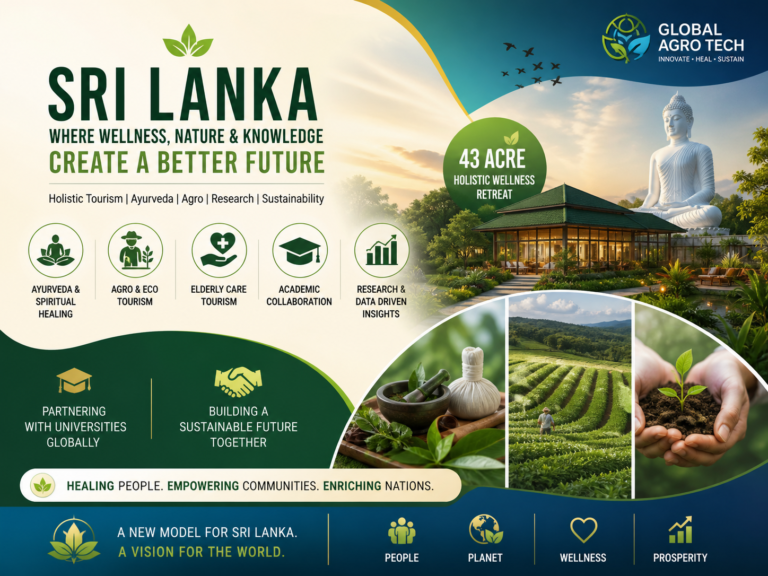
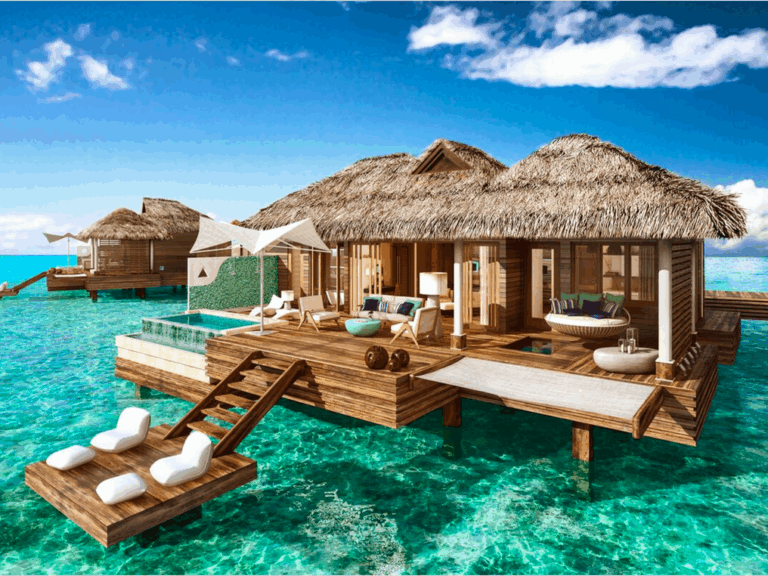
- Checks into a senior-friendly wellness resort
- Visits sacred sites without physical strain
- Experiences Ayurveda treatments
- Enjoys cultural immersion without barriers
This is not fantasy.
This is strategy.
The Ethical Dimension: Beyond Business
At its core, this is not about tourism.
It is about dignity.
A society is measured not by:
- Its tallest buildings
- Its GDP growth
- Its luxury hotels
But by:
How it treats its most vulnerable
If an elderly person cannot enter a place of worship…
If a disabled traveler feels unwelcome…
Then we have failed — not economically, but morally.
Conclusion: From Awareness to Action
Sri Lanka stands at a crossroads.
We can continue building:
- More steps
- More barriers
- More exclusion
Or we can choose to:
Step up
To design with empathy
To build with foresight
To lead with inclusivity
Because one day — sooner than we think —
We will all need the ramp.
Disclaimer
This article has been authored and published in good faith by Dr. Dharshana Weerakoon, DBA (USA), based on publicly available national and international tourism insights, demographic trends, industry observations, and extensive professional experience across global tourism and hospitality sectors. It is intended solely for educational, analytical, and public awareness purposes to encourage dialogue on inclusive and sustainable tourism development in Sri Lanka.
The views expressed are entirely personal and do not constitute legal, financial, engineering, or policy advice. While every effort has been made to ensure accuracy and relevance, the author accepts no responsibility for any misinterpretation, adaptation, or application of the ideas presented.
This article advocates for inclusive development aligned with Sri Lankan legal frameworks, including principles of non-discrimination, accessibility, and ethical infrastructure planning, while respecting cultural heritage preservation. It is independently conceptualized and written based on lived expertise and professional insight.
Further Reading: https://www.linkedin.com/newsletters/outside-of-education-7046073343568977920/
Further Reading: https://dharshanaweerakoon.com/elderly-care-tourism-2/