From Pilgrimage to Global Movement: Can Sri Lanka Elevate a Buddhist Peace March into a World-Class Tourism Offering?
Introduction: A Timely Opportunity Sri Lanka Cannot Ignore
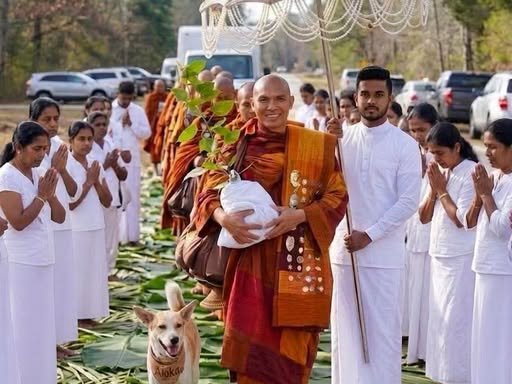
Between 21st and 28th April 2026, Sri Lanka is witnessing a Buddhist pilgrimage and peace march—an event rooted in spirituality, discipline, and centuries-old tradition. On the surface, it may appear as another religious observance. However, from a strategic tourism perspective, it represents something far more significant.
It presents a rare opportunity to rethink how Sri Lanka positions itself globally.
The world is changing. Travel is changing. And more importantly, travellers themselves are changing. Increasingly, people are not travelling just to see places—they are travelling to feel, reflect, and transform.
In that context, the question is not whether such an initiative is meaningful.
The question is whether Sri Lanka has the foresight to develop it into a structured, ethical, and globally appealing tourism experience.
Understanding the Shift: Tourism Is No Longer About Destinations Alone
Over the last decade, the global tourism industry has moved beyond traditional leisure. Beach holidays and city tours are no longer sufficient for a large segment of travellers.
Today’s high-value traveller is seeking:
- Purpose-driven experiences
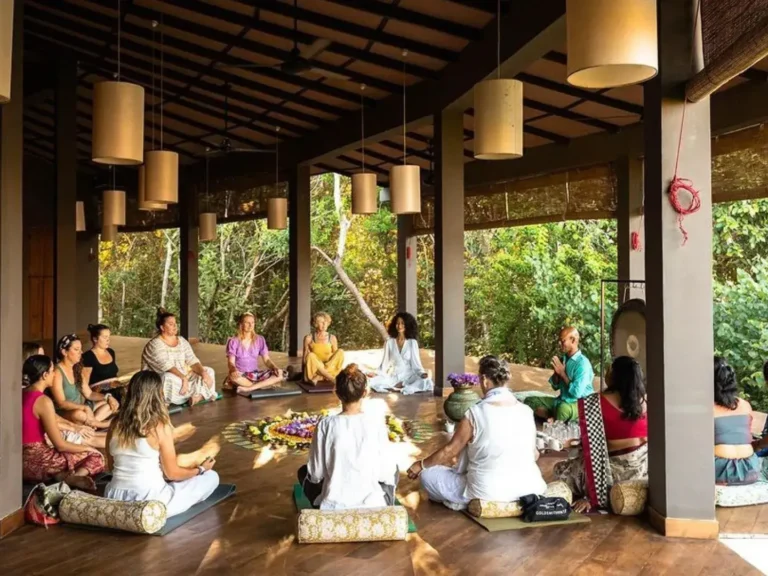
- Mental and emotional well-being
- Cultural authenticity
- Personal transformation
The global wellness tourism economy, now valued at over USD 800 billion, continues to grow at a steady pace. Within this segment, spiritual tourism has emerged as one of the most resilient and fastest-growing niches.
Post-pandemic data indicates:
- A 30% rise in demand for mindfulness and retreat-based travel
- A significant increase in solo travellers seeking inner reflection journeys
- Growing interest in Eastern philosophies, meditation, and spiritual heritage
Sri Lanka, by default, already possesses all the foundational elements required to lead in this space.
Yet, we have not fully capitalized on it.
The Buddhist Peace March: More Than a Religious Event
A Buddhist pilgrimage and peace march is not merely a procession. At its core, it is a living expression of philosophy in motion.
It represents:
- Discipline through walking
- Mindfulness through silence
- Compassion through collective intention
- Reflection through spiritual engagement
For a global audience unfamiliar with such traditions, this becomes a deeply immersive experience—something far more meaningful than conventional tourism activities.
However, without proper structure and positioning, its impact remains limited to local or regional significance.
Sri Lanka’s Current Tourism Model: Strengths and Limitations
Sri Lanka has long relied on a mix of:
- Coastal tourism
- Cultural heritage sites
- Wildlife and nature
While these assets remain valuable, they are no longer unique in a highly competitive global market.
Key tourism indicators highlight both progress and limitations:
- Tourist arrivals have crossed 1.5 million annually in recent recovery phases
- Revenue has reached approximately USD 2 billion
- Average stay remains around 10–12 days
Yet, a critical gap exists:
Sri Lanka is still perceived primarily as a destination, not as a transformational experience.
This is where initiatives like a structured Peace March can redefine positioning.
Why This Concept Has Global Tourism Potential
1. Authenticity That Cannot Be Replicated
Sri Lanka’s Buddhist heritage is not staged—it is lived.
This authenticity is impossible to duplicate elsewhere.
2. Minimal Capital Investment
Unlike large-scale infrastructure projects, this model relies on:
- Existing temple networks
- Natural landscapes
- Human capital (monastic leadership and trained facilitators)
3. High Emotional and Psychological Value
Experiences that engage the mind and emotions:
- Increase visitor satisfaction
- Encourage repeat travel
- Generate organic global visibility
4. Alignment with Sustainable Tourism Principles
A well-managed Peace March aligns naturally with:
- Low environmental impact
- Cultural preservation
- Community participation
Global Case Studies: What the World Has Already Proven
Camino de Santiago – Spain
What began as a religious pilgrimage has become one of the world’s most recognized walking routes, attracting hundreds of thousands annually.
Insight: Structure and storytelling can transform a simple journey into a global phenomenon.
Shikoku Pilgrimage – Japan
A network of 88 temples connected through a spiritual walking route, maintained with strong cultural integrity.
Insight: Preservation must come before commercialization.
Vipassana Meditation Movement – Global
Operating across multiple countries with minimal promotion, yet consistently attracting global participants.
Insight: Authenticity drives demand more effectively than marketing.
Bhutan’s Tourism Model
A carefully controlled tourism strategy focused on value rather than volume.
Insight: Exclusivity enhances perceived worth.
India’s Buddhist Circuit
A structured network of sacred sites attracting international pilgrims.
Insight: Government support is critical for scale.
Thailand’s Meditation Tourism
Well-packaged, accessible, and integrated into mainstream tourism offerings.
Insight: Presentation matters as much as content.
Nepal’s Spiritual Trekking
Combining nature with mindfulness journeys.
Insight: Landscape and spirituality together create powerful experiences.
Designing a Sri Lankan Model: A Strategic Approach
To succeed, Sri Lanka must avoid ad-hoc implementation. Instead, a phased and structured model is essential.
Route Development
Potential corridors include:
- Anuradhapura to Mihintale
- Kandy to central highlands
- Southern spiritual routes linked to Kataragama
Participation Framework
- Voluntary involvement of monks
- Cultural orientation for visitors
- Language and interpretation support
Experience Design
- Guided walking segments
- Meditation sessions
- Historical narration
- Periods of silence and reflection
Target Market Segments
- Wellness travellers
- Corporate leadership retreats
- High-net-worth experiential tourists
- Spiritual seekers
Economic Impact: A Realistic Projection
If implemented correctly:
Short Term
- 50,000+ niche travellers annually
- USD 50–100 million in additional revenue
Medium Term
- Increase in average tourist spending by 20%
- Stronger positioning in global wellness tourism
Long Term
- Establish Sri Lanka as a global spiritual destination
- Diversify tourism revenue streams
Risks That Must Be Managed Carefully
No strategy is without risk.
Over-Commercialization
Turning sacred traditions into commercial products can damage credibility.
Cultural Sensitivity
Misrepresentation of Buddhist practices could lead to backlash.
Religious Balance
Sri Lanka’s diversity must be respected at all times.
Environmental Pressure
Poorly managed foot traffic can harm natural ecosystems.
Safeguards for Responsible Implementation
To ensure long-term success:
- Establish a national advisory body
- Introduce ethical tourism guidelines
- Limit group sizes
- Ensure local community benefits
- Maintain strict cultural respect protocols
Positioning Sri Lanka Globally
The narrative must shift from:
“Visit Sri Lanka”
to
“Experience transformation in Sri Lanka”
A potential positioning statement:
“A journey not just across land—but within oneself.”
Marketing must remain subtle, authentic, and experience-driven rather than promotional.
Beyond Tourism: A National Identity Opportunity
This initiative is larger than tourism.
It has the potential to:
- Strengthen Sri Lanka’s global image
- Promote peace and mindfulness
- Create rural economic opportunities
- Preserve intangible cultural heritage
In a fragmented world, Sri Lanka can present itself as a place of calm, clarity, and compassion.
Conclusion: A Strategic Choice Ahead
The Buddhist pilgrimage and peace march taking place from 21st to 28th April 2026 is more than an event—it is a signal.
A signal that Sri Lanka already possesses what the world is searching for.
The challenge now is not creation, but curation.
Not expansion, but positioning.
If approached with care, respect, and strategic clarity, this concept could evolve into:
One of Sri Lanka’s most defining tourism innovations of the next decade
Disclaimer
This article has been authored and published in good faith by Dr. Dharshana Weerakoon, DBA (USA), based on publicly accessible tourism data, global industry observations, and extensive professional experience across international markets.
It is intended solely for educational, analytical, and discussion purposes, focusing on sustainable and culturally responsible tourism development in Sri Lanka. The perspectives presented are personal, strategic insights and do not constitute legal, financial, religious, or investment advice.
All concepts discussed—including the potential development of a Buddhist pilgrimage and peace march as a tourism model—are proposed with full respect for Sri Lanka’s cultural values, religious sensitivities, and legal frameworks. Any practical implementation should involve appropriate stakeholder consultation, regulatory compliance, and ethical oversight.
The author assumes no responsibility for any interpretation or application of the content beyond its intended purpose.
✍ Authored independently through professional expertise, lived experience, and original analysis.
Further Reading: https://www.linkedin.com/newsletters/outside-of-education-7046073343568977920/
Further Reading: https://dharshanaweerakoon.com/elderly-care-tourism-2/