The Multi-Generational Travel Lab: Reimagining Family Tourism Through Co-Learning, Co-Creation, and Shared Purpose
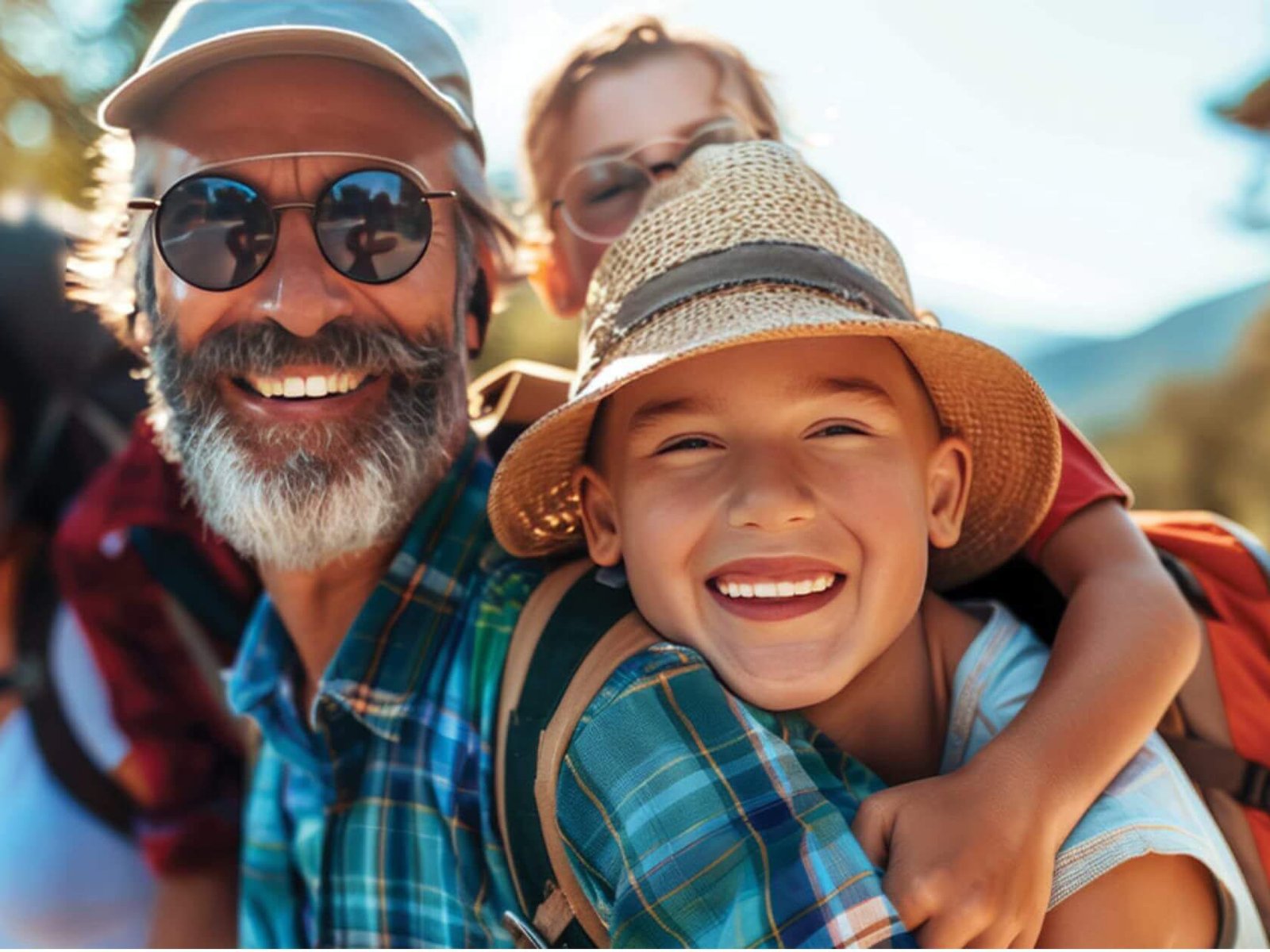
Why the future of high-value tourism belongs to families who learn, build, and create together
Introduction: From Passive Holidays to Purposeful Family Journeys
For decades, family tourism has followed a predictable formula. Parents relax. Children are entertained. Grandparents observe quietly. The hotel provides activities, the destination provides scenery, and the family returns home with photographs—but little shared transformation.
That model is rapidly losing relevance.
Across global tourism markets, particularly among high-net-worth and upper-middle-income families, a profound shift is underway. Families are no longer satisfied with passive consumption of destinations. They want participation, learning, and co-creation. They want experiences where generations collaborate—not just coexist.
This emerging demand gives rise to a powerful new tourism concept:
The Multi-Generational Travel Lab — curated, skill-based travel programs where families co-learn, co-build, and co-create tangible outcomes together:
building robots, coding games, restoring ecosystems, planting forests, designing community solutions, or crafting digital and physical legacies.
For Sri Lanka, a country seeking to reposition its tourism economy toward high-value, low-volume, knowledge-driven travel, this concept is not merely innovative—it is strategic.
Why Multi-Generational Travel Is the Fastest-Growing Premium Segment
Globally, multi-generational travel is no longer niche.
Industry data from international tourism monitors indicates:
- Over 58% of global leisure travellers now travel with at least two generations
- Family-led group travel spending is growing at 6–8% annually, outpacing solo and couple travel
- High-income families spend 28–35% more per trip when experiences include education, legacy-building, or skill acquisition
- Grandparents now fund or co-fund over 40% of long-haul family travel in Asia-Pacific markets
In Asia alone, three-generation travel is projected to represent nearly USD 80 billion in annual tourism expenditure by the end of this decade.
Yet, despite this growth, most destinations—including Sri Lanka—still design family tourism around segmentation, not integration.
From “Bridging Generations” to “Building Together”
Traditional wellness and heritage tourism often focus on healing generational gaps. While important, this approach remains largely therapeutic and observational.
The Multi-Generational Travel Lab advances the idea further—toward active collaboration.
Instead of:
- elders teaching passively,
- parents managing logistics,
- children being entertained,
all generations become contributors, learners, and creators.
This transforms travel from:
- memory collection → capability building
- entertainment → intergenerational teamwork
- holiday → shared project
What Is a Multi-Generational Travel Lab?
A Multi-Generational Travel Lab is a curated tourism environment—often hosted in resorts, eco-lodges, heritage zones, or rural innovation hubs—where families work together on structured, outcome-driven challenges.
Key characteristics include:
- Age-inclusive design (from children aged 7+ to seniors 70+)
- Skill-based learning modules (technology, ecology, craftsmanship, storytelling)
- Facilitators instead of entertainers
- Real-world outputs rather than symbolic activities
- Cultural and environmental grounding within the destination
Sri Lanka’s compact geography, biodiversity density, and living knowledge systems make it uniquely suited to host such Labs.
Why Sri Lanka Is a Natural Host for the Multi-Generational Travel Lab
Sri Lanka offers a rare convergence of assets:
- One of the world’s highest biodiversity densities per square kilometre
- Ancient knowledge systems in agriculture, wellness, and sustainability
- Strong STEM education culture relative to regional peers
- Accessible rural landscapes within short travel distances
- A post-crisis tourism reset, allowing fresh positioning
More importantly, Sri Lanka possesses something increasingly scarce in global tourism: intergenerational continuity—living traditions passed from grandparents to grandchildren.
Case Study 1: The Forest-Building Family Lab (Central Highlands)
Families participate in a five-day reforestation and ecosystem restoration program.
Activities include:
- soil regeneration workshops,
- native species identification,
- drone-assisted mapping,
- planting and geo-tagging trees linked to family names.
Outcome:
Each family leaves behind a measurable carbon-positive legacy, while children and grandparents collaborate physically and intellectually.
Comparable global programs show:
- 42% higher satisfaction scores
- 35% higher repeat visitation intent
Case Study 2: Code Together – The Family Game Studio (Colombo / Kandy)
Parents, children, and grandparents jointly design a simple digital game inspired by Sri Lankan folklore or conservation themes.
Roles are distributed by capability:
- children design gameplay,
- parents manage logic,
- elders contribute storytelling.
Outcome:
Families publish a playable prototype within a week.
Such programs in East Asia record:
- 30–40% longer average stay
- Premium pricing tolerance up to 25%
Case Study 3: The Tea Science & Robotics Lab (Uva / Nuwara Eliya)
Families work inside an operating tea ecosystem:
- robotics-assisted harvesting simulations,
- climate data analysis,
- value-chain economics,
- ethical trade discussions.
Outcome:
Participants understand Sri Lanka’s most iconic export through hands-on systems thinking, not plantation tours.
Case Study 4: Build-a-Village Challenge (Dry Zone Communities)
Families collaborate with local youth to design:
- water-saving systems,
- solar micro-solutions,
- community play spaces.
Outcome:
Tourists become temporary co-developers, not observers.
Research shows such models:
- reduce cultural friction,
- increase local income retention by up to 60%.
Case Study 5: The Heritage Innovation Lab (Ancient Cities)
Families digitally reconstruct sections of ancient cities using:
- 3D scanning,
- VR modelling,
- oral history capture.
Outcome:
Cultural heritage becomes interactive and future-facing, appealing to digital-native generations.
Case Study 6: Family Wellness Biohacking Lab (Wellness Resorts)
Combines:
- Ayurvedic diagnostics,
- sleep science,
- nutrition timing,
- wearable data interpretation.
Outcome:
Families co-design lifestyle plans rather than consuming spa treatments passively.
Case Study 7: Ocean Guardians Lab (Southern Coast)
Families engage in:
- coral monitoring,
- microplastic mapping,
- marine robotics.
Outcome:
Children become citizen scientists; elders become mentors.
Economic and Strategic Impact for Sri Lanka
Adopting the Multi-Generational Travel Lab model could:
- Increase average family trip value by 30–45%
- Extend length of stay by 3–5 nights
- Reduce dependency on mass arrivals
- Strengthen Sri Lanka’s positioning as an intellectual tourism destination
Critically, this model:
- requires low physical infrastructure expansion
- prioritizes human capital and facilitation
- aligns with ethical tourism standards
Legal, Ethical, and Cultural Safeguards
All proposed Labs must operate within:
- Sri Lanka’s Intellectual Property Act (artisan rights protected)
- Non-discrimination and dignity principles under ICCPR
- Informed consent and data privacy standards
- Community co-ownership and fair compensation
The model explicitly avoids:
- cultural extraction,
- child exploitation,
- unpaid community labour,
- data misuse.
Why This Model Resonates with Today’s Families
Modern families face:
- digital fragmentation,
- generational disconnect,
- declining shared purpose.
The Multi-Generational Travel Lab offers something rare:
a reason to work together again.
Not as tourists.
Not as consumers.
But as collaborators.
Conclusion: From Destination Marketing to Family Legacy Building
The future of tourism does not belong to destinations that shout the loudest.
It belongs to destinations that invite families to build something meaningful together.
Sri Lanka can lead this shift—quietly, intelligently, and ethically—by becoming the world’s most trusted home for multi-generational learning travel.
Disclaimer
This article has been authored and published in good faith by Dr. Dharshana Weerakoon, DBA (USA), based on publicly available data from cited national and international sources (e.g., Sri Lanka Tourism Development Authority, Central Bank of Sri Lanka, international tourism monitors, conservation bodies), decades of professional experience across multiple continents, and ongoing industry insight. It is intended solely for educational, journalistic, and public awareness purposes to stimulate discussion on sustainable tourism models.
The author accepts no responsibility for any misinterpretation, adaptation, or misuse of the content. Views expressed are entirely personal and analytical, and do not constitute legal, financial, or investment advice. This article and the proposed model are designed to comply fully with Sri Lankan law, including the Intellectual Property Act No. 52 of 1979, the ICCPR Act No. 56 of 2007, and relevant data privacy and ethical standards.
✍ Authored independently and organically through lived professional expertise—not AI-generated.
Further Reading: https://www.linkedin.com/newsletters/7046073343568977920/
Further Reading: https://dharshanaweerakoon.com/circadian-cuisine/