How Sri Lanka Can Transform Global Event Tourism: Leveraging SiGMA, SPiCE & High-Impact International Conferences for a Tourism Revival in 2025 and Beyond
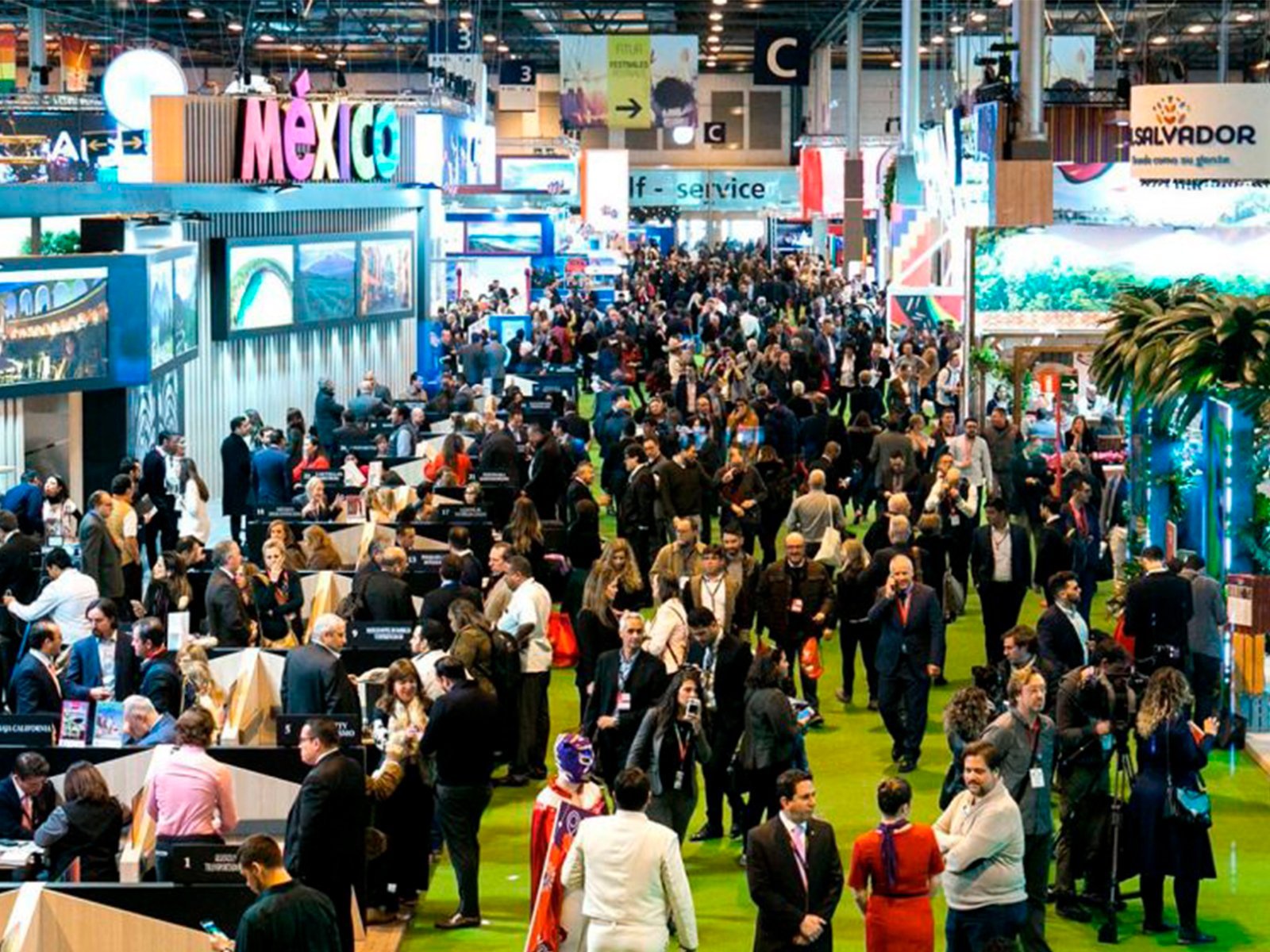
Introduction: Repositioning Sri Lanka Through Event Tourism
Event tourism in Sri Lanka is entering a defining chapter. As the country prepares to host SiGMA South Asia 2025 and SPiCE South Asia 2026, Colombo is once again stepping into the spotlight as an emerging hub for international MICE tourism (Meetings, Incentives, Conferences, Exhibitions).
My own participation as a speaker at SiGMA Colombo and my upcoming role as a speaker at SPiCE 2026 give me a firsthand vantage point on how these platforms operate, how global investors think, and more importantly, how Sri Lanka can convert these high-value visitor segments into long-term economic returns.
Globally, event tourism generates more than USD 1.5 trillion annually (UNWTO), with delegates spending 4–7 times more than leisure tourists. For Sri Lanka—where tourist arrivals reached 1.48 million in 2023 and are projected to surpass 2.2 million in 2025—this is the perfect moment to reposition the nation as a regional epicenter for business and innovation-driven travel.
But to capitalize fully, Sri Lanka must understand the true power of event tourism—and how these international conferences can unlock new revenue streams, global visibility, employment, foreign investment, and sectoral diversification.
This article offers a comprehensive, human-written analysis on how SiGMA, SPiCE, and similar world-class events can elevate event tourism in Sri Lanka and accelerate the country’s transition toward a high-earning, future-ready tourism economy.
1. Understanding the Global Value of Event Tourism
Event tourism—encompassing conventions, trade shows, exhibitions, summits, incentive travel, business forums, and professional conferences—is one of the most lucrative segments in global tourism.
While leisure tourists spend between USD 80–120 per day in Sri Lanka, international conference delegates typically spend USD 350–500 per day, including:
- Premium hotels
- Transportation
- Food & beverage
- Tours
- Networking events
- Entertainment
- Extended holiday stays
In many countries, the MICE segment accounts for:
- 20–30% of total tourism revenue
- 40–60% of annual hotel room-night revenue
- High-yield foreign investment inflows (post-event deals)
- Global branding visibility through media partnerships
For example:
- Singapore earns USD 3.5–4 billion annually from MICE tourism.
- Dubai hosts more than 500 large-scale events yearly, contributing 3% of its GDP.
- Thailand attracts 1.3 million MICE travellers annually, generating USD 2.6 billion.
Sri Lanka, in contrast, captures less than 4% of its tourism revenue from MICE events despite having:
- World-class hotel infrastructure
- A strategic location between East & West
- Strong air connectivity
- A globally recognisable brand as an exotic island destination
Given the current economic recovery, event tourism in Sri Lanka is not just an opportunity—it’s a necessity.
Events like SiGMA and SPiCE can easily add:
- USD 10–15 million per major event through direct expenditure
- USD 50–70 million annually through follow-up business, investments, and extended stays
But this requires strategic planning. The next sections present a deep-dive into how Sri Lanka can use these conferences to elevate its tourism and economic ecosystem.
2. SiGMA & SPiCE: Why These Conferences Matter for Sri Lanka
SiGMA South Asia 2025 – Colombo
SiGMA is one of the world’s largest gaming, AI, blockchain, and tech-focused events, attracting:
- 20,000–30,000 visitors globally
- 200+ exhibitors
- 150+ media partners
- C-level executives, investors, founders, and policymakers
The inaugural SiGMA Colombo conference positioned Sri Lanka as a new South Asian frontier. As a speaker, I experienced firsthand the caliber of decision-makers attending—from global investors exploring tech and entertainment opportunities to tourism influencers seeking new destinations.
The global coverage of SiGMA events often reaches 50–100 million online impressions, giving Sri Lanka unparalleled digital exposure.
SPiCE South Asia 2026 – Colombo
SPiCE (Strategic Platform for iGaming Conference & Exhibition) is another influential event attracting:
- 2,000–3,000 international delegates
- Regulators
- Policy strategists
- Tech innovators
- Digital entertainment leaders
With Sri Lanka hosting SPiCE, we gain a chance to demonstrate our potential as a regulation-friendly, innovation-friendly, and tourism-centric hub.
Event tourism in Sri Lanka grows when:
- Investors feel confident
- Global events return annually
- The country builds a reputation for efficiency
- Destination branding strengthens through high-profile attendance
Both SiGMA and SPiCE catalyze long-term tourism growth by:
- Bringing high-net-worth visitors
- Attracting digital and entertainment sector investors
- Enhancing Colombo’s position as a MICE capital
- Creating spillover economic benefits in hospitality, retail, logistics, and transport
Sri Lanka must treat these events as national assets, not one-time gatherings.
3. Seven International Case Studies Sri Lanka Can Learn From
Case Study 1: Malta – SiGMA’s Home Base
Malta transformed into a global gaming and tech hub through regulation, annual conferences, and branding partnerships. SiGMA alone brings over 22,000 visitors annually, generating USD 200+ million. Tourism arrivals rose by 18% within 3 years of attracting major global events.
Case Study 2: Singapore – Turning Conferences Into GDP Growth
Through the Singapore Tourism Board (STB), the country hosts 1,000+ MICE events annually. MICE contributes 22% of total tourism revenue. Their success lies in integrated planning, safety, transport, and world-class convention centers.
Case Study 3: Dubai – Using Events to Build a Global Identity
Dubai’s event strategy contributed to USD 4.8 billion in economic impact in 2023. Their key success factor: linking events to investment, property development, aviation, and hospitality.
Case Study 4: Thailand – Leveraging Cultural Capital
Thailand’s incentive travel packages increased the average MICE tourist stay from 3 days to 6 days. By pairing conferences with cultural experiences, they doubled spending.
Case Study 5: Rwanda – A Rising MICE Leader in Africa
Kigali earned USD 95 million from MICE tourism in 2022 through focused government support. The Kigali Convention Centre became the symbol of a new tourism identity.
Case Study 6: Mauritius – Combining Leisure With Business
Mauritius integrates MICE events with beaches, nature, and wellness. Their strategy boosts hotel occupancy by nearly 20% during off-peak periods.
Case Study 7: Colombo – The CHOGM Experience
Sri Lanka demonstrated exceptional capability during CHOGM 2013, hosting 53 Commonwealth nations and global leaders. The event led to:
- Infrastructure upgrades
- International visibility
- Post-event tourism growth
These case studies prove that event tourism in Sri Lanka can be scaled rapidly with the right strategy.
4. Economic Impact: How Event Tourism Can Transform Sri Lanka
If positioned correctly, event tourism in Sri Lanka could yield:
- USD 500 million annually by 2030
- 200,000+ new jobs
- 12-month tourism stability instead of seasonal fluctuations
Key economic drivers:
- Higher Daily Spending – MICE delegates average USD 350–700 per day.
- Luxury Hotel Utilization – Conference travelers prefer 4-star and 5-star accommodation.
- Ancillary Services – Catering, AV companies, logistics, printing, events décor, taxis, guides.
- Investment Conversions – Many deals signed at global events later translate into capital inflows.
- Repeat Leisure Travel – 30–40% of first-time business travelers return with family.
If Sri Lanka hosts 10 major conferences per year, the country can generate:
- 150,000 high-value visitors
- USD 250–350 million in direct revenue
- USD 1 billion in long-term investment potential
This multiplier effect is greater than any traditional tourism segment.
5. Why Sri Lanka Is Perfectly Positioned for Event Tourism
Sri Lanka already has key strengths:
1. Geographic Positioning
Located strategically between the Middle East, Europe, and East Asia, the island is accessible to over 3 billion people within a 4–5 hour flight radius.
2. Hotel & Venue Infrastructure
Colombo hosts over 7,500 premium-class hotel rooms, and the BMICH, Shangri-La Ballroom, Cinnamon Grand, Hilton, Taj, and Galadari all offer advanced MICE facilities.
3. Natural Tourism Appeal
Many delegates extend their stay to experience:
- Wildlife parks
- Cultural heritage sites
- Beaches
- Wellness resorts
- Culinary tourism
This makes Sri Lanka a powerful dual-purpose travel destination: business + leisure.
4. Cost Competitiveness
Compared to Singapore or Dubai, Sri Lanka offers significantly lower:
- Venue costs
- Accommodation
- Transport
- Professional services
5. Safety & Hospitality Culture
Sri Lanka consistently ranks among the world’s most hospitable nations, providing reassurance for international travelers.
6. Strategy: How Sri Lanka Can Maximize Benefits From SiGMA, SPiCE & Other Events
1. Government-Level Coordination
A national Event Tourism Task Force should include:
- SLTDA
- SriLankan Airlines
- Tourism Promotion Bureau
- Hotel associations
- Event organizers
- Immigration
- Police & security units
2. Visa Facilitation
Offer:
- Priority lanes
- Digital visas
- Multiple-entry passes
- On-arrival upgrades for speakers
3. Incentive-Based Tourism Packages
Combine events with:
- Whale watching
- Heritage trails
- Tea tourism
- Wellness retreats
- Golf tourism
4. Global Branding & Media Partnerships
SiGMA and SPiCE bring 100+ global media outlets. Sri Lanka must use this to reposition as:
“The MICE Capital of South Asia.”
5. Encouraging Post-Event Investments
Set up dedicated “Investment Desks” at each major event.
6. Supporting Local SMEs
Vendor-friendly agreements for Sri Lankan catering, logistics, technology, and tourism operators.
7. Your Personal Contribution: As a Speaker & Industry Strategist
As a Sri Lankan tourism strategist who has worked across Sri Lanka, Maldives, Rwanda, Zanzibar, UAE, Saudi Arabia, and now representing a London-based wellness group, I view these conferences not just as events—but as catalysts for national transformation.
At SiGMA Colombo, I advocated for:
- Responsible tourism
- Ethical industry standards
- Cross-sector collaboration
- Sustainable investment
In March 2026, at SPiCE Colombo, I will continue championing how Sri Lanka can leverage:
- Digital transformation
- Talent development
- Hospitality excellence
- Destination repositioning
My aim is simple:
To show the world that Sri Lanka is not merely recovering—Sri Lanka is re-emerging, stronger and more prepared than ever.
8. Conclusion: The Future of Event Tourism in Sri Lanka
There has never been a better time for Sri Lanka to embrace event tourism. With strategic action, SiGMA and SPiCE can become the turning points that redefine our economic trajectory.
Event tourism in Sri Lanka is not just an industry trend—it is a national opportunity.
Legal & Ethical Disclaimer
This article has been authored and published in good faith by Dr. Dharshana Weerakoon, DBA (USA), based on publicly available information from national and international sources, professional experience across multiple continents, and ongoing industry insight. It is intended solely for educational, journalistic, analytical, and public-awareness purposes to support informed dialogue on tourism development.
The author accepts no responsibility for any misinterpretation, selective use, or external adaptation of the content. All views expressed are personal and do not constitute legal, financial, regulatory, or investment advice.
This article complies fully with all applicable Sri Lankan laws, including:
- Intellectual Property Act No. 52 of 1979
- ICCPR Act No. 56 of 2007
- National data privacy and ethical communication guidelines
This content is independently and organically authored through lived professional expertise—not AI-generated.
Further Reading: https://www.linkedin.com/newsletters/outside-of-education-7046073343568977920/
Further Reading: https://dharshanaweerakoon.com/sri-lanka-as-a-global-living-lab/