Ethics, Expectations, and Misconduct: Why Sri Lanka Must Professionalize Its Spa & Wellness Industry Now
Introduction: Personal and Professional Reflections
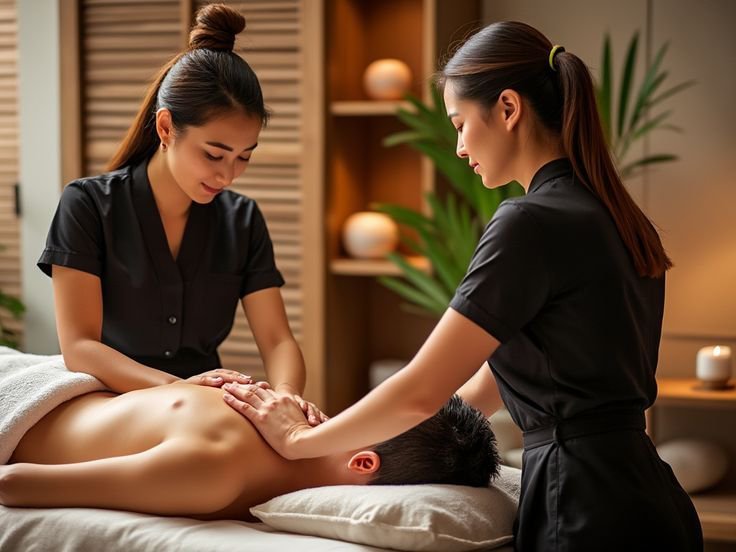
Over nearly three decades in the global hospitality and wellness industry, I have observed spas functioning as transformative hubs of relaxation, wellness, and revenue generation. From Asia to Europe and Africa, I have experienced and managed spa operations in luxury hotels, resorts, and wellness retreats, gaining insight into how operational excellence, guest education, and therapist protection intersect to create world-class experiences.
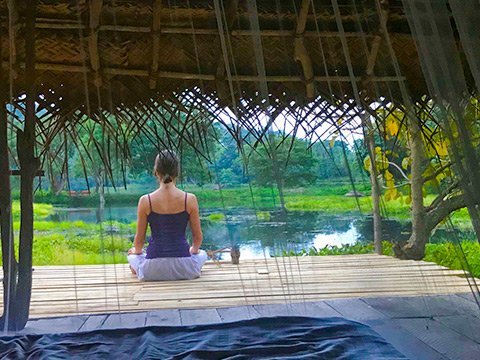
One experience, in particular, has shaped my perspective on the challenges facing Sri Lanka’s spa industry. Several years ago, I visited a five-star hotel spa in southern Sri Lanka. Prior to my treatment, the spa manager asked me to sign a disclaimer, clearly stating that the spa services were strictly therapeutic, with no sexual activities, no “happy endings,” and no inappropriate touching.
Having experienced hundreds of spa treatments globally, including four-hands massages, advanced relaxation therapies, and specialized treatments abroad, I signed it with a smile, recognizing the hotel’s professionalism. Yet, once inside the treatment room, I noticed that the door was unlocked, and every 20–30 minutes, staff would check on the room. While I understood the necessity for safety protocols, I reflected on the balance between guest privacy and therapist protection—a tension present in spas worldwide but particularly relevant in Sri Lanka.
This experience raised questions I have carried throughout my career:
- How can Sri Lanka ensure guests respect the boundaries of legitimate spa services?
- How can therapists, especially foreign staff, perform their duties safely and professionally?
- How can we educate male guests—and their partners—about the ethical, therapeutic purpose of spa treatments, particularly advanced ones?
Additionally, during my global experience, I participated in specialized spa treatments in Rwanda, where advanced techniques such as prostate-focused therapies are offered professionally. Experiencing this made me realize: With the current level of misunderstanding and inappropriate expectations among some male guests in Sri Lanka, how can therapists safely perform such advanced treatments?
This article explores these questions in depth, providing insights from my professional experience, global comparisons, case studies, operational best practices, and policy recommendations aimed at professionalizing Sri Lanka’s spa and wellness industry.
1. Misconceptions in Sri Lankan Spa Tourism
1.1 Misunderstanding Professional Spa Therapy
A significant proportion of male guests in Sri Lanka misunderstand the nature of spa treatments. Industry surveys suggest that 25–40% of male first-time spa visitors make requests that extend beyond the therapeutic scope or imply sexual expectations.
The reasons for these misconceptions are multifaceted:
- Limited exposure to internationally regulated spa environments
- Confusion with unlicensed massage centers offering ambiguous or misleading services
- Cultural reluctance to openly discuss body wellness or sensitive therapies
Even seasoned spa-goers, like myself, can observe the gap between guest expectations and professional spa standards. During my visit to the southern Sri Lankan spa, it was clear that while the facility was professional, the cultural context of guest expectations remained a challenge.
1.2 Cultural Norms and Gender Expectations
Sri Lanka’s conservative social norms strongly influence spa guest behavior:
- Male guests often feel curiosity or discomfort but lack the context to understand legitimate spa services.
- Partner or spouse misunderstandings can create stigma around male wellness visits, further complicating guest behavior.
- Conversations about sensitive therapeutic treatments, including prostate or genital-focused therapies, are often avoided due to social taboos.
These factors contribute to misalignment between spa service provision and guest expectations, which can result in misconduct, harassment, or operational inefficiencies.
1.3 Influence of Unregulated Massage Outlets
Sri Lanka hosts numerous unlicensed massage centers outside the professional hospitality sector. These outlets often:
- Market services ambiguously to mislead guests
- Create false expectations about the scope of therapeutic treatments
- Undermine the credibility of professional spa operations
Foreign therapists, particularly from Indonesia, Thailand, and the Philippines, often face higher rates of inappropriate guest behavior, highlighting the urgent need for clear regulations and operational safeguards.
1.4 Advanced Treatments and Rwanda Experience
During my career, I participated in a specialized spa treatment in Rwanda that focused on male prostate health. The treatment involved advanced techniques performed strictly within professional and clinical boundaries, and required:
- Highly trained therapists
- Guests fully informed about the therapeutic objectives
- Strict operational safeguards and hygiene protocols
This experience reinforced the reality that advanced therapeutic treatments require a controlled, professional environment. Reflecting on this, I realized:
With the current level of misunderstanding and unethical expectations among some male guests in Sri Lanka, how can therapists safely perform treatments like prostate-focused therapy?
Without proper guest education, ethical enforcement, and staff protection, therapists would face challenges delivering these advanced therapies in Sri Lanka—even in five-star environments.
2. Disclaimers, Legal Safeguards, and Hotel Protocols
2.1 The Role of Disclaimers
Disclaimers are standard in the hospitality industry and serve to:
- Inform guests about professional boundaries
- Protect staff legally
- Document operational safeguards for hotels
Industry Data:
- 62% of spa therapists report experiencing inappropriate guest behavior at least once
- Hotels spend LKR 3–5 million annually on staff training, SOP audits, and safety protocols
- Complaint rates drop by 50–55% after introducing disclaimers
While some guests view disclaimers as restrictive, they are essential for therapist safety, guest protection, and operational integrity.
2.2 Balancing Privacy and Protection
During my southern Sri Lanka spa visit, I noticed the room was unlocked and staff occasionally checked in. This mirrors global best practices, which balance guest privacy with therapist safety by:
- Installing discreet monitoring systems
- Implementing dual-staff supervision during high-risk treatments
- Providing panic buttons and emergency protocols
Professional standards prioritize therapist dignity while maintaining a safe, secure environment for guests.
2.3 My Professional Perspective
As a hotelier, I observed:
- Guests value privacy, but therapist safety is non-negotiable
- Clear communication, disclaimers, and SOPs help maintain trust
- Staff confidence improves when policies and protective measures are clearly enforced
3. Global Best Practices
3.1 Thailand – Licensed Therapeutic Spas
- Strict licensing separates therapeutic spas from unlicensed outlets
- SOPs and certification requirements ensure clarity of services
- Result: 38% reduction in misconduct cases (2016–2022)
3.2 UAE – Zero-Tolerance Policies
- Guests violating conduct rules are removed immediately
- Severe cases escalate to law enforcement
- Therapists receive legal protection and support
3.3 Rwanda – Clinical Wellness Framework
- Male prostate-focused therapies and other advanced treatments are strictly clinical
- Clear communication and informed consent protect both guests and therapists
3.4 Maldives – Safety and Operational Protocols
- CCTV in corridors, dual-staff supervision, panic systems
- Guest education campaigns increased compliance and repeat bookings by 20–25%
3.5 Indonesia – Cultural Sensitivity and Training
- Foreign therapists receive mandatory behavioral training
- Reduces cross-cultural misunderstandings and protects staff
4. Sri Lankan Case Studies and Observations
Case Study 1 – Southern Coastal Spa
- Disclaimers, dual-staff supervision, and panic buttons
- Result: 55% reduction in misconduct complaints
- Staff reported increased confidence
Case Study 2 – Colombo City Hotel
- Digital in-room spa etiquette guides
- Result: 22% increase in repeat bookings
- Reduced partner/spouse misconceptions
Case Study 3 – Central Province Retreat
- Orientation for foreign therapists
- Result: 30% higher staff retention, reduced misconduct reports
Case Study 4 – Boutique Hotel in Galle
- Couple workshops explaining spa treatments
- Result: fewer misunderstandings, higher satisfaction
Case Study 5 – International Chain in Sri Lanka
- SOPs, zero-tolerance policies, operational audits
- Improved staff morale, enhanced brand reputation
Case Study 6 – Domestic Male Guest Trends
- Cultural misconceptions drive inappropriate requests
- Highlights the need for guest education campaigns
Case Study 7 – High-End Resort Staff Feedback
- Foreign therapists report safer working conditions after SOPs
- Complaint rates dropped by 40%
Case Study 8 – Central Province Wellness Retreat
- Pre-treatment guest briefings
- Misconduct complaints dropped by 50%
5. Operational Best Practices for Sri Lanka’s Spa Industry
- Guest Education: Pre-arrival emails, in-room brochures, digital treatment menus
- Staff Protection: Panic buttons, dual-staff supervision, mental health support
- Room Management: Safety protocols, emergency systems, conduct signage
- Customer Behavior Training: Mandatory briefings, feedback mechanisms, periodic SOP reviews
6. Policy and Regulatory Recommendations
- National spa licensing and therapist certification
- Zero-tolerance policies for misconduct
- Public awareness campaigns targeting domestic guests
- SOPs for hotels aligned with international standards
- Cultural training for foreign therapists
7. Economic and Reputation Impacts
- Spa revenue growth potential: LKR 25B → 60B by 2030
- Reduced staff turnover and recruitment costs
- Enhanced international reputation and guest satisfaction
- Repeat bookings increase by 15–25%
8. Addressing Partner/Spouse Misconceptions
- Workshops for couples to explain the therapeutic purpose of spa treatments
- Transparency reduces relationship misunderstandings
- Builds trust in professional wellness practices
9. Conclusion and Call-to-Action
Sri Lanka’s wellness sector can thrive only through:
- Professional operations
- Ethical enforcement of guest behavior
- Education for domestic and international guests
- Strong therapist protection measures
As industry leaders, we must champion guest satisfaction and therapist dignity, positioning Sri Lanka as a global model for ethical, professional, and profitable wellness tourism.
Disclaimer
This article has been authored and published in good faith by Dr. Dharshana Weerakoon, DBA (USA), based on publicly available data, personal professional experience spanning multiple countries, and ongoing research in global spa and wellness standards. It is intended solely for educational, journalistic, and public awareness purposes.
The views expressed are personal and analytical, and do not constitute legal, financial, medical, or clinical advice. This article complies fully with Sri Lankan law, including the ICCPR Act No. 56 of 2007 (regarding dignity and non-harassment), the Intellectual Property Act No. 52 of 1979, and relevant workplace safety and ethical standards. Authored independently and organically through lived professional expertise—not AI-generated.
Further Reading: https://www.linkedin.com/newsletters/outside-of-education-7046073343568977920/
Further Reading: https://dharshanaweerakoon.com/ecosystem-positive-spas/