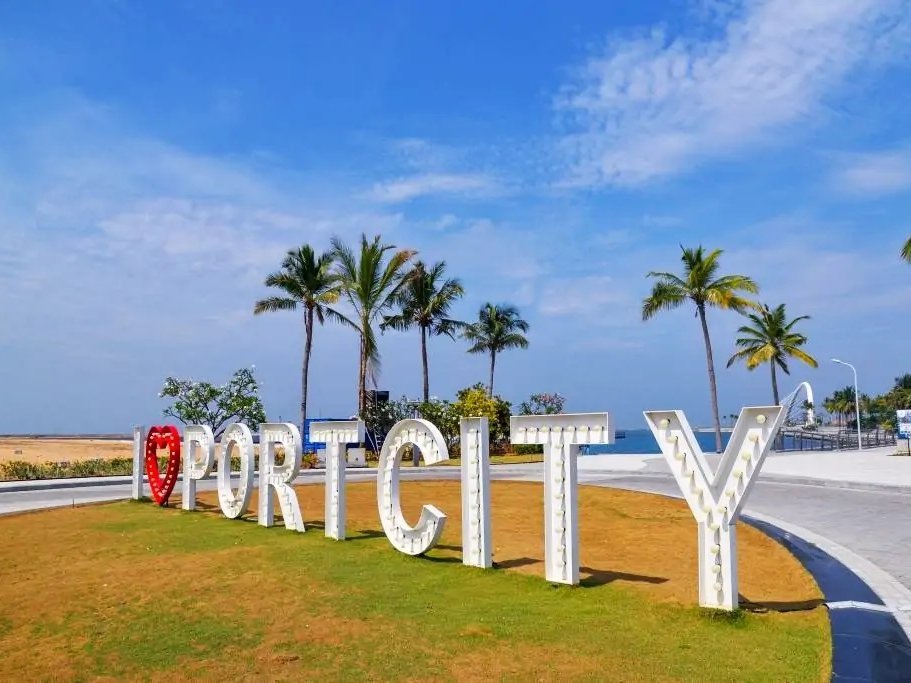
Unlocking South Asian Talent: Could the “Port City Passport” Transform Colombo into a Global Talent Hub?
Introduction
In the rapidly evolving global economy, nations are reimagining how they attract talent, capital, and innovation. Sri Lanka’s Port City Colombo stands poised to take a bold step forward with a pioneering initiative — the Port City Passport, a special economic zone visa designed to unlock South Asian talent for global companies. This proposal, if implemented thoughtfully, could position Colombo as a strategic hub for international business, entrepreneurship, and high-skill professionals in the region.
The concept is simple yet transformative: a visa framework tailored to attract skilled professionals, innovators, and entrepreneurs, enabling them to live, work, and invest within the Port City while enjoying streamlined regulatory benefits. Beyond the immediate economic incentives, such a program could enhance Sri Lanka’s global visibility, stimulate high-value sectors like tourism, hospitality, fintech, and wellness, and foster a sustainable knowledge-based economy.
In this article, I explore the potential of the Port City Passport, examine global precedents, analyze economic and talent implications, and propose a strategic roadmap for its implementation.
The Rationale Behind a Port City Passport
Sri Lanka has historically enjoyed a strategic geographic position in South Asia, serving as a maritime crossroads for centuries. Yet, despite strong human capital and robust tourism infrastructure, talent migration and underutilization of regional expertise remain challenges. According to the Central Bank of Sri Lanka (2024), the country loses an estimated USD 600 million annually due to skilled workforce migration.
The Port City Passport could act as a countermeasure to this outflow, providing incentives for both Sri Lankan and regional South Asian professionals to contribute directly to the national economy while benefiting from an internationally competitive ecosystem.
Key drivers include:
- Global talent demand: According to the World Economic Forum, over 75 million jobs worldwide may go unfilled by 2030 due to skill shortages. South Asia has a growing pool of highly educated professionals, but few regional mechanisms exist to channel this talent efficiently.
- Foreign investment appeal: Special Economic Zone (SEZ) frameworks historically attract high-value foreign direct investment. By linking a visa to SEZ residency, the Port City can combine economic growth with talent inflow.
- Tourism and hospitality synergies: Sri Lanka’s tourism sector contributed USD 5.5 billion in 2023, supporting over 400,000 jobs. Attracting international professionals to Port City can further boost premium tourism, luxury hospitality, wellness, and urban lifestyle offerings.
Global Precedents: Special Economic Zone Visas
Several countries have successfully leveraged SEZ-linked visas to attract global talent. Case studies illustrate opportunities and pitfalls for Sri Lanka.
Case Study 1: Singapore’s Employment Pass + SEZ Strategy
Singapore’s Employment Pass allows skilled professionals to live and work with family support while contributing to innovation-driven SEZs. The city-state now hosts over 1.4 million foreign professionals, contributing significantly to its USD 470 billion GDP (2023). Key lessons: clear regulatory frameworks, fast-tracked approvals, and integration with innovation hubs.
Case Study 2: Dubai International Financial Centre (DIFC) Visa
Dubai introduced SEZ-specific visas for financial professionals and entrepreneurs. The DIFC has attracted over 21,000 registered firms, with foreign professionals benefiting from zero personal income tax and flexible residency rules. Sri Lanka could adopt a similar approach for fintech, tourism, and hospitality sectors.
Case Study 3: Estonia e-Residency Program
While not tied to a physical SEZ, Estonia’s e-Residency demonstrates the power of visa-linked business facilitation. Entrepreneurs worldwide can establish legal entities in Estonia without relocating physically, creating over 90,000 registered companies since inception. The Port City Passport could incorporate similar digital onboarding benefits for startups and service-based industries.
Case Study 4: Mauritius Smart Visa
Mauritius introduced a “Smart Visa” for investors, professionals, and digital nomads to live for 1–10 years. It attracted over 4,000 high-net-worth individuals in five years, stimulating real estate, tourism, and tech sectors. Key takeaway: clearly differentiated visa categories increase adoption.
Case Study 5: Thailand Elite Visa
Thailand’s “Elite Visa” program focuses on long-term residency for high-income professionals. It has driven demand for luxury tourism, hospitality, and service-based sectors while generating USD 1 billion in upfront revenues. This illustrates how residency programs can synergize with lifestyle and hospitality offerings.
Case Study 6: Ireland Start-Up Entrepreneur Visa
Ireland’s SEZ-linked startup visa targets tech entrepreneurs, offering residency tied to approved business plans. This resulted in over 500 high-potential startups by 2024, attracting global venture capital. Port City Colombo could similarly link visas to high-value tourism, hospitality, and wellness ventures.
Case Study 7: Panama Friendly Nations Visa
Panama incentivizes professionals and investors from selected countries with a path to permanent residency. Over 30,000 professionals have relocated since 2010, boosting international business services. Sri Lanka could replicate this by targeting South Asian talent, particularly from India, Bangladesh, Nepal, and Maldives.
Strategic Benefits for Sri Lanka
The Port City Passport can create multiple cascading benefits for Sri Lanka:
1. Talent Retention and Upskilling
By offering a structured path for residency and employment, the passport can stem talent outflow while encouraging knowledge transfer. Collaboration with local universities and hospitality institutions can further upskill Sri Lankan talent.
2. Tourism & Hospitality Innovation
Port City Colombo is designed to be a cosmopolitan hub with luxury hotels, mixed-use developments, wellness retreats, and convention centers. Attracting skilled hospitality and wellness professionals can elevate service standards, generate higher tourist spend, and support niche markets like regenerative wellness and culinary tourism.
- According to the Sri Lanka Tourism Development Authority, luxury tourism contributes USD 1.2 billion annually, a figure that could increase by 30–40% with targeted talent inflow.
3. Foreign Direct Investment (FDI) Multipliers
Visa-linked SEZ residency reduces friction for high-value investors. FDI into SEZs tends to have 3–4x higher multiplier effects compared to non-SEZ investments due to integration with advanced infrastructure and professional networks.
4. Knowledge-Based Economy Growth
Attracting technology, fintech, and sustainable wellness professionals can accelerate innovation clusters within Port City, aligning with Sri Lanka’s goal to grow its knowledge economy.
Operational Framework Proposal
A practical, phased approach is recommended to ensure maximum impact and compliance:
Phase 1: Visa Design & Eligibility
- Multiple categories: professionals, entrepreneurs, investors, digital nomads
- Minimum income thresholds and skill validation
- SEZ-linked residency to ensure participation in local economic activity
Phase 2: Infrastructure & Integration
- Dedicated professional housing, coworking, and business support centers
- Integration with existing tourism and hospitality hubs
- Access to banking, legal, and health services
Phase 3: Marketing & Outreach
- Target South Asian talent pools in India, Bangladesh, Nepal, and Maldives
- Leverage global job portals, professional networks, and diaspora communities
- Highlight unique lifestyle offerings: Port City wellness retreats, luxury hospitality, urban green spaces
Phase 4: Evaluation & Iteration
- Annual review of economic impact, visa uptake, and employment outcomes
- Policy refinements based on lessons from global SEZ visa programs
Economic & Social Impacts
According to projections based on international SEZ visa models:
| Metric | Estimated Impact | Timeline |
| Skilled Professional Inflow | 5,000–10,000 professionals/year | 5 years |
| Incremental Tourism Revenue | USD 350–500 million | 5 years |
| FDI Attraction | USD 1–2 billion | 5 years |
| Job Creation | 15,000–20,000 new jobs | 5 years |
| Knowledge-Based Sector Growth | 20–25% increase | 5 years |
Beyond economic metrics, the Port City Passport can reinforce social cohesion by promoting regional integration, attracting culturally diverse professionals, and enhancing cross-border collaborations in tourism, wellness, and hospitality sectors.
Potential Challenges & Mitigation
While promising, the program requires careful management to mitigate risks:
- Regulatory clarity: Ensure transparent, predictable visa rules to maintain investor confidence.
- Infrastructure readiness: Rapid development of housing, transport, and utilities is essential.
- Talent absorption: Local workforce must be integrated through training and upskilling programs.
- Perception management: Clear communication is needed to frame the initiative as a regional opportunity rather than exclusive privilege.
Tourism & Hospitality Synergy
The Port City Passport is particularly aligned with the growth of Sri Lanka’s tourism and hospitality sector:
- Luxury Hotels & Resorts: Attracting international management talent can elevate standards in Port City luxury resorts.
- Wellness Tourism: Sri Lanka’s wellness tourism market is projected to reach USD 1.8 billion by 2027, driven by Ayurveda, spa, and regenerative tourism. Skilled international professionals can co-create globally competitive wellness experiences.
- Culinary & Experiential Tourism: International chefs, culinary educators, and hospitality trainers can establish flagship experiences, attracting high-spending tourists.
Conclusion
The Port City Passport represents a bold and forward-thinking policy tool to attract South Asian talent and position Colombo as a global hub for tourism, hospitality, and innovation. Drawing on global precedents, the initiative could enhance FDI inflows, upscale hospitality standards, retain local talent, and catalyze a knowledge-based economy.
By implementing a carefully phased, legally sound, and culturally sensitive framework, Sri Lanka can leverage Port City Colombo’s unique potential — not merely as a real estate or financial venture, but as a transformative catalyst for human capital, economic growth, and international collaboration.
Disclaimer
This article has been authored and published in good faith by Dr. Dharshana Weerakoon, DBA (USA), based on publicly available data from cited national and international sources (e.g., Sri Lanka Tourism Development Authority, Central Bank of Sri Lanka, international tourism monitors), decades of professional experience across multiple continents, and ongoing industry insight. It is intended solely for educational, journalistic, and public awareness purposes to stimulate discussion on sustainable tourism models. The author accepts no responsibility for any misinterpretation, adaptation, or misuse of the content. Views expressed are entirely personal and analytical, and do not constitute legal, financial, or investment advice. This article and the proposed model are designed to comply fully with Sri Lankan law, including the Intellectual Property Act No. 52 of 1979, ICCPR Act No. 56 of 2007, and relevant data privacy and ethical standards.
✍ Authored independently and organically through lived professional expertise—not AI-generated.
Further Reading: https://dharshanaweerakoon.com/wp-admin/post.php?post=687&action=edit#/
Further Reading: https://www.linkedin.com/newsletters/7046073343568977920/