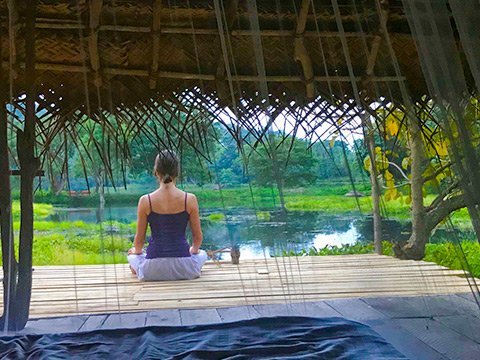
🌿 Sri Lanka’s Regenerative Wellness Revolution: Building the World’s First Ecosystem-Positive Spas
Why Our Tourism Future Lies Beyond Sustainability — and Deep Into Ecological Renewal
Introduction: Why Sri Lanka Must Leap From Sustainable to Regenerative
For decades, global tourism has celebrated words like “eco-friendly,” “green-certified,” and “carbon-neutral.” These were once revolutionary ideas. Today, however, sustainability is no longer enough. The planet is facing accelerated biodiversity loss, coastal erosion, and climate disruptions at levels never recorded in human history.
The latest UN reports show that the world loses one football field of forest every second, and 14 million tons of plastic leak into our oceans every year. Between 2010 and 2024, the Indian Ocean lost more than 50% of its coral cover, mostly due to warming events, sedimentation, and unregulated coastal development.
In Sri Lanka, we stand at a historical crossroads. Tourism contributed USD 5.6 billion to the economy during peak years (SLTDA), but it also placed unprecedented pressure on natural ecosystems.
Yet, within this challenge lies an extraordinary opportunity — one that could position our island as the global pioneer of an entirely new category:
✨ Regenerative Wellness Sri Lanka — where tourism does not “minimize harm” but actively heals nature.
This is not sustainability.
This is not mitigation.
This is regeneration — a tourism model where every guest experience contributes directly to biodiversity recovery, ecosystem repair, and community upliftment.
Sri Lanka, with its Ayurveda heritage, biodiversity hotspots, rich spiritual traditions, and post-crisis tourism rebuilding momentum, is perfectly positioned to become the world’s first ecosystem-positive wellness destination.
This article explores how that future can be built, why it is urgent, and what real-world global and Sri Lankan examples demonstrate its viability.
THE ERA OF “ECOSYSTEM-POSITIVE” SPAS
Moving from Net-Zero Healing to Net-Positive Impact
Traditional eco-resorts focus on reducing carbon footprint — LED lights, low-flow showers, solar power, reusable amenities. While important, these practices only reduce damage; they do not reverse it.
Regenerative wellness goes far beyond sustainability. It creates a measurable positive ecological surplus through guest participation.
What makes an ecosystem-positive spa?
An ecosystem-positive wellness center is defined by five measurable outcomes:
- Biodiversity Increase
- More mangroves, coral, trees, pollinators, and native species after guest operations than before.
- Carbon + Ecological Surplus
- Not just neutral, but surplus: absorbing more carbon and restoring more habitat than total operations generate.
- Community-Driven Benefit Sharing
- Local villagers become stakeholders, suppliers, guides, wellness practitioners, and conservation stewards.
- Cultural Regeneration
- Local healing traditions, rituals, and ecological know-how preserved and revitalized.
- Guest Impact Tracking
- Every visitor leaves behind a measurable environmental benefit (documented through a “positive footprint report”).
This means a guest doesn’t just avoid harming the ecosystem — they repair it.
This is the philosophy powering Regenerative Wellness Sri Lanka.
SRI LANKA’S NATURAL ADVANTAGE
Before designing regenerative wellness ecosystems, we must understand the strengths that make Sri Lanka the perfect testbed.
1. Biodiversity Density
Sri Lanka is one of the 36 global biodiversity hotspots, with:
- 3,368 flowering plant species
- 21% endemic fauna
- Over 5,000 hectares of mangroves
- The richest amphibian diversity in Asia
2. Ayurveda + Holistic Healing History
Over 3,000 years of indigenous medical practices that are inherently nature-based and regenerative.
3. Compact Geography
Everything — ocean, mountains, rainforests, rivers — is within hours.
This compact diversity allows multi-ecosystem wellness circuits.
4. Rising Global Market Demand
The global wellness tourism market will reach USD 1.4 trillion by 2027 (Global Wellness Institute).
Regenerative travel is the fastest-growing segment, rising 300% since 2020.
5. Post-Disaster Tourism Repositioning
Cyclone Ditwah and recent climate shocks have created an opportunity — even an obligation — to rebuild differently. Regeneration offers Sri Lanka a new identity, differentiated from Maldives, Thailand, and Bali.
In short: We are uniquely positioned to lead the regenerative wellness movement.
WHAT REGENERATIVE WELLNESS LOOKS LIKE IN PRACTICE
Here are examples of how Sri Lankan wellness centers can become ecosystem-positive.
1. Coral Restoration Massages
Guests receive ocean-facing massages using sustainably harvested Ayurvedic oils. For every treatment:
- One coral plug is planted
- Guests snorkel to personally transplant coral fragments
- Each coral is geo-tagged and monitored
Such programs can restore up to 1,000 coral fragments per month at a medium-sized resort.
2. Mangrove-Planting Yoga Retreats
Morning yoga sessions are followed by guided planting of 3–5 mangrove saplings.
- Mangroves absorb 4x more carbon than rainforests.
- Restoring 1 hectare can protect 200+ coastal species.
3. Wildlife Corridor Maintenance Hikes
Guided by naturalists and villagers:
- Guests remove invasive weeds
- Open blocked elephant routes
- Repair waterholes during dry season
These activities support areas facing 70% elephant habitat loss.
4. Zero-Waste, Zero-Plastic Wellness Kitchens
Herbal teas, plant-based meals, ocean-to-table dishes:
- 100% compostable waste
- Compost used to nourish on-site healing gardens
- Partnerships with local organic farmers
5. Regenerative Spa Ingredients
Guests learn to create:
- Herbal balms from local botanicals
- Ayurveda oils from forest-sourced resin
- Exfoliants from coconut husk and rice bran
All made with circular, community-integrated supply chains.
6. Community Revenue Sharing
A portion of every treatment funds:
- Reforestation
- Marine protection
- Women-led herbal cooperatives
- Indigenous craft revival
- Village-level wellness entrepreneurship
This is Regenerative Wellness Sri Lanka in action.
GLOBAL CASE STUDIES (6–7) THAT PROVE THE MODEL WORKS
Here are real global and local examples demonstrating the viability, profitability, and measurable ecological impact of regenerative wellness models.
CASE STUDY 1: Six Senses Laamu — Maldives
- Plants 10,000+ coral fragments annually
- Employs a full marine biologist team
- Guest participation increased reef revival by 300%
- Waste-to-wealth program funds local women’s cooperatives
This model shows how high-end wellness can directly repair marine ecosystems.
CASE STUDY 2: Costa Rica’s Lapa Rios Eco Lodge
- Protects 1,000 acres of rainforest
- Guests plant native trees as part of wellness energy-balancing rituals
- Lodge employs 100% local staff
Costa Rica’s regenerative tourism policies became a model globally.
CASE STUDY 3: Bhutan’s Transcendental Tourism Philosophy
- Uses the “High Value, Low Volume” model
- Focuses on carbon-negative national tourism
- Wellness retreats contribute to reforestation and cultural preservation
Bhutan proves regeneration can be a national tourism identity.
CASE STUDY 4: New Zealand Māori Healing + Forest Regeneration
- Māori-led wellness retreats integrate planting of native species
- Guests participate in river restoration
- A single lodge has restored 50 hectares of native land
This illustrates how culture and ecology merge seamlessly.
CASE STUDY 5: India’s Aravalli Rewilding Wellness Retreat
- Former mining land rewilded into a wellness sanctuary
- 1.2 million trees planted
- Soil rehabilitation transformed desertified land into thriving ecosystems
Demonstrates how ruined landscapes can become regenerative wellness destinations.
CASE STUDY 6: Sri Lanka’s Kahandamodara Regeneration Project
- Reforested 12 acres of degraded land
- Created natural lakes to revive wildlife
- Hosted mindful tree-planting retreats and community wellness camps
This local example proves Sri Lanka’s potential in land-based regeneration.
CASE STUDY 7: Coral Rebirth Program – Hikkaduwa, Sri Lanka
- Local NGOs + diving schools restored over 20 reefs
- Guest-assisted coral farming sessions
- Tourism revenue directly funds marine protection
This is a clear blueprint for ecosystem-positive coastal wellness resorts.
Each case study shows the same powerful truth: regeneration is profitable, scalable, and ideal for Sri Lanka.
SRI LANKA’S BLUEPRINT: BUILDING THE WORLD’S FIRST REGENERATIVE WELLNESS NATION
Here is the strategic model Sri Lanka can adopt to become the global leader in regenerative wellness.
1. Establish Regenerative Wellness Zones (RWZs)
Potential locations:
- Kalpitiya (mangroves + coral)
- Pottuvil/Arugam Bay (dune restoration + Ayurvedic surf wellness)
- Ella/Haputale (forest restoration + mountain wellness)
- Sinharaja buffer zones (biodiversity spas)
- Trincomalee (blue carbon + marine healing)
These zones become internationally branded wellness territories.
2. Guest Impact Certificates
Every visitor receives a digital certificate documenting:
- Number of trees planted
- Coral fragments restored
- Carbon surplus generated
- Community projects funded
- Biodiversity support contributed
This becomes a unique marketing value proposition for Regenerative Wellness Sri Lanka.
3. Train 10,000 “Regenerative Practitioners”
A new category of local professionals:
- Eco-therapists
- Coral wellness guides
- Mangrove yoga instructors
- Forest bathing experts
- Biodiversity spa therapists
Creating Sri Lanka’s own regenerative wellness workforce.
4. Build Sri Lanka’s First National Biodiversity Wellness University
A collaboration with:
- University of Peradeniya
- Institute of Indigenous Medicine
- International wellness academies
Offering:
- Certification
- Research
- Innovation labs
- Community training
5. Launch the “Regenerative Wellness Sri Lanka” Global Identity Campaign
Promote the island internationally as:
“The World’s First Ecosystem-Positive Wellness Destination.”
Target markets:
- Europe
- GCC
- USA
- East Asia
- India
Campaign themes:
- Heal the Earth while healing yourself
- Every breath you take regenerates nature
- Leave Sri Lanka better than you found it
ECONOMIC BENEFITS OF A REGENERATIVE WELLNESS ECONOMY
If Sri Lanka attracts just 1% of the global wellness tourism market:
- USD 14 billion annual revenue potential
- 150,000+ new green jobs
- Revitalization of Ayurveda, handicrafts, and community enterprises
- Reforestation of 50,000+ hectares
- Coral rejuvenation of 40+ reef systems
- Sharply reduced coastal erosion
- Stronger climate resilience
- Increased visitor satisfaction (return rates up to 65%)
This is a once-in-a-century opportunity.
WHY REGENERATIVE WELLNESS SRI LANKA IS MORE RELEVANT THAN EVER
1. Post-Cyclone Tourism Rebuild
Cyclone Ditwah exposed the fragility of our ecosystems. Regeneration is the only path to resilience.
2. Climate Migration Pressures
Rising seas, droughts, and storms demand new tourism designs.
3. Global Consumer Shift
88% of wellness travelers prefer destinations with positive ecological impact (Booking.com 2024).
4. Competitive Advantage
No other Asian destination has yet branded itself as fully ecosystem-positive.
5. Reputation Rebuilding
Sri Lanka needs a fresh, inspiring identity after years of crisis.
Regenerative wellness can be that identity.
PROTECTING SRI LANKA’S LEGACY: GUIDELINES FOR LEGAL & ETHICAL COMPLIANCE
To ensure safety, ethical practice, and compliance with Sri Lankan law, regenerative wellness models should align with:
- Intellectual Property Act No. 52 of 1979
Safeguards indigenous knowledge and Ayurveda formulations. - National Environmental Act
Ensures responsible land and marine interventions. - ICCPR Act No. 56 of 2007
Prevents cultural misuse, misrepresentation, or exploitation. - Data Privacy Standards
Protects guest biometric or wellness data. - Community Consent Model
Ensures all ecological projects are co-created with local residents.
This ensures regenerative wellness is ethical, legal, and respectful of culture and biodiversity.
CONCLUSION: REGENERATIVE WELLNESS IS SRI LANKA’S PATH TO GLOBAL LEADERSHIP
Sri Lanka already has everything it needs — biodiversity, Ayurveda, culture, spirituality, warm community ethos, and a deep heritage of living in balance with nature.
The next step is courage — the courage to pioneer a model the world has never seen.
A tourism industry where:
- Guests heal nature
- Nature heals guests
- Communities thrive
- Biodiversity flourishes
- Tourism becomes a force of planetary restoration
This is the promise of Regenerative Wellness Sri Lanka.
Sri Lanka can become the world’s first ecosystem-positive wellness nation — and the world is ready for it.
DISCLAIMER
This article has been authored and published in good faith by Dr. Dharshana Weerakoon, DBA (USA), based on publicly available data from national and international sources, expert industry insight, and decades of professional experience in global tourism and hospitality. It is intended solely for educational, journalistic, and public awareness purposes to stimulate constructive dialogue on regenerative wellness models for Sri Lanka. The analysis and proposals herein do not constitute legal, financial, investment, or environmental consultancy advice. All referenced statistics are indicative and subject to revision by relevant authorities. The concepts and models discussed are designed to comply fully with Sri Lankan law, including the Intellectual Property Act No. 52 of 1979, the National Environmental Act, the ICCPR Act No. 56 of 2007, and ethical standards relating to community rights, biodiversity protection, and data privacy. Views expressed are entirely personal and analytical, authored independently and organically through lived professional expertise — not AI-generated. The author accepts no liability for any misinterpretation or misuse of the content.
Further Reading: https://www.linkedin.com/newsletters/7046073343568977920/
Further Reading: https://dharshanaweerakoon.com/wellness-village/