🌿 Vertical Forest Retreats Sri Lanka: Reimagining Urban Wellness Through Biophilic Architecture
🌱 Introduction: When Cities Become Sanctuaries
Sri Lanka’s cities are at a crossroads. Colombo, once praised for its lush canopy cover and garden-city identity, is rapidly transforming into a dense, vertical metropolis. While this evolution mirrors global urbanization trends, it also amplifies concerns about air pollution, noise, traffic stress, rising burnout, and reduced access to green spaces. At the same time, Sri Lanka’s tourism and wellness sectors are searching for innovative models that cater to emerging global demand for nature-centric, restorative, science-backed urban healing environments.
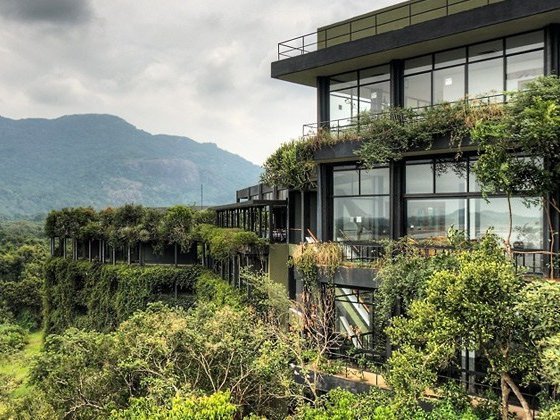
Against this backdrop emerges a visionary concept: Vertical Forest Retreats Sri Lanka — a new generation of biophilic, vertically-integrated wellness sanctuaries designed to bring forest therapy, clean air, and regenerative nature experiences directly into the heart of our cities.
Borrowing lessons from Milan’s Bosco Verticale, Singapore’s Gardens by the Bay, Bangkok’s Sindhorn Village, and Japan’s forest-bathing research, these urban retreats aim to reintroduce the “lost forest” into high-rise architecture. They integrate rooftop tea gardens, herbal terraces, living moss walls, air-purifying plant systems, meditation pods, therapeutic water cascades, and climate-responsive wellness zones.
This model is not merely architectural innovation—it is a tourism diversification strategy, an urban resilience solution, a public health investment, and a future-facing economic opportunity that positions Sri Lanka as a leader in urban wellness architecture.
Throughout this article, I will examine how Vertical Forest Retreats Sri Lanka can reshape the national tourism and hospitality landscape, explore global case studies, present data-backed insights, and articulate a holistic roadmap for implementation.
1. Why Cities Need Vertical Forest Retreats Now
Urban Stress Is the New Global Epidemic
According to the World Health Organization, over 55% of the world’s population lives in urban areas, and this figure is expected to reach 68% by 2050. Urban residents are 40% more likely to experience anxiety disorders, and 20% more likely to suffer from depression, compared to those living near natural ecosystems.
In Sri Lanka, Colombo’s urban population density has increased by 28% in the last decade, accompanied by rising work stress, reduced recreational time, and diminishing green spaces. The Central Environmental Authority notes that Colombo’s tree canopy cover has decreased from 23% to 18% within 15 years.
Tourism Is Moving Toward Wellness, Nature, and Sustainability
Global wellness tourism is projected to reach USD 1.3 trillion by 2027 (Global Wellness Institute). Post-pandemic travellers seek healing environments—green spaces, cleaner air, meaningful experiences, and preventive healthcare.
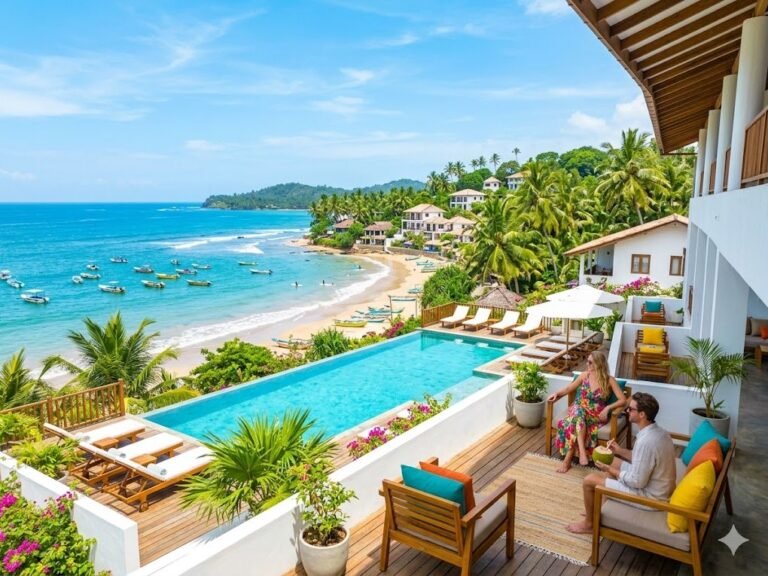
Sri Lanka, traditionally marketed as a nature-rich destination, can extend its wellness narrative into urban centers through Vertical Forest Retreats Sri Lanka, providing accessible “forest healing” without leaving the city.
Biophilic Cities Are the Future
Biophilic design—integrating living systems into architecture—has measurable physiological effects:
- Reduces stress by 37%
- Enhances productivity by 15%
- Improves indoor air quality by up to 75%
- Lowers energy consumption by up to 30%
Sri Lanka’s tropical climate, biodiversity spectrum, and Ayurvedic plant heritage make it ideal for such innovation.
2. What Are Vertical Forest Retreats Sri Lanka?
A New Category of Urban Wellness Infrastructure
Vertical Forest Retreats Sri Lanka are multi-story wellness sanctuaries that integrate:
- Rooftop tea gardens
- Ayurvedic herb terraces
- Indoor waterfalls and humidity-balanced cascades
- Therapeutic moss walls
- Zero-toxin, air-purifying forest corridors
- Vertical vegetable gardens
- Forest-bathing terraces
- Meditation decks
- Climate-adaptive spa rooms
- Sensor-controlled aromatherapy zones
- Biodiversity-friendly microhabitats
These retreats can be developed:
- As standalone buildings dedicated to wellness
- On existing hotels through retrofit models
- As mixed-use complexes combining hospitality, lifestyle, and wellness healthcare
- As corporate wellness hubs for employee rejuvenation
- As tourism attractions for experiential travellers
Core Health Benefits
Research from Japan, South Korea, Germany, and Stanford University shows that exposure to dense greenery:
- Lowers cortisol levels by 12–16%
- Reduces blood pressure by 9–11%
- Improves respiratory health by increasing negative ion concentration
- Enhances immune function through phytoncide exposure
- Supports sleep quality by 15–22%
This makes Vertical Forest Retreats Sri Lanka a compelling proposition for both residents and tourists.
3. Why Colombo Is the Ideal Pilot City
Strategic Reasons
- High population density — 10,000+ people per square kilometer.
- Growing demand for urban wellness services (yoga, spa, therapy centers, fitness, biohacking).
- Limited public green areas (only 7% accessible green space per resident).
- Rising air quality concerns—PM2.5 levels occasionally exceed WHO standards.
- Tourists increasingly seek nature experiences even within cities.
Tourism Alignment
Visitors staying in Colombo for transit, conferences, medical tourism, shopping, or business often lack access to nature. Vertical Forest Retreats Sri Lanka can serve these segments through:
- Half-day wellness programs
- Detox packages
- Urban forest-bathing rituals
- Ayurvedic consultations
- Rooftop tea meditation sessions
4. The Economic Potential of Vertical Forest Retreats Sri Lanka
1. Expanding Wellness Tourism Revenue
Sri Lanka’s wellness tourism revenue currently accounts for just 5–7% of total tourism earnings. Countries like Thailand and Indonesia derive 15–23% from wellness sub-sectors. Vertical Forest Retreats Sri Lanka can significantly expand this share.
2. Job Creation
For every 1 acre of vertical greenery, approximately 8–12 specialized jobs are created:
- Horticulturists
- Ayurveda practitioners
- Herbal garden managers
- Wellness therapists
- Sustainability technicians
- Green designers
3. Real Estate & Hospitality Value Uplift
Properties with biophilic features globally experience:
- 10–15% higher occupancy
- Increased room rates by 18–22%
- Longer guest stays (average +1.2 days)
- Higher corporate event demand
4. Environmental Savings
A single vertical forest façade can:
- Absorb 20 tons of CO₂ annually
- Filter 15–20 kg of particulate matter
- Reduce building heat by 2–3°C
- Lower air-conditioning costs by up to 25%
Vertical Forest Retreats Sri Lanka can therefore become part of Colombo’s climate adaptation strategy.
5. Global Case Studies (6–7 examples)
Case Study 1: Bosco Verticale – Milan, Italy
- 20,000+ trees and shrubs integrated into high-rise towers
- Reduces city pollution by 30% in surrounding areas
- Increased property value by 14%
- Inspired dozens of vertical forest projects globally
Relevance to Sri Lanka: Demonstrates the tourism potential of urban forests.
Case Study 2: Oasia Hotel Downtown – Singapore
- 1,930 square meters of greenery
- Uses a permeable façade that cools the building through natural ventilation
- Reduces energy consumption by 60%
Relevance to Sri Lanka: Shows how hotels can combine vertical greenery with commercial hospitality.
Case Study 3: Nanjing Vertical Forest – China
- Absorbs 18 tons of CO₂ annually
- Generates 16.5 tons of oxygen per year
- Houses a hospital, hotel, and wellness facilities
Relevance to Sri Lanka: Looks at mixed-use models integrating healthcare and wellness.
Case Study 4: Sindhorn Village – Bangkok, Thailand
- Integrates green roofs, shaded walkways, and vertical forests
- Built as a low-carbon luxury neighborhood
- Increased wellness tourism footfall by 31%
Relevance to Sri Lanka: Similar climate and tourism model.
Case Study 5: Green Pea Urban Forest – Tokyo
- Built in response to air pollution
- Uses smart humidity control with moss walls
- Scientifically proven to reduce fine dust by 40–45%
Relevance to Sri Lanka: Colombo can adopt moss-based indoor purification.
Case Study 6: One Central Park – Sydney, Australia
- World’s biggest vertical garden installation
- Uses heliostat mirrors to direct sunlight
- Attracts over 1 million tourists annually
Relevance to Sri Lanka: Demonstrates tourism value of architectural greenery.
Case Study 7: Forest Tower Spa – Slovenia
- A wellness retreat built entirely around forest therapy
- Combines saunas, yoga decks, and phytotherapy gardens
Relevance to Sri Lanka: Model for meditation terraces and Ayurveda integration.
6. How Vertical Forest Retreats Sri Lanka Can Be Designed
1. Rooftop Tea & Herbal Gardens
- Ceylon tea varieties
- Medicinal herbs: iramusu, polpala, veniwel, ranawara
- Herbal tea ceremonies for tourists
2. Indoor Waterfalls & Cascades
- Create natural humidity
- Reduce particulate matter
- Enhance relaxation
3. Therapeutic Moss Walls
- Trap toxins
- Balance humidity
- Act as natural air filters
4. Forest-Bathing Balconies
Inspired by Japan’s shinrin-yoku research.
5. Climate-Responsive Spa Rooms
- Monsoon aromatherapy
- Tropical heat-adaptive cooling therapies
6. Aroma & Sound Therapy Integration
Using Sri Lankan botanicals and natural soundscapes.
7. Butterfly & Bird Microhabitats
Restoring urban biodiversity.
7. Why the Tourism Industry Needs This Model Immediately
Shifting Traveller Psychology
A 2023 Expedia survey revealed:
- 65% prefer nature-focused stays
- 56% choose wellness-themed hotels
- 41% seek stress relief while traveling
Urban wellness within the city is becoming a global trend.
Sri Lanka Must Diversify
Overdependence on sun and beach tourism leaves the economy vulnerable. Vertical Forest Retreats Sri Lanka can unlock:
- Short-stay wellness tourism
- Conference and corporate wellness
- High-spending eco-conscious travellers
- Medical-adjacent tourism
- Urban experiential tourism
Colombo Needs a Signature Attraction
Cities like Singapore have Gardens by the Bay; Dubai has The Green Planet. Colombo can have its own vertical forest landmark.
8. Implementation Pathway for Sri Lanka
Phase 1: Policy & Incentives
- Tax incentives for vertical greenery
- LEED and Green Building recognition
- Fast-tracked approvals for biophilic projects
Phase 2: Public–Private Partnerships
Collaboration between:
- Sri Lanka Tourism
- UDA
- Real estate developers
- Boutique hotel operators
- International wellness brands
Phase 3: Pilot Retreat in Colombo
Recommended locations: Colombo 03, Colombo 07, Rajagiriya, Battaramulla.
Phase 4: Scale to Kandy, Galle, Jaffna
Each city offers unique climate and botanical diversity.
9. Marketing Strategy for Vertical Forest Retreats Sri Lanka
Key Messaging Themes
- Urban wellness
- Air purification
- Nature immersion
- Climate resilience
- Indigenous plants
- Tea-inspired healing
SEO Keywords
- Vertical Forest Retreats Sri Lanka (primary)
- Urban wellness Sri Lanka
- Biophilic architecture Sri Lanka
- Colombo wellness tourism
Social Media Outreach
Instagram, LinkedIn, YouTube shorts on:
- Rooftop tea gardens
- Rain simulation therapy
- Forest-bathing verandas
10. Conclusion: A New Urban Identity for Sri Lanka
Vertical Forest Retreats Sri Lanka is not just an architectural experiment—it is a transformation of how cities relate to health, nature, climate, and tourism. With the rising global demand for wellness, sustainability, and experiential travel, Sri Lanka is perfectly positioned to pioneer this new category of urban regeneration.
By blending Ayurveda, biodiversity, biophilic design, and hospitality expertise, Sri Lanka can create Asia’s first comprehensive network of urban vertical wellness retreats—establishing Colombo and other cities as green sanctuaries of healing.
📌 Disclaimer
This article has been authored and published in good faith by Dr. Dharshana Weerakoon, DBA (USA), based on publicly available data from national and international sources (including Sri Lanka Tourism Development Authority, Central Bank of Sri Lanka, environmental research bodies, and global wellness industry reports), combined with decades of professional experience across multiple continents. It is intended solely for educational, journalistic, and public awareness purposes to stimulate discussion on sustainable urban wellness models.
The author accepts no responsibility for any misinterpretation, adaptation, or misuse of the content. Views expressed are entirely personal and analytical, and do not constitute legal, financial, architectural, engineering, or investment advice. This article complies with relevant Sri Lankan legal frameworks, including the Intellectual Property Act No. 52 of 1979, the ICCPR Act No. 56 of 2007, and ethical data and privacy standards.
✍ Authored independently and organically through lived professional expertise — not AI-generated.
Further Reading: https://dharshanaweerakoon.com/restoring-mangroves/
Further Reading: https://www.linkedin.com/newsletters/7046073343568977920/