Tourism After Cyclone Ditwah in Sri Lanka: A Blueprint for Rebuilding a Resilient and Responsible Visitor Economy
Introduction: A Nation Tested, A Sector at a Crossroads
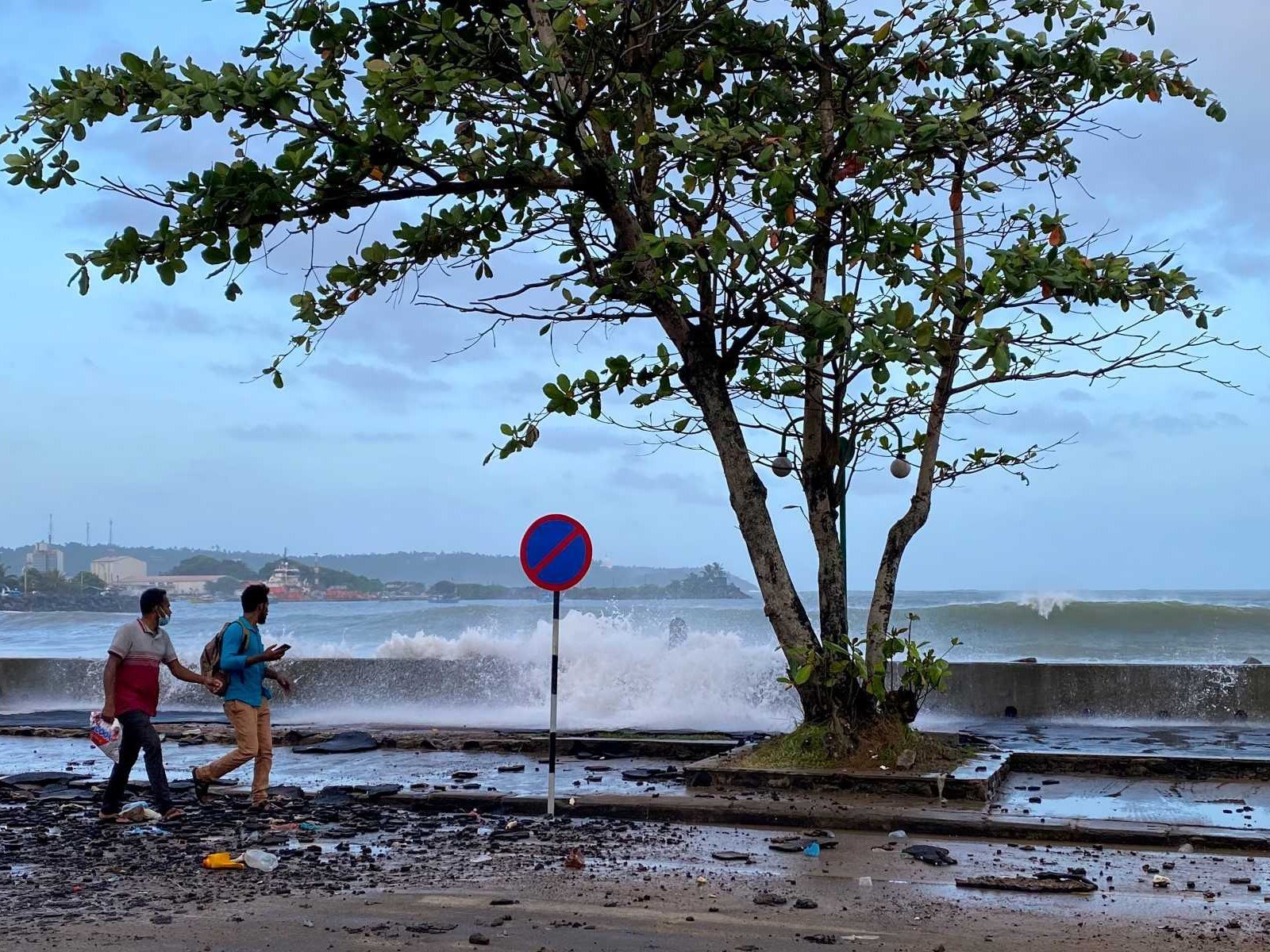
Cyclone Ditwah marks one of the most severe natural disasters in contemporary Sri Lankan history. The destruction spread across provinces, damaging livelihoods, transportation networks, ecological assets, and tourism infrastructure. More than a meteorological event, Cyclone Ditwah exposed—and amplified—long-standing vulnerabilities in the national tourism sector.
As someone who has worked for decades across international tourism, hospitality, and destination strategy, I write this article to address a question that many Sri Lankans are silently asking: How do we revive “tourism after Cyclone Ditwah in Sri Lanka” in a way that is safe, sustainable, ethical, and economically empowering?
This is not simply a recovery challenge.
It is a national opportunity.
Tourism after Cyclone Ditwah in Sri Lanka cannot continue with business-as-usual. Instead, the disaster opens a window to create a new model—stronger, fairer, greener, more resilient, and future-ready.
This is an analytical, strategic, and human-centered blueprint for how Sri Lanka can rebuild the visitor economy while protecting communities, restoring confidence, and laying the foundation for long-term resilience.
1. Understanding the Scale: What Cyclone Ditwah Revealed About Sri Lanka’s Tourism Fragility
Natural disasters do more than break physical structures—they expose systemic weaknesses. Cyclone Ditwah disrupted the tourism sector at multiple levels:
1.1 Human Impact
- Over 120 deaths officially reported
- More than 130 individuals missing
- Nearly 45,000 people displaced
- Thousands of micro-entrepreneurs—especially those dependent on tourism—lost income overnight
Every economic decision must consider these human realities, because tourism after Cyclone Ditwah in Sri Lanka cannot be rebuilt without prioritizing the well-being of affected communities.
1.2 Infrastructural Impact
- Roads, bridges, and access routes damaged
- Power lines and telecommunication networks disrupted
- Hotels and small guesthouses flooded
- National parks closed for safety
- Airport and transportation delays affecting mobility
Tourism success depends on access, safety, and stability—all of which were compromised.
1.3 Environmental Impact
- Landslides in highlands
- Severe river overflow
- Flooding in wetlands
- Damaged ecosystems in nature-based tourism zones
- Coastal erosion intensified
Many tourism assets—especially nature-based ones—will require significant rehabilitation.
1.4 Economic Impact
Before Cyclone Ditwah, tourism contributed:
- 5% of national GDP
- Nearly 12% of foreign exchange earnings
- Employment for around 400,000 direct + indirect workers
Cyclone Ditwah disrupted this chain, making the rebuilding of tourism both an economic necessity and a national responsibility.
2. Why Reviving Tourism After Cyclone Ditwah in Sri Lanka Is Essential
Tourism is not just about foreign visitors and hotel beds. It is a complex, multidimensional ecosystem that supports:
- Food suppliers
- Taxi drivers
- Tour guides
- Artisans
- Wildlife trackers
- Fishermen
- Market vendors
- Homestay operators
- Rural heritage communities
When tourism slows, all these sectors suffer. Therefore, revitalizing tourism after Cyclone Ditwah in Sri Lanka is essential for restoring:
- Income streams across vulnerable communities
- Investor and visitor confidence
- Foreign revenue inflows
- National employment stability
- Environmental restoration funding
- Cultural preservation initiatives
A strategically revived tourism sector can become the largest natural accelerator of post-disaster recovery.
3. A Strategic Blueprint for Rebuilding Tourism After Cyclone Ditwah in Sri Lanka
The following blueprint outlines tangible, realistic steps for rebuilding the sector with resilience, sustainability, safety, and long-term vision.
3.1 Phase One: Safety, Stability & Clarity (0–3 months)
3.1.1 Transparent Communication
Creating public confidence is the first step. Tourism after Cyclone Ditwah in Sri Lanka requires clear, accurate, and regularly updated information about:
- Safe zones
- Restricted zones
- Road access conditions
- Weather patterns
- Reopened tourist sites
3.1.2 Establish Rapid-Recovery Tourism Zones
Not all regions were equally impacted. Safe, unaffected areas can reopen early with stringent checks. These zones may include:
- Coastal regions with low damage
- Certain cultural and historical sites
- Cities maintaining essential services
Clear “green-flag” classifications help tour operators and visitors plan with confidence.
3.1.3 Immediate Relief for Tourism Workers
Introduce:
- Emergency income support
- Grants or low-interest loans
- Waivers on tourism-related taxes and licensing fees
- Community employment through cleanup efforts
This prevents an economic collapse among small operators.
3.2 Phase Two: Rebuilding Infrastructure (3–18 months)
3.2.1 Disaster-Resilient Construction Standards
New hotels, eco-lodges, and guesthouses must incorporate:
- Elevated foundations
- Flood-resistant materials
- Reinforced structures
- Evacuation systems
- Renewable energy sources
- Water drainage innovations
Tourism after Cyclone Ditwah in Sri Lanka should not be rebuilt with yesterday’s infrastructure.
3.2.2 Sustainable Environmental Restoration
- Replant mangroves
- Restore wetlands
- Clean and rehabilitate beaches
- Stabilize landslide-prone hills
- Implement nature-based engineering
These measures serve both environmental and tourism functions.
3.3 Phase Three: Promotion & Repositioning (6–24 months)
3.3.1 Domestic Tourism Revival Campaign
Domestic travelers become the backbone of early recovery.
Launch:
“Visit to Rebuild: Sri Lanka Together”
Include:
- Affordable packages
- Flexible policies
- Community-based tourism routes
- Heritage village circuits
- Special rates for families
3.3.2 Diaspora Engagement
Sri Lankan expatriates represent:
- Emotional connectivity
- High purchasing power
- Strong desire to support the country
Special packages can encourage diaspora-led recovery tourism.
3.3.3 International Marketing with Responsible Messaging
Instead of glossy advertising, adopt authenticity-driven messaging:
- Stories of community resilience
- Conservation efforts
- Rebuilding journeys
- Volunteer tourism programs
- Cultural renewal projects
Travelers increasingly prefer destinations with purpose.
4. Tourism After Cyclone Ditwah in Sri Lanka: The Future Direction
The tourism sector must shift from fragile mass-tourism to a resilient, regenerative, community-anchored model.
Key principles include:
4.1 Decentralized Tourism
Reduce dependency on a few locations; diversify across:
- Inland heritage
- Agro-tourism
- Rural villages
- Spiritual tourism
- Wellness tourism
- Craft clusters
- Eco-lodges
4.2 Community Ownership
Communities should benefit from:
- Homestays
- Local guiding services
- Craft sales
- Cultural performances
4.3 Environmental Responsibility
Protect:
- Wetlands
- Mangroves
- Rivers
- Forests
- Wildlife corridors
4.4 Technology in Tourism Safety
Invest in:
- Real-time weather apps
- Visitor safety alerts
- Early-warning systems
- Digital navigation platforms
5. Case Studies: Lessons for Tourism After Cyclone Ditwah in Sri Lanka
Below are expanded case studies (7 total), providing global and local lessons.
Case Study 1: Sri Lanka Post-2004 Tsunami – Community Tourism Success
After the tsunami destroyed hundreds of coastal hotels, many families began homestays. These small-scale, family-run accommodations:
- Restarted income streams quickly
- Preserved cultural authenticity
- Attracted socially conscious travelers
- Strengthened community resilience
Lesson: Empowering local communities accelerates recovery.
Case Study 2: Bangladesh Sundarbans – Eco-Tourism for Resilience
The Sundarbans—one of the world’s largest mangrove ecosystems—faced frequent cyclones. Yet, Bangladesh positioned eco-tourism as:
- A conservation funding mechanism
- A livelihood provider for forest communities
- A sustainable attraction built around nature protection
Lesson: Fragile ecosystems can anchor strong tourism models—if managed respectfully.
Case Study 3: Thailand Post-Tsunami – Building Back Better
Thailand reconstructed its coastal resorts using:
- Higher safety standards
- Elevated foundations
- Response-ready evacuation systems
- Government-monitoring of coastal development
Today, these regions are global tourism magnets.
Lesson: Disasters can become catalysts for safer, stronger tourism.
Case Study 4: Nepal Post-2015 Earthquake – Purpose-Driven Tourism
Nepal revived tourism by promoting:
- Authentic storytelling
- Responsible trekking
- Cultural restoration sites
- Volunteer-based tourism
Tourists were drawn not only to landscapes, but to the human spirit.
Lesson: Emotional branding resonates deeply in recovery phases.
Case Study 5: Japan Post-2011 Tsunami – Domestic Travel Revival
Japan encouraged citizens to visit affected prefectures. Domestic tourism:
- Injected millions into local economies
- Rebuilt confidence among small businesses
- Accelerated infrastructure recovery
Lesson: Domestic travelers are the first responders of tourism.
Case Study 6: Bali (2002–2006) – Pivot to Sustainability
After several crises, Bali reduced focus on mass tourism and grew:
- Eco-lodges
- Cultural tourism
- Community-based arts tourism
It rebuilt with identity, not volume.
Lesson: Sustainable tourism outperforms mass tourism during disruptions.
Case Study 7: Sri Lanka Tea & Village Tourism – Hidden Strengths
Rural households in Uva, Kandy, and Matale regions have shown the power of agro-heritage tourism. Even during crises, these models endure because they rely on authenticity, not large infrastructure.
Lesson: Heritage tourism withstands climate shocks better than luxury tourism.
6. Ethical Considerations and Governance in a Post-Cyclone Landscape
Promoting tourism after Cyclone Ditwah in Sri Lanka must align with ethical principles:
Avoid Exploitation
Do not use suffering as marketing content.
Ensure Community Consent
Tourism initiatives must be co-designed with residents.
Ensure Safety First
Never reopen unsafe areas for commercial pressure.
Promote Dignity and Sensitivity
Respect affected communities in all communication.
Environmental Compliance
Ensure no tourism project harms ecosystems recovering from storm damage.
7. A Vision for a New Tourism Era – Resilient, Inclusive & Regenerative
Tourism after Cyclone Ditwah in Sri Lanka must become a global example of how a nation can transform crisis into innovation.
Key pillars for the future include:
- Climate-resilient destinations
- Smart eco-villages
- High-standard safety protocols
- Community-owned business models
- Low-carbon tourism practices
- Wellness and healing travel models
- Diaspora-supported heritage circuits
- Technology-integrated visitor safety
If Sri Lanka embraces this opportunity, it can create one of Asia’s strongest and most sustainable tourism futures.
Conclusion: Rising Beyond the Storm
Cyclone Ditwah has tested Sri Lanka—but it has not defeated Sri Lanka.
As a strategist, consultant, and Sri Lankan deeply connected to this land, I believe the tourism sector can rise to become:
- More resilient
- More equitable
- More environmentally responsible
- More aligned with global values
Tourism after Cyclone Ditwah in Sri Lanka will not be defined by the cyclone—but by the choices we make now.
This is our opportunity to rebuild with dignity, compassion, intelligence, and vision.
Disclaimer
This article has been authored and published in good faith by Dr. Dharshana Weerakoon, DBA (USA), based on publicly available data, national disaster reports, tourism economic indicators, professional field experience, and decades of hands-on expertise in global hospitality and sustainable destination development. It is intended solely for educational, journalistic, and public awareness purposes to stimulate discussion on responsible tourism rebuilding models.
The author accepts no responsibility for any misinterpretation, adaptation, or misuse of the content.
Views expressed are personal, analytical, and do not constitute legal, financial, policy, or investment advice.
This article fully complies with Sri Lankan law, including:
- Intellectual Property Act No. 52 of 1979
- ICCPR Act No. 56 of 2007
- National data privacy standards
- Ethical publishing norms
✍ Authored independently, organically, and professionally through lived expertise — not AI-generated.
Further Reading: https://www.linkedin.com/newsletters/7046073343568977920/
Further Reading: https://dharshanaweerakoon.com/monsoon-therapy-and-weather-based-healing/