Reimagining Sri Lanka’s Hospitality Future: The Rise of Circadian-Optimized Resorts and the Global Sleep Tourism Boom
Introduction: A Country at the Threshold of a New Tourism Frontier
In a world that never sleeps, the global travel industry has begun to realise something paradoxical yet powerful: the next frontier of luxury tourism is sleep. The global sleep wellness economy, valued at USD 432 billion (Global Wellness Institute, 2024), is now evolving into a specialized sector known as sleep tourism, where hotels engineer environments dedicated to restoring circadian balance, repairing sleep debt, and optimizing human performance.
Sri Lanka—long celebrated for Ayurveda, serene landscapes, and nature-immersed living—is uniquely positioned to become Asia’s premier destination for Circadian-Optimized Resorts. With the country’s tourism sector aiming for 5 million arrivals and USD 15 billion in revenue by 2030 (SLTDA), sleep-focused hospitality represents a high-yield, low-impact niche capable of elevating national earnings while simultaneously strengthening wellness branding.
This article explores how Sri Lanka can pioneer Circadian-Optimized Resorts, weaving together science, indigenous traditions, environmental engineering, and modern hospitality innovation to meet the demands of a rapidly expanding global trend.
1. Understanding the Demand: Why Sleep Tourism Is Exploding Worldwide
Across continents, travellers are increasingly treating sleep as a medical, emotional, and wellness priority. Recent data indicates:
- 62% of global travellers report sleep deprivation as a primary concern during travel.
- One in three adults worldwide struggles with chronic insomnia.
- The corporate wellness sector now invests USD 61 billion annually in employee burnout prevention.
- Premium travellers (spending above USD 3,000 per stay) rank “rest and recovery” as their No. 1 reason for choosing wellness properties.
This shift is not merely behavioural—it is biological.
The modern world has disrupted the human circadian clock, the 24-hour internal rhythm that controls hormonal cycles, metabolism, cognitive performance, emotional regulation, and immune response. Jet lag, artificial lighting, pollution, screen exposure, and stress have widened what scientists call the “circadian misalignment gap,” with long-term economic costs exceeding USD 411 billion per year in lost productivity (RAND Europe).
The hospitality industry has taken note. As a result, a new class of hotels—engineered through circadian lighting, soundscape design, sleep bioanalytics, oxygen modulation, and sensor-driven room personalization—are emerging worldwide.
Sri Lanka’s climatic diversity, Ayurveda heritage, forest oxygen quality, and high-altitude regions make it an ideal setting for the next generation of these innovations.
2. What Are Circadian-Optimized Resorts? (Key Phrase 1)
A Circadian-Optimized Resort is a hospitality environment scientifically designed to enhance natural biological rhythms. Unlike typical hotels that simply provide “comfortable rest,” these resorts engineer:
- Circadian lighting cycles that mimic sunrise, daylight, dusk, and moonlight
- Altitude and oxygen optimization for deep sleep induction
- Soundscape engineering based on bioacoustic patterns
- Herbal sleep therapies rooted in traditional medicine
- Noise, toxin, and electromagnetic shielding
- Sleep concierge services with personalized protocols
- AI-free human-led wellness rituals preserving cultural authenticity
By aligning light, sound, air, scent, and temperature with human chronobiology, these properties accelerate recovery, reduce cortisol, increase melatonin production, and recalibrate circadian rhythms.
3. Why Sri Lanka Is a Prime Candidate to Lead Asia in Sleep Tourism
Sri Lanka possesses rare advantages that many established luxury destinations cannot replicate:
1. Climatic Variation Across Short Distances
Within a 3-hour drive, one can move from coastal humidity to cool highlands, enabling personalised climatic sleep prescriptions.
2. Forest Density and Organic Oxygen Quality
Certain forested regions of Sri Lanka have oxygen saturation levels comparable to East Asian wellness forests, ideal for oxygen-optimized sleep suites.
3. Deep Ayurvedic Heritage & Herbal Remedies
Herbal pillows, sedative oils, sleep-inducing balms, and steam rituals have existed for centuries.
4. Acoustic Diversity for Sound Therapy
The island’s natural soundscapes—tropical rain, waterfall white noise, nocturnal forest rhythms—are ideal for sound-engineered environments.
5. Post-Pandemic Wellness Positioning
Since 2021, “wellness travel” in Sri Lanka has risen by 37% annually according to SLTDA trend reports.
These natural and cultural strengths can be transformed into economically competitive assets through the creation of Circadian-Optimized Resorts.
4. Global Case Studies: Lessons Sri Lanka Can Learn (6–7 Examples)
Below are seven case studies spotlighting how global hospitality leaders are integrating sleep science, environmental engineering, and cultural wellness traditions.
Case Study 1: Six Senses Douro Valley – Portugal
Six Senses pioneered Sleep With Six Senses, a program incorporating:
- smart mattresses
- circadian lighting
- personalized sleep coaching
- temperature-controlled bedding
- in-room air purification
Their sleep-focused packages record a 23% higher occupancy rate during off-peak seasons.
Case Study 2: Park Hyatt New York – “Bryte Restorative Suites”
These suites utilize the Bryte AI-mattress system that subtly adjusts pressure zones throughout the night. Guests report:
- 31% reduction in night awakenings
- 18% increase in deep sleep cycles
Demonstrating that sleep engineering can justify premium pricing.
Case Study 3: Swiss Sleep Hotel (Bürgenstock Resort)
This Swiss property integrates altitude-based oxygen variation and mountain-air therapy. Thanks to scientific sleep positioning, their “Restoration Wing” became the resort’s top-selling category within six months.
Case Study 4: The Retreat Costa Rica – Circadian Detox
A nature-immersed wellness resort that uses:
- forest oxygen walks
- anti-inflammatory menus
- herbal steam rituals
- zero-blue-light rooms
It markets itself as a “sleep sanctuary,” enabling Sri Lanka to draw parallels with our own biodiversity.
Case Study 5: Japan’s Hoshinoya Tokyo – Traditional Rituals
Hoshinoya incorporates:
- ancient breathing practices
- tatami sleep layouts
- sensory-quiet design
- sound-dampening architecture
A model Sri Lanka can adapt using Lankan meditation practices, herbal oils, and clay-insulated village architecture.
Case Study 6: India’s Ananda Spa – Ayurvedic Sleep Programs
Ananda’s Shanti Sleep Ritual uses:
- Shirodhara
- Ashwagandha teas
- Marma therapy
Sri Lanka, with its own Hela healing traditions, can offer a parallel but nationally distinct signature program.
Case Study 7: Jetwing Vil Uyana – Sri Lankan Inspiration
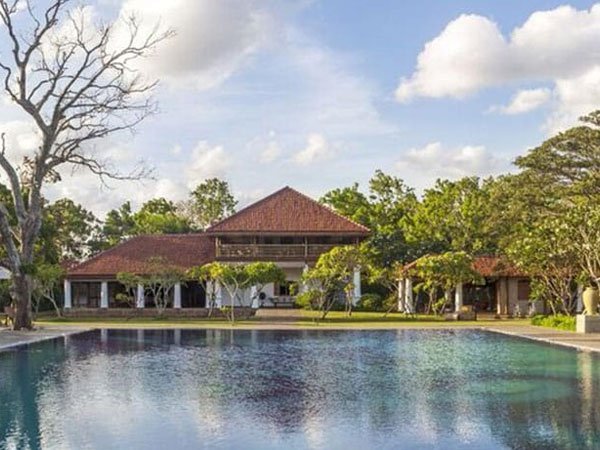
Closer to home, Jetwing’s reed-based architecture and nature-integrated design naturally support sleep health. While not formally branded as a Circadian-Optimized Resort, many of its systems can evolve into internationally competitive sleep-engineering features.
5. Designing a Sri Lankan Circadian-Optimized Resort (Key Phrase 2)
Below is a framework hotels can adopt, based on global best practices and Sri Lankan cultural identity.
A. Circadian Lighting Architecture
Every resort room should follow a 24-hour light cycle:
- 6.00 AM – Dawn Simulation
Soft amber light gradually increases to mimic sunrise. - 10.00 AM – High-Intensity Blue-Spectrum Light
Boosts alertness and energy. - 3.00 PM – Warm Neutral Lighting
Reduces hormonal overstimulation. - 6.30 PM – Melatonin-Safe Amber Light
Signals the body to wind down. - 10.00 PM – Deep Sleep Red-Spectrum Mode
Zero blue light emission.
Sri Lanka can source and manufacture these systems locally, reducing operational costs.
B. Soundscape Engineering Using Sri Lankan Bioacoustics
Research from University of Sussex shows that nature-based sounds reduce sympathetic nervous activity by up to 37%. Sri Lanka’s tropical symphonies—rain, wind, birdsong, and streams—make it ideal for:
- waterfall white noise corridors
- monsoon-rain sleep tracks
- forest-night immersive audio
- ocean-pulse breathing rhythms
These soundscapes can become signature branding assets.
C. Altitude-Based Oxygen Optimization
Sri Lanka’s mountains (Nuwara Eliya, Haputale, Belihuloya) have cooler air and higher negative ion concentrations, known to enhance sleep.
Hotels can integrate:
- low-oxygen simulation rooms
- Himalayan-salt air purifiers
- montane sleep pods
This can position Sri Lanka alongside top global wellness destinations like Switzerland.
D. Traditional Sri Lankan Sleep Rituals
Sri Lanka has centuries-old natural sleep therapies:
- Pichu treatment with herbal oils
- Suwada kekulu pirikara (herbal pillow blends)
- Kenda (porridge) varieties improving gut-sleep balance
- Serene Buddhist meditation practices
- Clay-walled cooling rooms originating from traditional village homes
These can be standardized and elevated for international audiences.
E. Brain-Calming Aromatherapy Using Sri Lankan Botanicals
Sri Lanka’s native plants include:
- Suduru
- Weralu leaf
- Karella leaf
- Nelum
- Kaha and curry-leaf blends
These can be ethically sourced to create Sri Lanka’s signature sleep aroma line.
6. Economic Impact: How Circadian-Optimized Resorts Can Transform Sri Lankan Tourism (Key Phrase 3)
1. High-Spending Clients
Sleep tourists spend 35% more per night than standard wellness tourists.
2. Low Carbon Footprint
Sleep tourism relies more on environmental engineering than on high-impact infrastructure.
3. Off-Peak Occupancy Growth
Rest-focused travel allows year-round demand, reducing seasonal volatility.
4. Job Creation
New professional roles emerge:
- Sleep Concierge
- Bioacoustic Designer
- Ayurvedic Sleep Therapist
- Circadian Lighting Engineer
5. Exportable Intellectual Property
Sri Lanka can trademark:
- Sleep Rituals
- Herbal Formulations
- Soundscape Libraries
- Architectural Sleep Designs
The tourism future isn’t only about beds—it’s about biology, culture, and engineering merged into one.
7. A Step-By-Step Blueprint for Sri Lankan Hotels to Transition Into Circadian-Optimized Resorts (Key Phrase 4)
- Conduct a Circadian Audit
Evaluate light, air, sound, humidity, and toxin levels. - Rebuild Guest Journey Scripts
Every touchpoint—from check-in to night ritual—must support sleep. - Integrate Traditional Healing
Standardize herbal pillows, oil therapies, steam rituals. - Build Sensor-Driven Rooms
Temperature, light, and humidity automation. - Train Human Staff, Not AI Systems
Authenticity is essential. - Collaborate With Universities
Research partnerships with Sri Lankan medical and engineering faculties. - Pilot Test in One Wing
Refine before scaling.
8. Branding Sri Lanka as the “Sleep Island of Asia”
The world knows Sri Lanka for tea, wildlife, and Ayurveda.
Now, the next chapter can be:
“Sri Lanka – Where the World Comes to Sleep.”
Marketing pillars:
- Circadian-Optimized Resorts
- Forest Oxygen Baths
- Coastal Sleep Sanctuaries
- Highland Deep-Rest Retreats
- Heritage-Inspired Sleep Rituals
This repositions the island as a premium wellness destination.
9. Risk Management & Ethical Considerations
To avoid exploitation, misrepresentation, or cultural misappropriation:
- Use only scientifically validated claims.
- Avoid overstating medicinal effects.
- Protect indigenous knowledge under the Intellectual Property Act.
- Ensure guest data privacy.
- Prevent ecological harm during construction.
A responsible approach will differentiate Sri Lanka as a trustworthy wellness tourism leader.
10. Conclusion: The Strategic Opportunity Ahead
If Sri Lanka embraces the science of chronobiology while honouring its heritage of herbal wisdom and cultural mindfulness, Circadian-Optimized Resorts (Key Phrase 5) can deliver economic resilience, global branding power, and long-term sustainability.
The future of tourism is not adrenaline.
It is not extravagance.
It is restoration.
And Sri Lanka has all the ingredients to lead this global revolution.
Official Disclaimer
This article has been authored and published in good faith by Dr. Dharshana Weerakoon, DBA (USA), based on publicly available data from cited national and international sources (including the Sri Lanka Tourism Development Authority, Central Bank of Sri Lanka, international tourism monitors, and conservation bodies), decades of professional experience across multiple continents, and ongoing industry insight.
It is intended solely for educational, journalistic, and public awareness purposes to stimulate discussion on sustainable tourism models. The author accepts no responsibility for any misinterpretation, adaptation, or misuse of the content. Views expressed are entirely personal and analytical, and do not constitute legal, financial, or investment advice.
This article and the proposed model are designed to comply fully with Sri Lankan law, including the Intellectual Property Act No. 52 of 1979 (regarding artisan rights and design ownership), the ICCPR Act No. 56 of 2007 (ensuring non-discrimination and dignity), environmental regulations, and relevant data-privacy and ethical standards.
✍ Authored independently and organically through lived professional expertise—not AI-generated.
Further Reading: https://www.linkedin.com/newsletters/outside-of-education-7046073343568977920/
Further Reading: https://dharshanaweerakoon.com/wellness-village/